
In the intricate landscape of branding, the quest to symbolize strength is paramount. Strength, in this context, transcends mere physical power; it embodies resilience, reliability, authority, innovation, and an unwavering presence. For a brand, whether corporate or personal, projecting strength is not merely about boasting, but about establishing trust, assuring quality, and fostering an enduring connection with its audience. The symbols brands choose, consciously and unconsciously, become powerful shorthand for these deeper attributes, shaping perception and driving market position. Understanding these symbols and how to wield them is fundamental to building a robust and lasting identity.

The Core Tenets of Brand Strength
The essence of a strong brand lies in its ability to communicate stability, reliability, and superiority. These are not merely abstract concepts but tangible qualities that stakeholders seek. A brand that effectively symbolizes strength assures its customers of consistent performance, its investors of steady growth, and its employees of a secure future. This projection of strength is meticulously crafted through various elements, from the visual to the narrative.
Visual Semiotics: Logos and Imagery
At the forefront of symbolizing strength are visual elements, primarily logos and associated imagery. A logo is often the first point of contact and, therefore, a critical carrier of symbolic meaning. Brands aiming to project strength frequently employ specific design principles:
- Geometric Shapes: Squares, rectangles, and triangles often convey stability, structure, and endurance. Their rigid forms suggest an unyielding foundation. For instance, the solidity of a financial institution’s logo might lean on sharp, defined angles rather than fluid curves.
- Bold Typography: Typefaces with strong, thick strokes, particularly those with a classic serif or a modern, robust sans-serif, emanate confidence and authority. They suggest gravitas and a refusal to be overlooked.
- Color Palettes: Dark blues frequently symbolize trust, stability, and professionalism, often utilized by banks and tech giants. Black conveys sophistication, power, and timelessness. Deep reds can denote energy, passion, and a commanding presence. The judicious use of these colors reinforces the intended message of strength.
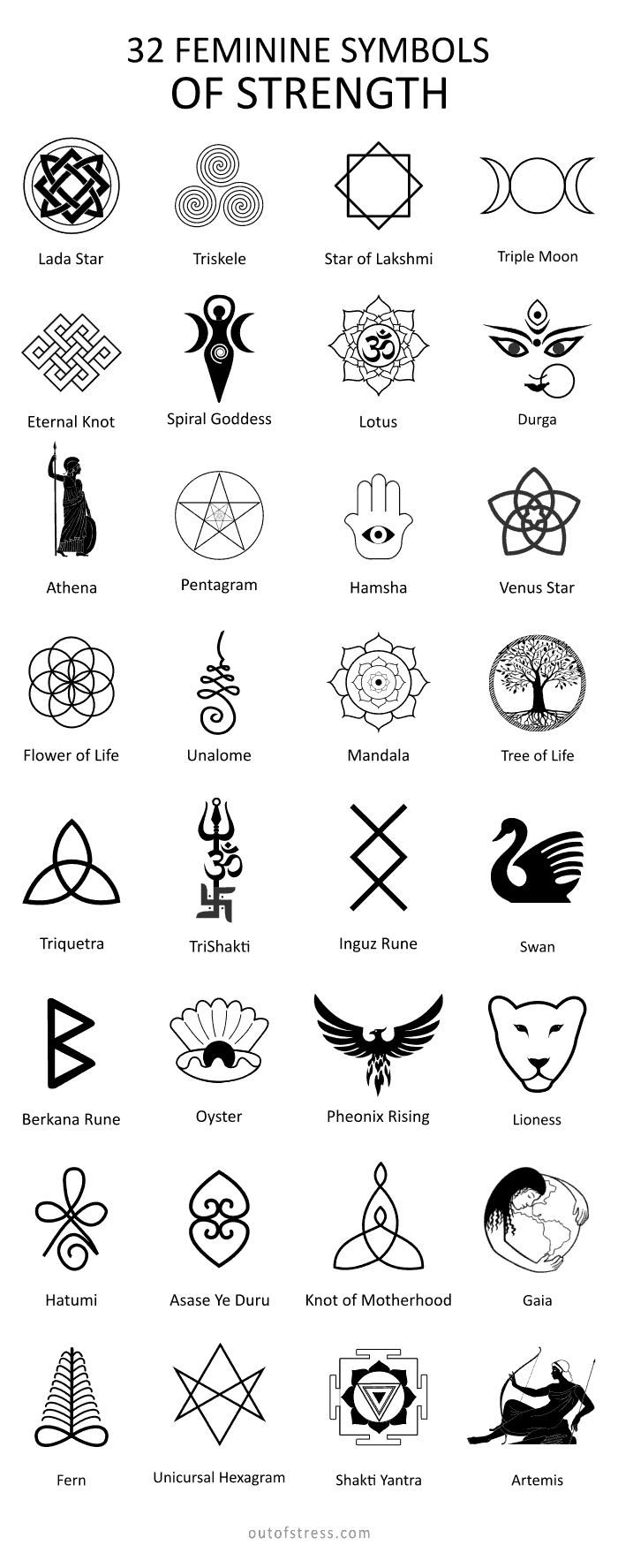
- Iconic Imagery: Animals renowned for their power, such as lions, eagles, or bears, are often incorporated into branding. Shields and crests inherently suggest protection, heritage, and unwavering defense. Mountains or architectural structures can symbolize immutability and steadfastness. These archetypal images tap into universal understandings of power and resilience. The deliberate choice of such iconography helps a brand instantly communicate its perceived attributes without needing explicit words.
Narrative Power: Storytelling and Heritage
Beyond the visual, the story a brand tells is a profound symbol of its strength. Every brand has a narrative, whether it’s one of pioneering innovation, relentless quality, or overcoming adversity. This storytelling aspect provides depth and emotional resonance to the otherwise abstract concept of strength.
- Origin Stories: A brand’s origin story, especially if it involves humble beginnings, significant challenges, or a visionary founder, can symbolize strength through resilience and determination. Brands like Apple, born in a garage, project strength through their narrative of defying norms and revolutionizing industries.
- Legacy and Heritage: Brands with a long history often leverage their heritage to symbolize strength through longevity and proven experience. A brand that has endured decades or even centuries implies an inherent robustness and adaptability that has allowed it to weather economic shifts and evolving consumer tastes. Companies that emphasize their founding date or traditions are subtly communicating their enduring strength.
- Mission and Vision: A clearly articulated mission that aims to solve significant problems or create profound value symbolizes strength of purpose. Brands with a powerful vision for the future demonstrate proactive leadership and an unshakeable commitment to their ideals, projecting strength not just in what they are, but in what they aspire to become.
Cultivating Strength in Corporate Identity
Corporate identity is the unified public persona a company presents, encompassing everything from its visual elements to its corporate culture and communication style. For this identity to truly symbolize strength, it must be meticulously managed and consistently applied across all touchpoints.
Consistency as a Pillar
Consistency is not merely about adhering to a style guide; it is a fundamental symbol of reliability and control, which are facets of strength. A brand that presents a fragmented or inconsistent identity implies disorganization, which undermines trust and confidence.
- Unified Visuals: Every piece of communication—website, advertisements, product packaging, uniforms, office decor—must align with the brand’s established visual identity. This creates a cohesive and professional image that speaks volumes about the brand’s internal discipline and attention to detail.
- Consistent Messaging: The brand’s core message, values, and tone of voice must remain consistent across all platforms and interactions. This ensures that the audience receives a clear, unchanging impression of what the brand stands for, solidifying its perceived strength and unwavering principles.
- Operational Excellence: Beyond external communication, operational consistency—in product quality, customer service, and delivery—is a powerful, albeit often unspoken, symbol of strength. A brand that consistently delivers on its promises builds a reputation for reliability, demonstrating its internal fortitude and capability.
Innovation and Adaptability
While consistency provides stability, true strength in a dynamic market also requires innovation and adaptability. A brand that consistently pushes boundaries, embraces new technologies, and evolves with consumer needs symbolizes foresight, resilience, and a future-proof existence.
- Thought Leadership: Brands that actively engage in thought leadership—publishing research, hosting industry events, or driving new conversations—position themselves as authoritative and forward-thinking. This intellectual strength underscores their market leadership and ability to shape the future.
- Product Development: A continuous cycle of innovation in product or service offerings demonstrates a brand’s vitality and commitment to staying relevant. It signals a strength derived from dynamism rather than stagnation, assuring stakeholders that the brand is capable of meeting future challenges.
- Crisis Management: How a brand responds to unforeseen challenges or negative publicity is a profound test and symbol of its strength. Brands that navigate crises with transparency, empathy, and decisive action demonstrate resilience and leadership, often emerging stronger in the eyes of their audience. Their ability to adapt and recover reinforces their inherent robustness.
Personal Branding and the Projection of Strength
Strength is not exclusive to corporations; it is a vital component of personal branding, particularly for professionals, entrepreneurs, and leaders. An individual’s personal brand that symbolizes strength can open doors, inspire confidence, and establish authority within their field.
Authenticity and Competence
For a personal brand, strength is often rooted in a combination of authenticity and demonstrable competence. People gravitate towards individuals who are genuine and clearly possess the skills and knowledge to excel.
- Demonstrated Expertise: Publishing insightful content, speaking at industry events, or successfully leading projects are tangible ways to demonstrate competence. This showcases intellectual strength and a deep understanding of one’s domain, positioning the individual as an authority.
- Authentic Voice: A personal brand that resonates with authenticity—where an individual’s actions align with their stated values—builds a foundation of trust. This genuine nature provides a unique form of strength, as it fosters deeper connections and inspires loyalty beyond superficial admiration.
- Problem-Solving Prowess: Individuals who consistently offer practical solutions to complex problems symbolize strength through their strategic thinking and effectiveness. Their ability to navigate challenges and deliver results positions them as invaluable assets and reliable leaders.
Resilience and Leadership
Beyond expertise, the capacity for resilience and effective leadership are powerful symbols of personal strength. These qualities are particularly valued in roles that demand guiding others through uncertainty.
- Overcoming Adversity: Sharing experiences of overcoming professional setbacks, learning from failures, and adapting to change showcases a profound level of resilience. This narrative of perseverance can be incredibly inspiring and a testament to an individual’s mental and emotional fortitude.
- Influential Leadership: An individual who can inspire, motivate, and guide a team towards a common goal symbolizes strength through their ability to galvanize collective effort. Their confidence, decisiveness, and capacity for strategic vision are attributes that project robust leadership.
- Ethical Conduct: Adherence to strong ethical principles and unwavering integrity are crucial symbols of strength in personal branding. An individual known for their moral compass and reliability builds a reputation that is robust and beyond reproach, establishing an unshakeable foundation of trust.
Marketing Strength: Beyond the Symbol
While symbols initiate the perception of strength, marketing ensures this perception is reinforced and translates into tangible market advantage. Effective marketing strategies amplify and validate the inherent strength a brand aims to symbolize, transforming abstract notions into market dominance and customer loyalty.
Market Dominance and Trust
A brand’s strength is often most overtly symbolized by its market position. Leadership in a category, a large market share, or a reputation for setting industry standards all implicitly communicate strength.
- Category Leadership: Brands that are synonymous with their product category (e.g., Kleenex for tissues) have achieved a pinnacle of strength, demonstrating their overwhelming dominance and acceptance. This leadership is not just a result of strength but also a powerful symbol of it.
- Trust Indicators: Strong customer reviews, industry awards, and endorsements from credible sources are external validations that reinforce a brand’s perceived strength. They act as social proof, assuring potential customers of the brand’s reliability and quality.
- Strategic Partnerships: Collaborations with other strong, reputable brands can imbue both parties with a shared sense of strength and credibility, expanding their influence and market reach. These alliances signify a robust network and a strategic vision.

Emotional Resonance and Loyalty
Ultimately, the strongest brands transcend mere transactional relationships by forging deep emotional connections with their audience. This emotional resonance is a testament to the brand’s ability to symbolize not just power or reliability, but also values that align with its customers.
- Brand Advocacy: When customers become advocates, enthusiastically recommending a brand to others, it symbolizes an extraordinary level of strength in loyalty and satisfaction. This organic promotion is a powerful indicator of the brand’s positive impact and deep-seated appeal.
- Community Building: Brands that successfully cultivate a vibrant community around their products or values demonstrate a strength that extends beyond commerce. This sense of belonging fosters enduring loyalty and transforms customers into fervent supporters, creating a formidable collective strength.
- Emotional Storytelling: Marketing campaigns that evoke strong emotions—inspiration, aspiration, security, belonging—leverage the power of narrative to build a profound connection. By tapping into universal human experiences, brands can symbolize strength not just through what they offer, but through how they make people feel, creating an unbreakable bond that defines true brand power.