
When you embark on the journey of purchasing a home, the complexity of mortgage terminology can feel overwhelming. Among the many terms thrown around by lenders, real estate agents, and escrow officers, the “impound account”—often referred to as an escrow account—is one of the most significant yet misunderstood components of your monthly mortgage payment. Understanding how this account functions is essential for effective personal financial planning and avoiding unwelcome surprises during your tenure as a homeowner.
Understanding the Mechanics of an Impound Account
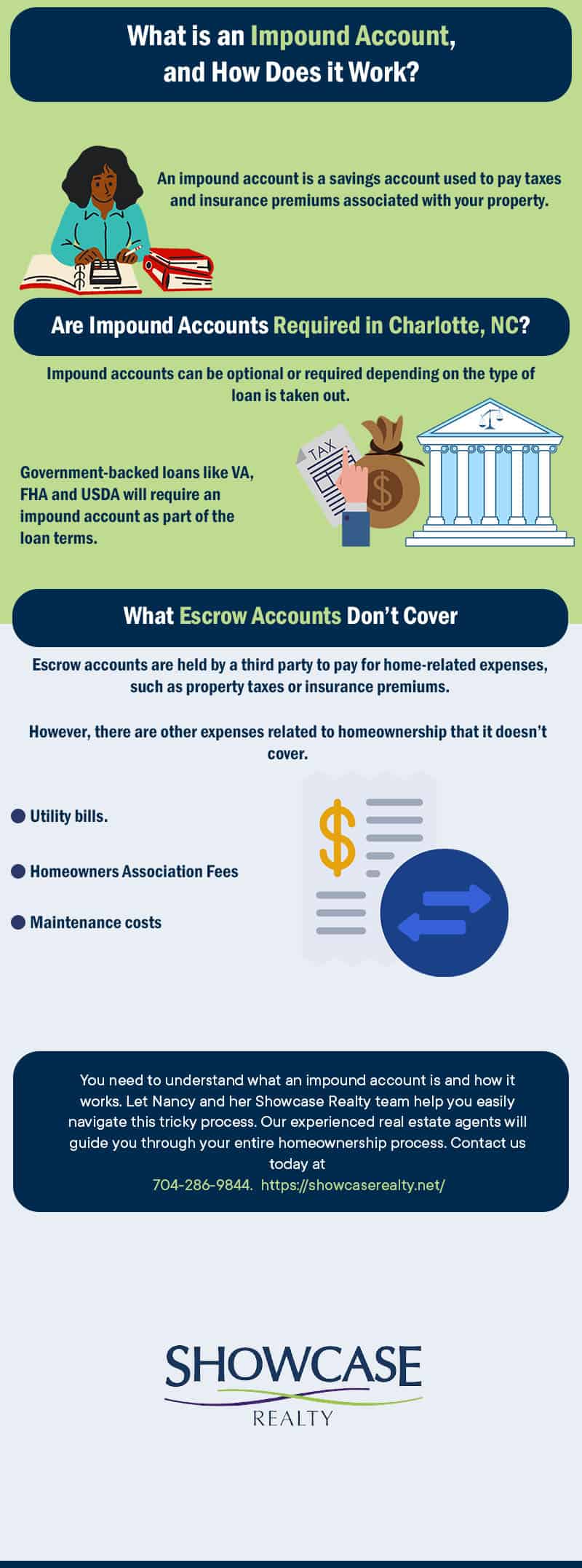
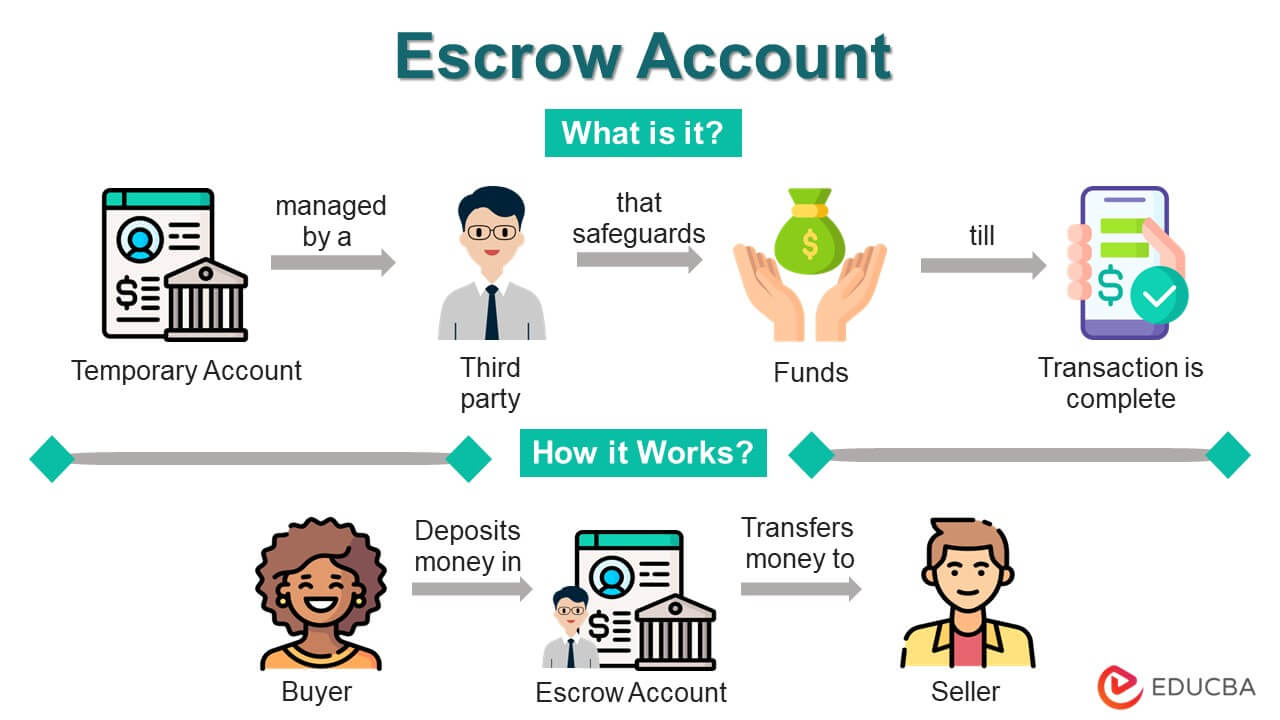
An impound account is essentially a dedicated savings mechanism managed by your mortgage lender. When you pay your monthly mortgage, a portion of that payment is set aside in this account to cover specific recurring costs related to property ownership. Rather than paying your property taxes and homeowners insurance in one or two massive lump sums annually, the lender collects these amounts in monthly increments, acting as a custodian for your money until the bills are due.
How the Payment Structure Works
The standard mortgage payment is often described by the acronym PITI: Principal, Interest, Taxes, and Insurance. While the principal and interest go directly to the lender to pay down your loan and cover the cost of borrowing, the “T” and the “I” are deposited into the impound account.
At the start of your loan, your lender calculates the estimated annual cost of your property taxes and your homeowners insurance premium. They then divide these figures by twelve and add that amount to your monthly mortgage statement. When the tax assessor sends the bill or your insurance provider reaches their renewal date, the lender pays these invoices directly from the funds they have been collecting in your impound account.
Why Lenders Require Impound Accounts
For a lender, an impound account is primarily a risk management tool. Property taxes and homeowners insurance are two of the most critical obligations associated with real estate. If a homeowner fails to pay their property taxes, the local government can place a tax lien on the home, which potentially takes priority over the lender’s mortgage lien. Similarly, if a property is not insured and suffers a fire or natural disaster, the collateral for the lender’s loan could be rendered worthless. By controlling the payment of these items, the lender ensures that the property remains protected and the title remains clear, thereby safeguarding their investment.
The Advantages and Disadvantages of Escrowing Taxes and Insurance
For many homeowners, the impound account is a double-edged sword. Whether it is beneficial depends largely on your financial discipline and your preference for budget predictability.
The Benefits of Budgeting and Convenience
The most significant benefit of an impound account is the elimination of “bill shock.” Property tax bills can be substantial, often amounting to thousands of dollars twice a year. Without an impound account, a homeowner would need to manually set aside significant portions of their monthly income to ensure they have the cash on hand when tax season arrives.
By utilizing an impound account, your housing costs are effectively “smoothed out.” You pay the same predictable amount every single month, making it much easier to manage your personal household budget. Furthermore, for those who struggle with saving or managing lump-sum liabilities, the impound account provides peace of mind, knowing that these critical bills will never be missed.
The Trade-offs: Opportunity Cost and Lender Oversight

On the flip side, some homeowners prefer to pay their own taxes and insurance. The primary argument against impound accounts is the loss of interest. While the funds sit in your lender’s escrow account, they are generally not earning interest for you. If you were to keep that money in a high-yield savings account until the bills were due, you could technically retain that incremental interest.
Additionally, some homeowners feel that impound accounts remove their control over the payment process. If an administrative error occurs—such as a lender failing to pay the insurance company on time—it can cause stress and potential coverage gaps that the homeowner then has to resolve through customer service channels.
The Annual Escrow Analysis and Adjustments
One of the most confusing aspects of having an impound account is the annual escrow analysis. Because tax rates change and insurance premiums fluctuate based on inflation and local market conditions, the amount you pay into your impound account is rarely static.
Understanding Shortages and Surpluses
Once a year, your lender performs an audit of your impound account. They look at the actual bills they paid over the last twelve months and compare them to the projections they made at the start of the year.
- Escrow Shortage: If the taxes or insurance premiums increased more than expected, the account may have a deficit. You will receive a notification of this shortage, and the lender will typically offer you the choice of paying the shortfall in a lump sum or spreading the repayment over the next twelve months by increasing your monthly mortgage payment.
- Escrow Surplus: Conversely, if taxes or insurance costs were lower than expected, or if your insurance premium decreased due to a policy change, your account may have a surplus. The lender will generally issue you a check for the excess funds, though this may not happen if the surplus is below a certain threshold.
Keeping Your Records Accurate
It is a common mistake to assume that the lender’s escrow analysis is infallible. Homeowners should always keep their own records of property tax assessments and insurance renewal notices. If you notice that your taxes have decreased due to a successful property tax appeal or a change in local assessment, it is your responsibility to inform your lender. By proactively sending them the updated tax bill, you can prevent them from over-collecting and help them adjust your monthly payment downward before the next escrow analysis cycle.
Deciding if You Should Request an Impound Account
In many mortgage scenarios, especially for first-time buyers or those with lower down payments (typically under 20%), lenders mandate the use of an impound account. However, if you are purchasing a home with a significant down payment or refinancing an existing mortgage, you may have the option to waive the impound account.
When to Request a Waiver
You might consider waiving an impound account if:
- You are highly disciplined: If you are capable of saving a fixed amount every month into a dedicated high-yield account specifically for your taxes and insurance, you may be better off keeping that money in your own pocket.
- You want to avoid the “cushion”: Lenders are legally allowed to hold a “cushion” in your escrow account (usually up to two months’ worth of payments) to account for potential increases. If you manage your own taxes and insurance, you do not need to hold this extra idle cash.
- You have complex finances: Some investors prefer to handle their own payments to ensure absolute control over the timing and documentation, especially when managing multiple properties.
When to Stick with the Status Quo
If you are not interested in the complexity of managing these payments, or if you find it difficult to set aside large sums for biannual obligations, an impound account is the most practical choice. It serves as an automated financial tool that forces the discipline of saving for home maintenance obligations, ensuring that your most valuable asset remains compliant with tax laws and fully protected by insurance. Ultimately, the impound account is a cornerstone of responsible homeownership, designed to simplify the complex intersection of personal finance and real estate law.
aViewFromTheCave is a participant in the Amazon Services LLC Associates Program, an affiliate advertising program designed to provide a means for sites to earn advertising fees by advertising and linking to Amazon.com. Amazon, the Amazon logo, AmazonSupply, and the AmazonSupply logo are trademarks of Amazon.com, Inc. or its affiliates. As an Amazon Associate we earn affiliate commissions from qualifying purchases.