
The concept of “remineralizing teeth” often evokes images of scientific diagrams and dental procedures. However, from a financial standpoint, understanding what contributes to tooth remineralization is not merely about dental hygiene; it’s about making astute investments in long-term health, mitigating future costs, and optimizing personal and business finance decisions. The choices individuals and institutions make regarding oral health directly impact budgets, healthcare expenditures, and even market trends within the dental industry.
The High Cost of Dental Neglect: Why Remineralization is a Smart Investment
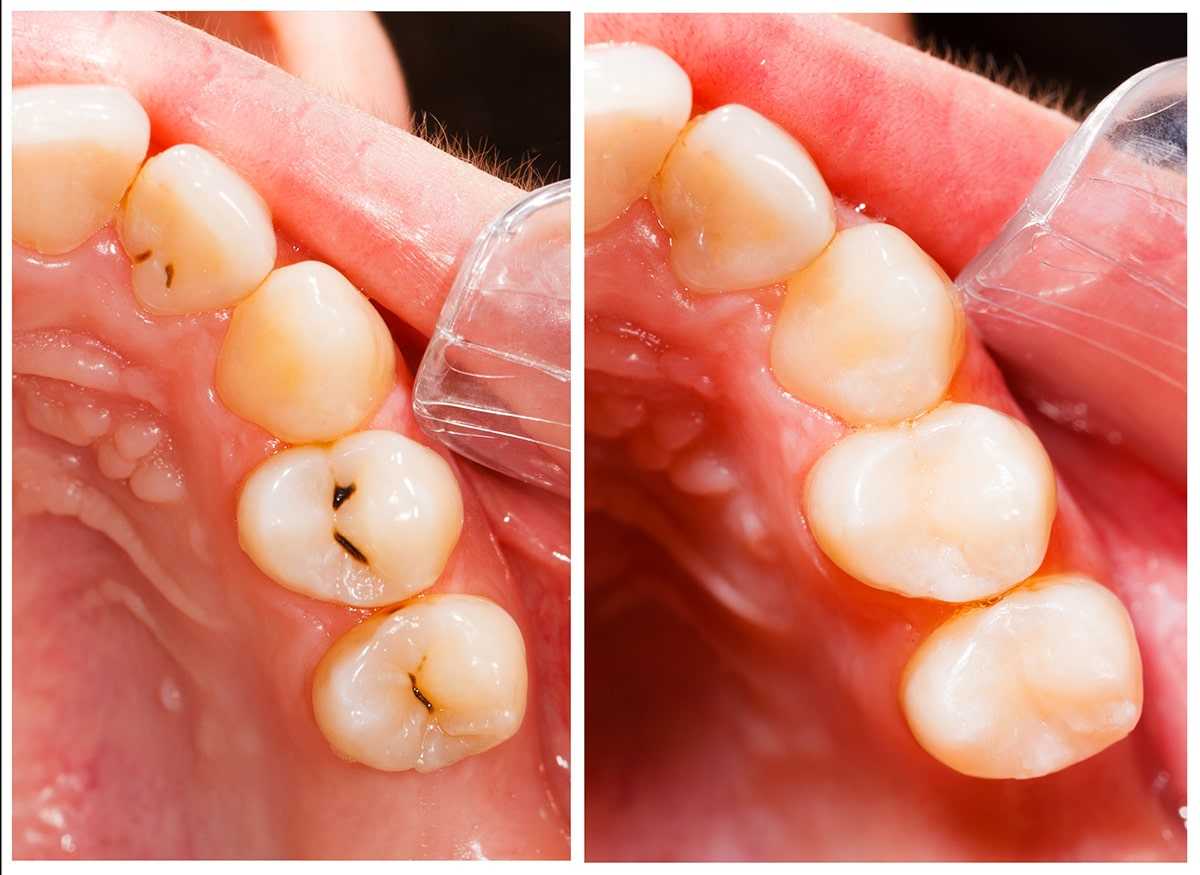
Dental health is inextricably linked to overall health, and neglecting it can lead to significant financial burdens. Caries, commonly known as cavities, are a prime example. They are essentially localized destruction of tooth tissue caused by acid produced from bacterial fermentation of food debris. Remineralization is the natural repair process for this damage, where minerals are redeposited into the tooth structure. When this natural process is insufficient, demineralization dominates, leading to a cavity that requires intervention. From a financial perspective, preventing a cavity through effective remineralization strategies is a far more cost-effective approach than treating one.

Direct Treatment Costs
Consider the escalating costs of dental treatments. A small filling can range from $100 to $400, depending on the material and location. If a cavity progresses, it might require a root canal, which can cost anywhere from $700 to $2,000, followed by a crown that adds another $800 to $3,000. An extracted tooth might necessitate an implant, a substantial investment often exceeding $3,000 to $5,000 per tooth. These figures do not even account for specialist fees or potential complications. Investing in daily remineralization, therefore, is not just about avoiding discomfort; it’s about sidestepping thousands of dollars in future dental bills. This makes preventive oral care an invaluable personal finance strategy, akin to regular maintenance for a valuable asset.
Indirect Financial Drain
Beyond direct treatment costs, dental neglect carries an array of indirect financial drains. Persistent oral infections can lead to systemic health problems, potentially increasing medical expenses for conditions like cardiovascular disease, diabetes, or respiratory infections, where links to oral health are increasingly recognized. Furthermore, severe dental pain or chronic issues can lead to lost productivity at work or school, resulting in reduced income or impaired educational attainment. Cosmetic issues arising from poor dental health can also impact social and professional opportunities, indirectly affecting earning potential and quality of life. The financial repercussions extend to insurance premiums; a history of extensive dental work or chronic conditions might influence future healthcare costs and eligibility for certain plans.
Understanding Remineralization Products and Their Financial Value
The market for products designed to support tooth remineralization is robust, offering a spectrum of solutions with varying price points and efficacy. Understanding their financial value requires assessing their cost-effectiveness in preventing more expensive problems down the line.
Over-the-Counter Solutions: Budget-Friendly Prevention
The most accessible and financially prudent initial steps toward remineralization involve over-the-counter (OTC) products. Fluoride, a cornerstone of dental health, is present in most toothpastes and many mouthwashes. Fluoride works by integrating into the tooth enamel, making it more resistant to acid attacks and facilitating the deposition of calcium and phosphate ions, thereby strengthening the tooth structure. A tube of fluoride toothpaste typically costs between $3 and $10, and a bottle of fluoride mouthwash between $5 and $15. These minimal recurring expenses represent an incredibly high return on investment when weighed against the cost of even a single filling.
Beyond fluoride, other OTC options include toothpastes containing ingredients like nano-hydroxyapatite (n-HA) or calcium phosphate technologies (e.g., Recaldent or Novamin). These compounds aim to mimic the natural mineral structure of enamel, actively contributing to the remineralization process. While these specialized toothpastes might cost slightly more (e.g., $10-$25 per tube), their potential to enhance remineralization can justify the marginal increase, particularly for individuals prone to cavities or those looking for advanced preventive care. For savvy consumers, purchasing these products in bulk or during sales can further optimize their preventive dental budget.
Professional Treatments: Strategic Outlays for Long-Term Gains
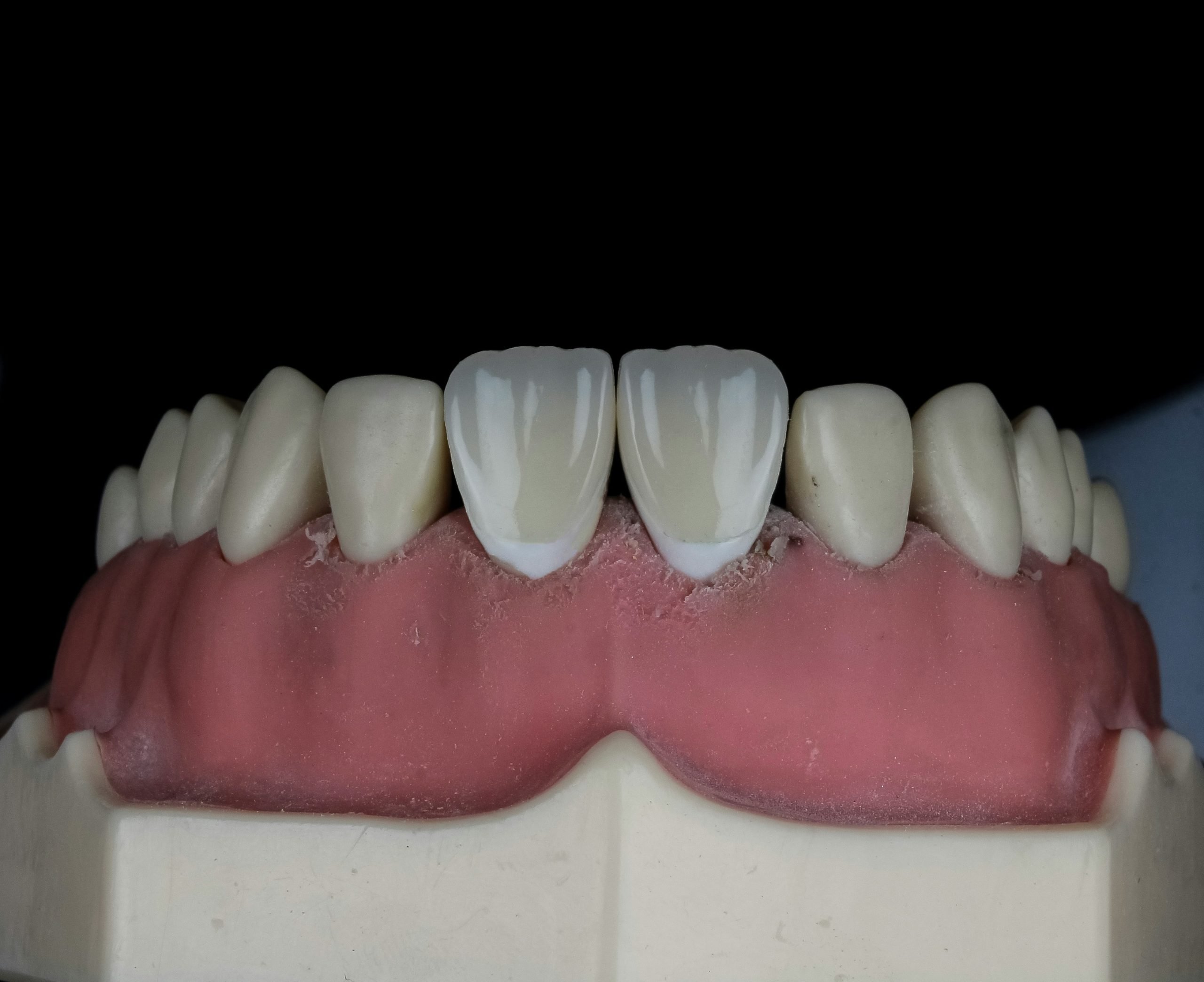
While OTC products form the bedrock of daily remineralization, professional dental treatments offer more concentrated and targeted interventions. In-office fluoride varnishes or gels, applied by a dentist or hygienist, deliver a higher concentration of fluoride than home-use products, significantly boosting enamel’s resistance and repair mechanisms. These treatments typically cost between $30 and $70 per application and are often covered partially or fully by dental insurance as a preventive service. From a financial planning perspective, these are not expenses but strategic investments in maintaining a strong oral health foundation.
For more severe demineralization or high-risk patients, dentists might prescribe high-concentration fluoride toothpastes or rinses, or recommend products containing casein phosphopeptide-amorphous calcium phosphate (CPP-ACP). These professional-grade solutions provide enhanced remineralization capabilities. While they come at a higher price point (e.g., $20-$40 for a prescription toothpaste), their efficacy in averting costly restorative procedures makes them a financially sound choice for those who need them.
The Role of Diet: A ‘Free’ Investment in Dental Health
Perhaps the most underestimated financial component of remineralization is diet. Consuming a diet rich in calcium, phosphorus, and vitamins D and K is crucial for systemic bone and tooth health. Foods like dairy products, leafy greens, nuts, and certain fish provide essential building blocks for enamel. Conversely, a diet high in fermentable carbohydrates and acidic beverages contributes to demineralization, accelerating the need for costly dental interventions. Choosing water over sugary drinks, reducing processed foods, and incorporating whole, nutrient-dense foods are essentially ‘free’ or even cost-saving strategies for promoting remineralization. This dietary approach represents a foundational ‘no-cost’ investment that underpins the efficacy of all other remineralization efforts.
Navigating Dental Insurance and Financial Planning for Oral Wellness
Effective financial management for oral health extends beyond product selection to leveraging insurance benefits and financial tools. Understanding how dental insurance views remineralization and utilizing tax-advantaged accounts can significantly reduce out-of-pocket expenses.
Maximizing Benefits for Preventive Care
Most dental insurance plans strongly emphasize preventive care, recognizing that it reduces the likelihood of expensive future treatments. This usually means that services like routine check-ups, cleanings, and in-office fluoride treatments are covered at 80-100%, often without requiring a deductible. This structure incentivizes proactive remineralization efforts. Policyholders who regularly utilize these preventive benefits are, in effect, securing significant financial savings compared to those who wait until a problem becomes acute and requires costly restorative work. It’s crucial for individuals to understand their plan’s specifics, maximums, and frequency limitations to fully capitalize on these financial advantages.
HSAs and FSAs: Tax-Advantaged Savings for Dental Needs
Health Savings Accounts (HSAs) and Flexible Spending Accounts (FSAs) offer powerful tax advantages for covering healthcare costs, including dental expenses. Contributions to these accounts are typically tax-deductible or pre-tax, and funds can be used for qualified medical and dental expenses. This includes a wide range of remineralization-supporting products and services, from specialized toothpastes and mouthwashes to professional fluoride treatments and routine cleanings.
HSAs, available to those with high-deductible health plans, offer the added benefit of being investment vehicles, allowing funds to grow tax-free over time. This makes an HSA a dual-purpose financial tool: a savings mechanism for immediate dental needs and a long-term investment for future healthcare costs, including those related to maintaining oral health as one ages. FSAs, while typically “use-it-or-lose-it” within the plan year, still provide significant tax savings on current dental expenditures. Strategically contributing to these accounts based on anticipated dental needs is a smart move in personal finance, effectively reducing the net cost of maintaining healthy, remineralized teeth.
The Market for Oral Health Innovation: Investing in Future Dental Care
The drive to discover “what remineralizes teeth” is a significant force in the dental industry, fueling innovation and attracting investment. Companies are constantly researching and developing new technologies and products, creating a dynamic market with its own financial implications for consumers, investors, and practitioners.
Emerging Technologies and Their Economic Impact
The dental market is constantly evolving, with significant research and development (R&D) investments flowing into advanced remineralization technologies. This includes biomimetic materials designed to encourage natural tooth repair, targeted delivery systems for mineral ions, and even gene therapies or stem cell research aiming to regenerate dental tissues. From a business finance perspective, companies that successfully bring these innovations to market stand to capture significant shares of the multi-billion dollar oral care industry. For investors, identifying these disruptive technologies early can lead to substantial returns.
For consumers, these emerging technologies, while potentially more expensive initially, promise even greater efficacy in preventing dental disease. The long-term economic impact could be a reduction in the need for traditional, invasive, and costly restorative procedures. As these technologies become more widespread and manufacturing scales, their cost will likely decrease, making advanced remineralization more accessible and further shifting the financial paradigm from treatment to prevention.
Consumer Trends Driving Product Development
Consumer demand for healthier, more natural, and effective oral care solutions is a major driver of product development in the remineralization space. There’s a growing awareness of the benefits of proactive dental health, coupled with a desire for products that align with broader wellness trends. This has led to a surge in products featuring ingredients like n-HA, xylitol (which inhibits bacterial growth and can support remineralization), and various calcium phosphate formulations.
From a marketing and brand strategy perspective, companies that successfully communicate the financial and health benefits of remineralization, and develop products that resonate with these consumer values, are poised for growth. This trend underscores the financial viability of investing in brands focused on preventive, science-backed oral care. For individuals, staying informed about these trends can help identify the most effective and financially sound options for their personal oral health investment portfolio. The shift towards preventive, remineralizing solutions is not just a health trend; it’s a significant financial movement within the healthcare sector, promising long-term benefits for both individual consumers and the broader economy.
aViewFromTheCave is a participant in the Amazon Services LLC Associates Program, an affiliate advertising program designed to provide a means for sites to earn advertising fees by advertising and linking to Amazon.com. Amazon, the Amazon logo, AmazonSupply, and the AmazonSupply logo are trademarks of Amazon.com, Inc. or its affiliates. As an Amazon Associate we earn affiliate commissions from qualifying purchases.