
Investing in the stock market can feel like stepping into a vast, complex labyrinth, especially for newcomers. The question “Where do I invest in stocks?” isn’t merely about naming a platform; it’s about understanding the entire ecosystem of wealth creation, risk management, and long-term financial planning. It’s about moving beyond simply saving money to making your money work for you, harnessing the power of compounding and economic growth. This comprehensive guide aims to demystify the process, providing a clear roadmap for anyone looking to embark on their investment journey, from understanding the basics to choosing platforms and implementing effective strategies. By the end, you’ll have a solid foundation to confidently answer that pivotal question for yourself.

Understanding the Fundamentals Before You Begin
Before you even consider opening a brokerage account, it’s crucial to lay a strong financial foundation and understand the core principles that govern successful investing. Haste without understanding often leads to costly mistakes.
Why Invest in Stocks?
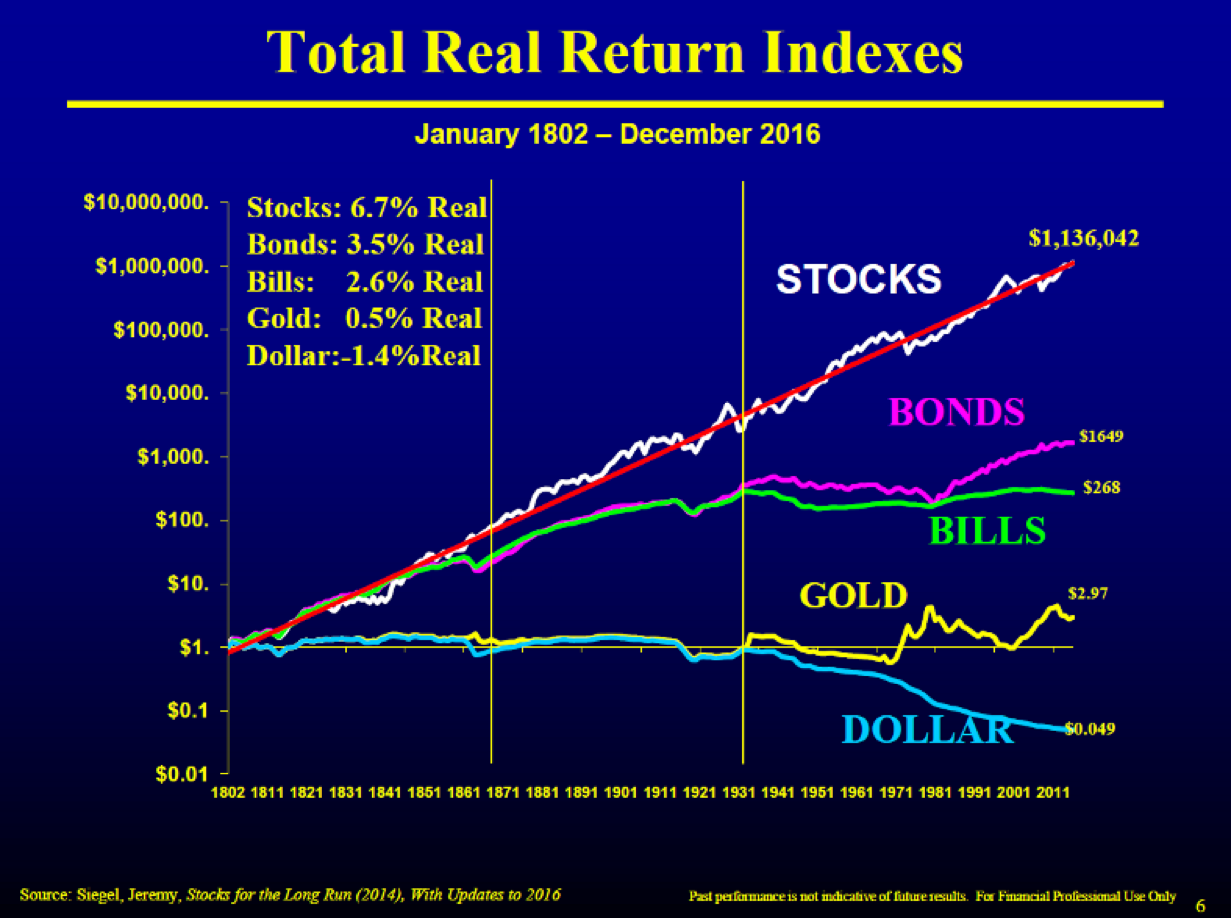
Stocks represent ownership in a company, and their primary appeal lies in their potential for long-term growth. Historically, the stock market has outperformed other asset classes like bonds and cash over extended periods, offering a powerful hedge against inflation and a vehicle for significant wealth accumulation. When you invest in a company, you participate in its success, benefiting from capital appreciation (the stock price going up) and often dividends (a share of the company’s profits). This growth potential is critical for achieving substantial financial goals, such as retirement, buying a home, or funding education.
Assessing Your Financial Readiness
Investing should never come at the expense of your immediate financial security. Before allocating funds to the stock market, ensure you have:
- An Emergency Fund: Ideally, 3-6 months’ worth of living expenses saved in an easily accessible, liquid account (like a high-yield savings account). This fund acts as a buffer against unexpected life events, preventing you from having to sell investments at an inopportune time.
- Managed High-Interest Debt: Prioritize paying down high-interest debts, such as credit card balances or personal loans. The guaranteed return from eliminating a 15-20% interest rate far outweighs the potential, but uncertain, returns from the stock market. Student loans and mortgages with lower interest rates can often be managed alongside investing, depending on your financial situation.
Defining Your Investment Goals and Risk Tolerance
Your investment strategy should be a direct reflection of your financial goals and your personal comfort level with risk.
- Investment Goals: Are you saving for retirement 30 years from now? A down payment on a house in five years? Or supplementing your income with dividends? Different goals require different timelines and approaches. Long-term goals generally allow for more aggressive, growth-oriented investments, while short-term goals might call for more conservative, stable options.
- Risk Tolerance: This is your psychological capacity to handle the ups and downs of the market. Stocks are volatile; their prices can fluctuate significantly. Are you prepared to see your portfolio drop by 10%, 20%, or even more in a bear market without panicking and selling? Understanding your risk tolerance helps you select appropriate investments and avoid making emotional decisions during market downturns.
Choosing the Right Investment Platform
Once your financial house is in order and you have a clear sense of your goals and risk appetite, the next practical step is selecting where to actually invest your money. The platform you choose will largely depend on your desired level of control, support, and the types of accounts you need.
Online Discount Brokers: The DIY Powerhouse
For most individual investors, particularly those starting out or who prefer a hands-on approach, online discount brokers are the go-to option. These platforms offer low (or often zero) commission trades, a wide range of investment products (stocks, ETFs, mutual funds, options), and robust tools for research and analysis.
- Pros: Low costs, extensive investment choices, educational resources, convenience of online access.
- Cons: Requires self-directed learning and decision-making, less personalized guidance compared to full-service options.
- Examples: Fidelity, Charles Schwab, Vanguard, E*TRADE, TD Ameritrade (now part of Schwab), Robinhood (though user interface and educational tools may be less comprehensive for beginners).
Robo-Advisors: Automated Investing for Simplicity
Robo-advisors offer a streamlined, automated approach to investing. You answer a questionnaire about your goals and risk tolerance, and the robo-advisor constructs and manages a diversified portfolio of low-cost ETFs on your behalf. They automatically rebalance your portfolio and often offer tax-loss harvesting.
- Pros: Low fees (typically 0.25% – 0.50% of assets under management), automated management, diversification, easy to set up.
- Cons: Less customization than self-directed investing, limited access to individual stocks.
- Examples: Betterment, Wealthfront, Fidelity Go, Schwab Intelligent Portfolios.
Traditional Brokerage Firms (Full-Service): Expert Guidance
For those with complex financial situations, substantial assets, or a preference for personalized, hands-on advice, full-service brokerage firms or independent financial advisors are an option. They offer comprehensive financial planning, investment management, tax strategies, estate planning, and direct access to a human advisor.
- Pros: Personalized advice, comprehensive financial planning, access to a wide range of investment products and strategies, emotional support during market volatility.
- Cons: Significantly higher fees (often a percentage of assets under management, plus potential commissions), higher minimum investment requirements.
- Examples: Merrill Lynch, Morgan Stanley, independent fee-only financial advisors.
Retirement Accounts: Maximize Tax Advantages
Before opening a standard taxable brokerage account, it’s almost always prudent to maximize contributions to tax-advantaged retirement accounts, if available to you.
- 401(k) / 403(b): Employer-sponsored plans that allow pre-tax contributions to grow tax-deferred. Many employers offer a matching contribution, which is essentially free money.
- Individual Retirement Accounts (IRAs):
- Traditional IRA: Contributions may be tax-deductible, and growth is tax-deferred until retirement.
- Roth IRA: Contributions are made with after-tax money, but qualified withdrawals in retirement are tax-free.
- SEP IRA / SIMPLE IRA: For self-employed individuals or small business owners.
These accounts offer significant tax benefits that can dramatically boost your long-term returns compared to taxable accounts.
What Types of Stocks Should You Consider?
Once you’ve chosen your platform, you’ll be faced with a vast universe of investment options. It’s crucial to understand the different avenues for stock market exposure and how they align with your investment philosophy.

Individual Stocks: High Potential, Higher Risk
Buying individual stocks means purchasing shares of a specific company. This approach offers the highest potential for returns if you pick a winning stock, but also carries the highest risk. Success requires thorough research into a company’s financials, management, competitive landscape, and future prospects. It’s an active strategy best suited for investors who are willing and able to dedicate time to analysis and who have a diversified portfolio to mitigate the risk of a single stock underperforming.
Exchange-Traded Funds (ETFs) and Mutual Funds: Diversification Made Easy
For most investors, especially beginners, diversified funds like ETFs and mutual funds are an excellent starting point.
- ETFs (Exchange-Traded Funds): These are baskets of stocks (or other assets) that trade like individual stocks on an exchange. They offer instant diversification across industries, sectors, or even entire markets with a single purchase. ETFs typically have lower expense ratios (annual fees) than actively managed mutual funds and are generally more tax-efficient.
- Mutual Funds: Similar to ETFs, mutual funds pool money from many investors to invest in a diversified portfolio of securities. They are professionally managed, and investors buy or sell shares directly from the fund company at the end of each trading day based on the fund’s Net Asset Value (NAV). Actively managed mutual funds tend to have higher expense ratios.
Index Funds: Low-Cost Market Exposure
A specific type of ETF or mutual fund, index funds are passively managed funds designed to track a particular market index, such as the S&P 500 or the total U.S. stock market. Because they simply aim to replicate an index rather than beat it, they typically have very low expense ratios.
- Pros: Instant diversification, low costs, historically strong long-term returns (tracking the overall market), minimal effort required.
- Cons: You won’t outperform the market (but you also won’t underperform it significantly).
- Recommendation: For many investors, especially those new to stocks, a portfolio built primarily around low-cost index funds or ETFs tracking broad market indices is a highly effective and sensible strategy.
Growth vs. Value Stocks: Different Investment Philosophies
When considering individual stocks or even specialized funds, you’ll encounter different investment styles:
- Growth Stocks: Companies expected to grow earnings and revenues at a faster rate than the overall market. They often reinvest profits back into the business, leading to potential for higher capital appreciation. Examples might include rapidly expanding tech companies.
- Value Stocks: Companies that appear to be undervalued by the market, often trading at a lower price relative to their earnings or book value. Value investors believe these stocks will eventually be recognized by the market and appreciate in price. Examples might include mature companies in stable industries.
Both styles have their merits, and a balanced portfolio might include elements of both.
Essential Strategies for Long-Term Success
Investing in stocks isn’t a “get rich quick” scheme; it’s a marathon. Adopting sound, disciplined strategies is paramount for building wealth over the long haul.
Diversification: The Golden Rule
“Don’t put all your eggs in one basket” is the cornerstone of investing. Diversification means spreading your investments across different asset classes (stocks, bonds, real estate), industries, geographies, and company sizes. This strategy reduces risk because the poor performance of one investment can be offset by the better performance of others. Instead of buying just one company’s stock, you might buy an S&P 500 index fund, which gives you exposure to 500 different companies.
Dollar-Cost Averaging: Mitigating Market Timing
Dollar-cost averaging involves investing a fixed amount of money at regular intervals (e.g., $200 every month), regardless of whether the market is up or down. This strategy automatically leads you to buy more shares when prices are low and fewer shares when prices are high, averaging out your purchase price over time. It removes the emotional component of trying to “time the market,” which is notoriously difficult even for seasoned professionals.
Rebalancing Your Portfolio: Staying on Track
Over time, different investments in your portfolio will grow at different rates, potentially shifting your asset allocation away from your desired target. Rebalancing involves periodically (e.g., once a year) adjusting your portfolio back to its original asset allocation. This typically means selling some of your outperforming assets and buying more of your underperforming ones, which can be a valuable risk management strategy and a disciplined way to “buy low and sell high.”
The Power of Compounding: Patience and Time
Compounding is often called the eighth wonder of the world. It’s the process where the returns you earn on your investments also start earning returns themselves. The longer your money stays invested, the more powerful compounding becomes. A modest initial investment, coupled with consistent contributions and sufficient time, can grow into a substantial sum. This underscores the importance of starting early, even with small amounts.
Avoiding Common Pitfalls and Staying Informed
While the journey to investing can be rewarding, it’s also fraught with potential missteps. Being aware of common pitfalls can save you significant heartache and money.
Don’t Chase Hot Stocks
The temptation to jump on the bandwagon of the latest “hot” stock or sector is strong, fueled by media hype and anecdotal success stories. However, by the time a stock is widely recognized as “hot,” much of its rapid growth may already be behind it. Chasing these trends often leads to buying high and selling low when the inevitable correction occurs. Focus on long-term fundamentals and your own well-researched strategy instead of speculative fads.
Emotional Investing: Stick to Your Plan
Market fluctuations are inevitable. Seeing your portfolio drop during a downturn can be frightening, prompting an urge to sell everything and “stop the bleeding.” Conversely, during bull markets, euphoria can lead to excessive risk-taking. Emotional decisions—buying out of greed or selling out of fear—are detrimental to long-term returns. Develop an investment plan based on your goals and risk tolerance, and stick to it through thick and thin.
Continuous Learning: Stay Informed, Not Overwhelmed
The world of finance is constantly evolving. Commit to continuous learning about personal finance, market trends, economic indicators, and investment strategies. Read reputable financial news, books, and educational resources. However, it’s equally important not to get overwhelmed by every daily market fluctuation or pundit’s opinion. Filter information critically and focus on insights that inform your long-term strategy.
Consulting a Financial Advisor: When to Seek Professional Help
While many resources are available for self-directed investors, there are times when professional guidance is invaluable. If your financial situation is complex, you’re struggling to define your goals, or you simply prefer having an expert guide you, a fee-only financial advisor can provide tailored advice, help you construct a comprehensive plan, and offer behavioral coaching during volatile times. Ensure any advisor you work with is a fiduciary, meaning they are legally obligated to act in your best financial interest.
Investing in stocks is one of the most powerful tools available for building long-term wealth. It’s a journey that begins with understanding your own financial situation and goals, choosing the right platform, and selecting appropriate investments that align with your risk tolerance. By embracing fundamental strategies like diversification and dollar-cost averaging, exercising patience, and avoiding emotional pitfalls, you can confidently navigate the stock market and move from asking “Where do I invest in stocks?” to actively building a robust financial future. Start today, stay disciplined, and let the power of investing work for you.
aViewFromTheCave is a participant in the Amazon Services LLC Associates Program, an affiliate advertising program designed to provide a means for sites to earn advertising fees by advertising and linking to Amazon.com. Amazon, the Amazon logo, AmazonSupply, and the AmazonSupply logo are trademarks of Amazon.com, Inc. or its affiliates. As an Amazon Associate we earn affiliate commissions from qualifying purchases.