
The “withers” on a horse, an often-overlooked anatomical feature by the casual observer, stands as a pivotal element in equine biomechanics, health, and, consequently, its financial valuation within the multi-billion-dollar equestrian industry. For investors, breeders, trainers, and any business operating within the horse world, understanding the withers transcends mere anatomical knowledge; it is a critical component of risk assessment, performance prediction, and ultimately, the financial return on investment.
The Anatomical Crux: Withers Defined and Its Financial Resonance
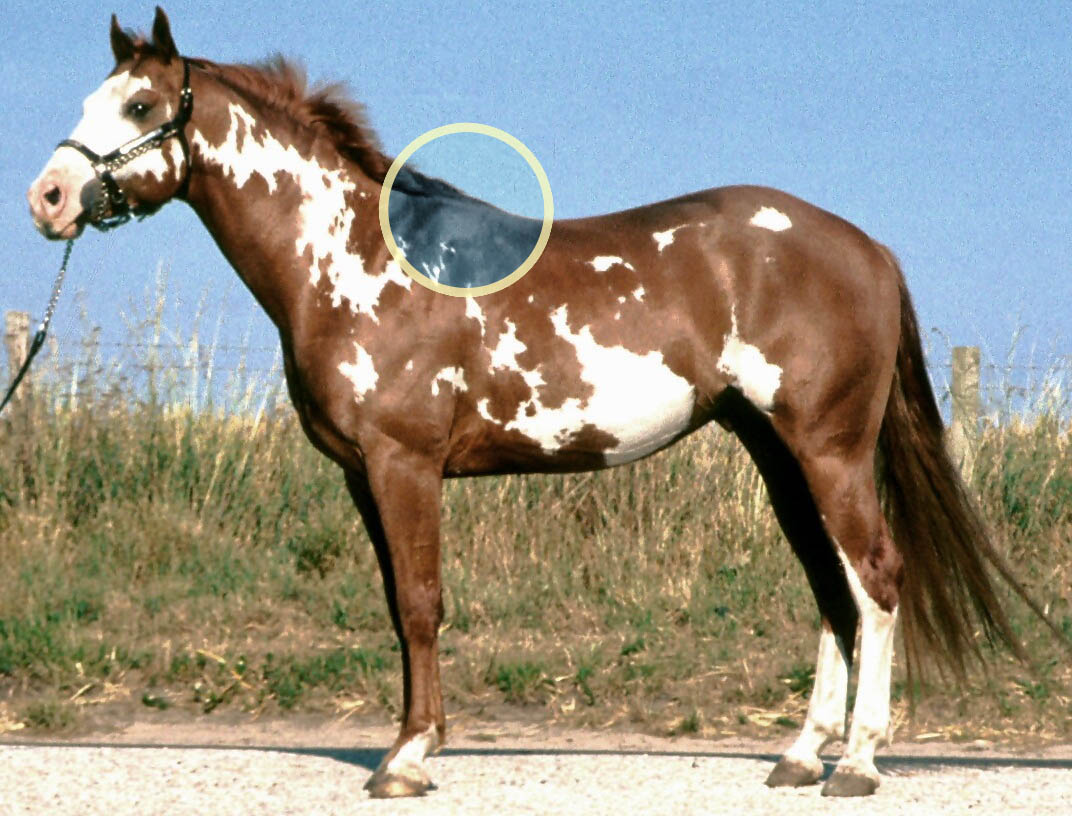
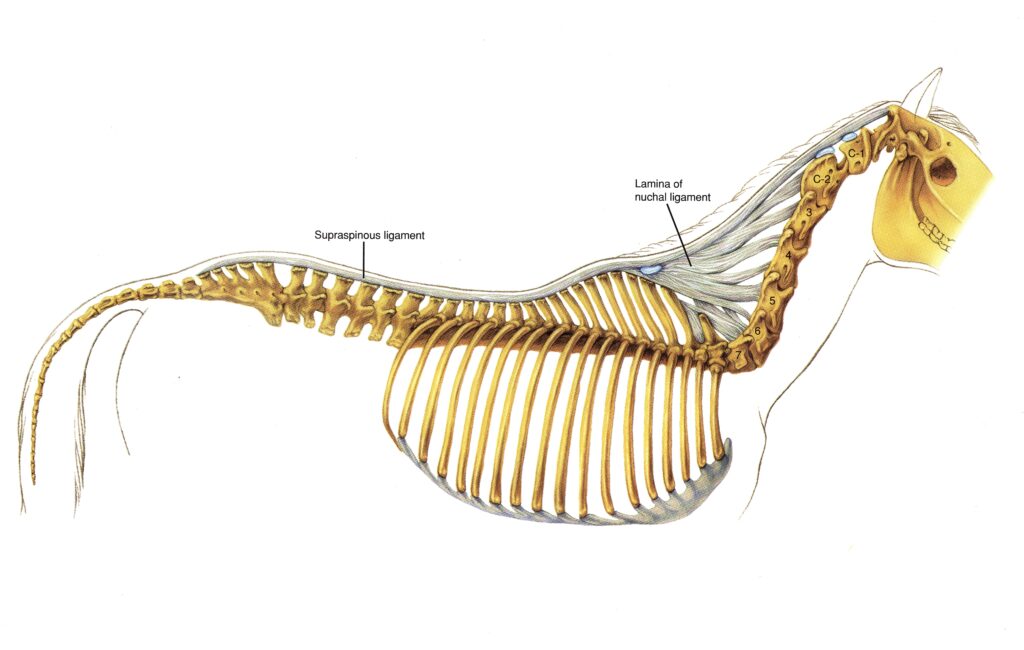
At its core, the withers is the prominent ridge formed by the dorsal spinous processes of the thoracic vertebrae, typically the third to tenth thoracic vertebrae, where the neck meets the back. This region is a structural cornerstone, serving as an attachment point for several crucial muscles and ligaments that support the neck, back, and forelegs.
Location and Structure: The Foundation of Value
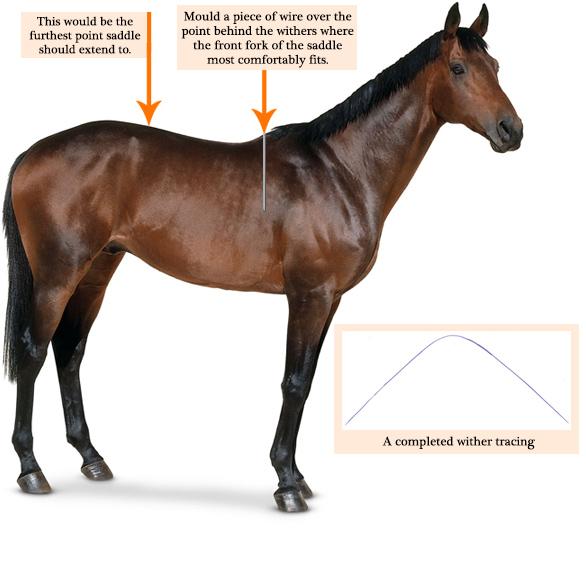
Positioned between the shoulder blades and just in front of the back, the withers’ height, length, and slope are key indicators of a horse’s overall conformation. A well-defined, appropriately sloped withers is not merely aesthetically pleasing; it facilitates correct saddle placement, distributing pressure evenly across the horse’s back and preventing slippage. From a financial perspective, this anatomical correctness translates directly into reduced veterinary costs associated with back pain, improved rider stability, and enhanced performance potential—all factors that significantly influence a horse’s market value and its ability to generate income through competition or breeding. Conversely, a low, flat, or mutton withers can complicate saddle fitting, leading to discomfort, poor performance, and the need for specialized (often expensive) tack, thereby impacting profitability.
Primary Functions in Equine Biomechanics: Performance and Profit
The primary functions of the withers are manifold. It acts as a fulcrum for the horse’s balance, a pivot for neck movement, and a crucial anchor for the muscles that lift the forehand and propel the horse forward. In performance disciplines, the structure of the withers directly impacts a horse’s ability to execute complex movements, jump cleanly, or maintain an efficient gait. For instance, in show jumping, a horse with well-defined, adequately high withers often demonstrates better scapular rotation and foreleg clearance, reducing the risk of knocking down fences. In racing, proper withers conformation contributes to efficient stride length and power transmission. These biomechanical advantages translate into a higher likelihood of success, increasing prize money potential, stud fees for stallions, or sale prices for prospects. Therefore, assessing the withers becomes an integral part of due diligence for anyone investing in equine assets, directly correlating anatomical features with potential financial yield.
Withers as a Key Indicator in Equine Valuation and Investment
In the complex financial landscape of the equestrian world, the withers is far more than just a part of the horse’s anatomy; it’s a vital metric used by seasoned investors, buyers, and sellers to gauge an animal’s intrinsic worth, athletic potential, and long-term viability as an asset.
Conformation and Athletic Performance: A Financial Equation
The relationship between the withers and a horse’s athletic performance is a direct financial equation. A horse with ideally proportioned and correctly formed withers will typically exhibit superior balance, freedom of movement in the shoulders, and the ability to comfortably carry a saddle and rider. These traits are highly coveted in competitive disciplines such as dressage, show jumping, eventing, and racing.
For example, a horse with a long, sloping withers provides ample room for the saddle to sit securely, distributing weight evenly and allowing the shoulders to move freely. This optimal saddle fit reduces friction and pressure points, preventing performance-inhibiting discomfort or injury. In contrast, a horse with short, low withers, often termed “mutton withers,” struggles with saddle stability, requiring specialized and often expensive custom tack to avoid slipping and potential injury. The initial investment in such a horse, coupled with ongoing costs for unique equipment or veterinary care for back issues, can significantly diminish profit margins or increase capital outlay for a training stable or owner. Ultimately, a horse’s potential for athletic success—and thus its market value and potential prize earnings—is directly influenced by its withers conformation.
Health Implications and Long-Term Value: Mitigating Financial Risk
The structural integrity of the withers is also intrinsically linked to a horse’s long-term health and soundness, which is paramount for protecting an investment. The withers area is susceptible to several health issues if conformation is poor or management is inadequate. Conditions like “saddle sores” or “fistulous withers” (an infection and inflammation of the bursa over the withers) can arise from ill-fitting saddles, trauma, or underlying conformational faults. These conditions necessitate extensive veterinary treatment, prolonged downtime, and rehabilitation, incurring substantial financial costs in veterinary bills, lost training time, and reduced marketability. A horse sidelined by injury cannot compete, cannot train, and often sees its value plummet. Astute investors and buyers therefore meticulously evaluate the withers during pre-purchase examinations, recognizing that a horse with sound withers conformation is a lower financial risk and more likely to maintain its value over its lifespan. This due diligence protects capital and ensures the asset remains productive.
Breed Standards and Market Demand: Driving Price Points
Breed registries and market demand also heavily factor the withers into their evaluations, influencing price points across various equine sectors. Many breed standards explicitly describe ideal withers conformation, as this feature contributes to the breed’s characteristic look and functional purpose. For instance, breeds renowned for jumping might favor higher, more prominent withers for optimal athleticism, while certain draft breeds might exhibit a broader, flatter withers. When a horse deviates significantly from these established breed standards, especially in a prominent feature like the withers, its desirability in the show ring, at breeding auctions, or among general enthusiasts can decrease, impacting its potential sale price and stud fees. Conversely, a horse that exemplifies ideal breed-specific withers conformation can command a premium, reflecting its genetic potential and conformational excellence. Understanding these nuances is crucial for breeders seeking to maximize the return on their genetic investments and for buyers looking to acquire horses that meet market expectations and demand.
Risk Management and Financial Planning in Equine Ownership
Strategic financial planning and robust risk management are indispensable in equine ownership, where the withers plays a surprisingly significant role in various assessments, from pre-purchase evaluations to insurance considerations.
Pre-Purchase Examinations: Mitigating Investment Risk
For any significant equine acquisition, a comprehensive pre-purchase veterinary examination (PPE) is a non-negotiable step for mitigating financial risk. During a PPE, the veterinarian meticulously assesses the horse’s overall health and conformation, with particular attention paid to the withers. This inspection includes evaluating its height, length, slope, and symmetry, as well as palpating for any signs of pain, swelling, or old injuries. Evidence of past or current issues, such as sensitive spots, atrophy of the muscles surrounding the withers, or unevenness, can indicate existing problems or predispositions to future lameness or performance limitations. Identifying these issues before purchase allows potential buyers to negotiate price reductions, request further diagnostic imaging, or ultimately walk away from a potentially costly investment. This due diligence directly safeguards capital, preventing unforeseen veterinary expenses and ensuring the horse aligns with its intended use and expected financial performance.
Insurance Considerations: Protecting Your Equine Asset
Equine insurance is a critical financial tool for protecting valuable horse assets, and the withers can influence both the availability and cost of coverage. Insurance providers assess a horse’s overall health, soundness, and conformational suitability for its declared discipline when underwriting policies. Horses with known or documented issues related to their withers—whether a past injury, poor conformation leading to chronic back pain, or conditions like fistulous withers—may face higher premiums, exclusions for specific conditions, or even denial of coverage. This is because such conditions represent a higher risk for future claims related to veterinary care, loss of use, or mortality. Consequently, understanding the condition of a horse’s withers is vital for accurately budgeting for insurance costs and ensuring adequate protection for a substantial investment. Proactive management to maintain a healthy withers can therefore contribute to more favorable insurance terms and lower long-term operating expenses.
Management Practices for Preserving Value: Sustained Returns
The long-term financial viability of an equine asset is heavily dependent on proper management practices that preserve its health and soundness, especially concerning sensitive areas like the withers. This includes meticulous saddle fitting, which is arguably the most critical aspect. An ill-fitting saddle can quickly lead to back pain, muscle atrophy around the withers, and behavioral issues, all of which diminish performance and market value. Regular professional saddle checks, adjustments, and using appropriate saddle pads are essential investments. Furthermore, a balanced nutrition program supports healthy muscle development around the withers, preventing conditions like “razor withers” where the bone structure becomes overly prominent due to muscle loss. A thoughtful training regimen that promotes correct carriage and strengthens the horse’s topline also contributes to a healthy withers. By investing in these preventative measures, owners can significantly extend a horse’s competitive career, maintain its peak performance, and preserve its financial value, ensuring sustained returns on their initial investment.
The Withers’ Impact on Business Operations in the Equestrian Sector
Beyond individual horse ownership, the withers profoundly influences various business operations within the broader equestrian sector, from breeding programs to specialized equipment sales.
Breeding Programs and Genetic Selection: Crafting Value
For breeding operations, the conformational quality of the withers is a cornerstone of genetic selection and a powerful determinant of a mare’s or stallion’s value. Breeders meticulously assess the withers of potential breeding stock, aiming to perpetuate desirable traits that enhance athletic ability and reduce the incidence of conformational faults in offspring. A stallion known for consistently producing foals with ideal withers conformation commands significantly higher stud fees. Similarly, mares with excellent withers are highly sought after for their potential to pass on these valuable traits. The strategic selection of breeding pairs based on such conformational details directly impacts the quality of the foals produced, influencing their sale prices as yearlings, prospects, or future performance horses. This careful genetic planning underpins the financial success and reputation of a breeding enterprise, crafting future value from precise anatomical considerations.
Tack and Equipment Sales: A Niche Market Driver
The diverse range of withers conformations across horse breeds and individuals creates a significant market for specialized tack and equipment. Businesses in the tack and equipment sector thrive on providing solutions for every type of horse. For example, horses with high withers often require saddles with a generous gullet clearance and specific tree designs to prevent pressure, while those with mutton withers benefit from saddles designed for increased stability and pressure distribution. This demand drives innovation in saddle design, saddle pads, and custom fitting services. Tack shops, saddleries, and manufacturers develop extensive product lines catering to these specific needs, creating a robust market. Understanding the anatomical variations of the withers enables these businesses to stock appropriate inventory, offer expert advice, and capture a significant share of the market, directly impacting their revenue streams and profitability.
Training and Performance Enterprises: Optimizing Asset Potential
For training stables, riding schools, and performance enterprises, the withers plays a critical role in optimizing the potential of their equine assets. Trainers assess the withers of new horses to understand their physical capabilities, identify potential conformational challenges, and devise appropriate training programs. A horse with excellent withers conformation is often easier to fit with standard tack, allowing trainers to focus more on skill development rather than compensatory measures for discomfort. Conversely, trainers must be adept at managing horses with less-than-ideal withers, often employing specialized saddlery and training techniques to prevent injury and maximize performance within the horse’s physical limitations. This expertise can elevate a trainer’s reputation, attracting clients with valuable horses seeking specialized care. Ultimately, a trainer’s ability to understand and work with a horse’s withers conformation directly impacts the horse’s success in competition, its marketability, and the financial returns for both the owner and the training business. This anatomical detail is, therefore, a fundamental component of effective business strategy in the equestrian training sphere.
aViewFromTheCave is a participant in the Amazon Services LLC Associates Program, an affiliate advertising program designed to provide a means for sites to earn advertising fees by advertising and linking to Amazon.com. Amazon, the Amazon logo, AmazonSupply, and the AmazonSupply logo are trademarks of Amazon.com, Inc. or its affiliates. As an Amazon Associate we earn affiliate commissions from qualifying purchases.