
In an age saturated with digital media, music is an ever-present companion. It pulses through our commutes, soundtracks our workouts, and sets the ambiance for countless moments. Yet, how many times have we been captivated by an unknown melody, a catchy rhythm emanating from a cafe speaker, a commercial, or a friend’s playlist, only to have it slip into the ether, its title and artist remaining a mystery? The frustration of a forgotten tune is a universal experience, but thanks to remarkable advancements in technology, identifying a song by sound has transformed from a challenging quest into an almost instantaneous act. This deep dive explores the technological innovations, software tools, and digital strategies that empower us to pinpoint any melody with unprecedented ease, firmly situating this discussion within the realm of tech.
The Technological Marvel: Understanding Audio Recognition
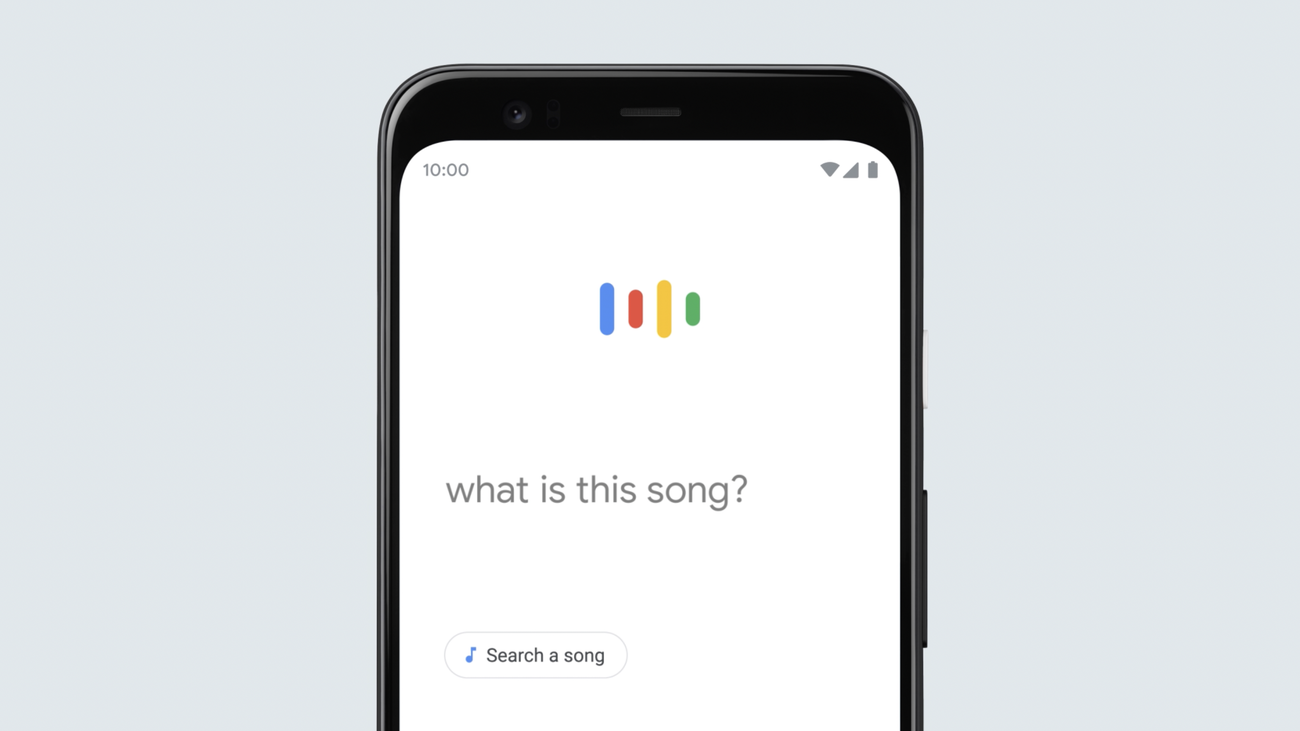
At the heart of identifying a song by sound lies sophisticated audio recognition technology. This isn’t magic; it’s a testament to decades of computer science, signal processing, and artificial intelligence research culminating in algorithms capable of “listening” and “understanding” audio data.
The Science Behind the Sound: Audio Fingerprinting
The primary technology enabling automatic song identification is often referred to as “audio fingerprinting.” Much like a human fingerprint uniquely identifies an individual, an audio fingerprint is a compact, digital summary of an audio passage that uniquely identifies it. When an app “hears” a song, it doesn’t store the entire audio clip. Instead, it extracts specific characteristics – frequency patterns, amplitude variations, unique melodic contours, and rhythmic pulses – and converts them into a unique numerical sequence or hash.
These fingerprints are designed to be robust; they remain consistent even if the audio is noisy, compressed, played at a different volume, or altered slightly. This resilience is crucial because real-world audio is rarely pristine. The app then compares this newly generated fingerprint against a vast database of pre-indexed fingerprints belonging to millions of songs. When a close match is found, the system retrieves the associated metadata: song title, artist, album, and often links to streaming services.
From Analog Waves to Digital Data: How Algorithms Listen
The journey from a sound wave hitting a microphone to a song being identified involves several intricate steps. First, the analog sound waves are converted into a digital signal through an Analog-to-Digital Converter (ADC). This digital representation is then processed. Key stages include:
- Pre-processing: This involves noise reduction, equalization, and normalization to clean up the audio signal and prepare it for analysis.
- Feature Extraction: This is where the “fingerprint” is created. Algorithms analyze various aspects of the sound. For instance, techniques like the Fast Fourier Transform (FFT) break down the audio into its constituent frequencies, allowing the system to understand the spectral content. Other methods might focus on rhythmic patterns or transient events (sudden changes in sound).
- Database Matching: The extracted features are then compared against a massive database. Efficient search algorithms are critical here, as the database can contain fingerprints for tens of millions of songs. These algorithms are optimized to find matches quickly, often using inverted indices or hash tables, similar to how search engines find web pages.
The Role of Machine Learning and AI in Song Identification
While traditional signal processing forms the bedrock, modern song identification systems are heavily augmented by machine learning (ML) and artificial intelligence (AI). ML models are trained on enormous datasets of music to improve accuracy and robustness.
- Enhanced Feature Learning: AI can learn to identify more nuanced and effective features than hand-engineered ones, making the fingerprinting process more sophisticated.
- Contextual Understanding: Some advanced systems can use contextual cues, like the typical sound profile of a specific genre or era, to refine searches.
- Improved Noise Robustness: Deep learning models, particularly convolutional neural networks (CNNs), are exceptionally good at filtering out background noise and focusing on the core musical elements, even in challenging environments like bustling cafes or loud parties. This allows for identification even when the music is barely audible or heavily obscured.
- “Hum to Search” Capabilities: Google’s innovative “hum to search” feature is a prime example of AI’s power. Instead of relying on a precise audio fingerprint, it uses sophisticated machine learning models to map a human hum or whistle to a vast library of melodies, even if the pitch or rhythm isn’t perfect. This goes beyond simple audio matching to a more abstract understanding of musical patterns.
Essential Apps and Digital Tools for Instant Recognition
The theoretical underpinnings of audio recognition are fascinating, but for the average user, the magic happens through intuitive, accessible applications. These apps have democratized song identification, putting powerful tech directly into our pockets.
Shazam: The Pioneer and Powerhouse
Shazam is arguably the most recognized and widely used song identification app, boasting hundreds of millions of users worldwide. Launched in 2002 as a dial-in service, it evolved into a smartphone app that revolutionized how people discover music.
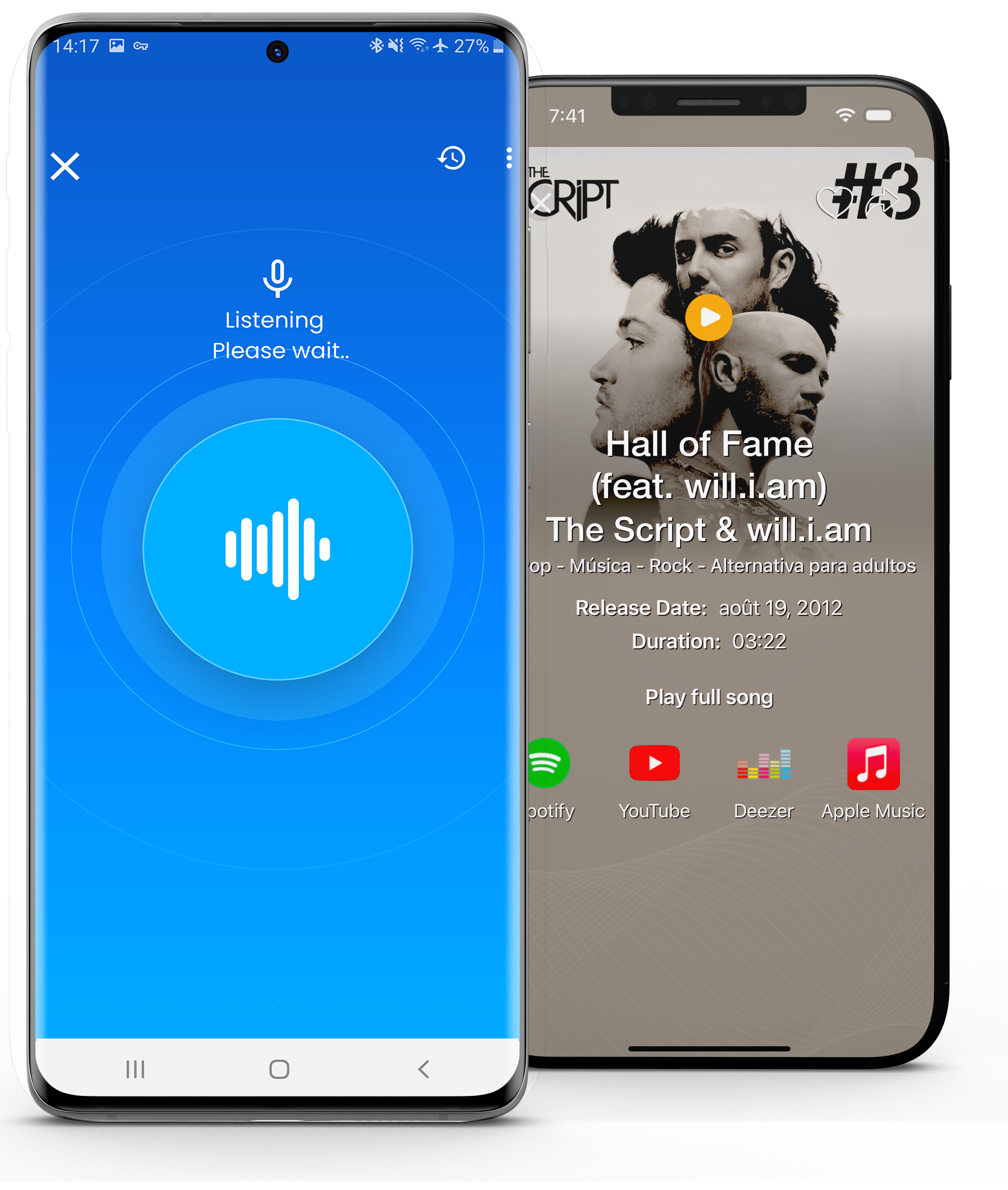
- Core Functionality: With a single tap, Shazam listens to ambient audio, creates an audio fingerprint, and within seconds, displays the song title, artist, and album. It also provides lyrics, links to streaming services (Apple Music, Spotify), and often music videos.
- Integration: Acquired by Apple in 2018, Shazam is deeply integrated into the iOS ecosystem. Users can easily access it via Siri (“Hey Siri, what song is this?”) or through the Control Center, making instant recognition seamless. It remains available on Android and other platforms.
- Discovery Features: Beyond identification, Shazam acts as a discovery tool, allowing users to explore trending Shazams, follow artists, and view their past discoveries.
SoundHound: Beyond Recognition to Discovery
SoundHound emerged as a strong competitor to Shazam, offering similar core functionality but distinguishing itself with unique features.
- Humming and Singing Recognition: One of SoundHound’s standout features is its ability to identify songs even when you hum, sing, or whistle a melody. This pre-dates Google’s similar feature and relies on advanced melodic matching algorithms.
- Voice Control: SoundHound features a robust voice assistant called “Hound” that allows users to issue commands like “OK Hound, what song is this?” or “Play ‘Bohemian Rhapsody’ by Queen,” extending its utility beyond simple identification to music control and search.
- Lyrics and LiveLyrics: The app provides comprehensive lyrics, often synchronized with the music, enhancing the user experience.
Google Assistant & Siri: Your Voice-Activated Music Detectives
Modern voice assistants have integrated song identification as a core feature, making it incredibly convenient for users already invested in their respective ecosystems.
- Google Assistant: On Android devices, Google Assistant (or the Google app) can identify songs by simply asking, “What song is this?” or “Identify this song.” It utilizes Google’s vast music knowledge graph and sophisticated recognition algorithms, including its “hum to search” capability. The identified song often appears with YouTube links, Spotify options, and other relevant information.
- Siri: For Apple users, Siri offers seamless integration with Shazam’s technology. A simple “Hey Siri, what song is playing?” instantly triggers the recognition process. The results are displayed directly on the screen, often with a link to Apple Music.
- Alexa: Amazon’s Alexa, found in Echo devices and other smart speakers, can also identify music playing nearby. You can ask, “Alexa, what song is this?” and it will provide the details. This is particularly useful in a smart home context where a phone might not be immediately at hand.
Other Contenders: Musixmatch, Aha Music, and More
While Shazam and SoundHound dominate, other applications offer valuable alternatives or specialized features:
- Musixmatch: Primarily known for its extensive lyrics database, Musixmatch also includes a powerful song identification feature. Its strength lies in providing real-time, synchronized lyrics for identified songs, making it a favorite for karaoke enthusiasts and those who love to sing along.
- Aha Music: A browser extension and app, Aha Music provides song identification directly within your web browser, useful for identifying music playing in online videos or streams.
- ACRCloud & Gracenote: These are more backend technologies that power many other apps and services. They offer robust audio recognition APIs that developers use to build their own music identification or content monitoring solutions.
Advanced Techniques and Niche Scenarios
While dedicated apps cover most scenarios, there are situations where traditional methods might fall short, or specific tools become more effective.
Humming and Singing: When Words or Apps Fail
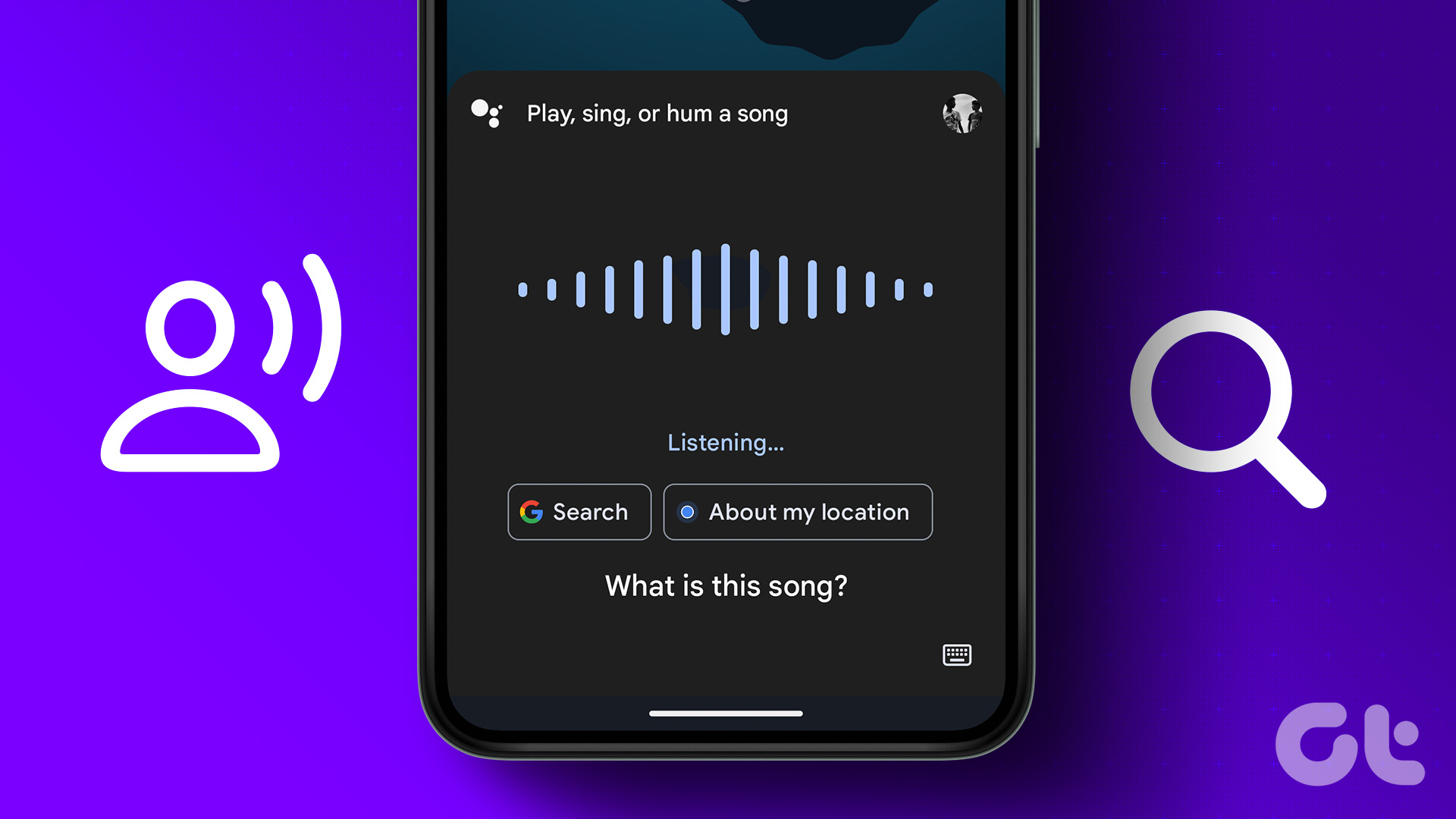
The ability to hum or sing a melody to identify a song is a significant leap in audio recognition, moving beyond direct acoustic matching to melodic pattern recognition.
- Google’s “Hum to Search”: This innovative feature, available through the Google app or Assistant, allows users to hum, whistle, or sing a catchy tune for 10-15 seconds. Google’s AI models analyze the melody, converting it into a numerical sequence that is then compared against a massive database of songs. It doesn’t require perfect pitch or rhythm; the AI is trained to understand the general melodic contour, making it surprisingly effective for those earworm moments when you can’t remember any lyrics.
- SoundHound’s Voice-Based Search: As mentioned, SoundHound was a pioneer in this space, using its own proprietary algorithms to match sung or hummed input to its music database.
These capabilities are particularly useful when you don’t have the original recording playing, or when you only remember a fragment of the melody.
Using Lyrics for Identification: A Digital Detective’s Trick
Sometimes, you might remember a few distinct lines or phrases from a song, but not the melody. In this case, turning to search engines is the most effective tech-driven solution.
- Google Search (or any search engine): Simply typing a memorable phrase or unique string of lyrics into Google, often enclosed in quotation marks for an exact match, can quickly lead you to the song. Combining lyrics with “song” or “lyrics” as keywords (“‘we built this city’ song”) usually yields accurate results.
- Dedicated Lyric Databases: Websites like Genius, AZLyrics, Lyrics.com, and Musixmatch maintain vast databases of song lyrics. Entering even a partial line can often bring up the correct song, artist, and album. These platforms are typically well-indexed by search engines, making them easily discoverable.
This method leverages natural language processing and vast text databases, showcasing a different facet of digital identification.
Community-Driven Solutions: Leveraging the Power of the Crowd
When all automated tech fails, the collective intelligence of online communities can be surprisingly powerful.
- Reddit (r/tipofmy_tongue, r/NameThatSong): These subreddits are dedicated to helping users identify forgotten media, including songs. Posting a detailed description – the genre, instruments, male/female vocals, any remembered lyrics, or even a link to a recording of you humming – can often lead to a successful identification by an enthusiastic community member.
- Music Forums and Fan Sites: Many genre-specific forums or artist fan pages have dedicated sections for song identification. These highly engaged communities often possess deep musical knowledge that goes beyond what algorithms can currently achieve for obscure or niche tracks.
While not strictly an automated “app,” these platforms represent a social technology – the technology of networked human intelligence – that supplements algorithmic solutions.
Optimizing Your Song Identification Experience
To get the most out of these powerful tech tools, a few best practices and troubleshooting tips can enhance accuracy and efficiency.
Tips for Accurate Recognition
- Minimize Background Noise: The clearer the sound reaching your device’s microphone, the better. Move closer to the music source if possible, or try to reduce ambient noise.
- Ensure Sufficient Volume: While apps are robust, they need a detectable signal. If the music is very faint, even the best algorithms might struggle.
- Stable Internet Connection: Most apps require an active internet connection to query their vast online databases. A weak or intermittent connection can lead to identification failures or delays.
- Allow Full Playback: Give the app a few seconds of the song to “listen.” Short snippets, especially intros or outros, can be less unique than the main body of the song.
- Update Your Apps: Developers constantly refine their algorithms and expand their music databases. Keeping your apps updated ensures you have the latest improvements.
Troubleshooting Common Issues
- “No match found”: This often indicates excessive background noise, insufficient volume, or a very obscure song not yet in the database. Try again in a quieter environment or with a louder source.
- Slow Recognition: A slow internet connection is a common culprit. Also, if the app is trying to match a very long or complex audio fingerprint, it might take a few extra seconds.
- App Crashing/Freezing: Ensure your device has enough memory and that the app is updated. Sometimes, a simple restart of the app or your phone can resolve temporary glitches.
- Privacy Concerns: Be mindful of the permissions you grant to these apps (e.g., microphone access, location data). While generally safe from reputable developers, it’s always good practice to review privacy policies.
Data Privacy and Permissions in Audio Recognition Apps
As with any app that accesses your device’s microphone, privacy is a legitimate concern. Reputable song identification apps generally handle data responsibly.
- Microphone Access: This is essential for the app’s core function. Granting this permission allows the app to record short audio snippets for identification.
- Audio Data Usage: These apps typically state that they only process the audio for identification purposes and do not store full conversations or continuous recordings. The extracted audio fingerprints are anonymized and used to improve their services.
- Location Data: Some apps may request location data to provide more localized trending music charts or for analytical purposes. This is usually optional.
- Third-Party Sharing: Review the app’s privacy policy to understand if and how your data (even anonymized data) is shared with third parties. Most leading apps have robust privacy policies in line with industry standards.
The Future of Sound Identification
The evolution of song identification technology is far from over. As AI and computing power continue to advance, we can anticipate even more seamless, powerful, and integrated solutions.
Deeper Integration and Predictive Capabilities
Future iterations of song identification might move beyond reactive listening to proactive prediction. Imagine a smart speaker anticipating your musical tastes and suggesting similar unknown songs based on what’s playing in the background, even before you ask. This would involve real-time, continuous ambient audio analysis coupled with advanced recommendation engines. We could see deeper integration into smart home devices, vehicles, and wearables, making music identification an omnipresent background service.
Enhanced Accessibility and Real-time Processing
Improvements in edge computing and low-latency processing will allow for even faster identification, potentially in real-time without needing to send all data to the cloud. This could enable features like identifying songs in live concert settings with greater accuracy despite complex audio environments. Furthermore, accessibility features will likely expand, assisting individuals with hearing impairments or other disabilities to engage with music identification in new ways.
Beyond Music: Expanding Audio Recognition Applications
The core technology of audio fingerprinting and recognition extends far beyond just identifying songs. We are already seeing its application in:
- Content Monitoring: Broadcasting companies and social media platforms use similar tech to identify copyrighted music in user-generated content, protecting intellectual property.
- Voice Commerce: Voice assistants rely on audio recognition for command understanding.
- Environmental Sound Analysis: Researchers are using audio recognition to identify animal calls, monitor machinery health, or even detect unusual sounds for security purposes.
- Personalized Audio Experiences: Future applications could use real-time sound analysis to dynamically adjust audio settings, recommend podcasts, or provide contextual information based on the sounds around you.
In conclusion, the ability to identify a song by sound is a remarkable achievement of modern technology. From sophisticated audio fingerprinting algorithms and powerful machine learning models to user-friendly apps and integrated voice assistants, the tech landscape has provided an elegant solution to a common human curiosity. As these technologies continue to evolve, our relationship with music discovery will only become more intuitive, seamless, and insightful, promising an even richer auditory future.
aViewFromTheCave is a participant in the Amazon Services LLC Associates Program, an affiliate advertising program designed to provide a means for sites to earn advertising fees by advertising and linking to Amazon.com. Amazon, the Amazon logo, AmazonSupply, and the AmazonSupply logo are trademarks of Amazon.com, Inc. or its affiliates. As an Amazon Associate we earn affiliate commissions from qualifying purchases.