
Las Vegas, a global hub for entertainment, tourism, and conventions, relies heavily on its primary air travel gateway. The main airport serving this vibrant metropolis is Harry Reid International Airport (LAS), formerly known as McCarran International Airport. More than just a transportation hub, LAS stands as a colossal economic engine, playing a pivotal role in the financial prosperity and sustained growth of Southern Nevada. Its operations, infrastructure, and strategic significance are deeply intertwined with the region’s fiscal health, influencing everything from job creation and tourism revenue to international business relations and investment.
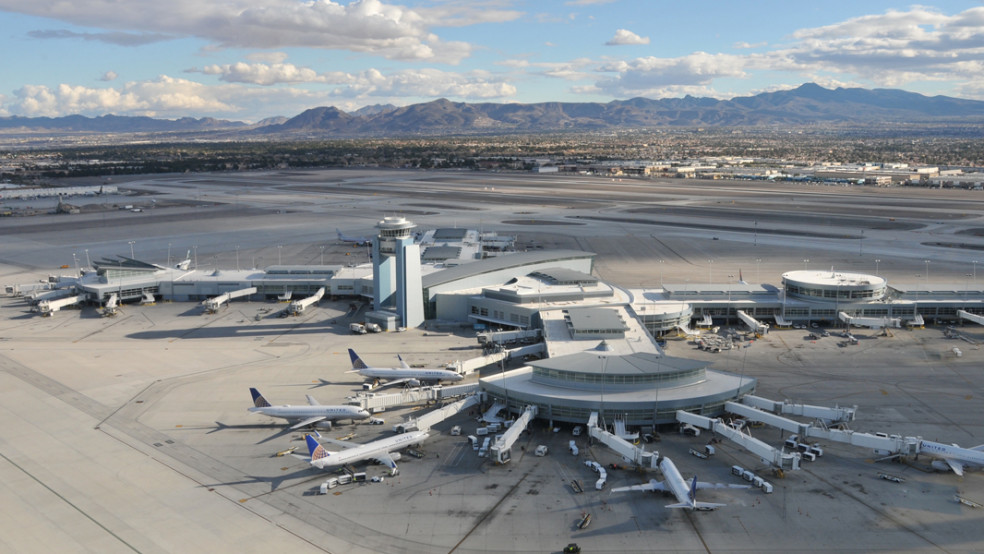
Harry Reid International Airport (LAS): An Indispensable Economic Catalyst
Harry Reid International Airport is not merely a place where planes land and take off; it is a critical artery pumping financial lifeblood into the Las Vegas economy. As one of the busiest airports in the world, LAS facilitates the movement of millions of passengers annually, predominantly tourists and business travelers whose spending drives a significant portion of the local economy. In a typical pre-pandemic year, the airport could see upwards of 50 million passengers, generating billions in direct and indirect economic impact.
The airport’s direct financial contributions are substantial, stemming from landing fees, tenant rents from airlines and concessionaires, parking revenues, and various other operational charges. These funds are reinvested into airport operations, maintenance, and capital improvements, ensuring its continued efficiency and capacity. Indirectly, LAS underpins the entire hospitality sector—casinos, hotels, restaurants, entertainment venues—by delivering their essential customer base. Every passenger arriving at LAS represents potential revenue for the thousands of businesses that comprise Las Vegas’s tourism infrastructure. Beyond tourism, the airport’s efficiency is crucial for convention and trade show attendees, whose high-value spending on hotels, venues, and ancillary services contributes disproportionately to the local economy. The sheer volume of business travel facilitated by LAS makes it an irreplaceable asset for corporate finance and economic development strategies aimed at attracting new businesses and events to the region.
Beyond Passenger Travel: Cargo, Commerce, and Operational Revenue
While passenger traffic garners most of the attention, the financial significance of Harry Reid International Airport extends to its robust cargo operations. Air freight capabilities are vital for local businesses, particularly those involved in time-sensitive logistics, high-value goods, or e-commerce fulfillment. LAS serves as a critical node in national and international supply chains, enabling companies in the region to quickly receive components or ship finished products, thereby enhancing their competitiveness and fostering economic diversification beyond traditional tourism.
The airport’s commercial ecosystem also generates substantial revenue from its extensive network of concessions. Retail stores, dining establishments, duty-free shops, and other services pay rent and a percentage of their sales to the airport authority, creating a steady stream of income that supports operational budgets. These commercial ventures are strategically curated to enhance the passenger experience while maximizing financial returns, embodying a sophisticated blend of customer service and business acumen. Furthermore, ground transportation services, car rental agencies, and parking facilities represent significant revenue streams, contributing to the airport’s overall financial health and its ability to operate independently without relying heavily on local taxpayer funds. The operational autonomy and financial self-sufficiency derived from these diverse revenue streams make LAS a powerful and stable economic entity.
Strategic Investments in Infrastructure and Future Financial Growth
Maintaining and expanding an airport of Harry Reid International’s magnitude requires continuous, substantial financial investment. The airport authority, typically a government-owned enterprise, strategically plans and executes large-scale infrastructure projects designed to enhance capacity, improve efficiency, and future-proof its operations. These investments are often funded through a combination of airport revenue bonds, Passenger Facility Charges (PFCs), federal grants, and state funding.

Airport revenue bonds are a primary financing tool, allowing the airport to borrow money from investors, which is then repaid using future airport revenues. This method ensures that the financial burden falls on airport users and businesses rather than general taxpayers. PFCs, a fee added to airline tickets, are specifically earmarked for FAA-approved capital projects, directly linking passenger contributions to infrastructure improvements that benefit them. Recent and ongoing projects might include terminal expansions, runway modernizations, technology upgrades for security and baggage handling, and improvements to ground transportation links. Each of these investments is evaluated based on its projected return on investment, not just in terms of operational efficiency but also its potential to stimulate further economic growth for the region. These capital expenditures create thousands of construction jobs, and once completed, new or expanded facilities lead to increased capacity, allowing more airlines and flights, which in turn brings more tourists and business travelers, fueling the local economy. The long-term financial foresight embedded in these investment strategies is critical for sustaining Las Vegas’s position as a premier global destination.
The Airport’s Pivotal Role in Business Finance and Convention Tourism
Las Vegas’s reputation as “The Convention Capital of the World” is inextricably linked to the accessibility and efficiency of Harry Reid International Airport. The city hosts hundreds of major conventions, trade shows, and corporate events annually, attracting millions of business travelers whose spending habits significantly differ from leisure tourists. Business travelers typically have higher per diem budgets, stay in higher-end accommodations, and spend more on dining, entertainment, and professional services.
The seamless travel experience provided by LAS is a major selling point for event organizers and corporate planners considering Las Vegas. Reliable air access, coupled with the airport’s proximity to the Strip and convention centers, minimizes travel friction and maximizes productivity for attendees. This ease of access translates directly into financial benefits for the city, influencing hotel occupancy rates, restaurant revenues, and the overall success of the convention industry. Furthermore, the airport facilitates the movement of corporate executives and investors, making Las Vegas an attractive location for corporate headquarters, regional offices, and new business ventures. Companies evaluate logistical considerations, including air travel convenience, when making location decisions. Therefore, a world-class airport like LAS plays a crucial role in the city’s ability to attract and retain corporate investment, diversifying its economic base and creating high-paying jobs in sectors beyond hospitality. The financial health of the convention industry and the broader business landscape in Las Vegas is profoundly dependent on the airport’s capacity and operational excellence.
Navigating Costs: Airport Operations and Revenue Diversification
The successful operation of Harry Reid International Airport involves a complex financial model designed to cover its vast operating expenses while generating revenue for capital projects. The airport’s budget includes substantial outlays for security, air traffic control, maintenance of runways and terminals, utilities, and a large workforce. To meet these costs, the airport employs a diverse set of revenue streams.
Airlines pay landing fees and terminal rents, which are negotiated agreements based on aircraft size, frequency of flights, and space utilized. These charges are a significant portion of airport revenue. Parking facilities, ranging from short-term garages to economy lots, are another major income generator. Concessions, as previously mentioned, provide a steady stream of revenue through lease payments and a percentage of sales. Ground transportation providers, including taxis, ride-shares, and shuttle services, also contribute through fees. The airport authority constantly analyzes and adjusts these revenue sources to ensure financial stability and competitive pricing for its users. Economic fluctuations, such as recessions or global health crises, can significantly impact passenger volumes and, consequently, airport revenues, necessitating agile financial management and contingency planning. The ability of the airport to adapt its financial strategies during periods of both growth and contraction is paramount to its long-term viability and its continued contribution to the regional economy.

Financial Tools and Strategies for Travelers and Businesses Leveraging LAS
For individuals and businesses frequently utilizing Harry Reid International Airport, understanding financial tools and strategies can optimize their travel budgets and operational efficiency. For travelers, leveraging credit card points, airline loyalty programs, and strategic booking platforms can significantly reduce the cost of flights and accommodation. Many premium travel credit cards offer benefits like lounge access, priority boarding, and travel insurance, which enhance the travel experience while providing tangible financial value. Budgeting for airport expenses, including parking, dining, and ground transportation, is crucial for personal finance management.
From a business perspective, effective travel expense management systems are essential for companies sending employees through LAS. Negotiating corporate rates with airlines and hotels, utilizing travel management companies, and implementing robust expense reporting software can lead to substantial savings. For businesses considering relocation or expansion in Las Vegas, proximity to LAS is a key economic factor. The cost of logistics, employee travel time, and ease of access for clients and partners can heavily influence operational budgets and overall profitability. Therefore, a thorough financial analysis of the benefits and costs associated with leveraging LAS’s connectivity is a critical component of strategic business planning in Southern Nevada.
aViewFromTheCave is a participant in the Amazon Services LLC Associates Program, an affiliate advertising program designed to provide a means for sites to earn advertising fees by advertising and linking to Amazon.com. Amazon, the Amazon logo, AmazonSupply, and the AmazonSupply logo are trademarks of Amazon.com, Inc. or its affiliates. As an Amazon Associate we earn affiliate commissions from qualifying purchases.