
The question of “what ingredients are in cigarettes” extends far beyond a simple list of chemical compounds; it delves deeply into the realm of brand strategy, corporate identity, marketing ethics, and regulatory compliance within one of the world’s most scrutinized industries. For tobacco brands, the composition of their product is not merely a manufacturing specification but a foundational element that shapes consumer perception, regulatory challenges, and their very public image. Understanding these ingredients through a branding lens reveals how companies strategically formulate products, navigate disclosure requirements, and manage their reputation in the face of significant public health concerns.
The Core Components: Shaping the Brand’s Fundamental Proposition
At its heart, a cigarette is a complex product engineered to deliver a specific experience, built upon a carefully selected array of ingredients. For tobacco brands, these components are not just raw materials; they are the tangible elements that define the product’s character, its appeal, and ultimately, its place in the market. Each ingredient, from the tobacco itself to the myriad additives, plays a role in crafting the user experience and, by extension, the brand’s fundamental proposition.
Tobacco Blends and Additives: Crafting the Brand Experience
The primary ingredient, tobacco, is rarely a singular leaf. Instead, brands meticulously develop proprietary blends, often combining different types such as Virginia (flue-cured), Burley (air-cured), and Oriental (sun-cured). Each type imparts distinct flavor profiles, burn characteristics, and nicotine levels. Virginia tobacco, for instance, is known for its mild, slightly sweet taste, while Burley offers a robust, often cocoa-like note. The “blend” is a critical brand differentiator, a closely guarded secret that forms the basis of a cigarette brand’s unique identity and taste signature. Marketing efforts often highlight these blends, using terms like “finest Virginia” or “rich American blend” to evoke heritage, quality, and a consistent sensory experience.
Beyond the tobacco itself, numerous additives—some numbering in the hundreds—are incorporated. These are not merely fillers; they are often functional ingredients crucial to the smoking experience and, consequently, to brand loyalty. Humectants like glycerol and propylene glycol prevent the tobacco from drying out, ensuring consistent product quality and shelf life, which directly impacts consumer satisfaction and brand trust. Flavoring agents, such as sugars, cocoa, licorice, and menthol, are perhaps the most strategic additives from a branding perspective. Sugars, for instance, caramelize upon burning, softening the harshness of smoke and making it more palatable, particularly to new or younger smokers. Menthol creates a cooling sensation, masking irritation and making inhalation feel smoother, thereby expanding the product’s appeal to specific demographic segments. The choice and concentration of these additives are deeply embedded in a brand’s strategy to distinguish itself, attract specific consumer profiles, and maintain consistent product characteristics across vast production scales. From a branding perspective, these additives are part of the ‘secret sauce’ that defines a brand’s sensory promise.
The Role of Filters and Paper: Engineering Consumption
While often overlooked, the filter and cigarette paper are integral engineered components that profoundly influence the smoking experience and, therefore, indirectly contribute to brand perception. Filters, typically made from cellulose acetate, are designed to reduce the harshness of smoke by trapping tar and particulate matter. This “smoother” smoke can be a key selling point, positioning certain brands as less abrasive or more refined. Different filter designs, such as charcoal filters or recessed tips, are sometimes introduced as innovations, allowing brands to differentiate their offerings and appeal to specific consumer preferences for a “cleaner” or different draw.
The paper itself also plays a critical role. Its porosity affects the burn rate and ventilation, which in turn influences the concentration of constituents in the smoke. Some brands use specially treated papers that burn more slowly or extinguish themselves if left unattended (Reduced Ignition Propensity or RIP cigarettes), often in response to safety regulations. These features, while primarily functional, can be subtly integrated into a brand’s narrative around quality, engineering, or even safety (where permissible by regulation), subtly reinforcing an image of a considered, well-crafted product.
Transparency, Trust, and the Brand Narrative
In an era of increasing consumer scrutiny and public health awareness, the ingredients in cigarettes become a central point of contention for tobacco brands. How these ingredients are disclosed, or not disclosed, forms a critical part of a brand’s overall narrative, influencing trust, reputation, and public perception.
Regulatory Demands and Brand Disclosure

For decades, the tobacco industry was notoriously opaque about its product’s composition. However, growing regulatory pressures, particularly from health authorities worldwide, have forced greater transparency. Laws in many countries now mandate the disclosure of ingredients, sometimes even requiring quantitative data on emission levels of certain harmful substances. This shift fundamentally alters the branding landscape. Brands can no longer solely rely on evocative imagery; they must contend with publicly available information about their product’s chemical makeup.
For brands, navigating these regulations is a delicate balancing act. While disclosure is mandatory, the manner of presentation can still be strategic. Packaging often includes general statements, while more detailed lists might be relegated to company websites or regulatory reports. The challenge for brands is to comply without overtly drawing attention to the potentially harmful nature of many ingredients. This pushes brands to focus their marketing on other attributes—heritage, taste, consistency—while fulfilling the letter of the law regarding disclosure. The implication of transparency is that brands must now actively manage how complex chemical information impacts their carefully constructed brand image.
The Perception Gap: Marketing vs. Reality
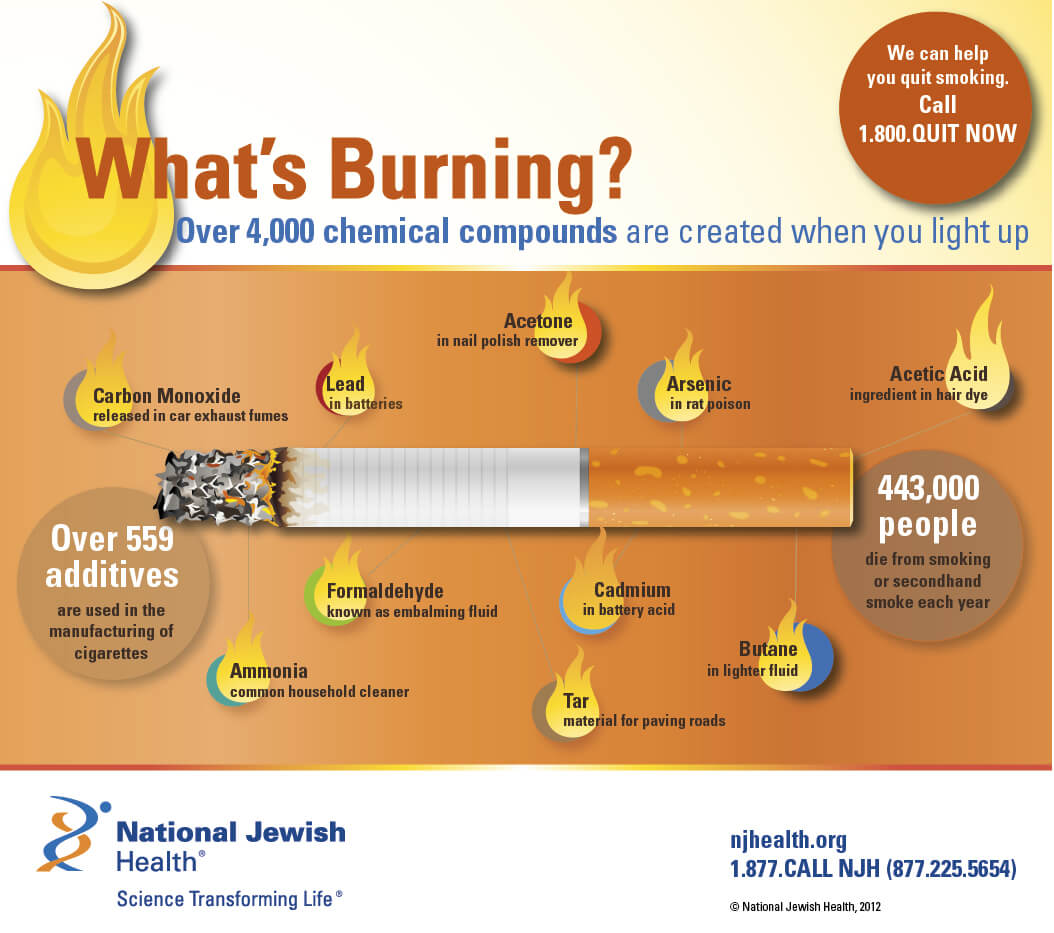
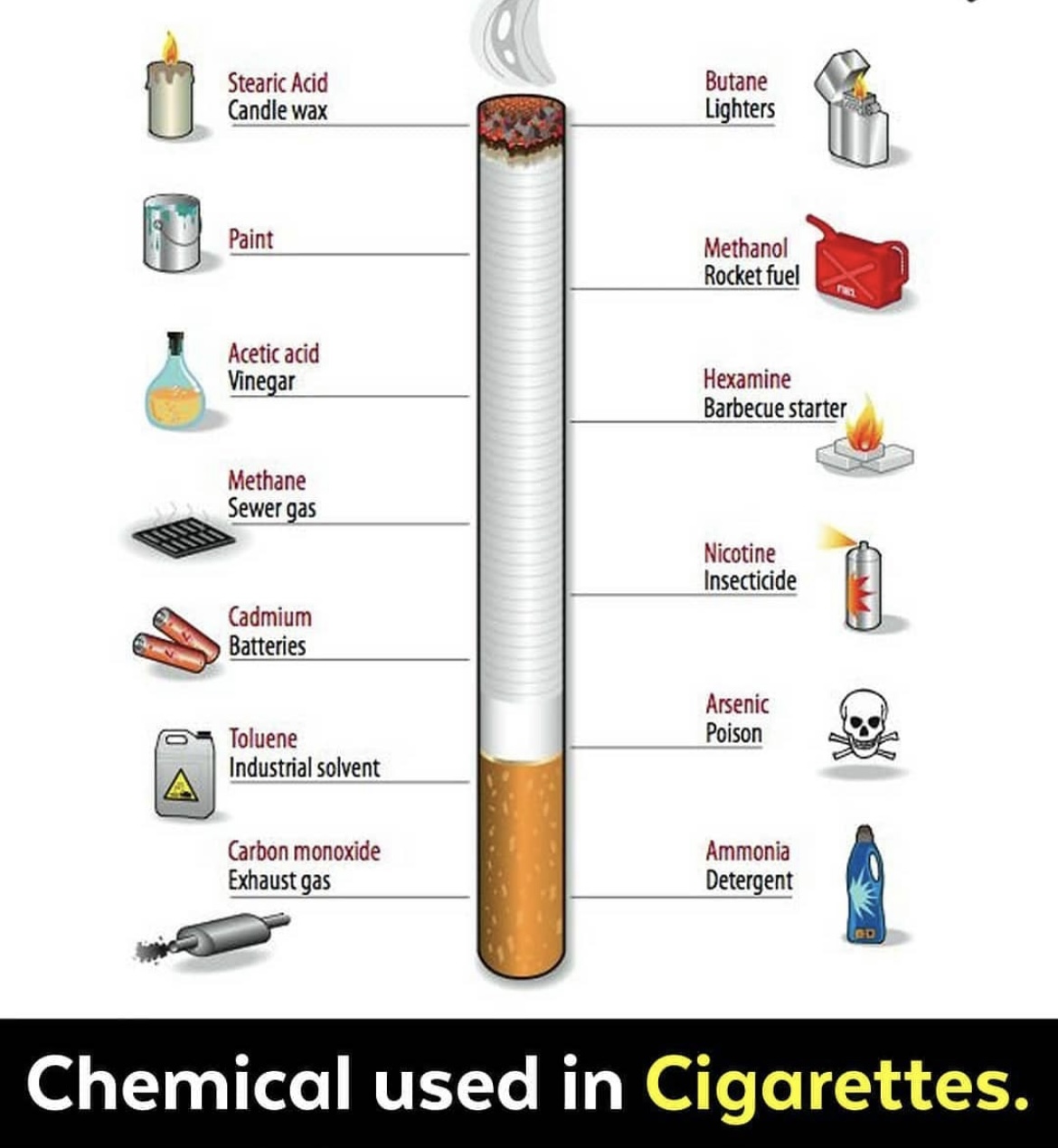
One of the most significant branding challenges for tobacco companies is managing the perception gap between their marketing messages and the often sobering reality of their product’s ingredients. Brands often employ sophisticated marketing to create associations with freedom, sophistication, relaxation, or rebellion. However, the presence of ingredients like ammonia (which enhances nicotine delivery), acetaldehyde (a carcinogen), and countless other chemicals that form during combustion creates a stark contrast.
This dichotomy requires brands to engage in careful communication strategies. They often highlight the “natural” quality of tobacco or the “artisan” nature of their blends, seeking to evoke traditional craftsmanship while downplaying the industrial process and the extensive list of chemical additives. The battle for brand perception in the tobacco industry is, in essence, a continuous effort to control the narrative around a product whose core ingredients are inherently linked to severe health risks. The strategic use of imagery, color, font, and sensory cues (like the “click” of a Zippo lighter or the visual of smoke curling) aims to override the rational understanding of chemical composition with an emotional, aspirational brand experience.
Corporate Identity and Ethical Branding Challenges
The ingredients in cigarettes are not just chemical compounds; they are central to the ethical dilemmas and corporate identity struggles faced by tobacco companies. How a brand addresses the inherent risks associated with its product’s ingredients profoundly shapes its corporate social responsibility (CSR) initiatives, its public relations, and its long-term viability.
Navigating Public Health Concerns
The direct link between cigarette ingredients and numerous diseases, including cancer, heart disease, and respiratory illnesses, places an immense burden on the corporate identity of tobacco brands. Companies cannot escape the fact that their primary product delivers substances directly contributing to widespread public health crises. This reality forces brands to adopt highly defensive and often controversial branding postures. Corporate websites frequently feature sections on “harm reduction” or “responsible marketing,” attempting to frame the brand as part of the solution rather than solely the problem.
This approach requires careful messaging, often acknowledging the health risks while simultaneously emphasizing adult choice and regulatory compliance. The ethical challenge for these brands is to maintain a commercial enterprise that, by its very nature, relies on ingredients that are harmful. Their corporate identity becomes intertwined with a narrative of managing risk, adhering to legal frameworks, and, increasingly, exploring alternative nicotine delivery systems. The choice of specific ingredients, or the decision to remove certain additives, can become a PR opportunity, framed as a step towards “better” products, even if the fundamental risks remain.
Innovation and Future Brand Positioning
Looking forward, the debate over ingredients is a powerful driver for innovation and strategic repositioning within the tobacco industry. As traditional cigarette markets decline in many regions, driven by health campaigns and restrictive policies, brands are increasingly investing in and marketing “reduced-risk products” (RRPs) such as e-cigarettes (vapes) and heated tobacco products. The ingredients in these new products—primarily nicotine, propylene glycol, vegetable glycerin, and flavorings—are fundamentally different from those in traditional cigarettes.
This shift represents a monumental branding challenge and opportunity. Tobacco companies are attempting to redefine their corporate identity as “nicotine companies” rather than solely “cigarette companies.” Their branding for RRPs emphasizes science, technology, and a departure from the “combustion” that characterizes traditional cigarettes. The ingredients in these new products become central to the marketing message, highlighting the absence of tar and many of the thousands of chemicals found in cigarette smoke. For these brands, the focus shifts from managing the negative perceptions of existing ingredients to building trust and credibility around a new set of ingredients, positioning themselves as leaders in a potentially “less harmful” future of nicotine consumption. This strategic pivot, driven by a re-evaluation of product ingredients, is an attempt to secure future market share and reshape their corporate identity for the 21st century.
Ultimately, the ingredients in cigarettes are far more than chemical constituents; they are the bedrock upon which tobacco brands are built, challenged, regulated, and ultimately, forced to evolve. Their presence, disclosure, and impact profoundly shape a brand’s strategy, its relationship with consumers, and its very identity in a complex and often hostile marketplace.
aViewFromTheCave is a participant in the Amazon Services LLC Associates Program, an affiliate advertising program designed to provide a means for sites to earn advertising fees by advertising and linking to Amazon.com. Amazon, the Amazon logo, AmazonSupply, and the AmazonSupply logo are trademarks of Amazon.com, Inc. or its affiliates. As an Amazon Associate we earn affiliate commissions from qualifying purchases.