
The term “Flex Card” has become increasingly prevalent in discussions surrounding personal finance, employee benefits, and government assistance programs. While often used as a generic descriptor, it typically refers to a specialized payment card designed to facilitate spending within specific, pre-defined categories, frequently offering tax advantages or directed aid. These cards are instrumental financial tools, enabling users to access allocated funds for expenses ranging from healthcare and dependent care to wellness initiatives and nutritional support, directly impacting budgeting, savings, and overall financial well-being.
Understanding the Flex Card Landscape
At its core, a Flex Card is a financial instrument that provides controlled access to funds for eligible expenses. Unlike traditional credit or debit cards linked to a broad checking account, Flex Cards are typically tied to specific benefit accounts or programs, each governed by its own set of rules regarding funding, eligible purchases, and usage. Understanding the various iterations of these cards is crucial for maximizing their financial utility.

Origins and Purpose of Benefit Cards
The concept of directed benefit cards evolved from the need to streamline and simplify access to funds allocated for specific purposes, often with tax incentives. Prior to these cards, individuals would typically pay out-of-pocket for eligible expenses and then submit claims for reimbursement, a process that could be cumbersome and delay access to funds. The introduction of Flex Cards, especially in the context of employer-sponsored plans like Flexible Spending Accounts (FSAs) and Health Savings Accounts (HSAs), revolutionized this process by providing immediate point-of-sale access to pre-tax dollars. This shift not only enhanced user convenience but also improved compliance and reduced administrative overhead for plan administrators.
The primary purpose of most Flex Cards is two-fold: to ensure funds are used exclusively for their intended purpose and to provide financial advantages, such as tax savings, to the cardholder. For instance, an FSA Flex Card ensures that pre-tax dollars intended for medical expenses are spent solely on healthcare-related items and services, thereby reducing a user’s taxable income and effectively lowering their out-of-pocket costs. Similarly, government-issued Flex Cards, such as Electronic Benefits Transfer (EBT) cards for food assistance (SNAP), direct funds towards essential nutritional needs, providing a critical safety net.
Distinguishing Between Types of Flex Cards
While the term “Flex Card” is often used broadly, it can encompass several distinct types of financial tools, each with unique characteristics and rules:
- Flexible Spending Account (FSA) Debit Cards: These are perhaps the most common type of Flex Card. Tied to an FSA, they allow employees to use pre-tax payroll deductions to pay for qualified medical expenses (healthcare FSA) or dependent care expenses (dependent care FSA). Funds are typically “use-it-or-lose-it” within a plan year, though some plans offer a grace period or a limited carryover amount.
- Health Savings Account (HSA) Debit Cards: HSAs are distinct from FSAs. They require enrollment in a high-deductible health plan (HDHP). HSA Flex Cards provide access to funds contributed pre-tax (or tax-deductible if self-funded) that grow tax-free and can be withdrawn tax-free for qualified medical expenses. A significant advantage of HSAs is that the funds roll over year to year and are portable, belonging to the individual even if they change employers.
- Health Reimbursement Arrangement (HRA) Debit Cards: HRAs are employer-funded accounts used to reimburse employees for qualified medical expenses. Unlike FSAs or HSAs, employees do not contribute to HRAs. The employer sets the funding limits and eligible expenses. HRA Flex Cards provide direct access to these employer-provided funds.
- Wellness Program Cards: Many employers or health plans offer “wellness” cards as an incentive for healthy living. These cards might be loaded with funds specifically for gym memberships, fitness equipment, weight loss programs, or healthy food purchases, encouraging employees to engage in preventive health measures.
- Government Benefit Cards (e.g., EBT, P-EBT): These cards are issued by government agencies to distribute social welfare benefits. For example, EBT cards are used for SNAP (Supplemental Nutrition Assistance Program) to purchase eligible food items, or for TANF (Temporary Assistance for Needy Families) cash benefits. Pandemic EBT (P-EBT) cards were also issued during specific crises to provide food benefits to eligible children. These cards serve a vital role in supporting low-income individuals and families.
Each type of Flex Card serves a distinct purpose within the broader financial ecosystem, providing targeted solutions for specific financial needs and policy objectives.
The Mechanics of a Flex Card
Understanding how Flex Cards operate is key to utilizing them effectively and avoiding common pitfalls. While they resemble standard debit cards in appearance, their functionality is specifically tailored to ensure compliance with the rules of the underlying benefit program.
How Flex Cards Function Like Debit Cards
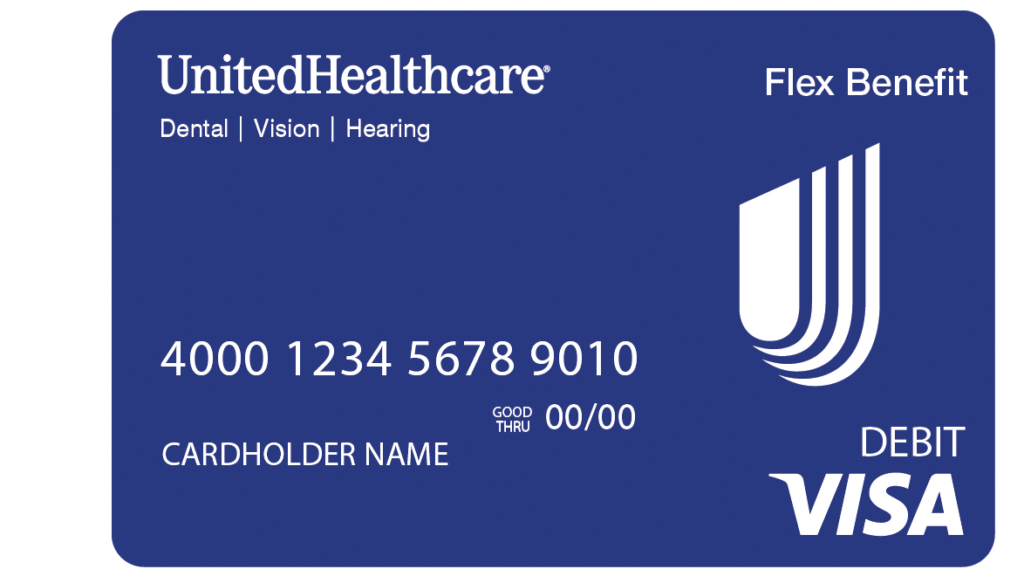
Visually and practically, Flex Cards operate much like standard debit cards. They are typically branded with major payment network logos (e.g., Visa, Mastercard) and can be swiped, inserted, or used online wherever the respective network is accepted. When a purchase is made, the transaction amount is deducted directly from the associated benefit account. However, this is where the similarity largely ends, as a sophisticated verification system works behind the scenes.
Funding Mechanisms and Eligibility
The funding source for a Flex Card varies based on the program it represents. For employer-sponsored benefits like FSAs and HSAs, funds are often contributed through pre-tax payroll deductions, reducing the employee’s taxable income. In the case of HRAs, the employer directly funds the account. Government benefit cards, such as EBT, are loaded directly by the relevant government agency with allocated assistance funds.
Eligibility criteria are equally varied. FSAs and HRAs are typically tied to employment benefits. HSAs require enrollment in a high-deductible health plan. Government benefits have specific income, asset, and household composition requirements. It is critical for users to understand the specific eligibility rules of their card to ensure proper usage and to avoid issues such like account freezes or demands for repayment of ineligible purchases.
The Role of Merchant Category Codes (MCCs)
A crucial element in the functionality of most Flex Cards is the use of an Inventory Information Approval System (IIAS) and Merchant Category Codes (MCCs). Every merchant that accepts card payments is assigned an MCC, which categorizes their business type (e.g., “pharmacy,” “grocery store,” “department store”).
When a Flex Card is used, the system first checks the merchant’s MCC. If the MCC indicates a type of establishment that typically sells eligible items (e.g., a pharmacy for a healthcare FSA card), the transaction may be automatically approved. However, for merchants that sell a mix of eligible and ineligible items (like a supermarket or a general merchandise store), the IIAS system comes into play. The IIAS allows the point-of-sale system to identify and total only the eligible items within a single transaction, approving only that portion of the purchase with the Flex Card. If the merchant doesn’t have an IIAS system, the transaction might be approved based solely on MCC, but the cardholder may be required to submit receipts for “substantiation” later. Failure to substantiate can lead to the transaction being deemed ineligible, requiring the cardholder to repay the amount.
This intelligent backend system ensures that the funds are directed solely towards their intended purpose, upholding the integrity of the benefit program.
Key Benefits and Limitations for Users
Flex Cards offer distinct advantages, particularly in personal finance management, but also come with specific limitations and rules that users must navigate.
Financial Advantages: Tax Savings and Convenience
The most significant financial benefit of many Flex Cards, particularly those linked to FSAs and HSAs, is the tax advantage. Contributions to these accounts are often made with pre-tax dollars, effectively lowering one’s taxable income and resulting in immediate tax savings. This means users are paying for eligible expenses with money that hasn’t been subject to federal, and often state and local, income taxes, making their purchasing power stronger.
Beyond tax savings, Flex Cards offer unparalleled convenience. They eliminate the need for out-of-pocket payments followed by tedious reimbursement claims. Funds are immediately accessible at the point of purchase, simplifying financial transactions for eligible expenses. This direct access can be particularly helpful for managing healthcare costs, enabling individuals to prioritize their health without immediate financial strain.
Common Restrictions and Non-Eligible Purchases
Despite their flexibility, Flex Cards are subject to strict rules regarding what constitutes an “eligible” purchase. These restrictions are imposed by the IRS for tax-advantaged accounts or by program administrators for government benefits and wellness initiatives. Common examples of non-eligible purchases include:
- For Healthcare FSAs/HSAs: Cosmetic procedures, general toiletries, vitamins (unless prescribed by a doctor), health club memberships (unless part of a specific medical treatment plan), and over-the-counter medications not purchased through an IIAS merchant or without a prescription (though this has changed over time with legislative updates).
- For Dependent Care FSAs: Babysitting for recreational purposes, elementary school tuition, or care for children over a certain age (typically 13) unless they have specific disabilities.
- For EBT (SNAP) Cards: Hot prepared foods, alcoholic beverages, tobacco products, pet food, household supplies, and non-food items.
- For Wellness Cards: Items outside of the specified wellness categories, such as general merchandise or entertainment.
Attempting to use a Flex Card for non-eligible purchases will result in the transaction being declined. If an ineligible purchase somehow goes through (e.g., due to an error in the merchant’s system or lack of IIAS), the cardholder will be required to repay the funds.
Managing Your Flex Card: Balances and Reimbursements
Effective management of a Flex Card requires diligence. Users should regularly monitor their account balance to avoid running out of funds or, conversely, losing funds in “use-it-or-lose-it” FSA scenarios. Keeping all receipts for purchases made with a Flex Card is paramount, especially for tax-advantaged accounts. These receipts serve as proof of eligibility and may be required for substantiation by the plan administrator or in the event of an IRS audit.
In instances where a Flex Card cannot be used (e.g., the merchant doesn’t accept the card network, or the purchase requires manual review), individuals may still pay out-of-pocket and submit a manual claim for reimbursement from their benefit account. This process mirrors the pre-card era but still allows access to the funds.
Broader Implications for Financial Planning
Integrating Flex Cards into one’s comprehensive financial planning can yield significant benefits beyond immediate tax savings and convenience, contributing to a more robust and resilient personal financial strategy.
Integrating Flex Cards into Personal Budgets
For individuals and families, Flex Cards offer a powerful mechanism for segmenting and managing specific spending categories. By allocating pre-tax dollars to an FSA or HSA, for instance, a portion of the household’s healthcare budget is effectively “quarantined.” This means that funds intended for medical expenses are clearly separated from other discretionary spending, preventing accidental diversion and ensuring resources are available when health needs arise. This disciplined approach can free up regular after-tax income for other budgetary priorities, such as savings, debt reduction, or entertainment. Similarly, a Dependent Care FSA streamlines childcare cost management, easing the financial burden on working parents.
Maximizing the Value of Employer-Sponsored Benefits
Flex Cards often serve as the gateway to maximizing the value of employer-sponsored benefits. Employers frequently offer a suite of benefits designed to enhance employee well-being and financial security, and Flex Cards are central to accessing these. Understanding the nuances between an FSA and an HSA, for example, is critical. An HSA, with its tax-free growth and portability, can function as a long-term healthcare savings vehicle, even into retirement. Choosing the right account (or combination of accounts) based on anticipated medical expenses, deductible levels, and long-term financial goals can lead to substantial savings over time. Regularly reviewing available benefits and making informed enrollment decisions are key steps in optimizing one’s financial position through these tools.
Future Trends in Flexible Spending Solutions
The landscape of flexible spending solutions is continually evolving. We are seeing trends towards greater integration of various benefits into single, user-friendly platforms, often accessible via mobile apps. Artificial intelligence and machine learning are being deployed to enhance expense verification, potentially reducing the need for manual receipt submission and improving accuracy. Furthermore, there’s a growing focus on expanding “wellness” categories to include broader aspects of holistic health, such as mental health services, financial wellness coaching, and even environmental sustainability initiatives, reflecting a more comprehensive view of employee and individual well-being. These advancements promise to make Flex Cards even more intuitive, integrated, and impactful tools in personal financial management.
Choosing and Using Your Flex Card Effectively
To truly harness the power of a Flex Card, strategic decision-making and meticulous adherence to guidelines are paramount.
Evaluating Different Flex Card Options
The first step in effective Flex Card utilization is selecting the right option. This evaluation should be deeply personal and based on your specific circumstances:
- Health Status and Anticipated Medical Expenses: If you have predictable, recurring medical costs, a Healthcare FSA might be beneficial due to its immediate tax savings. If you anticipate minimal expenses and are enrolled in an HDHP, an HSA offers a powerful triple-tax advantage and long-term savings potential.
- Dependent Care Needs: For parents with children under 13 or dependents requiring care, a Dependent Care FSA can significantly reduce the tax burden associated with childcare.
- Employer Offerings: Understand all benefit programs your employer provides. Some offer wellness cards for specific health-related purchases.
- Financial Goals: Consider if you prioritize immediate tax savings (FSA) or long-term, portable savings (HSA).
- “Use-It-Or-Lose-It” Rule: Be mindful of the FSA rule. Over-contributing to an FSA can lead to forfeiture of unused funds at year-end, though some plans offer carryover or grace period options.
Best Practices for Compliance and Record-Keeping
Once a Flex Card is in hand, disciplined usage and meticulous record-keeping are essential:
- Understand Your Plan’s Specifics: Each plan has its own list of eligible expenses. Consult your plan administrator’s website or literature for precise details. What’s eligible under one plan may not be under another.
- Keep All Receipts: This is perhaps the most critical rule. Even if a transaction is approved by the card’s system, you may later be required to provide a receipt for substantiation. Digital copies are often accepted and can be easier to store.
- Monitor Your Balance: Regularly check your Flex Card balance through your plan administrator’s portal or app to track spending and avoid overspending or leaving funds unused (especially for FSAs).
- Use Authorized Merchants: Ensure you are using your card at merchants that are equipped to process Flex Card transactions, particularly those with IIAS systems for mixed-item purchases.
- Be Aware of Deadlines: For FSAs, be acutely aware of the plan year-end deadline and any grace periods or carryover rules. Plan your spending to exhaust funds appropriately.
- Avoid Misuse: Using a Flex Card for ineligible purchases can lead to serious consequences, including having to repay the funds and potential tax penalties. Always err on the side of caution.
- Contact Your Administrator: If you are unsure about an eligible expense or have a transaction issue, contact your plan administrator directly for clarification.
By adhering to these best practices, individuals can fully leverage their Flex Card as a valuable component of a well-managed personal finance strategy, securing both immediate savings and long-term financial stability.
aViewFromTheCave is a participant in the Amazon Services LLC Associates Program, an affiliate advertising program designed to provide a means for sites to earn advertising fees by advertising and linking to Amazon.com. Amazon, the Amazon logo, AmazonSupply, and the AmazonSupply logo are trademarks of Amazon.com, Inc. or its affiliates. As an Amazon Associate we earn affiliate commissions from qualifying purchases.