
Visa gift cards have become a ubiquitous and convenient financial tool, offering flexibility and control whether you’re giving a gift or managing your own spending. However, unlike traditional debit or credit cards, a common point of confusion arises when users encounter the “cardholder name” field, especially during online transactions. Understanding the distinct nature of a Visa gift card is key to navigating this seemingly simple detail and effectively using your card.
Understanding the Nature of a Visa Gift Card
To grasp the concept of the cardholder name on a Visa gift card, it’s essential to first differentiate it from other payment instruments you might be familiar with. Visa gift cards operate on a prepaid model, which fundamentally alters how personal identification is linked to the card.

Distinguishing Gift Cards from Debit/Credit Cards
Traditional debit and credit cards are inherently linked to a specific individual and their financial accounts. A debit card draws funds directly from a checking account held by an individual, whose name is embossed or printed on the card and registered with the bank. Similarly, a credit card is issued to an approved individual with an established credit history, bearing their name and tied to their credit line. These cards serve as identifiers for the account holder, enabling personalized financial transactions, credit reporting, and detailed account management.
Visa gift cards, in contrast, are distinct. They are prepaid, meaning they carry a set amount of money loaded onto them at the time of purchase. Once that money is spent, the card generally becomes void (though some can be reloaded). Crucially, these cards are typically not tied to a specific bank account or an individual’s personal credit file. Their primary purpose is to provide a fixed amount of spending power, much like cash, but with the added security and convenience of a plastic card that’s accepted wherever Visa is.
The Concept of “Prepaid, Non-Reloadable”
Most Visa gift cards fall into the category of “prepaid, non-reloadable” instruments. This designation is critical to understanding why a traditional cardholder name is absent. When you purchase a Visa gift card, you’re essentially buying a stored value. The transaction is between you (the purchaser) and the issuing entity (often a bank partner of Visa), not between the issuing entity and the eventual recipient of the card.
Because the card is designed for broad usability and often anonymity (from the recipient’s perspective), it doesn’t require the cardholder’s personal details to be printed on it or linked to it in the same way a personalized bank account would. This makes them ideal for gifting, as the giver doesn’t need the recipient’s personal information at the time of purchase, and the recipient doesn’t need to undergo an application process to use it.
The “Cardholder Name” Field: A Closer Look
Given their prepaid and often anonymous nature, Visa gift cards approach the “cardholder name” field differently from personalized financial instruments. This difference is often the source of confusion, particularly when making online purchases.
Defaulting to “Gift Card Recipient” or Similar
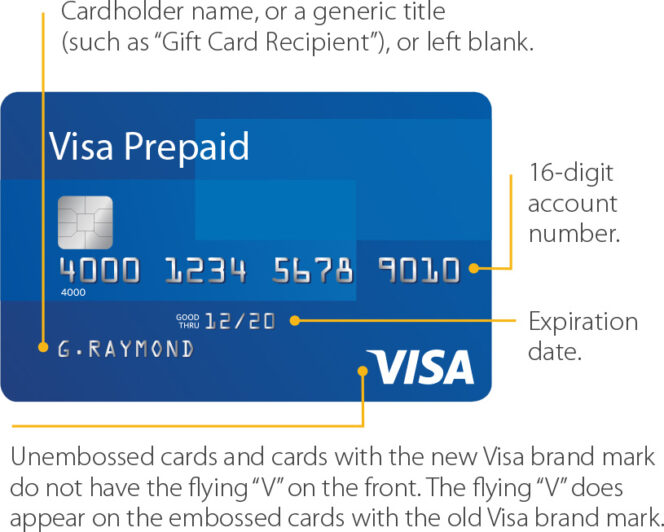
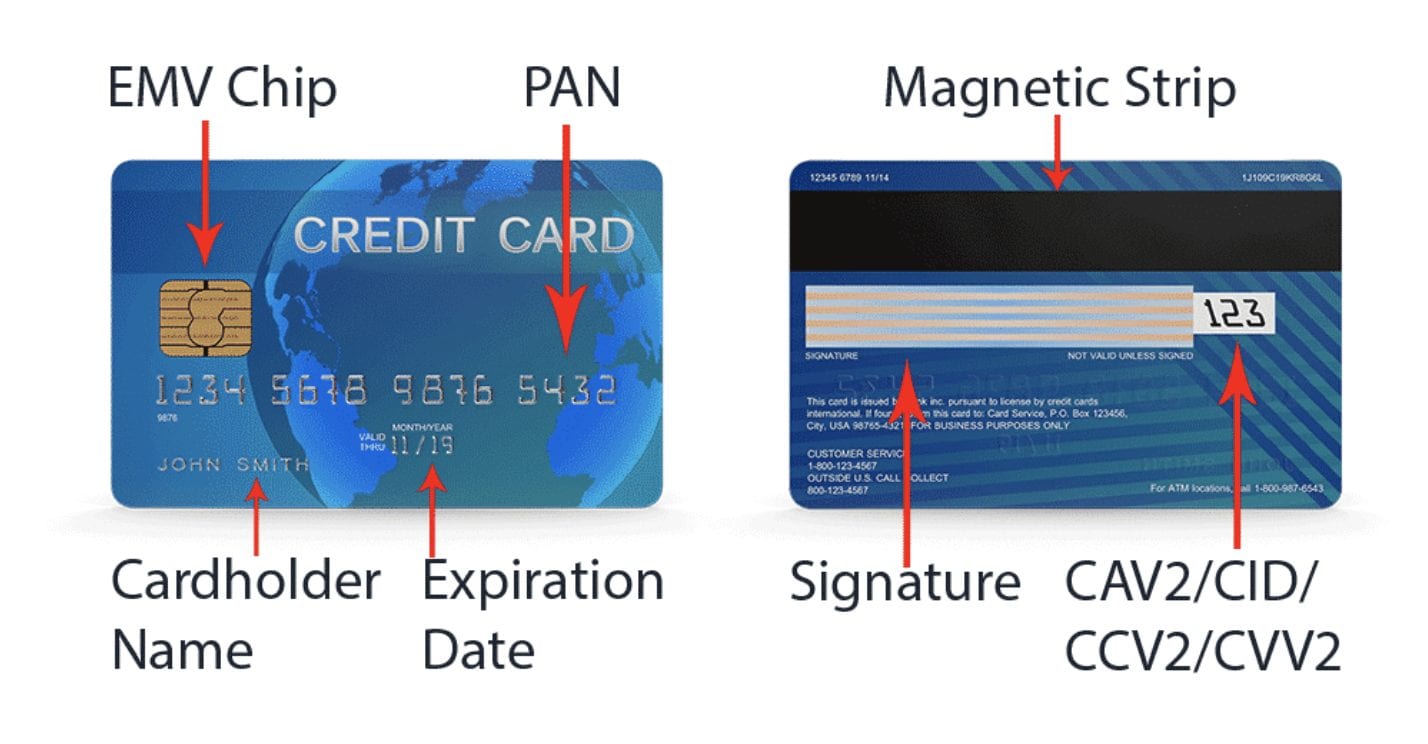
On the physical card itself, you will typically find that the space traditionally reserved for the cardholder’s name is either left blank, displays a generic phrase like “Gift Card Recipient,” “A Gift For You,” or simply “Valued Customer.” Some cards may even be issued without any name field at all, relying solely on the card number, expiration date, and CVV code for identification.
This generic or absent naming convention is a deliberate feature. It reflects the card’s function as a transferable stored value instrument rather than a personal banking product. The card is designed to be usable by whoever possesses it, up to the loaded value. This approach simplifies the gifting process and minimizes the administrative burden for both the issuer and the user.
The Absence of a Personalized Name and Its Implications
The lack of a personalized name on a Visa gift card has several key implications:
- Anonymity (relative): While not truly anonymous in the sense of untraceable currency, the card doesn’t inherently reveal the identity of its current user. This provides a layer of privacy for the recipient.
- Ease of Use: Without the need to link to a specific individual, the activation and usage process is streamlined. There’s no credit check or personal information verification required for the recipient to start spending.
- Potential for Misuse (less so for typical gift cards): The generic nature means that if lost or stolen, the card can be used by anyone who finds it, similar to cash. However, modern gift cards often come with options for registration, which can mitigate this risk.
How Merchants and Online Systems Process Generic Names
When making purchases, particularly online, you might encounter a “cardholder name” field that requires an entry. This is where the generic nature of a Visa gift card can cause hesitation.
- In-store purchases: For most brick-and-mortar transactions, the cardholder name is rarely verified. The transaction relies on the card number, expiration date, and sometimes the CVV/PIN.
- Online purchases: This is where the challenge often arises. Many online payment gateways are designed to process traditional credit and debit cards, which always have an associated cardholder name and often require an Address Verification System (AVS) check.
- Entering “Gift Card Recipient”: For cards that display this phrase, it’s often the correct entry.
- Entering your own name: If the card is registered (a crucial step we’ll discuss next), you should enter the name you used during registration.
- Entering “N/A” or “None”: Some systems may accept generic entries if no registration has occurred, but this is less common.
- Entering the name of the purchaser: While the purchaser initially bought the card, their name is typically not linked to the card’s usage once activated. This is generally not the correct approach unless they are also the registrant.
The key takeaway here is that the system is looking for some name that it can associate with the card, even if that association is generic until you register the card.
Practical Implications for Usage and Security
The unique naming convention of Visa gift cards has significant practical implications for their usage, especially in the digital realm, and for ensuring their security.
Online Purchases and Billing Address Verification (AVS)
One of the most frequent hurdles encountered with Visa gift cards online is the billing address verification system (AVS). Traditional online merchants use AVS to match the billing address provided by the customer with the address on file with the credit card issuer. This is a crucial fraud prevention measure.
Since a Visa gift card is not tied to a personal bank account or a specific individual’s billing address by default, it usually doesn’t have an address on file for AVS. This can lead to declined transactions, even if sufficient funds are available on the card.
Registering Your Gift Card for Enhanced Functionality
This is where card registration becomes indispensable. Most Visa gift card issuers provide an online portal where you can register your card. During this process, you will typically be asked to:
- Create a profile: This involves associating the card with a specific name and address (usually your own, or the recipient’s if you are the giver and providing it for them).
- Provide contact information: Email or phone number for balance inquiries and notifications.
Benefits of Registration:
- Online Purchase Success: By registering your card with your name and billing address, you create the necessary data points for AVS checks to pass successfully. When making an online purchase, you would then enter the registered name and address as the “billing details.”
- Balance Tracking: Registration often allows you to view your card balance and transaction history online, making it easier to manage your spending.
- Fraud Protection/Lost Card Assistance: While not as robust as traditional credit cards, a registered gift card may offer some limited protection if lost or stolen, depending on the issuer’s terms and conditions. Some issuers might be able to block the card and issue a replacement if you’ve registered it and can prove ownership.
Always check the terms and conditions provided with your specific Visa gift card for details on registration and its associated benefits and limitations.
What to Do if a Name is Required?
When faced with a mandatory “cardholder name” field, the best course of action depends on whether you’ve registered the card:
- If the card is registered: Enter the name and billing address exactly as you registered them. This is the most reliable method for online transactions.
- If the card is NOT registered:
- Try “Gift Card Recipient” or “A Gift For You”: If this phrase is printed on the card, try using it.
- Try your own name: Some systems might accept this, especially if combined with a billing address that roughly matches your current location, though success is not guaranteed without formal registration.
- Consider registering the card immediately: If an online transaction is consistently failing, registering the card is usually the most effective solution. This takes only a few minutes on the issuer’s website.
- Use in-store: If online use proves problematic, the card can almost always be used successfully for in-person purchases where AVS is not typically a factor.
Maximizing the Value and Security of Your Gift Card
Beyond understanding the “cardholder name,” responsible management is key to getting the most out of your Visa gift card.
Tracking Your Balance
The most common issue with gift cards is losing track of the remaining balance. Always treat your gift card like cash.
- Check Online: The fastest and most accurate way to check your balance is usually through the issuer’s website, using the card number and sometimes a PIN or security code found on the back of the card. This information is typically provided on the card or its packaging.
- Keep Receipts: Retain receipts for purchases made with the card to help reconcile your spending and track the remaining balance.
- Use the Full Balance: Aim to use the entire balance, even if it means a split tender transaction (using the gift card for a portion and another payment method for the remainder) at the register. Small residual balances are easily forgotten.
Protecting Against Loss or Theft
Because gift cards are essentially cash, their loss can be total.
- Register Your Card: As mentioned, registration can offer some recourse if the card is lost or stolen, though policies vary.
- Keep it Secure: Treat your gift card like a credit card. Don’t leave it in plain sight or in an easily accessible location where it could be misplaced or taken.
- Record Details: Jot down the card number, expiration date, and security code (CVV) in a secure, separate place. If the physical card is lost, this information might be required for any recovery efforts, if permitted by the issuer.
Understanding Fees and Expiration Dates
While Visa gift cards offer convenience, they are not entirely without costs or limitations.
- Activation Fees: These are typically paid by the purchaser at the time of purchase and are separate from the card’s loaded value.
- Maintenance Fees: Some cards may levy monthly inactivity fees if the card isn’t used for a certain period (e.g., 12 months). Federal regulations often dictate that these fees cannot be charged within the first year of inactivity.
- Expiration Dates: While federal law states that funds on gift cards cannot expire for at least five years from the date of activation or last load, the card itself may have an earlier expiration date. If the card expires, you can usually request a replacement card with the remaining balance from the issuer, though a fee might apply. Always check the terms and conditions for details.
Beyond the Name: A Tool for Financial Convenience
Ultimately, understanding the nuances of the “cardholder name” on a Visa gift card allows you to fully leverage this versatile financial tool.
Budgeting and Gifting
For personal finance, Visa gift cards can serve as an excellent budgeting tool. Loading a specific amount for discretionary spending on a gift card can help you stick to a budget for categories like entertainment, dining out, or online shopping, preventing overspending from your primary bank accounts. As a gift, they offer the recipient the ultimate flexibility to choose exactly what they want or need, making them a consistently popular choice.
Considerations for International Use
While Visa is a globally accepted network, using a Visa gift card internationally can sometimes be tricky.
- Currency Conversion Fees: If used in a currency other than its loaded currency, the card may incur foreign transaction fees.
- Issuer Restrictions: Some gift cards are issued for domestic use only. Always check the terms and conditions for international usage policies.
- Registration for International Online Purchases: For international online merchants, registering the card with a billing address is even more critical, as AVS checks can be stricter across borders.
In conclusion, while the “cardholder name” on a Visa gift card may seem like a minor detail, it reveals much about the card’s function as a prepaid financial instrument. By understanding its generic nature and the importance of registration, users can confidently navigate both online and in-person transactions, maximizing the utility and security of their gift cards.
aViewFromTheCave is a participant in the Amazon Services LLC Associates Program, an affiliate advertising program designed to provide a means for sites to earn advertising fees by advertising and linking to Amazon.com. Amazon, the Amazon logo, AmazonSupply, and the AmazonSupply logo are trademarks of Amazon.com, Inc. or its affiliates. As an Amazon Associate we earn affiliate commissions from qualifying purchases.