
When Luka Šulić and HAUSER, the virtuosic duo known collectively as 2CELLOS, announced their final tour in 2022, it sent shockwaves through the music industry. However, for those observing from a brand strategy perspective, the dissolution was not a tragic accident, but a textbook example of a masterfully managed brand lifecycle. The duo’s transition from an internet-born sensation to a global touring powerhouse, and finally to individual entities, provides a masterclass in how personal branding must eventually reconcile with the constraints of a collective corporate identity.
The Architecture of the 2CELLOS Brand Identity
The rise of 2CELLOS was predicated on a brilliant piece of disruptive branding. By taking the traditionally staid, high-culture instrument of the cello and applying it to high-octane pop and rock anthems, they bridged the gap between classical elitism and mass-market accessibility. This was not merely musical talent; it was a strategic repositioning of the instrument as a modern, high-energy vehicle for entertainment.

The Power of Duality and Contrast
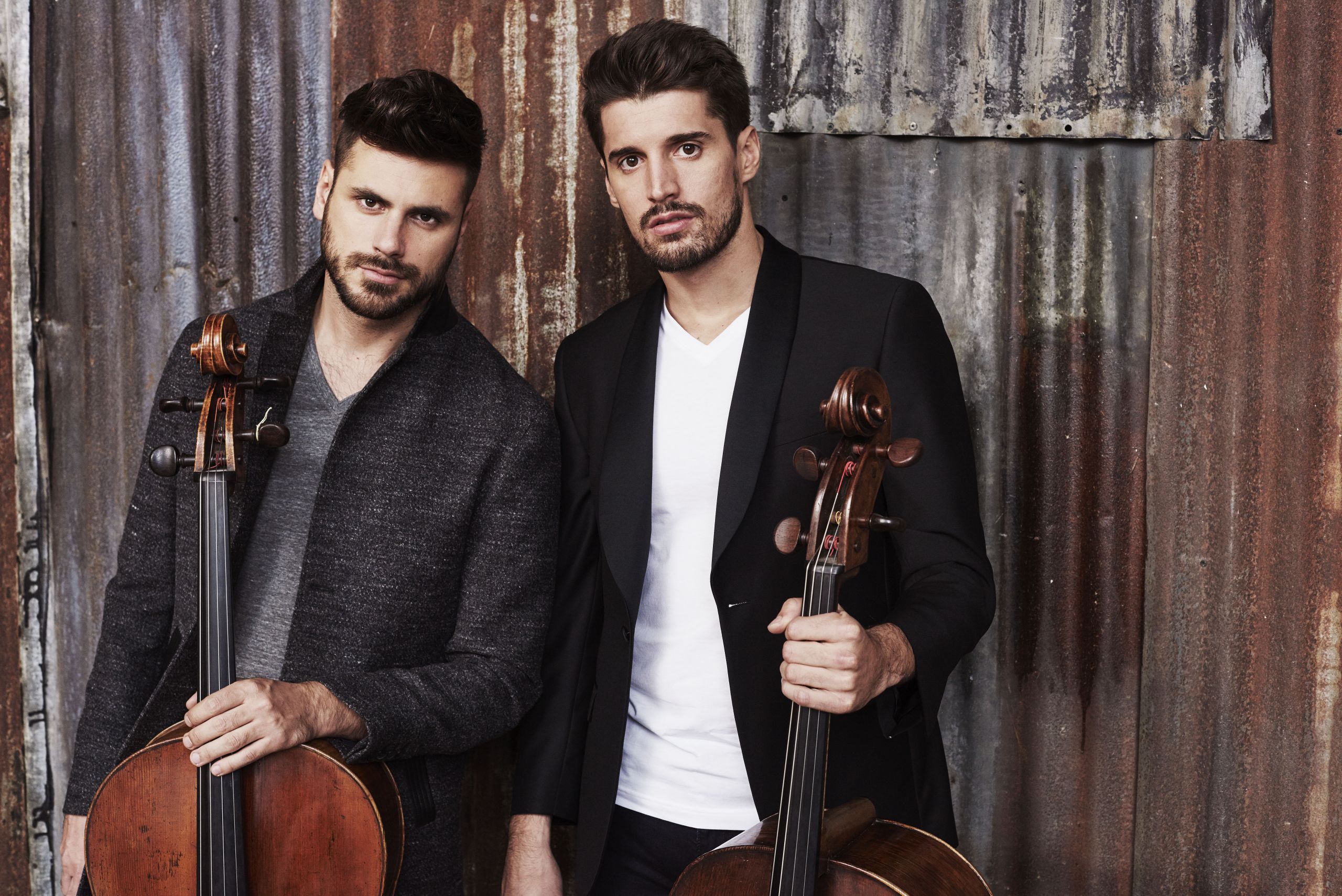
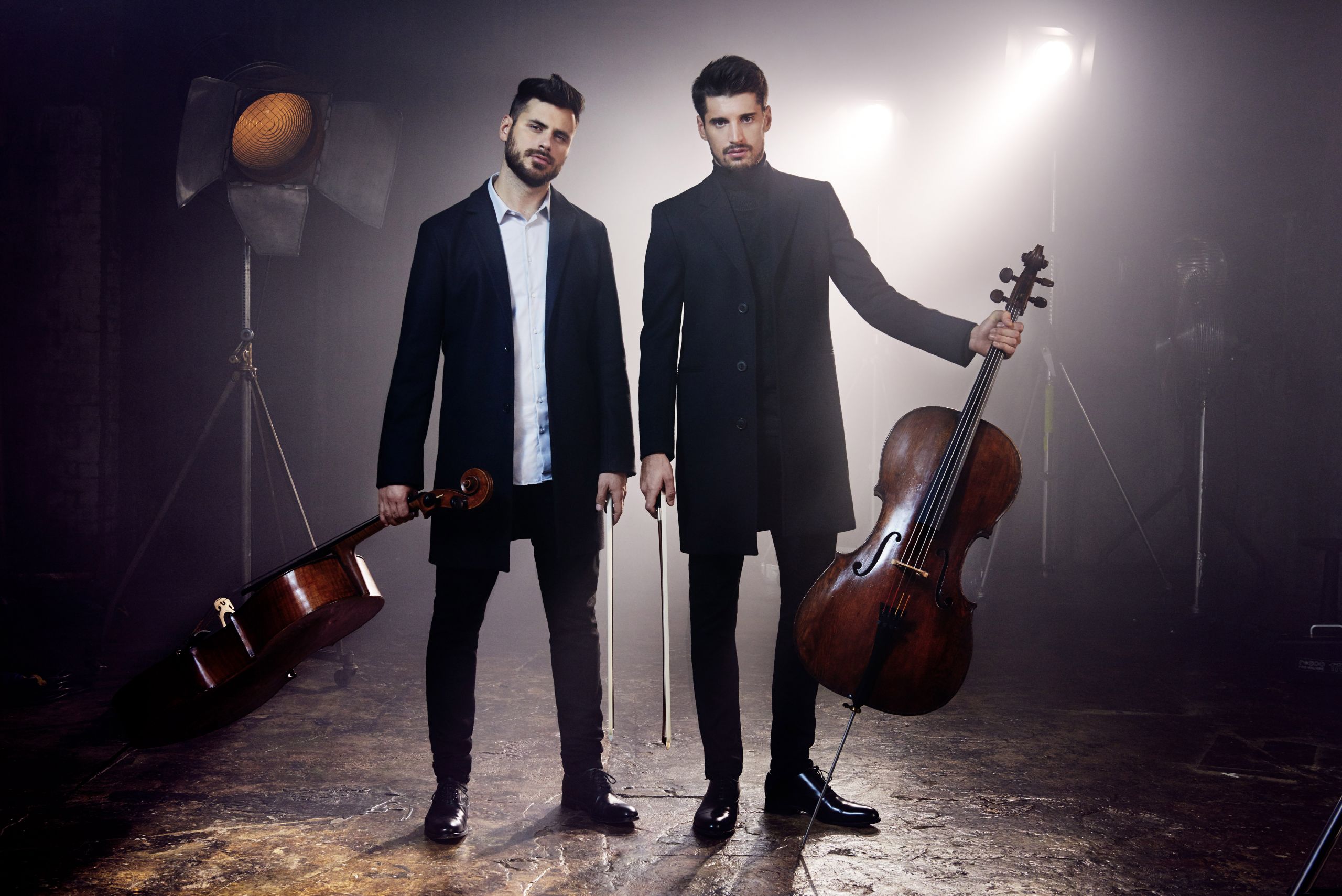
From a design and marketing standpoint, the 2CELLOS brand thrived on the contrast between the performers’ formal backgrounds and their rebellious, rock-star personas. Their marketing collateral—often featuring monochromatic aesthetics juxtaposed with aggressive stage lighting—communicated a clear value proposition: “Classical skill, rock and roll soul.” This duality became their unique selling proposition (USP), allowing them to occupy a market niche where no direct competitors existed. By controlling the narrative of being “the guys who make cellos cool,” they built a global brand that transcended language and geography.
Digital-First Brand Building
Long before social media marketing was a standard prerequisite for musical success, 2CELLOS leveraged early YouTube virality to establish their baseline equity. Their breakout cover of Michael Jackson’s “Smooth Criminal” was a foundational case study in digital content strategy. They understood that in the attention economy, the “hook” is everything. By treating their music videos like premium product advertisements—polished, visually striking, and shareable—they effectively bypassed traditional music industry gatekeepers, building an owned audience that belonged to the brand, not a label.
Scaling the Brand: Managing a Global Corporate Entity
As 2CELLOS moved from viral clips to global stadium tours, the brand shifted from a project into a corporate entity. Maintaining this momentum required a sophisticated strategy that balanced consistency with burnout prevention.
Consistency vs. Creative Stagnation
A primary challenge in brand strategy is maintaining the integrity of the brand promise while keeping the product fresh. For 2CELLOS, this meant adhering to a rigid stylistic formula: the explosive cover, the dramatic edit, and the high-production value stage performance. While this consistency fueled their growth, it also created a “brand trap.” When a brand is built on a specific, recognizable gimmick, the individuals behind that brand often struggle to evolve without breaking the brand promise. This is a common phenomenon in corporate identity management: eventually, the brand becomes a cage for the creators.
The Role of Personal Branding within a Partnership
Throughout the 2CELLOS era, Luka Šulić and HAUSER maintained distinct personal brands, even as they functioned under the collective umbrella. HAUSER leaned heavily into the “enigmatic, flamboyant rock star” archetype, while Šulić leaned into the “technical virtuoso and family man” narrative. This diversification was a clever hedge. By cultivating individual followings, they ensured that when the 2CELLOS brand was eventually sunsetted, the equity would successfully transfer to their individual solo projects. This is a hallmark of sophisticated brand architecture: ensuring that the sub-brands (the individuals) remain viable even if the parent brand is retired.
The Strategic Exit: Why Sunset the Brand?
The decision to end 2CELLOS was a strategic choice to preserve the integrity of the brand, rather than letting it dilute through creative exhaustion. In brand management, knowing when to terminate a project is as important as knowing how to launch one.
Avoiding Brand Dilution
Many successful acts suffer from “brand fatigue,” where the quality of the output declines as the artists lose passion for the act, inevitably leading to a downward spiral in reputation. By choosing to end 2CELLOS at the height of their success, the duo protected their legacy. They avoided the “nostalgia trap” where a brand continues to perform long after its relevance has waned. By opting for a clean break, they turned the end of the partnership into a final, high-value asset, leveraging the “Farewell Tour” as a massive marketing event that maximized financial return while preserving the brand’s premium status.
The Economics of Solo Rebranding
The transition to individual careers is essentially a rebranding exercise. Upon exiting the 2CELLOS framework, both artists had to immediately pivot their digital and personal brand identities to reflect their new solo mandates.
- HAUSER: His solo brand focuses on cinematic, high-fashion, and slightly provocative content, doubling down on the personality-driven marketing that made him a social media titan.
- Luka Šulić: His solo direction leans into the classical virtuoso path, appealing to his core demographic’s appreciation for technical skill and musical complexity.
By separating, they essentially doubled their market reach, allowing them to target distinct segments of their original audience. This is a strategic move often seen in successful venture capital portfolios, where a single entity spins off into two independent, more agile players to better capture specific market shares.
Lessons in Legacy and Sustained Equity
The “what happened” to 2CELLOS is ultimately a success story of professional brand management. They proved that a creative partnership is a business asset that, like any other, has a maturation cycle.
The Importance of Brand Stewardship
The duo treated their collaboration as a business asset from day one. Their choice to focus on visual storytelling, high-end production, and audience engagement ensured that the brand wasn’t just a collection of songs, but a recognizable identity that could be leveraged across merchandise, tours, and digital platforms. This level of stewardship is what allows an artist to move from a “musician” to a “brand.”
Future Outlook for Individual Equity
The legacy of 2CELLOS serves as a launching pad for the individual careers of Šulić and HAUSER. Because they managed the transition with transparency and clear branding, the audience didn’t feel abandoned; they were effectively “re-marketed” to the individual artists. This transition highlights a crucial insight for any brand strategist: the death of a brand is not necessarily the death of its influence. When the underlying identity is strong and the individual components are well-defined, the brand’s equity persists in the personal brands of its constituents.
In the final analysis, 2CELLOS didn’t “fail” or “break up” in the traditional, chaotic sense of the word. They executed a managed dissolution, successfully harvesting the equity they built and reinvesting it into two distinct future enterprises. For the branding professional, their journey is a masterclass in how to build an identity, scale it to global dominance, and exit with the brand’s reputation completely intact. Their story is a reminder that in both music and business, the greatest acts are those that know exactly when the curtain should fall.
aViewFromTheCave is a participant in the Amazon Services LLC Associates Program, an affiliate advertising program designed to provide a means for sites to earn advertising fees by advertising and linking to Amazon.com. Amazon, the Amazon logo, AmazonSupply, and the AmazonSupply logo are trademarks of Amazon.com, Inc. or its affiliates. As an Amazon Associate we earn affiliate commissions from qualifying purchases.