
For many, the paycheck is a highly anticipated document, marking the reward for hard work and dedication. Yet, a quick glance often reveals a stark difference between the “gross pay” — your total earnings before any deductions — and the “net pay,” the actual amount deposited into your bank account. This discrepancy often sparks the question: “What exactly is sitting on my paycheck?” Understanding the various deductions, both mandatory and voluntary, is a crucial step towards true financial literacy and effective personal finance management. These deductions are not simply amounts subtracted; they represent contributions to public services, future security, and personal well-being.
The Essentials: Mandatory Deductions You Can’t Avoid
The first layer of deductions on your paycheck consists of non-negotiable contributions to government programs and taxes. These are legally required and apply to nearly all wage earners.
Federal Income Tax Withholding
This is arguably the largest deduction for most individuals. The U.S. federal government collects income tax to fund a vast array of public services, from national defense and infrastructure to education and healthcare. The amount withheld from your paycheck is an estimate of your annual tax liability, calculated based on the information you provide on your W-4 form. Factors like your filing status, the number of dependents, and any additional income or deductions you anticipate all play a role in determining how much is withheld. Incorrect withholding can lead to a large tax bill or a significant refund at tax time, highlighting the importance of regularly reviewing your W-4.
State and Local Income Taxes (Where Applicable)
Beyond federal taxes, many states and some local municipalities also impose their own income taxes. These vary widely across jurisdictions. Some states, like Texas and Florida, have no state income tax, while others, such as California and New York, have progressive tax structures that can significantly impact your take-home pay. Local taxes, often referred to as city or county taxes, are less common but can add another layer of deductions depending on where you live and work. These taxes fund state and local services, including schools, roads, and emergency services.
FICA Taxes: Social Security and Medicare
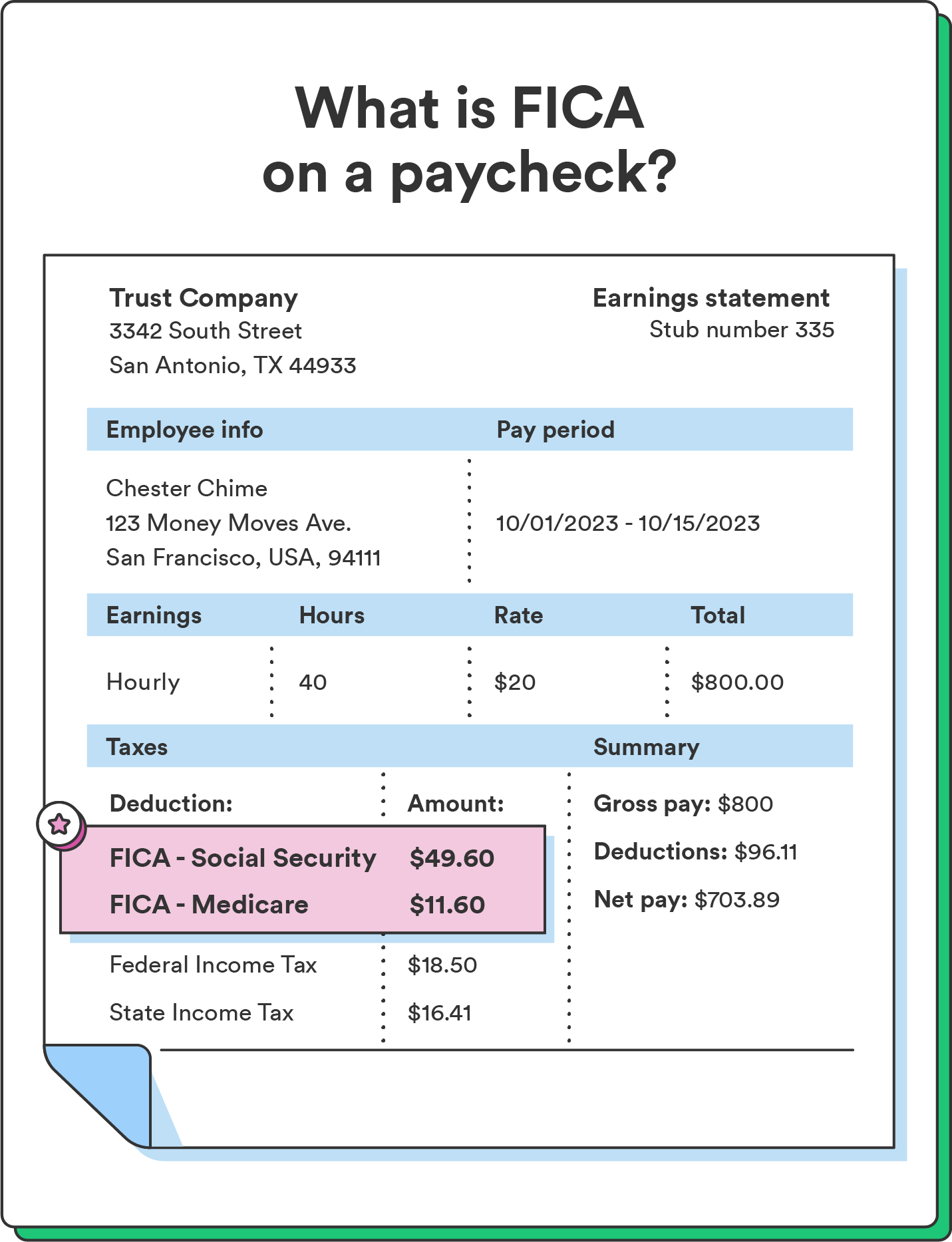
The Federal Insurance Contributions Act (FICA) mandates contributions to two critical social insurance programs: Social Security and Medicare.
- Social Security: This program provides retirement, disability, and survivor benefits. Employees contribute a set percentage of their earnings up to an annual maximum income threshold. This deduction is a long-term investment in your future security and that of your family.
- Medicare: This federal health insurance program primarily serves individuals aged 65 or older, as well as some younger people with disabilities. Unlike Social Security, there is no income limit for Medicare taxes; a fixed percentage of all your earnings is contributed.
Both Social Security and Medicare taxes are shared between employees and employers, with each paying half of the total contribution. These deductions are foundational to the social safety net that protects millions of Americans.
Other Mandatory Deductions
Depending on your state of residence, you might encounter other mandatory deductions. For example, some states require contributions to state disability insurance (SDI) programs, which provide temporary benefits to workers who are unable to work due to non-work-related illness or injury. Similarly, state unemployment insurance (SUI) is often paid by employers, but in some instances, employees may contribute a small portion.
Beyond the Basics: Voluntary Deductions That Serve Your Future
While mandatory deductions are non-negotiable, a significant portion of what sits on your paycheck can also be attributed to voluntary deductions. These are chosen by you, often through your employer, and typically represent investments in your health, financial future, and personal well-being. Making informed decisions about these can be a powerful tool in your personal finance strategy.
Health Insurance Premiums
If you receive health insurance through your employer, your share of the premium is almost certainly deducted directly from your paycheck. This can be a substantial amount, but it provides vital protection against potentially catastrophic medical expenses. Understanding your plan’s coverage, deductibles, co-pays, and out-of-pocket maximums is essential to evaluating the value of this deduction. Many employers offer a choice of plans (HMOs, PPOs, HDHPs), allowing you to select one that best fits your healthcare needs and budget.
Retirement Plan Contributions (401(k), 403(b), etc.)
One of the most impactful voluntary deductions is your contribution to an employer-sponsored retirement plan, such as a 401(k) for private sector employees or a 403(b) for non-profit and public sector workers. These contributions are typically pre-tax, meaning they reduce your taxable income for the current year, providing an immediate tax benefit. Many employers also offer matching contributions, essentially free money that significantly boosts your retirement savings. Maximizing these contributions, especially up to the employer match, is often cited as one of the smartest financial moves an individual can make due to the power of compound interest and tax advantages.
Flexible Spending Accounts (FSAs) and Health Savings Accounts (HSAs)
These accounts allow you to set aside pre-tax money for specific expenses.
- Flexible Spending Accounts (FSAs): Primarily used for healthcare and dependent care expenses, FSAs allow you to contribute pre-tax dollars. The main drawback is the “use-it-or-lose-it” rule, meaning funds typically must be spent within the plan year (though some plans offer a grace period or limited carryover).
- Health Savings Accounts (HSAs): Available only to those with high-deductible health plans (HDHPs), HSAs offer a triple tax advantage: contributions are pre-tax, earnings grow tax-free, and withdrawals for qualified medical expenses are tax-free. Unlike FSAs, HSA funds roll over year to year and are portable, making them a powerful tool for long-term health savings and even retirement planning.
Life and Disability Insurance
Beyond basic group coverage, many employers offer the option to purchase supplemental life or disability insurance through payroll deductions. While these might seem like extra costs, they provide crucial financial protection for you and your loved ones in the event of unexpected illness, injury, or death, ensuring income replacement or financial support during difficult times.
Union Dues or Professional Fees
If you are part of a labor union or a professional organization that your employer facilitates payments for, these dues or fees will also be deducted from your paycheck. These contributions typically support collective bargaining efforts, professional development, and networking opportunities.

Understanding Your Pay Stub: A Key to Financial Literacy
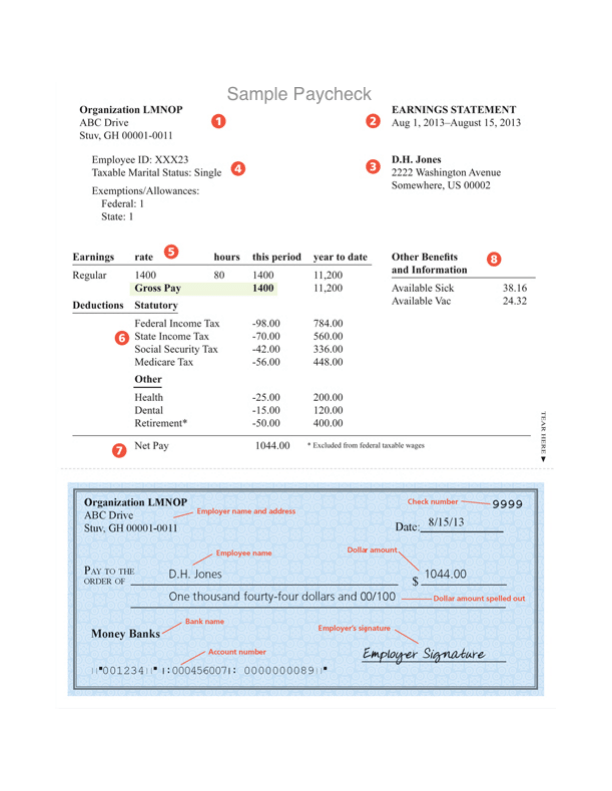
Your pay stub is more than just a receipt; it’s a comprehensive breakdown of your earnings and deductions. Learning to read and understand it is a fundamental aspect of financial literacy.
Gross vs. Net Pay
The distinction between gross pay and net pay is paramount. Gross pay is your total compensation before any deductions are taken out. Net pay, also known as take-home pay, is the amount you actually receive after all taxes, benefits, and other deductions have been subtracted. Focusing solely on gross pay without understanding the deductions can lead to an inflated sense of your actual disposable income.
Decoding Withholding Allowances and Tax Brackets
Your W-4 form dictates your withholding allowances, influencing how much federal income tax is withheld. The fewer allowances you claim, the more tax will be withheld, potentially leading to a larger refund but less take-home pay. Conversely, more allowances mean less tax withheld, increasing your take-home pay but potentially leading to a tax bill. Understanding your marginal tax bracket (the tax rate on your last dollar of income) helps you contextualize how much of your earnings goes to taxes.
The Impact of Pre-Tax vs. Post-Tax Deductions
The order and type of deductions matter significantly.
- Pre-tax deductions (e.g., 401(k) contributions, health insurance premiums, FSA/HSA contributions) are taken out of your gross pay before federal, state, and sometimes FICA taxes are calculated. This reduces your taxable income, lowering your overall tax liability for the year.
- Post-tax deductions (e.g., Roth 401(k) contributions, union dues, supplemental life insurance) are taken out after all applicable taxes have been calculated and withheld. While they don’t offer an immediate tax break, some (like Roth contributions) provide tax-free withdrawals in retirement.
Strategies to Optimize Your Take-Home Pay (Within Reason)
While many deductions are fixed, there are proactive steps you can take to manage what sits on your paycheck, potentially increasing your net pay or optimizing your overall financial picture.
Adjusting W-4 Withholding
Regularly review your W-4 form, especially after major life events like marriage, divorce, having a child, or changing jobs. Adjusting your withholding allowances can help ensure you’re not overpaying or underpaying taxes throughout the year. The goal is often to have your withholding closely match your actual tax liability, avoiding large refunds (which means you effectively gave the government an interest-free loan) or unexpected tax bills. The IRS Tax Withholding Estimator is a valuable tool for this.
Maximizing Pre-Tax Benefits
Leverage employer-sponsored pre-tax benefits like 401(k)s, FSAs, and HSAs. Not only do these plans help you save for the future or cover essential expenses, but they also reduce your current taxable income. For every dollar you contribute to a pre-tax account, you reduce the income on which you pay federal and often state income taxes, leading to an immediate boost in your effective take-home pay.
Reviewing Insurance Coverage
Periodically assess your health, life, and disability insurance coverage. Are you paying for more coverage than you need? Could you get a similar benefit at a lower cost elsewhere? While insurance is vital, over-insuring or having redundant policies can unnecessarily reduce your take-home pay. Conversely, ensure you have adequate coverage to protect your financial security, especially as your life circumstances change.
Exploring Tax Credits and Deductions (at Tax Time)
While these don’t directly impact your paycheck deductions, understanding available tax credits and deductions can significantly reduce your overall tax liability, potentially leading to a larger refund or smaller payment when you file your annual taxes. Educate yourself on common credits like the Child Tax Credit, Earned Income Tax Credit, or deductions for student loan interest or IRA contributions.
The Long-Term View: How Paycheck Deductions Build Wealth and Security
While the immediate reduction in your take-home pay might feel restrictive, many deductions are strategic investments that contribute to your long-term financial health and security.
Retirement Savings: The Power of Compound Interest
Contributions to your 401(k) or 403(b) are perhaps the most potent example. While reducing your current income, these funds grow over decades, often with employer matching, benefiting from compound interest. The cumulative effect can be staggering, transforming modest regular deductions into a substantial nest egg that provides financial independence in your later years.
Health Security: Protecting Your Finances from Unexpected Costs
Health insurance premiums, HSA contributions, and even disability insurance might seem like ongoing expenses, but they act as critical financial shields. A single major illness or accident without adequate coverage can wipe out savings, incur significant debt, and derail long-term financial plans. These deductions protect your wealth from being eroded by unforeseen health crises.
Tax Planning: A Year-Round Endeavor
Understanding your paycheck deductions transforms tax time from a dreaded annual event into a continuous process of informed decision-making. By actively managing your W-4, maximizing pre-tax benefits, and staying aware of your tax situation, you can minimize surprises and ensure your financial strategy aligns with your goals. Every deduction, whether mandatory or voluntary, plays a role in your overall financial landscape, shaping not only what you take home today but also the security and prosperity of your future.
aViewFromTheCave is a participant in the Amazon Services LLC Associates Program, an affiliate advertising program designed to provide a means for sites to earn advertising fees by advertising and linking to Amazon.com. Amazon, the Amazon logo, AmazonSupply, and the AmazonSupply logo are trademarks of Amazon.com, Inc. or its affiliates. As an Amazon Associate we earn affiliate commissions from qualifying purchases.