
The Strategic Blueprint: Logistics and Capital Allocation
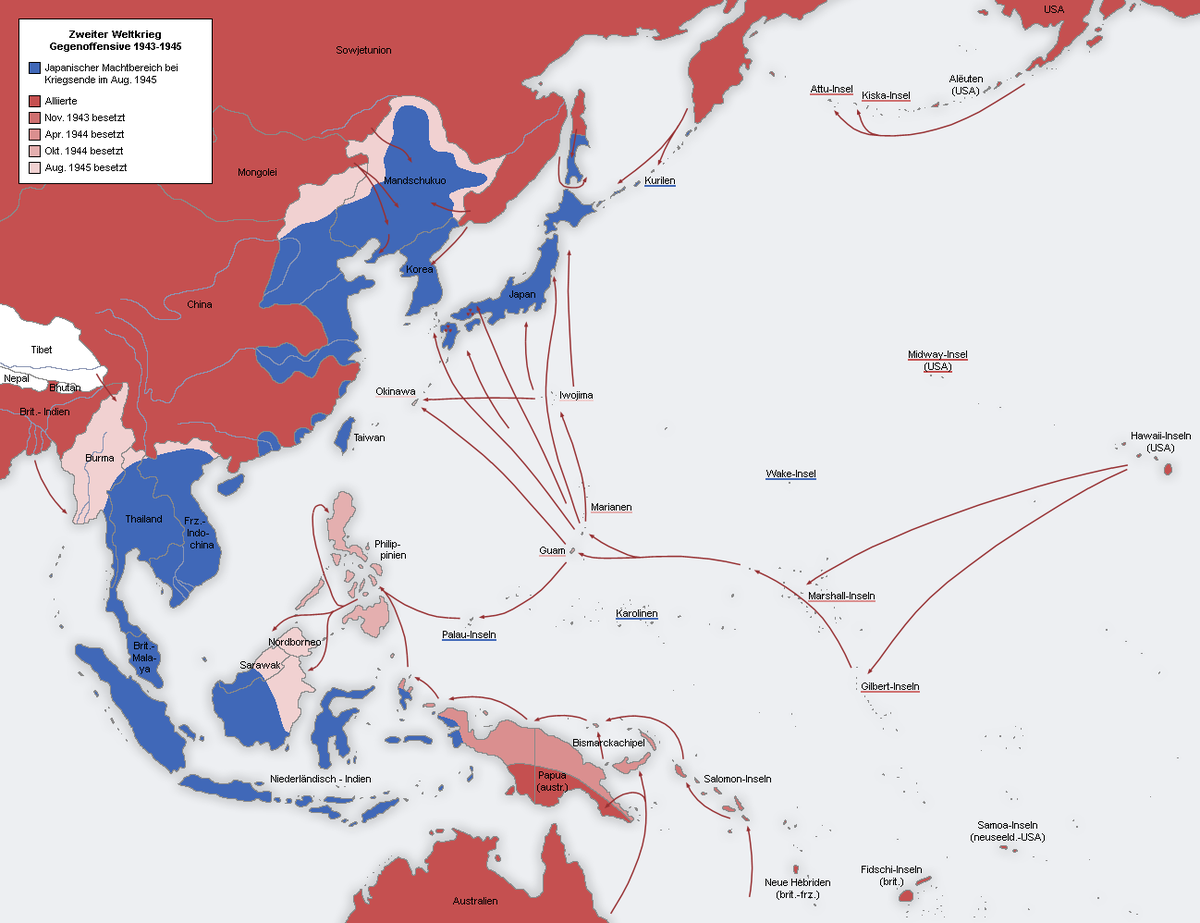
In the theater of global conflict, the United States military’s “Island Hopping” campaign serves as a profound case study in high-stakes resource management and risk-adjusted investment. From a strategic perspective, the Pacific campaign was not merely a sequence of battles, but a massive deployment of capital—human, material, and financial—designed to maximize returns on investment (ROI) while minimizing systemic risk. The decision to bypass heavily fortified Japanese strongholds in favor of capturing strategically vital islands reflects a classic “lean” business strategy: identifying key bottlenecks and optimizing the supply chain to achieve territorial dominance with the least amount of wasted expenditure.
When the Allies evaluated the Pacific, they were faced with a balance sheet defined by limited resources and an expansive, hostile marketplace. A frontal assault on every Japanese-occupied territory would have been a strategy of attrition—a financial and logistical “burn rate” that no nation could sustain indefinitely. By adopting Island Hopping, leadership essentially performed a portfolio analysis, categorizing assets as “essential for growth” or “dead weight.” By isolating and neutralizing the secondary islands, the military preserved its capital for the critical nodes that provided the infrastructure for a final victory. This is effectively the military equivalent of divestiture; by shedding the need to conquer every minor position, the Allies concentrated their resources where they would yield the highest tactical compound interest.
Operational Scalability and Resource Efficiency
The implementation of Island Hopping demonstrates the importance of scalable logistics in large-scale operations. In the corporate world, scalability is the ability to grow revenue faster than expenses. In the Pacific, this meant leveraging mobile naval bases and airfields to extend the reach of the fleet without the exorbitant cost of building permanent, static infrastructure on every captured landmass.
Managing the Supply Chain
The Pacific theater was a masterclass in global supply chain management. The Allies transformed remote islands into “hubs,” creating a logistical network that allowed them to project power further and further toward the Japanese mainland. This required an unprecedented investment in logistics software, predictive modeling, and inventory management. The ability to forecast fuel, ammunition, and medical supply needs across thousands of miles of ocean ensured that the operation remained solvent.
Reducing Overhead through Bypass Tactics
The decision to bypass, or “leapfrog,” enemy positions was a risk-mitigation strategy. By leaving entrenched Japanese garrisons isolated without resupply lines, the Allied command effectively “shorted” the enemy’s logistical chain. The bypassed islands became non-performing assets for the Japanese, requiring them to expend significant resources to maintain positions that had no impact on the overall conflict. This forced the opponent into a negative-sum game, while the Allied forces maximized the utility of every vessel and soldier deployed.
The Financial Burden of Total War
War is inherently a financial enterprise, and the Pacific campaign was the most expensive project in human history. To sustain the Island Hopping campaign, the United States had to fundamentally restructure its internal economy. The issuance of War Bonds was perhaps the most successful crowd-funding initiative ever conducted, effectively liquidating public savings to fuel the massive industrial output required for the campaign.

Industrial Output as an Asset Class
The sheer volume of ships, aircraft, and munitions produced was an investment in industrial capacity. American shipyards, transformed by assembly-line efficiency, became the “production houses” that provided the liquid capital needed to pay the “costs” of each island capture. The transition from peace-time manufacturing to war-time logistics represents a major pivot in organizational structure, illustrating how quickly an enterprise must adapt to survive a market shift.
The Cost of Acquisition
Each island captured carried a distinct “acquisition cost”—the price paid in lives, fuel, time, and matériel. Strategic planners treated these islands like mergers and acquisitions (M&A). If the cost of taking an island (e.g., Iwo Jima or Okinawa) yielded a strategic advantage that outweighed the immediate expenditure, it was deemed a sound investment. However, as the campaign progressed, the cost per acquisition increased, forcing leadership to reconsider their strategy and lean into longer-term, more cost-effective solutions like strategic bombing and naval blockades.
Risk Management in Turbulent Environments
In business, as in warfare, the environment is never static. The Pacific campaign was plagued by extreme volatility—typhoons, disease, and the unpredictable nature of an entrenched adversary. Risk management was the primary defense against catastrophic loss. The Allied strategy of “island hopping” was essentially a hedge against the risk of prolonged, stagnant combat. By staying on the move, the Allies forced the Japanese to react to their initiatives, rather than the other way around.
Diversification of Assets
The American military utilized a diversified portfolio of assets—submarines, aircraft carriers, amphibious landing craft, and land-based bombers. No single asset class was expected to do the heavy lifting alone. The integration of these services created a resilient operational structure. When one asset faced a downturn (e.g., the sinking of a destroyer), the overall portfolio remained intact, allowing the mission to continue toward its long-term financial goal: the neutralization of the Japanese Empire.
Measuring Success Through Key Performance Indicators
Success in the Pacific was tracked through rigorous data collection. Naval intelligence monitored enemy movements, fuel consumption, and attrition rates. These metrics allowed command to make data-driven decisions about where to strike next. Much like a modern company evaluating the KPIs of a new market entry, Allied leadership looked at supply lines, enemy morale, and the time-to-completion for airbase construction. If the data showed that a particular strategy was failing to deliver, they were quick to pivot, demonstrating the agility required for sustained success.
Lessons for Contemporary Strategic Growth
While the technologies of the 1940s are now obsolete, the fundamental business principles of the Island Hopping campaign remain highly relevant to modern strategy. The ability to prioritize, manage resources with precision, and operate with agility is what separates market leaders from those who succumb to market fluctuations.
Lean Strategy in Modern Business
Companies today often make the mistake of trying to capture every market segment simultaneously, much like the failure of an army trying to occupy every island. A leaner approach—identifying the “beachheads” that offer the greatest long-term growth potential—is far more sustainable. By ignoring the noise and focusing on the strategic nodes that drive the bottom line, businesses can achieve dominance with far less expenditure.

Long-term Sustainability
The final takeaway from the Pacific theater is that victory is not just about winning battles; it is about maintaining the economic and operational capacity to finish the campaign. The Allies were able to sustain their momentum because they managed their growth, secured their supply chains, and remained cognizant of the financial realities of their mission. In any field, whether finance, branding, or business development, the “Island Hopping” mindset—calculating the cost of growth and moving with purpose—remains the gold standard for success. By treating every resource as a precious commodity and every strategic move as a calculated investment, leaders can navigate the complexities of their own modern battlefields, ensuring long-term solvency and market leadership.
aViewFromTheCave is a participant in the Amazon Services LLC Associates Program, an affiliate advertising program designed to provide a means for sites to earn advertising fees by advertising and linking to Amazon.com. Amazon, the Amazon logo, AmazonSupply, and the AmazonSupply logo are trademarks of Amazon.com, Inc. or its affiliates. As an Amazon Associate we earn affiliate commissions from qualifying purchases.