
The question “What is Sherlock Holmes’ address?” elicits an almost automatic response from millions worldwide: “221B Baker Street.” This seemingly simple fact about a fictional character from a Victorian-era novel series serves as a profound case study in the power of branding. Far from being a mere plot detail, 221B Baker Street has evolved into a global brand identifier, a cornerstone of intellectual property, and a powerful symbol that transcends literature, influencing everything from tourism to corporate identity. Analyzing its journey reveals crucial insights into brand strategy, consistency, and the creation of lasting legacy.

The Genesis of an Icon: 221B Baker Street
Arthur Conan Doyle, in crafting Sherlock Holmes, understood the profound impact of grounding his extraordinary detective in an ordinary, yet distinct, reality. The choice of 221B Baker Street was no accident; it was a deliberate act of world-building that inadvertently laid the groundwork for an unparalleled branding success story.
From Page to Global Landmark
Doyle’s meticulous attention to detail extended beyond Holmes’s deductive methods to his living environment. By assigning a specific, albeit fictionalized at the time, address, Doyle bestowed upon Holmes a tangible presence. “221B Baker Street” became more than just a place where the detective resided; it became synonymous with his identity, his intellectual prowess, and the very essence of the Holmesian universe. This specificity fostered an immediate sense of authenticity for readers, making the fictional world feel real and relatable. It provided an anchor point, a unique identifier that immediately distinguished Holmes from other literary figures. This early form of narrative place-branding created an indelible mental image, an aspirational space for intellect and mystery that has persisted for over a century. The address became a character in itself, an unspoken promise of intrigue and brilliant deduction.
Crafting a World Through Detail
The genius of 221B Baker Street lies in its capacity to evoke an entire world. It signifies not just a physical location, but a specific era, a particular aesthetic (gaslights, cluttered rooms, the smell of tobacco and chemicals), and a distinct mood of intellectual tension and adventure. For brand strategists, this highlights the power of granular detail in building a comprehensive brand identity. A strong brand isn’t just a logo or a slogan; it’s an immersive experience crafted from countless, carefully considered elements. The “B” in 221B, denoting an apartment, further adds to the character, suggesting a professional yet somewhat reclusive individual, perfectly aligning with Holmes’s persona. This micro-detail reinforces the overall brand narrative, demonstrating how seemingly minor elements can contribute significantly to brand depth and resonance.
The Brand Value of Authenticity and Consistency
The longevity and global recognition of 221B Baker Street as Holmes’s address are testaments to the power of authenticity and unwavering brand consistency. These principles are vital for any brand aiming to build enduring trust and recognition in a crowded market.
Reinforcement Across Adaptations
One of the most remarkable aspects of the 221B Baker Street brand is its consistent portrayal across myriad adaptations. From the earliest stage plays and silent films to the myriad radio dramas, television series, and blockbuster movies, 221B Baker Street has remained an immutable constant. This unwavering consistency, maintained by countless creators over decades, has solidified the address’s position as a core brand element. Each new adaptation, by faithfully recreating or referencing the address, reinforces its significance, embedding it deeper into the collective consciousness. This demonstrates a crucial branding lesson: consistent messaging and visual identity, even across diverse platforms and interpretations, are paramount for building a robust and universally recognizable brand. It’s a testament to effective brand guidelines, even if unspoken, that prevent dilution and ensure brand equity grows with each iteration.
Building Trust and Recognition
The consistent presence of 221B Baker Street has built an unparalleled level of trust with the audience. Consumers, like readers and viewers, value predictability and authenticity from the brands they engage with. Knowing Holmes’s address provides a sense of familiarity and reliability, a foundational element upon which the larger brand narrative is built. This recognition transcends language and culture, allowing the brand of Sherlock Holmes to operate effectively across diverse global markets. For corporate identity and personal branding, this implies that a consistent core message, supported by reliable identifiers, fosters deep brand loyalty and simplifies brand recall. It makes the brand a trusted entity, reducing cognitive load for the audience and allowing them to connect instantly with the essence of what the brand represents.
Leveraging Fictional Elements for Real-World Marketing
The brand of 221B Baker Street has successfully transitioned from a fictional construct to a powerful asset in real-world marketing, demonstrating how evocative storytelling can translate into tangible commercial opportunities.
Experiential Branding and Tourism
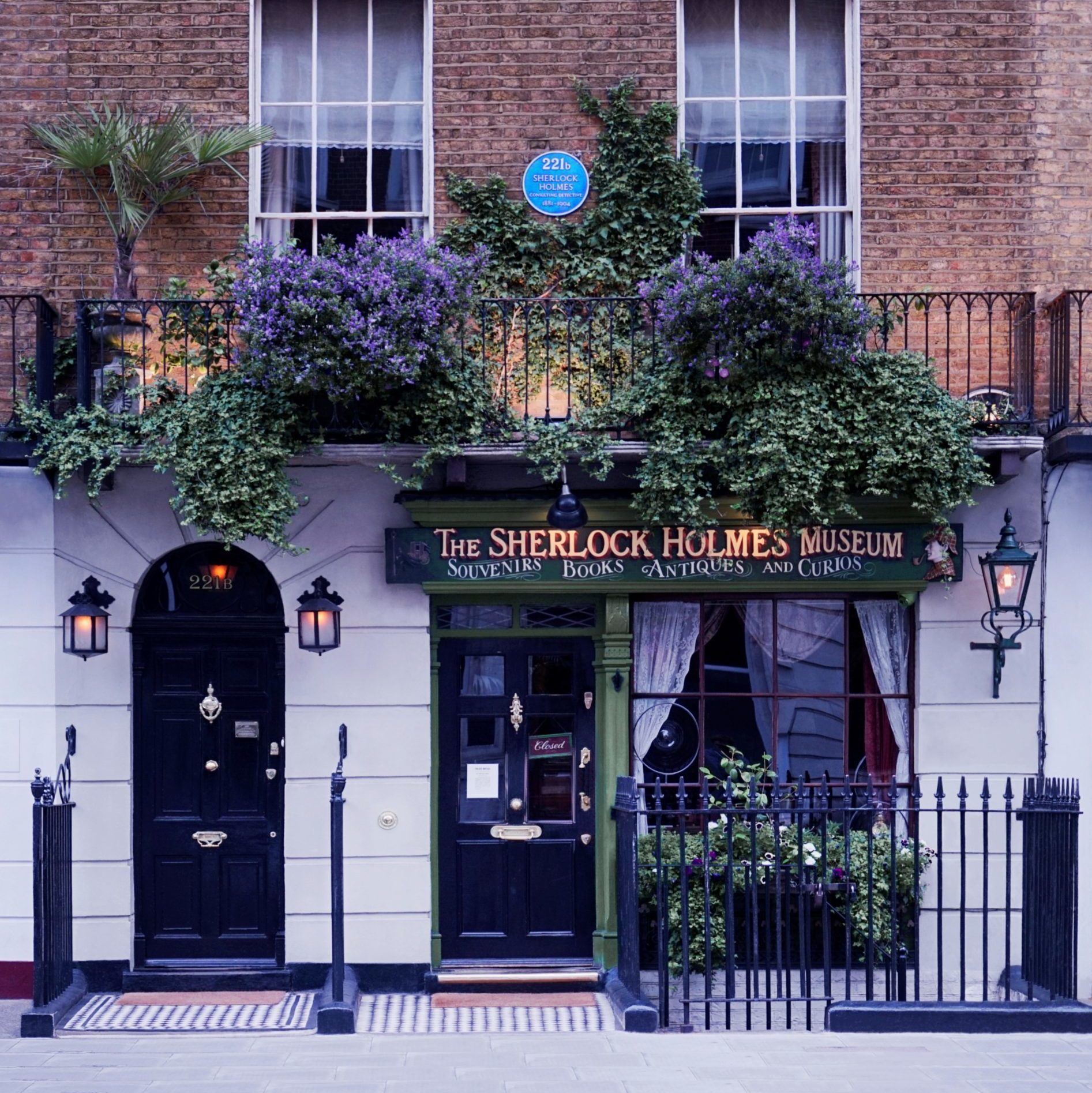
The power of 221B Baker Street is perhaps most evident in its manifestation as a genuine tourist attraction. The creation of the Sherlock Holmes Museum at an actual 221B Baker Street (or near it, requiring a special legal exception for the address) is a masterstroke in experiential branding. This physical embodiment of a fictional location provides fans with an immersive experience, allowing them to step into the world they’ve only imagined. Such ‘narrative tourism’ transforms passive consumption into active engagement, strengthening brand loyalty and creating memorable interactions. It highlights how a strong brand, even one rooted in fiction, can drive economic activity and create new revenue streams through direct fan engagement and destination marketing. For modern brands, this underscores the importance of creating experiences that resonate deeply with consumer desires, moving beyond mere product offerings to create entire brand worlds.
Merchandise and Licensing Strategies
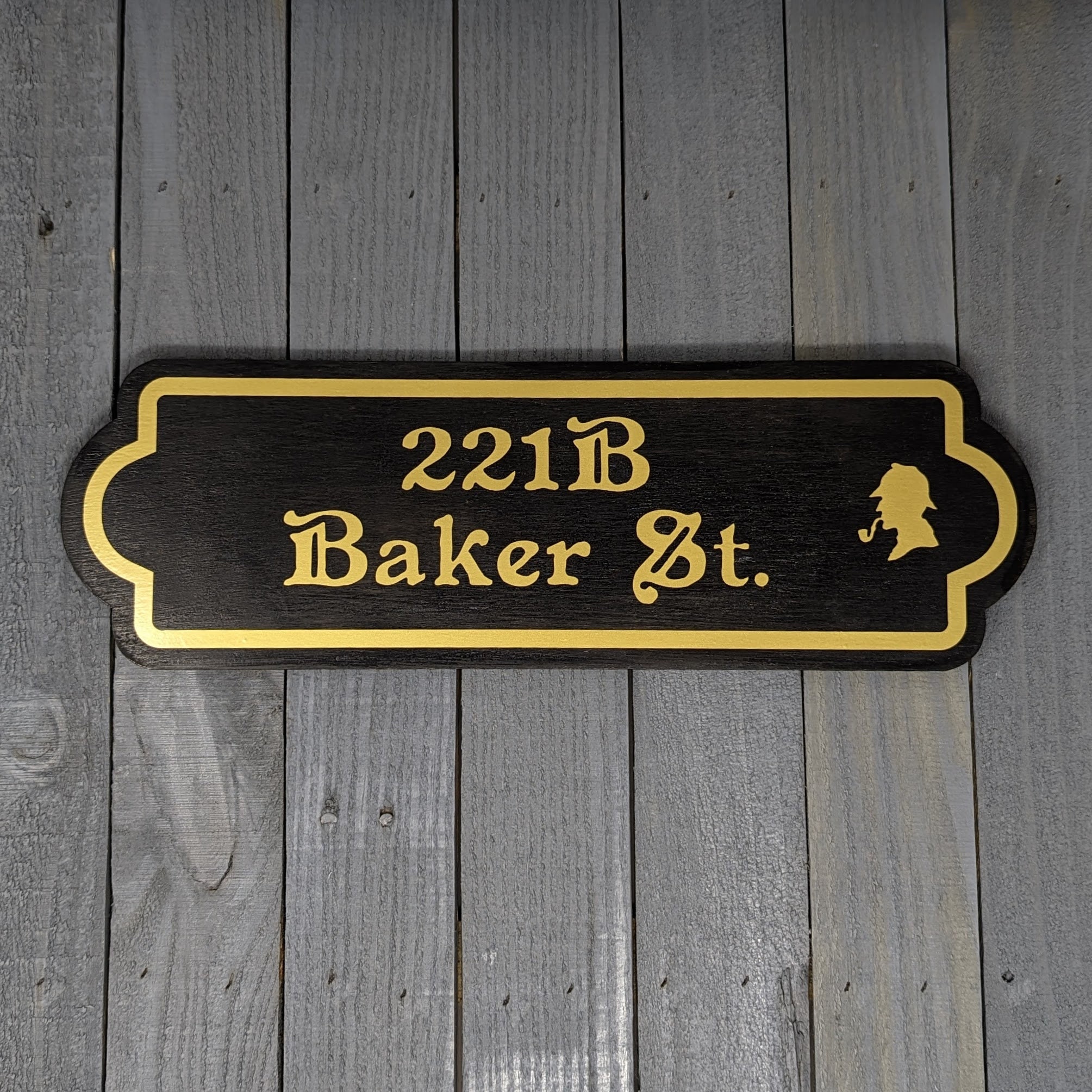
Beyond physical locations, 221B Baker Street serves as a vital component in a vast merchandise and licensing ecosystem. Its image appears on everything from commemorative plaques and stationery to clothing and collectible items. The address acts as a shorthand, an instant identifier that connects products to the beloved Sherlock Holmes brand without needing extensive explanation. This effectiveness demonstrates sound licensing strategy: leveraging established brand equity to extend reach into new product categories. The distinctiveness of “221B Baker Street” makes it easily registrable and protectable, forming a strong base for intellectual property rights. This allows rights holders to monetize the brand effectively while maintaining control over its representation, a crucial aspect of managing a global brand portfolio.
Protecting and Evolving the Brand Legacy
The enduring success of 221B Baker Street necessitates ongoing efforts in intellectual property management and strategic brand evolution, ensuring its relevance for future generations while safeguarding its core identity.
Intellectual Property and Brand Guardianship
The concept of 221B Baker Street, while rooted in a public domain character, is fiercely protected through associated intellectual property (IP) – including specific imagery, museum branding, and official adaptations. The address itself, through its unique association with the Sherlock Holmes brand, holds significant equity. This highlights the crucial role of IP law in branding: trademarks, copyrights, and sometimes even geographical indicators can protect unique brand elements. For brands operating with long legacies, active guardianship is essential to prevent dilution, unauthorized use, and misrepresentation. This involves constant vigilance, legal action when necessary, and strategic partnerships that align with the brand’s values, ensuring the integrity and authenticity of the 221B Baker Street identity remain intact.
Modern Interpretations and Brand Expansion
Despite its Victorian origins, the Sherlock Holmes brand, anchored by elements like 221B Baker Street, has shown remarkable adaptability. Modern adaptations often re-imagine Holmes in contemporary settings, yet the address (or a symbolic equivalent) frequently serves as a nod to the original, bridging the past and present. This strategic brand evolution demonstrates how core brand elements can be reinterpreted without losing their essence. Successful brand expansion involves understanding what makes a brand timeless and then finding creative ways to introduce it to new audiences and contexts. For the 221B Baker Street brand, this means allowing for stylistic variations in its portrayal while preserving its fundamental symbolic meaning as the heart of Holmes’s world, ensuring its continued relevance and appeal across generations.
Lessons for Contemporary Branding
The story of “221B Baker Street” offers invaluable lessons for any individual or organization striving to build a powerful and lasting brand in today’s competitive landscape.
The Power of Specificity
The primary takeaway is the profound power of specificity. In an era of generic branding, choosing a distinct, memorable, and slightly quirky detail like “221B” over a generic “London flat” made all the difference. Specificity creates authenticity, aids memorability, and allows for deeper narrative engagement. For brands, this translates to crafting unique value propositions, developing distinctive visual and verbal identities, and creating brand touchpoints that are precise and evocative. Avoid vague generalizations; instead, identify and amplify those specific elements that make your brand genuinely unique and compelling.
Cultivating Brand Loyalty Through Narrative
Finally, the 221B Baker Street phenomenon underscores the enduring strength of narrative branding. Humans are hardwired for stories, and a compelling narrative imbues a brand with meaning, emotion, and purpose. The address is not just a location; it’s a chapter in an ongoing story that audiences feel part of. Modern brands can cultivate similar loyalty by developing a rich brand narrative that goes beyond features and benefits. What is your brand’s origin story? What challenges does it overcome? What world does it inhabit, and how does it invite consumers to become characters within that world? By consistently telling that story, anchored by memorable details and consistent messaging, brands can forge deep, lasting connections that transcend fleeting trends and build legacies as enduring as that of the consulting detective at 221B Baker Street.
aViewFromTheCave is a participant in the Amazon Services LLC Associates Program, an affiliate advertising program designed to provide a means for sites to earn advertising fees by advertising and linking to Amazon.com. Amazon, the Amazon logo, AmazonSupply, and the AmazonSupply logo are trademarks of Amazon.com, Inc. or its affiliates. As an Amazon Associate we earn affiliate commissions from qualifying purchases.