
In the intricate world of business finance, managing cash flow effectively is paramount to survival and growth. Among the various strategies employed by companies to optimize their financial operations, cycle billing stands out as a sophisticated and highly beneficial approach. Rather than a niche concept, it’s a fundamental billing methodology designed to smooth out workloads, enhance cash flow predictability, and improve customer relations. Understanding cycle billing is crucial for any business looking to refine its financial processes, especially those with a large customer base or recurring revenue models.
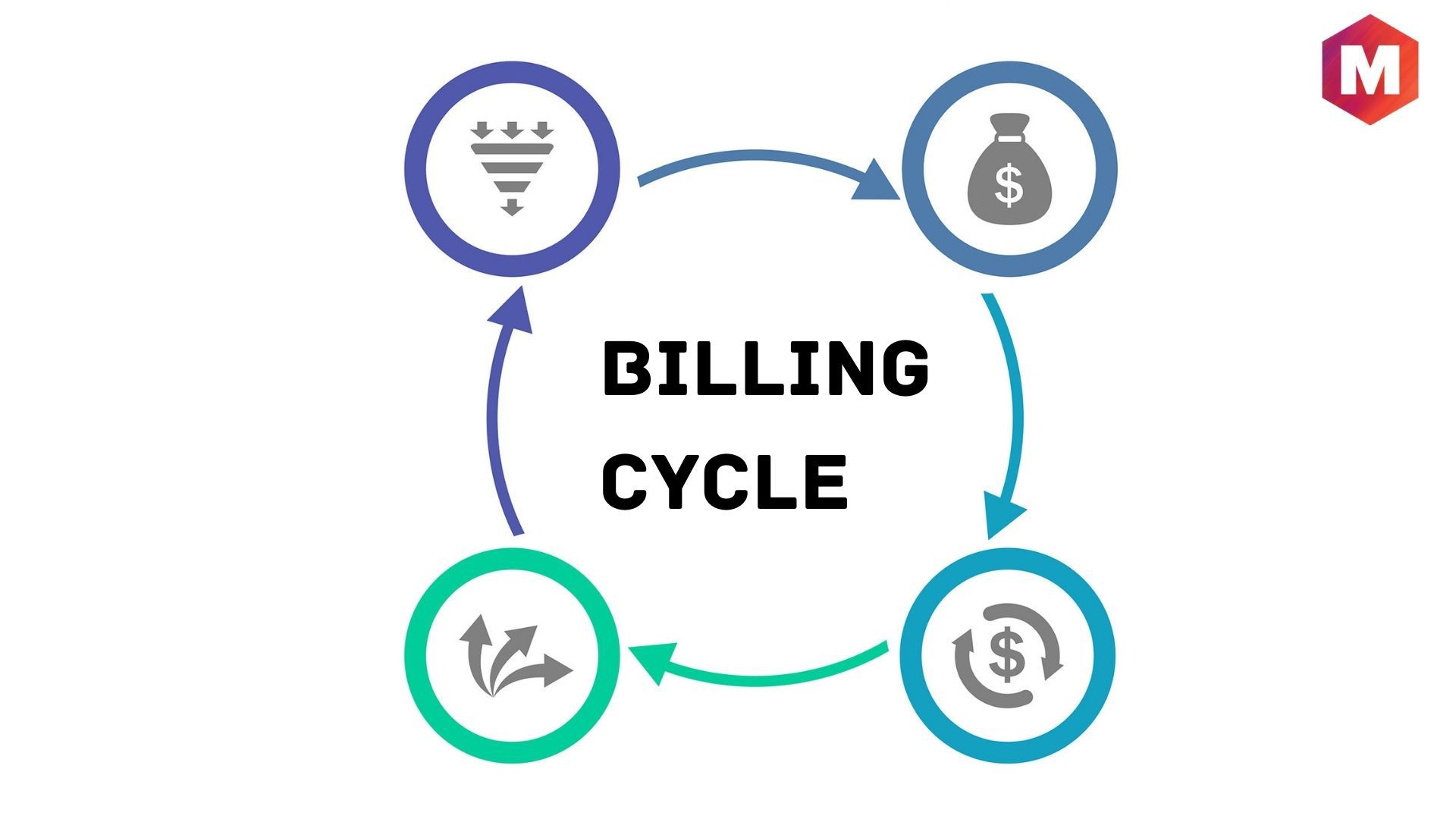
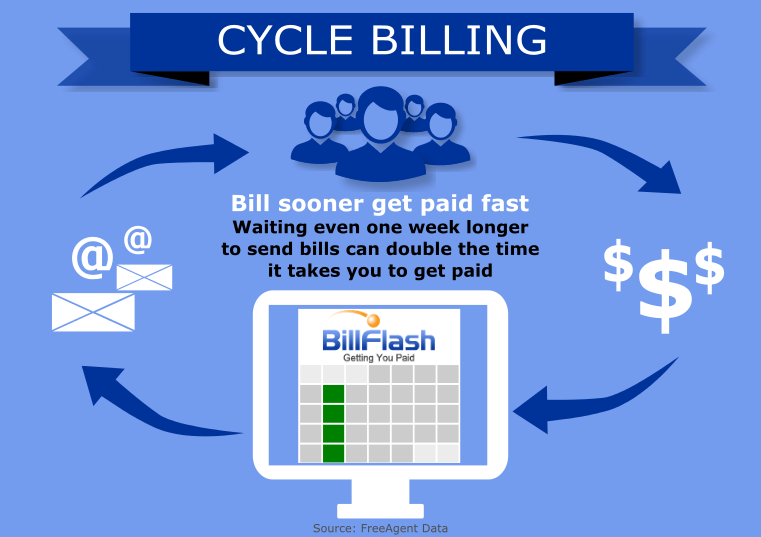
At its core, cycle billing refers to the practice of dividing a company’s customer accounts into smaller groups, each of which is billed on a different date throughout the month or billing period. Instead of sending out all invoices on the first of the month or a single designated day, a business using cycle billing might have several billing “cycles,” with different customer segments receiving their invoices on the 5th, 10th, 15th, 20th, and 25th of the month, for example. This staggered approach transforms what could be a chaotic, resource-intensive monthly event into a continuous, manageable process.
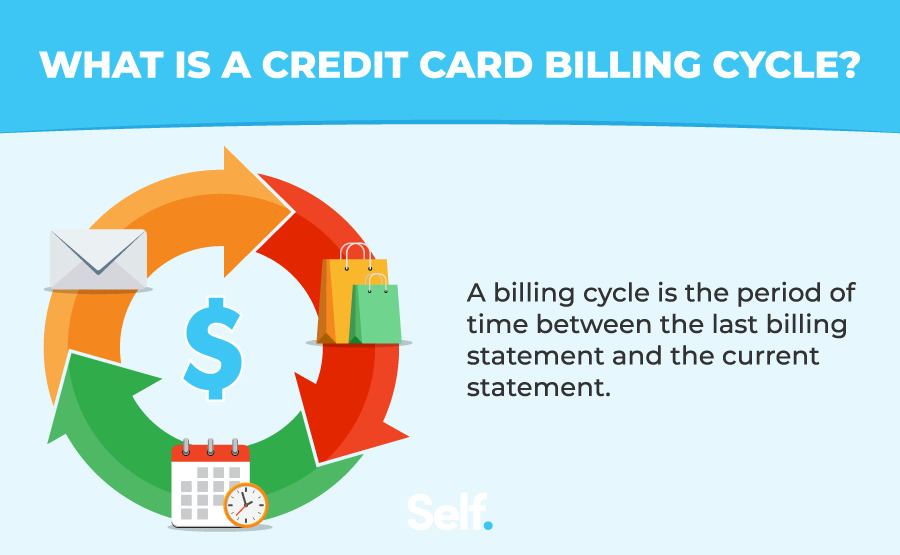
Understanding the Mechanics of Cycle Billing
The operational simplicity of cycle billing belies its strategic impact. By distributing the invoicing workload and revenue recognition over time, businesses can achieve a more stable financial rhythm.
How it Differs from Traditional Billing
Traditional billing typically involves generating and sending all customer invoices on one or two specific dates each billing cycle. While straightforward for businesses with a small number of clients, this method can quickly become overwhelming as a company scales. It creates sharp peaks in administrative workload for the accounting department and often leads to an uneven influx of payments, making cash flow management more volatile.
Cycle billing, in contrast, decentralizes this process. Imagine a utility company with millions of customers. If all customers were billed on the same day, the administrative burden of generating and distributing those invoices, not to mention processing the subsequent payments and handling inquiries, would be enormous and potentially lead to service bottlenecks. Cycle billing alleviates this by:
- Staggering Invoice Generation: Rather than one massive invoice run, several smaller runs occur throughout the month.
- Smoothing Payment Influx: Instead of a huge lump sum of payments arriving around the same time each month, revenue flows in more consistently, providing better cash flow predictability.
- Distributing Customer Service Load: Inquiries related to billing are also spread out, preventing call center congestion and allowing for more attentive customer support.
Key Benefits for Businesses
The advantages of implementing cycle billing extend beyond mere operational convenience, touching upon critical aspects of business finance and customer satisfaction.
- Improved Cash Flow Predictability: By receiving payments continuously throughout the month, businesses can better forecast their incoming revenue, which is vital for managing expenses, making investment decisions, and maintaining liquidity. This eliminates the “feast or famine” cycles often associated with single-date billing.
- Reduced Administrative Strain: Accounting departments no longer face immense pressure during a single billing window. The workload is distributed, leading to less stress, fewer errors, and potentially a more efficient allocation of human resources. This can also reduce the need for temporary staff during peak billing times.
- Enhanced Customer Experience: Spreading out the billing means customer service teams can handle inquiries more efficiently. Customers also benefit from more flexible payment due dates, which can be less burdensome than a universally fixed date. It can lead to fewer late payments and higher customer satisfaction.
- Optimized Resource Utilization: From IT systems handling invoice generation to personnel managing collections, resources are utilized more consistently throughout the month, preventing bottlenecks and idle periods.
Implementing Cycle Billing Effectively
Transitioning to or optimizing cycle billing requires thoughtful planning and robust execution. It’s not merely about picking random dates but strategically segmenting customers and leveraging appropriate tools.
Customer Segmentation and Grouping
The cornerstone of effective cycle billing is intelligent customer segmentation. Businesses typically group customers based on various criteria, which might include:
- Geographic Location: Often used by utility companies to align with meter reading schedules in different areas.
- Account Number Range: A simple administrative method to divide accounts systematically.
- Payment History/Creditworthiness: While less common for initial segmentation, this could influence subsequent billing adjustments or collection strategies.
- Service Type: Different services might have different billing frequencies or complexities, warranting separate cycles.
The goal is to create groups that are roughly equal in size to ensure an even distribution of workload and revenue. Careful consideration must be given to how these groups are formed to prevent any single cycle from becoming disproportionately large or small.
Software and Automation Tools
Manual cycle billing for a large customer base would be an arduous, error-prone endeavor. This is where financial tools and enterprise resource planning (ERP) systems become indispensable. Modern billing software offers features specifically designed to manage complex cycle billing processes:
- Automated Invoice Generation: Systems can automatically generate invoices for each cycle based on predefined schedules and customer data.
- Integrated Payment Processing: Many platforms allow for seamless payment collection, often linking directly to bank accounts or payment gateways.
- Reporting and Analytics: Robust reporting helps businesses track key metrics like average days to pay per cycle, late payment rates, and overall cash flow, enabling continuous optimization.
- Customer Relationship Management (CRM) Integration: Connecting billing data with CRM systems provides a holistic view of the customer, improving service and sales opportunities.
- Recurring Billing Management: For subscription-based businesses, cycle billing is often integrated with recurring billing functionalities, automatically charging customers on their designated cycle date.
Investing in the right financial tools is not just about efficiency; it’s about accuracy, scalability, and providing a better experience for both the business and its customers.
Communication and Transparency
When a business transitions to cycle billing or makes changes to existing cycles, clear and proactive communication with customers is paramount. Customers need to understand when they will be billed and what their payment due dates will be. This transparency builds trust and helps customers manage their own finances, reducing confusion and disputes.
- Advance Notification: Inform customers well in advance of any changes to their billing cycle.
- Clear Statements: Ensure invoices clearly state the billing period, due date, and any relevant cycle information.
- FAQs and Support: Provide easily accessible information (e.g., on a website FAQ page) explaining the cycle billing process.
Advantages Beyond Cash Flow
While cash flow predictability is a primary driver, cycle billing offers a cascade of other strategic benefits that contribute to overall business health.
Operational Efficiency
By distributing tasks like invoice generation, printing, mailing, payment processing, and customer support throughout the month, departments avoid the bottleneck effect common with single-date billing. This leads to:
- Smoother Workload Distribution: Employees maintain a more consistent pace, reducing stress and improving morale.
- Reduced Overtime Costs: Less need for staff to work extended hours during peak billing periods.
- Fewer Errors: A less rushed environment generally leads to higher accuracy in data entry and processing.
- Faster Dispute Resolution: With customer service agents not overwhelmed, billing inquiries can be addressed more quickly and thoroughly.
Enhanced Customer Experience
Customers appreciate consistency and flexibility. While their billing date might shift, the new regular cycle often becomes easier for them to incorporate into their personal budgeting. Furthermore, the ability of customer service to provide more immediate and thoughtful responses to billing questions directly contributes to higher satisfaction and loyalty. This proactive approach to customer care can significantly reduce churn, especially in subscription-based models.
Strategic Financial Planning
With a more predictable and continuous stream of incoming revenue, financial planners can make more informed decisions about:
- Budgeting and Forecasting: Accurate revenue forecasts enable better allocation of resources and capital.
- Investment Opportunities: Knowing when funds will be available can help businesses seize investment opportunities or plan for expansion without liquidity concerns.
- Debt Management: Proactive cash flow management can help in scheduling debt payments and reducing reliance on short-term borrowing.
- Working Capital Optimization: Cycle billing directly contributes to optimizing working capital by ensuring funds are consistently flowing into the business rather than sitting in accounts receivable for extended periods after a single billing run.
Potential Challenges and Mitigations
While the benefits are substantial, implementing cycle billing is not without its challenges. Addressing these proactively is key to a successful transition and ongoing operation.
Initial Setup Complexity
The primary hurdle is the initial setup. Dividing a large customer base, configuring billing software, and potentially integrating with other financial systems can be complex and time-consuming.
- Mitigation: Develop a detailed project plan. Engage experienced financial consultants or IT professionals if internal resources are insufficient. Pilot the system with a small segment of customers before a full rollout.
Managing Exceptions
Despite best efforts, there will always be exceptions: customers needing special payment arrangements, refunds, or adjustments. Managing these within a cycle billing system requires robust processes.
- Mitigation: Implement clear policies for handling exceptions. Ensure billing software has the flexibility to process manual adjustments and track special conditions without disrupting automated cycles. Train staff thoroughly on these procedures.
Regulatory Compliance
Depending on the industry and geographic location, there might be specific regulations regarding billing frequency, disclosure, and data privacy. For example, utilities often have strict rules about how and when customers can be billed.
- Mitigation: Conduct a thorough review of all relevant local, national, and industry-specific regulations before implementation. Ensure the chosen billing system and processes are fully compliant. Regularly review and update practices to adapt to changes in compliance requirements.
In conclusion, cycle billing is a powerful financial strategy that moves beyond merely sending invoices. It’s a holistic approach to managing revenue, optimizing operational efficiency, and significantly enhancing the customer experience. For businesses poised for growth or those already managing a substantial customer base, understanding and effectively implementing cycle billing is not just an option but a strategic imperative for long-term financial health and stability.
aViewFromTheCave is a participant in the Amazon Services LLC Associates Program, an affiliate advertising program designed to provide a means for sites to earn advertising fees by advertising and linking to Amazon.com. Amazon, the Amazon logo, AmazonSupply, and the AmazonSupply logo are trademarks of Amazon.com, Inc. or its affiliates. As an Amazon Associate we earn affiliate commissions from qualifying purchases.