
The Biological Foundation: Unpacking the Vacuole’s Core Identity
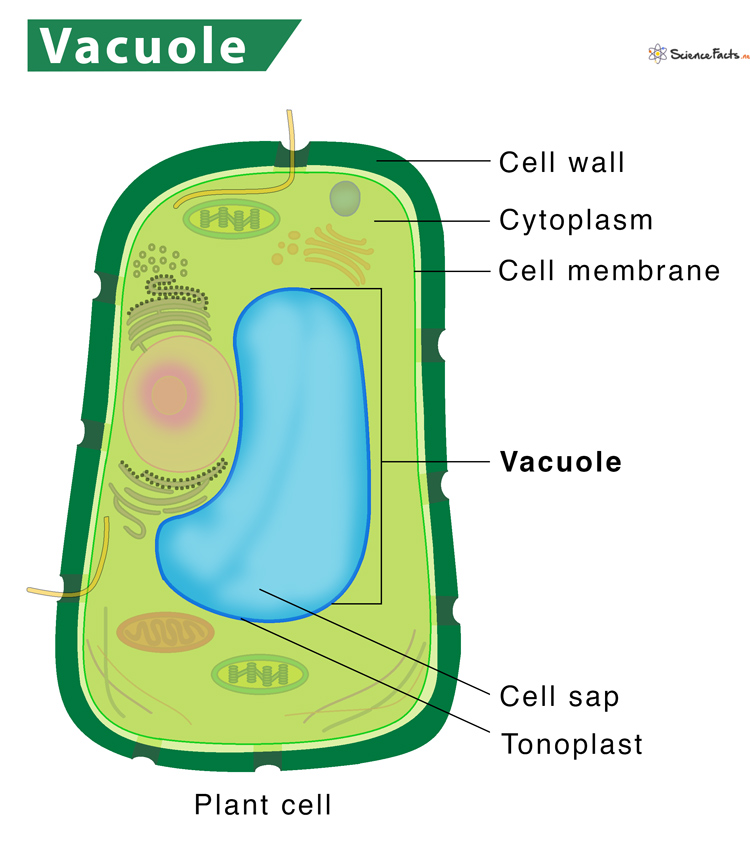
A vacuole is a fundamental, membrane-bound organelle found within the cells of various organisms, playing a crucial role in maintaining cellular homeostasis and function. Primarily recognized for its prominent presence in plant and fungal cells, it also exists in some animal cells and protists, albeit often in smaller, more dispersed forms. At its essence, a vacuole is a versatile sac enclosed by a single membrane known as the tonoplast, filled with an aqueous solution that can contain a diverse array of molecules, including water, inorganic and organic ions, nutrients, enzymes, and waste products.
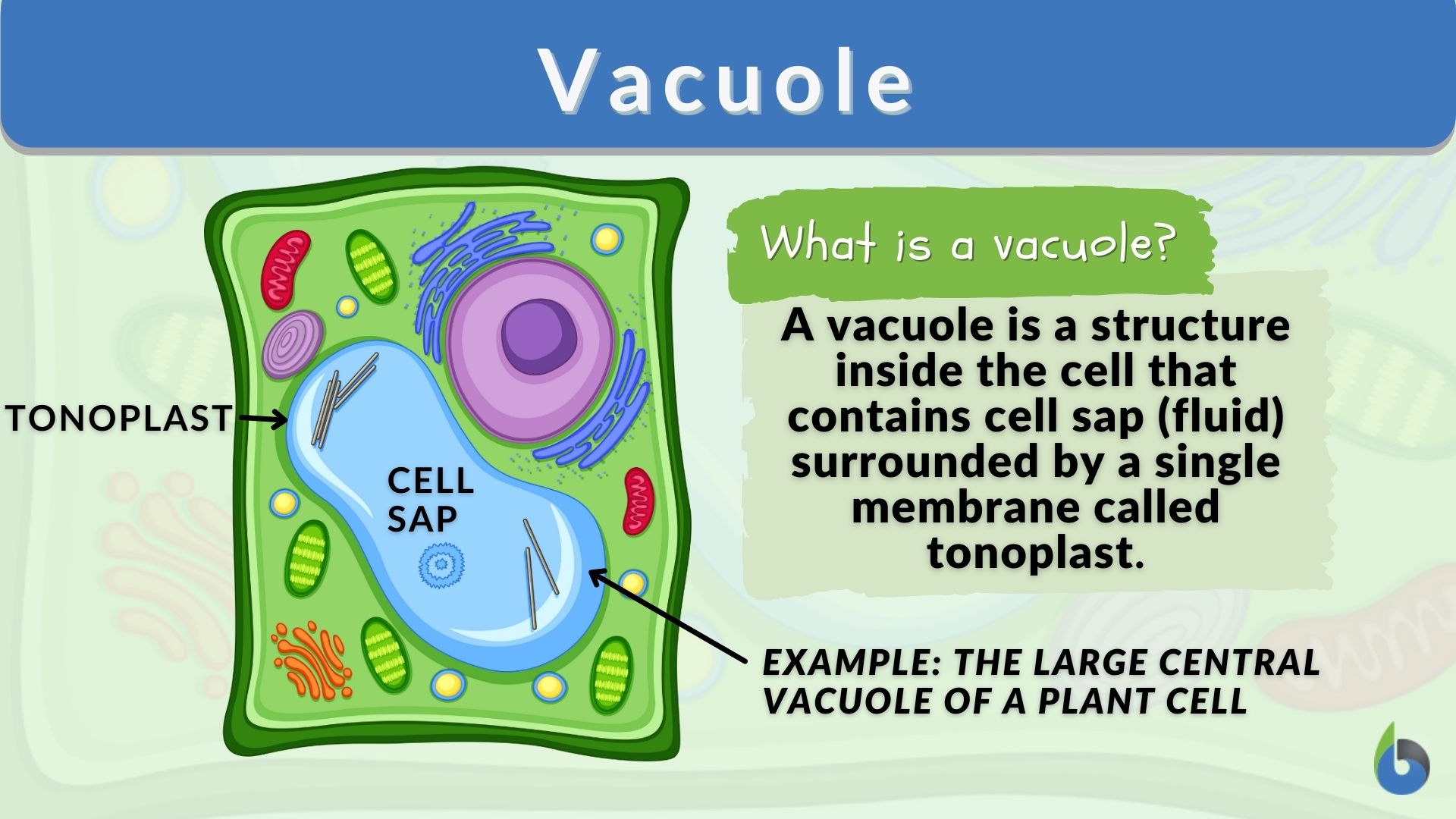
In plant cells, the vacuole typically occupies a significant portion of the cell volume, often exceeding 80% and pushing the cytoplasm and nucleus to the periphery. This large central vacuole is critical for maintaining turgor pressure, which is the internal hydrostatic pressure that pushes the plasma membrane against the cell wall, providing structural rigidity and support to the plant. Without adequate turgor pressure, plant cells lose their rigidity, leading to wilting. Beyond structural support, vacuoles serve as dynamic storage compartments, accumulating water, essential ions, sugars, and amino acids. They also act as cellular recycling centers, containing hydrolytic enzymes similar to those found in animal lysosomes, capable of breaking down macromolecules, cellular debris, and even invading pathogens. This degradative function is vital for cellular waste disposal and nutrient recycling. Furthermore, vacuoles contribute to cellular pH regulation and can sequester toxic compounds, isolating them from the rest of the cytoplasm to protect the cell.
While less conspicuous in animal cells, vacuoles still perform important functions. In some animal cells, they might be involved in storage, transport, or waste removal. Protists, like Amoeba or Paramecium, often feature specialized vacuoles, such as contractile vacuoles which actively pump excess water out of the cell to prevent lysis in hypotonic environments, and food vacuoles which form during phagocytosis to digest ingested food particles. The diverse roles of vacuoles across different life forms underscore their evolutionary significance and adaptability, making their study vital not just for fundamental biology but also for advanced technological applications.
Catalyzing Innovation: Vacuoles in Modern Biotechnology and Bioengineering
The intricate functions and versatile nature of vacuoles have positioned them as critical targets and tools within the realms of biotechnology and bioengineering. Understanding and manipulating vacuolar mechanisms are paving the way for advancements in everything from sustainable agriculture to pharmaceutical production, leveraging the cell’s natural factories for human benefit.
Engineered Cellular Factories: Optimizing Production via Vacuoles
One of the most impactful applications of vacuolar biology in technology lies in the development of engineered cellular factories, particularly in plant-based systems. Plants are increasingly utilized as “bioreactors” for producing valuable recombinant proteins, such as therapeutic antibodies, vaccines, and industrial enzymes. The large central vacuole in plant cells offers a highly advantageous environment for the accumulation and storage of these synthesized proteins. By genetically engineering plants to express foreign genes, biotechnologists can direct the resulting proteins to accumulate within the vacuole. This strategy provides several benefits: the vacuolar environment is generally stable, protecting proteins from degradation; it allows for high-level accumulation, increasing product yield; and it facilitates downstream purification processes by compartmentalizing the desired product away from other cellular components. This approach has proven successful in producing edible vaccines that do not require refrigeration, a significant advantage for global health initiatives, and in generating high-value industrial enzymes for various manufacturing sectors.
Beyond protein production, metabolic engineering efforts frequently target vacuolar pathways to enhance the synthesis of desired secondary metabolites. Many plant-derived compounds with medicinal or industrial value, such as alkaloids, flavonoids, and terpenes, are synthesized in the cytoplasm and then transported to and stored in the vacuole. By modifying the genes involved in these metabolic pathways or altering the transport mechanisms into the vacuole, scientists can boost the yield of these valuable compounds. This leads to more efficient and sustainable production of pharmaceuticals, nutraceuticals, and natural pigments, reducing reliance on conventional chemical synthesis or wild harvesting.
Advancements in Plant-Based Drug Delivery Systems
The unique properties of plant cells and their vacuoles also hold immense potential for the creation of novel drug delivery systems. The robust cell wall and the protective vacuolar environment make plant materials excellent candidates for orally administered therapeutics. For instance, incorporating active pharmaceutical ingredients directly into plant tissues—which are then consumed—can protect these compounds from harsh digestive conditions, ensuring their delivery to the gut. This “pharming” approach eliminates the need for complex purification steps, expensive cold chains, and injectable formats, significantly reducing production costs and increasing accessibility, especially in developing regions.
Research is ongoing to engineer plants that not only produce therapeutic proteins but also deliver them effectively upon consumption. The vacuole’s role in storing these compounds is central to this strategy. Future developments could see specific plant varieties cultivated as bio-pharmaceuticals, offering a sustainable and scalable platform for global health solutions. The controlled release mechanisms facilitated by the plant cell’s structure and the vacuole’s stability are areas of intensive research, aiming to optimize drug bioavailability and efficacy.
Digital Dissection: AI, Machine Learning, and the Vacuole
The complexity of cellular processes and the dynamic nature of organelles like vacuoles present significant challenges for traditional biological research. However, the advent of artificial intelligence (AI) and machine learning (ML) is revolutionizing how scientists study and understand vacuoles, offering unprecedented capabilities for analysis, prediction, and discovery.
High-Throughput Imaging and Morphological Analysis
Microscopy has long been the primary tool for observing vacuoles, but manual analysis of countless images is time-consuming and prone to human error. AI, particularly deep learning models, has transformed this landscape by enabling high-throughput imaging and automated morphological analysis of vacuoles. Algorithms can be trained to accurately identify, segment, and quantify vacuoles in vast datasets of microscopic images, whether they are from live-cell imaging or fixed samples. This allows researchers to precisely measure vacuole size, shape, number, and distribution within cells and tissues across various experimental conditions.
Furthermore, AI can track dynamic changes in vacuolar morphology and movement over time, providing insights into their responses to environmental stimuli, nutrient availability, stress, or the action of specific drugs. For example, changes in vacuole fusion and fission events, or alterations in their internal pH, can be automatically detected and quantified, offering critical data points that were previously difficult or impossible to obtain at scale. This capability accelerates drug screening efforts, helps characterize cellular responses to disease, and provides a deeper understanding of fundamental cellular processes governed by vacuoles.
Predictive Modeling of Cellular Function and Stress Response
Beyond observational analysis, machine learning is increasingly employed to build predictive models that correlate vacuolar states with broader cellular functions and stress responses. By integrating image data with other omics data (genomics, proteomics, metabolomics), ML algorithms can identify subtle patterns and relationships that are invisible to the human eye. For example, models can predict how specific genetic mutations affecting vacuolar proteins might lead to altered cellular phenotypes or disease states.
In the context of drug discovery, ML algorithms can screen vast chemical libraries to identify compounds that specifically target vacuolar functions, potentially leading to new therapies for diseases where vacuolar dysfunction is implicated. Neurodegenerative diseases, for instance, often involve lysosomal/vacuolar storage disorders, and ML can help pinpoint molecules that restore normal vacuolar activity. Similarly, in plant science, ML models can predict how changes in vacuolar composition or function might affect a plant’s resilience to drought, salinity, or pathogen attack, guiding efforts to engineer more robust crops. This predictive power significantly streamlines research, reduces experimental costs, and accelerates the pace of scientific discovery.
Bio-Inspired Design: Vacuolar Principles in Next-Generation Tech
The efficiency and adaptability of biological systems frequently inspire innovative engineering solutions. The vacuole, with its elegant design and multi-functional capabilities, serves as a compelling model for developing next-generation technologies across diverse fields, extending beyond direct biological manipulation to entirely new material and system designs.
Smart Storage and Waste Management Systems
The vacuole’s primary role as a dynamic storage compartment, capable of housing a wide variety of substances—from essential nutrients to toxic waste—within a single, adaptable membrane, offers profound inspiration for smart storage and waste management technologies. Imagine materials or systems that can intelligently encapsulate diverse compounds, selectively release them when needed, and efficiently break down unwanted components. This could lead to the development of self-contained storage units that monitor their contents, adapt their internal chemistry to preserve stability, or even autonomously process waste into inert forms, much like a vacuole’s digestive capabilities.
For instance, researchers are exploring biomimetic membranes that can selectively permeate specific molecules, mimicking the tonoplast’s ability to control vacuolar content. Such innovations could revolutionize battery technology (efficient ion storage), create more durable packaging materials that extend product shelf-life, or design decentralized urban waste processing units that mimic cellular waste segregation and degradation, reducing environmental impact and resource consumption.
Self-Healing Materials and Adaptive Structures
The concept of vacuolar turgor pressure provides an intriguing blueprint for developing self-healing materials and adaptive structures. Turgor pressure, the internal hydrostatic force exerted by the vacuole, is crucial for maintaining the rigidity and form of plant cells. When a plant cell loses water, turgor pressure drops, and the plant wilts; upon rehydration, turgor is restored, and the plant regains its form. This dynamic regulation of internal pressure for structural integrity inspires designs for materials that can self-regulate their internal fluid content or pressure to adapt to external stresses, repair damage, or change their physical properties.
Researchers are investigating hydrogels and composite materials embedded with micro-vacuolar structures that can absorb and release fluids in response to environmental cues, enabling materials to stiffen or soften, or even seal cracks autonomously. These bio-inspired materials could find applications in smart textiles that adapt to wearer needs, self-repairing infrastructure, or soft robotics that mimic the flexibility and resilience of biological organisms. The vacuole’s role in maintaining cellular resilience through controlled internal pressure offers a powerful paradigm for engineering materials with unprecedented adaptability and longevity.

Sustainable Biofuel Production and Bioremediation
The vacuole’s participation in nutrient cycling, detoxification, and the storage of metabolic products also offers valuable insights for sustainable energy and environmental remediation technologies. In plants, vacuoles play a role in concentrating pigments, which are relevant for photosynthesis efficiency, and sequestering heavy metals or other pollutants, detoxifying the cell. This dual capacity inspires innovative approaches to biofuel production and bioremediation.
By understanding how vacuoles efficiently store carbon compounds, scientists can design more effective bioreactors for algal or plant-based biofuel production, optimizing the accumulation of lipids or other energy-rich molecules. Similarly, the vacuole’s natural ability to isolate and degrade toxic substances can inform the design of bio-based filters or living systems (e.g., genetically modified plants or microorganisms) capable of absorbing and neutralizing environmental pollutants more effectively. This could lead to advanced phytoremediation techniques for contaminated soils and waters, offering environmentally friendly solutions to pressing ecological challenges by harnessing the cell’s inherent detoxification machinery.
aViewFromTheCave is a participant in the Amazon Services LLC Associates Program, an affiliate advertising program designed to provide a means for sites to earn advertising fees by advertising and linking to Amazon.com. Amazon, the Amazon logo, AmazonSupply, and the AmazonSupply logo are trademarks of Amazon.com, Inc. or its affiliates. As an Amazon Associate we earn affiliate commissions from qualifying purchases.