
Navigating the complex world of airfare can often feel like a high-stakes treasure hunt. For budget-conscious travelers and savvy financial planners alike, understanding the intricate dynamics that determine flight prices is paramount. The difference between paying a premium and securing a bargain can equate to hundreds, if not thousands, of dollars, directly impacting personal finance and travel budgets. This comprehensive guide delves into the science and strategy behind finding the cheapest flights, equipping you with the knowledge to make informed decisions and maximize your travel savings. From deciphering airline algorithms to mastering booking windows, we unravel the secrets to unlocking affordable air travel, ensuring your money works harder for your wanderlust.
Understanding the Dynamics of Airfare Pricing
The price you pay for a flight isn’t arbitrary; it’s the result of a sophisticated interplay of economic principles, technological advancements, and market forces. Airlines employ highly complex systems to optimize revenue, constantly adjusting fares in response to a myriad of variables. Grasping these underlying mechanisms is the first step towards outsmarting them.
The Algorithmic Nature of Airline Pricing
At the heart of modern airfare determination lies sophisticated yield management software. This technology employs advanced algorithms, often powered by artificial intelligence and machine learning, to predict demand and adjust prices in real-time. Factors like historical booking data, competitor pricing, remaining seat inventory, time until departure, and even the type of device you’re using to search can influence the price presented to you. Airlines meticulously segment their cabins into numerous “fare classes,” each with a different price point and set of restrictions, even within the same physical seating area. As demand for a particular flight increases, lower fare classes are sold out, leaving only the more expensive ones available. This dynamic pricing model means that the price of a seat can change multiple times within a single day, reflecting the airline’s continuous effort to maximize profitability per flight.
Supply, Demand, and Seasonality
The fundamental economic principles of supply and demand exert a colossal influence on flight prices. When demand is high (e.g., during major holidays, summer breaks, or popular festival seasons), prices naturally surge. Conversely, during off-peak seasons or shoulder seasons (the periods just before or after peak travel), when demand slackens, airlines often drop prices to fill seats. Geographical factors also play a role; routes to popular tourist destinations will see higher prices during their respective peak seasons. Understanding the seasonality of your desired destination – both in terms of tourist popularity and local events – is crucial for identifying financially advantageous travel windows. Flexibility around these peak times can yield substantial savings.
The Role of Competition and Route Popularity
The level of competition on a particular route significantly impacts fare prices. Routes served by multiple airlines tend to have more competitive pricing, as carriers vie for passengers by offering lower fares. Conversely, routes with limited competition, or those dominated by a single major carrier, often experience higher prices due to the lack of pressure to undercut rivals. Similarly, flying into major hub airports, especially those with several carriers operating, can sometimes be cheaper than flying into smaller, regional airports, even if the latter is closer to your final destination. This is because larger airports benefit from economies of scale and higher traffic volumes, fostering greater competition. Researching alternative airports within a reasonable distance can often reveal more economical options.
The Golden Windows for Booking Flights
While unpredictable changes are a constant in airfare, historical data and industry insights have revealed certain “golden windows” and patterns that tend to offer the best prices. Timing your booking and travel strategically can be a game-changer for your budget.
The “Sweet Spot” Booking Window
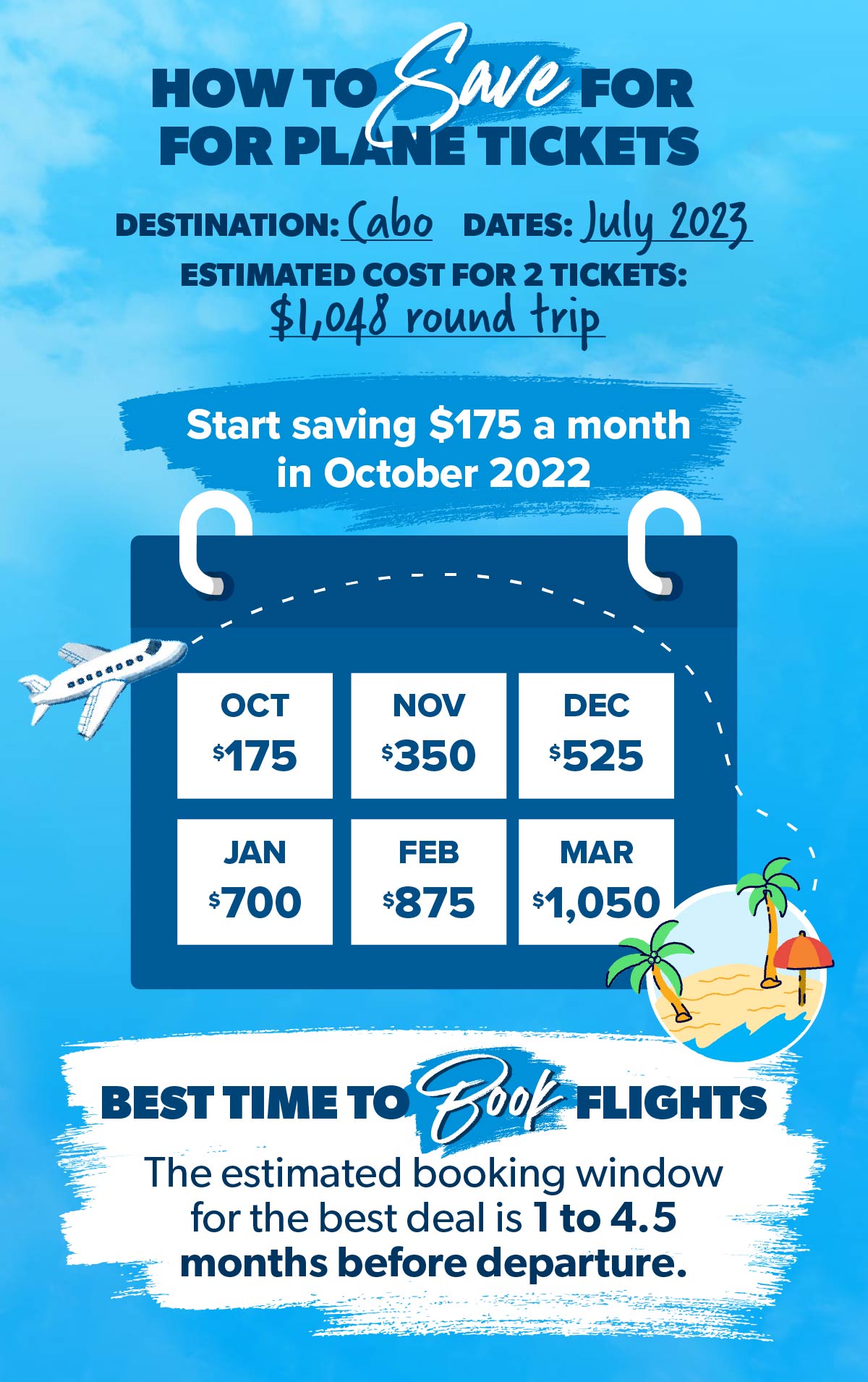
Conventional wisdom, largely supported by data analysis, suggests there’s an optimal period to book flights. For domestic flights, this sweet spot typically falls between 1 to 4 months (30 to 120 days) before departure. Booking too early (more than 4 months out) often means paying higher initial prices as airlines test the market, while booking too late (within 3 weeks of departure) invariably leads to inflated last-minute fares. For international flights, the window tends to be longer, generally 3 to 6 months in advance, though some ultra-long-haul routes might see benefits up to 8-10 months out. This extended period allows for better planning and takes advantage of potential early bird promotions before demand fully solidifies. Missing this window, especially for popular international destinations, can result in significantly higher costs.
Best Days to Book and Fly
Analysis of millions of flight prices consistently points to specific days of the week offering better deals. Tuesdays and Wednesdays are frequently cited as the best days to book flights. This is largely because airlines often launch sales on Monday evenings, and by Tuesday morning, competitors have matched those prices, leading to a flurry of lower fares across the board. By Thursday or Friday, prices tend to creep up again as weekend leisure travelers begin their search.
Regarding the best days to fly, Tuesdays, Wednesdays, and Saturdays are generally the cheapest. Mid-week flights are less popular with business travelers and weekend tourists, leading to lower demand and thus lower prices. Flying on Fridays and Sundays, conversely, often carries a premium due to high demand from weekend commuters and leisure travelers. Similarly, very early morning flights or late-night flights (red-eyes) are often less expensive than midday options, simply because they are less convenient for most travelers.
Avoiding Peak Travel Times
Perhaps the most straightforward financial strategy is to simply avoid traveling during peak periods. This includes major public holidays (Christmas, New Year’s, Thanksgiving), school breaks (Spring Break, summer holidays), and significant local events or festivals at your destination. Prices during these times can be exponentially higher due to guaranteed demand. If your schedule allows, consider traveling during the “shoulder seasons” (e.g., April-May or September-October for many European destinations) or even the true off-season. While the weather might not always be perfect, the savings on flights and accommodation can be substantial, often making the trip much more accessible from a financial perspective.
Strategic Approaches to Finding Low Fares
Beyond understanding the timing, proactive strategies and leveraging available tools can significantly enhance your ability to uncover cheaper flights. Smart searching and a flexible mindset are key financial assets in this pursuit.
Flexibility is Your Financial Friend
One of the most potent weapons in your arsenal for securing cheap flights is flexibility.
- Flexible Dates: Being able to shift your travel dates by a few days, or even a week, can lead to dramatic price differences. Most flight search engines now offer “flexible date” views (e.g., Google Flights’ calendar view or Skyscanner’s “Cheapest Month” feature) that highlight the least expensive days to fly within a given month or range.
- Flexible Airports: Don’t limit your search to just one departure or arrival airport. Checking prices from nearby airports (e.g., flying out of Newark instead of JFK for New Yorkers) or to alternative arrival airports can unlock cheaper routes. Sometimes, the savings on the flight outweigh the cost and inconvenience of ground transportation to/from a slightly further airport.
- Flexible Destinations: If your primary goal is simply to travel and explore somewhere new, rather than a specific locale, consider using tools that show you the cheapest destinations from your departure city for a given period. “Explore” maps on Google Flights or Skyscanner’s “Everywhere” search are excellent for this “where can I go cheapest?” approach.
Leverage Price Comparison Tools and Alerts
Modern travel technology has made finding and monitoring flight prices significantly easier.
- Aggregators: Websites like Google Flights, Skyscanner, Kayak, Momondo, and Expedia (among many others) aggregate data from hundreds of airlines and online travel agencies (OTAs), allowing you to compare prices across various providers in one place. Each has its strengths – Google Flights is excellent for exploring flexible dates and destinations, while Skyscanner is known for its “everywhere” search.
- Price Alerts: Many of these platforms offer free price alert services. Once you’ve identified a route and date range, you can set up an alert to receive email notifications when the fare drops. This allows you to monitor prices without constantly checking yourself, ensuring you can pounce when a deal emerges. Hopper goes a step further by predicting future price movements and advising whether to buy now or wait.

Incognito Mode and Cookie Clearing (The Myth vs. Reality)
A persistent myth suggests that airlines track your searches via cookies and raise prices if you repeatedly look at the same flight. While airlines and OTAs do use cookies for various purposes (like remembering your preferences or showing targeted ads), there’s little conclusive evidence that they dynamically increase prices on the same IP address or browser session purely based on your repeated searches within a short timeframe. Dynamic pricing is far more complex, driven by overall demand, inventory, and competitive intelligence rather than individual browsing habits.
However, using incognito mode or clearing your cookies can still be a good habit for several reasons: it ensures you’re starting with a fresh search, free from any cached data that might skew results, and it prevents targeted advertising based on your searches, which, while not changing the price, can be distracting. The real benefit of using incognito mode is the mental clean slate it provides, encouraging you to re-evaluate your search parameters with each new attempt.
Exploring Alternative Airports and Stopovers
Direct flights are convenient but often carry a premium. If time isn’t a critical constraint, consider routes with one or more layovers. These multi-segment flights are frequently cheaper, as they are less desirable for many travelers. Similarly, flying into a less popular or slightly further airport and taking ground transportation to your final destination can sometimes yield substantial savings. This strategy requires a careful cost-benefit analysis: the monetary savings must outweigh the additional travel time, potential inconvenience, and cost of connecting transport. For example, flying into London Stansted or Luton might be cheaper than Heathrow or Gatwick, but factor in the train or bus fare and time to central London.
Advanced Tactics for Savvy Travelers
For those looking to push the boundaries of financial optimization in air travel, several advanced tactics can yield impressive results, though they often require more effort, research, or a higher risk tolerance.
The Art of Error Fares and Flash Sales
Error fares, also known as “mistake fares,” occur when an airline or online travel agency accidentally publishes a fare at an abnormally low price due to a system glitch, a manual input error, or a currency conversion mistake. These are rare but can offer incredibly cheap flights. Finding them requires vigilance, often monitoring specialized “deal alert” websites or communities (like Scott’s Cheap Flights, Secret Flying, or The Flight Deal). The key is to act fast, as airlines typically correct these errors quickly. Flash sales, on the other hand, are intentional, time-limited promotions by airlines, often lasting only 24-72 hours. These sales are usually well-advertised but still require quick booking. Both scenarios emphasize the importance of having your travel dates and budget ready to seize the opportunity.
Utilizing Frequent Flyer Programs and Credit Card Perks
Loyalty programs and travel-focused credit cards are powerful financial tools for reducing flight costs.
- Frequent Flyer Miles/Points: Accumulating miles through flying with an airline alliance (Star Alliance, SkyTeam, Oneworld) or via co-branded credit cards can lead to free flights or significant discounts. Understanding how to maximize earning and redemption rates is crucial. Transferable points systems (e.g., Chase Ultimate Rewards, American Express Membership Rewards) offer even greater flexibility.
- Credit Card Travel Benefits: Many premium travel credit cards offer benefits like annual travel credits, complimentary checked bags, airport lounge access, and even companion passes. While these cards typically have annual fees, the value of the benefits can easily offset the cost if you travel frequently, turning what seems like an expense into a net financial gain. Leveraging these perks effectively can save money on ancillary fees and enhance the overall travel experience.
Understanding Different Fare Classes and Basic Economy
Airlines offer various fare classes beyond the simple “economy” label. Basic Economy, a growing trend, offers the lowest fares but comes with significant restrictions: no seat selection, strict baggage rules (often only a personal item allowed), and no changes or refunds. While financially appealing, it’s crucial to understand these limitations and ensure they align with your travel needs. Upgrading even slightly to a standard economy fare might offer more flexibility and comfort for a marginal price increase. Beyond economy, premium economy, business, and first class offer varying levels of comfort and service at incrementally higher price points, catering to different traveler priorities and budgets. Savvy travelers often consider a “mix-and-match” strategy, booking basic economy for short, direct flights where comfort is less critical, and opting for more flexibility on longer or complex itineraries.
The Impact of Fuel Costs and Global Events
External factors beyond the control of airlines also significantly influence airfare. Global crude oil prices are a major determinant, as fuel is one of an airline’s largest operating costs. When oil prices rise, so too do ticket prices, often with a lag effect. Geopolitical events, natural disasters, and global health crises (as seen with the COVID-19 pandemic) can dramatically impact travel demand and airline operations, leading to sudden price fluctuations, route cancellations, or even widespread groundings. Staying abreast of global news can provide foresight into potential fare changes, although these factors are often unpredictable and difficult to capitalize on proactively.
Common Pitfalls and How to Avoid Them
Even with the best intentions, travelers can fall prey to common mistakes that lead to overpaying for flights. Being aware of these pitfalls is key to safeguarding your travel budget.
The Danger of Procrastination
While booking too early can sometimes result in higher prices, waiting until the last minute is almost always a costly mistake. Airline pricing models are designed to penalize late bookings, especially for popular routes, as they assume last-minute travelers have urgent needs and are less price-sensitive. Business travelers, in particular, often book close to departure, and airlines capitalize on this by raising prices significantly within weeks or even days of the flight. Unless you’re specifically hunting for genuine last-minute error fares (which are rare and risky), procrastination will almost certainly drain your wallet. Adhering to the “sweet spot” booking window is a robust financial strategy.
Overlooking Hidden Fees
The headline price of a flight can be deceptive. Many budget airlines and even full-service carriers have unbundled their fares, meaning services once included are now add-ons. Common hidden fees include:
- Baggage fees: For checked luggage and sometimes even carry-on bags.
- Seat selection fees: Charging extra to pick your preferred seat.
- Online booking or credit card processing fees: Though less common now, some OTAs still levy these.
- In-flight services: Meals, blankets, entertainment systems (especially on budget carriers).
Always read the fine print and calculate the total cost, including all potential add-ons, before booking. What appears to be the cheapest fare upfront might become more expensive than a slightly higher-priced ticket from another airline that includes these amenities.

Impulse Booking Without Research
The excitement of finding a seemingly good deal can sometimes lead to hasty decisions. Impulse booking without thorough research can result in:
- Missing out on better deals: Another airline or OTA might have an even lower price or better itinerary if you had just spent a few more minutes comparing.
- Suboptimal itineraries: Booking a flight with excessively long layovers, inconvenient connections, or poorly timed arrivals/departures just because the price was low.
- Ignoring restrictions: Not understanding the change/cancellation policies, baggage allowances, or other limitations associated with a cheap fare, leading to costly surprises later.
Always take a moment to compare across multiple platforms, check direct airline websites, and read the terms and conditions before committing. A disciplined approach ensures that your pursuit of cheap flights doesn’t compromise the overall value and enjoyment of your travel experience.
In conclusion, finding the cheapest flights is a blend of art and science, demanding a keen understanding of airline pricing strategies, strategic timing, and diligent research. By embracing flexibility, leveraging technology, and avoiding common financial pitfalls, travelers can significantly reduce their airfare expenses, freeing up more money to enjoy their destination or save for future adventures. Mastering these techniques transforms flight booking from a daunting task into an empowering financial endeavor, making your travel dreams more attainable.
aViewFromTheCave is a participant in the Amazon Services LLC Associates Program, an affiliate advertising program designed to provide a means for sites to earn advertising fees by advertising and linking to Amazon.com. Amazon, the Amazon logo, AmazonSupply, and the AmazonSupply logo are trademarks of Amazon.com, Inc. or its affiliates. As an Amazon Associate we earn affiliate commissions from qualifying purchases.