
Sociological issues are pervasive problems within a society that impact a significant number of individuals, often stemming from the structure of social relationships, institutions, and norms. They are not merely personal troubles but systemic challenges that affect entire communities or even nations, reflecting underlying societal inequalities, power imbalances, or cultural shifts. In the contemporary world, the rapid advancement and ubiquitous integration of technology have dramatically reshaped, amplified, and even created new forms of these sociological issues. Understanding these challenges through a technological lens is crucial, as digital innovations are no longer just tools but powerful forces altering social dynamics, economic structures, and individual well-being. From the accessibility gaps in digital resources to the ethical dilemmas posed by artificial intelligence, technology is at the heart of many pressing sociological concerns today, demanding a re-evaluation of how societies address fairness, equity, and human dignity in an increasingly connected era.
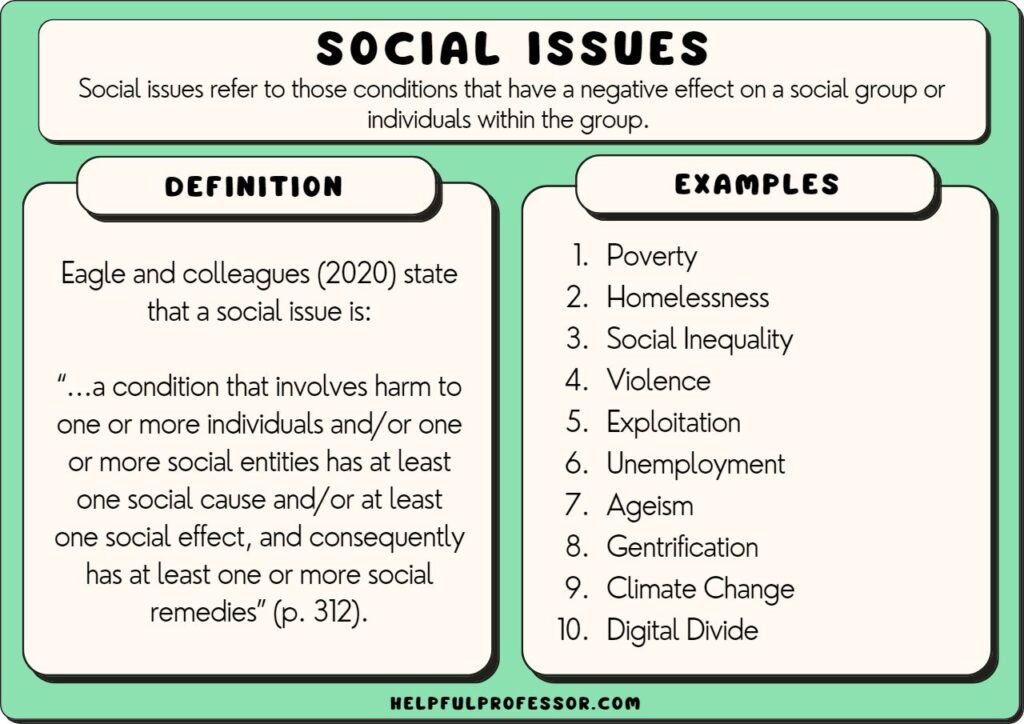
The Digital Divide: A Foundation of Inequality
The digital divide stands as one of the most fundamental sociological issues exacerbated by technology. It refers to the gap between those who have ready access to the internet and communication technologies and those who do not. This isn’t merely about owning a device; it encompasses access to reliable high-speed internet, appropriate hardware, and the digital literacy necessary to effectively utilize these tools for education, employment, and civic engagement.
Unequal Access to Resources
Access to essential digital resources is far from universal. In many regions, particularly rural or low-income urban areas, the infrastructure for high-speed internet remains insufficient or prohibitively expensive. This creates a significant barrier for individuals who cannot afford reliable internet services or the necessary devices such as laptops or smartphones. Public libraries and community centers often attempt to bridge this gap, but their resources are frequently overstretched and cannot fully compensate for consistent home access. Without these basic tools, individuals are effectively locked out of a growing number of societal functions, from online learning to telemedicine.
Socioeconomic and Geographic Disparities
The digital divide often mirrors existing socioeconomic and geographic disparities. Communities with lower median incomes or higher rates of poverty disproportionately lack adequate digital access. Geographically, rural populations frequently suffer from a lack of investment in broadband infrastructure compared to their urban counterparts. These disparities are not accidental; they are products of historical inequalities and market forces that prioritize profitable areas, leaving marginalized communities further behind. The consequence is a deepening of pre-existing divides, where access to technology becomes another marker of social stratification.
Impact on Opportunity
The lack of digital access has profound impacts on individual and collective opportunities. In education, students without internet access at home struggle with online assignments, research, and remote learning, putting them at a significant disadvantage compared to their digitally connected peers. In the job market, the overwhelming majority of applications are now submitted online, and many entry-level jobs require digital proficiency. Those without these skills or access are effectively shut out from numerous employment opportunities. Furthermore, civic participation, healthcare access, and even access to government services are increasingly migrating online, making digital inclusion a prerequisite for full societal participation and upward mobility.
Algorithmic Bias and Ethical AI
As artificial intelligence (AI) becomes more integrated into daily life, a critical sociological issue has emerged: algorithmic bias. This refers to systematic and repeatable errors in a computer system that create unfair outcomes, such as favoring one arbitrary group over others. These biases are not inherent to the technology itself but are products of the human data used to train AI and the design choices made by developers.
Reinforcing Human Prejudices
AI systems learn by processing vast amounts of data. If this data reflects historical or societal biases, the AI will internalize and often amplify those prejudices. For instance, if an algorithm designed for hiring is trained on past hiring data where certain demographic groups were historically underrepresented in specific roles, the AI might learn to unfairly deprioritize candidates from those groups, perpetuating existing inequalities. Similarly, facial recognition technologies have shown higher error rates for individuals with darker skin tones or women, due to training datasets disproportionately featuring lighter-skinned men. This demonstrates how seemingly neutral technology can become a vehicle for reinforcing and institutionalizing societal biases.
Consequences in Critical Systems
The implications of algorithmic bias are particularly severe when AI is deployed in critical systems such as criminal justice, finance, and healthcare. In criminal justice, biased algorithms used for risk assessment can lead to harsher sentencing or denial of parole for certain demographic groups. In finance, loan approval algorithms can disproportionately deny credit to minority applicants. In healthcare, diagnostic AI trained on unrepresentative datasets might misdiagnose or provide less effective treatment recommendations for specific patient populations. These biases do not just result in inconvenience; they can profoundly affect individuals’ lives, livelihoods, and fundamental rights, deepening existing social inequalities and eroding public trust in institutions.
The Call for Responsible AI Development
Addressing algorithmic bias is a significant ethical and sociological imperative. It requires a multi-faceted approach, including diversifying training data, developing fairness metrics, implementing rigorous testing and auditing processes, and ensuring diverse teams are involved in AI development. Beyond technical solutions, it necessitates critical conversations about the societal values embedded in AI systems and the establishment of clear ethical guidelines and regulatory frameworks. The goal is to move towards responsible AI development that prioritizes fairness, transparency, and accountability, mitigating the risk of technology inadvertently reinforcing discrimination and injustice.
Digital Security, Privacy, and Surveillance

The digital age has brought unprecedented connectivity but also profound sociological challenges related to security, privacy, and surveillance. The vast amounts of personal data generated online, coupled with increasingly sophisticated technological capabilities, raise fundamental questions about individual autonomy, trust, and the boundaries of state and corporate power.
Data Breaches and Identity Theft
The proliferation of personal data across countless online platforms makes individuals highly vulnerable to data breaches and identity theft. When sensitive information—such as names, addresses, financial details, and health records—is stolen, it can lead to severe financial hardship, emotional distress, and long-term consequences for victims. Beyond individual harm, large-scale data breaches erode public trust in institutions, impacting businesses, governments, and critical infrastructure. The constant threat of cyberattacks is not merely a technical problem; it’s a sociological issue that forces individuals and organizations to perpetually manage risk in their digital lives, often with limited resources or expertise.
State and Corporate Surveillance
Technological advancements have also enabled extensive state and corporate surveillance, raising serious concerns about privacy and civil liberties. Governments utilize sophisticated tools for monitoring citizens’ communications, tracking movements, and analyzing online behavior, often under the guise of national security. While legitimate security concerns exist, the potential for abuse—such as targeting political dissenters or minority groups—is immense. Similarly, corporations collect vast quantities of user data for targeted advertising, personalization, and market analysis. While often framed as beneficial for consumers, this constant data collection can lead to manipulative practices, the creation of “filter bubbles,” and the commodification of personal information, transforming individuals from citizens into mere data points.
The Right to Privacy in a Connected World
The tension between technological innovation and the fundamental right to privacy is a defining sociological issue of our time. As more aspects of life move online, the expectation of privacy diminishes, and individuals face an ongoing struggle to control their digital footprint. Debates rage over the appropriate balance between security needs, corporate interests, and individual rights. This necessitates robust legal frameworks, ethical guidelines for data handling, and technological solutions that prioritize privacy by design. Ensuring that individuals retain agency over their personal information and are protected from unwarranted intrusion is critical for fostering trust, democratic participation, and a healthy civil society in the digital age.
Social Media’s Multifaceted Sociological Impact
Social media platforms have become indispensable channels for communication, information, and interaction, profoundly altering social dynamics and creating a new set of sociological issues. While offering immense benefits in connectivity, they also present significant challenges to mental well-being, social cohesion, and democratic processes.
Mental Health and Well-being
The pervasive use of social media has been linked to various mental health concerns, particularly among younger generations. The constant exposure to idealized lifestyles, curated images, and the pressure to present a perfect self can foster feelings of inadequacy, anxiety, and depression. Cyberbullying, a virulent form of harassment facilitated by the anonymity and reach of online platforms, inflicts severe psychological harm, often with devastating consequences. The addictive nature of social media, designed to maximize engagement, can also lead to excessive screen time, sleep deprivation, and a decline in real-world social interactions, collectively impacting users’ overall well-being.
Misinformation, Polarization, and Democracy
Social media platforms have emerged as powerful conduits for the rapid spread of misinformation, disinformation, and propaganda. Algorithms designed to maximize engagement often prioritize emotionally charged or controversial content, inadvertently creating “echo chambers” where individuals are primarily exposed to information that confirms their existing beliefs. This can lead to increased political and social polarization, making constructive dialogue and consensus-building more difficult. The unchecked dissemination of false narratives undermines public trust in institutions, scientific expertise, and the media, posing a direct threat to democratic processes and societal stability by eroding shared understandings of reality.
Formation of Online Communities and Activism
Despite its challenges, social media has also fostered new forms of social organization and collective action, creating powerful online communities around shared interests, identities, and causes. These platforms have been instrumental in mobilizing social movements, enabling rapid communication, organizing protests, and raising awareness about sociological issues globally. From #BlackLivesMatter to environmental activism, social media provides a voice for marginalized groups, facilitates cross-border solidarity, and empowers individuals to participate in civic life in unprecedented ways. This duality highlights social media’s complex role as both a source of and a solution to certain sociological challenges, shaping the future of activism and community building.
Automation, Employment, and the Future of Work
The accelerating pace of automation and the rise of advanced robotics and AI are transforming the global economy, presenting significant sociological issues related to employment, labor rights, and the very nature of work. As technology takes over tasks previously performed by humans, societies grapple with the implications for job security, income inequality, and the fundamental structure of the labor market.
Job Displacement and Reskilling Challenges
One of the most pressing sociological concerns stemming from automation is job displacement. Routine, repetitive tasks across various sectors, from manufacturing to customer service, are increasingly being performed by machines and algorithms. While automation can boost productivity and create new types of jobs, it often leads to significant job losses in specific industries, leaving large segments of the workforce vulnerable. The challenge is compounded by the need for massive reskilling and upskilling initiatives to prepare displaced workers for the jobs of the future, which often require advanced digital literacy, critical thinking, and problem-solving skills. Without adequate investment in education and training, technological progress risks exacerbating unemployment and widening socioeconomic gaps.
The Gig Economy and Labor Rights
The digital revolution has also fueled the rise of the gig economy, characterized by temporary, flexible jobs, often mediated by online platforms. While offering flexibility and new income opportunities for some, the gig economy raises profound sociological questions about labor rights, worker protections, and economic security. Gig workers often lack traditional employee benefits such as health insurance, paid leave, and retirement plans, and they typically do not have collective bargaining rights. This precarious form of employment can lead to income instability, increased economic anxiety, and a weakening of the social safety net, challenging established labor laws and social welfare models designed for a different era of work.

Societal Adaptation to Technological Unemployment
As automation continues to advance, societies face the complex task of adapting to potentially significant levels of technological unemployment or underemployment. This includes exploring novel policy responses such as universal basic income (UBI), which aims to provide all citizens with a regular, unconditional income to ensure economic security amidst job market shifts. Debates also revolve around redefining the value of work, investing in social services, and fostering new economic models that prioritize human well-being over sheer production efficiency. Addressing these challenges requires not only technological innovation but also profound social innovation, ethical considerations, and proactive policymaking to ensure that the benefits of automation are widely shared and that technological progress contributes to a more equitable and stable society.
aViewFromTheCave is a participant in the Amazon Services LLC Associates Program, an affiliate advertising program designed to provide a means for sites to earn advertising fees by advertising and linking to Amazon.com. Amazon, the Amazon logo, AmazonSupply, and the AmazonSupply logo are trademarks of Amazon.com, Inc. or its affiliates. As an Amazon Associate we earn affiliate commissions from qualifying purchases.