
In an increasingly connected world, where information is just a click away, understanding our own health often begins with a simple, sometimes perplexing, observation. One such common query that sends many to their search engines is “What does thick saliva mean?” While seemingly a minor detail, changes in bodily functions, even subtle ones like saliva consistency, can be indicators of underlying health states. However, in our digital era, the quest for answers extends far beyond traditional medical advice. It intertwines with the omnipresent influence of technology, the pervasive strategies of branding, and the undeniable financial implications that shape our approach to health and wellness. This article delves into the core question of thick saliva, then broadens its scope to explore how modern digital landscapes—encompassing tech innovations, brand narratives, and financial considerations—inform, and at times complicate, our health journeys.

Understanding Thick Saliva: The Biological Basics and Common Concerns
Before we navigate the digital currents, it’s crucial to anchor ourselves in the biological realities of what thick saliva signifies. Saliva, a multifaceted fluid produced by our salivary glands, plays a critical role in maintaining oral health, initiating digestion, and even speaking. Its normal consistency is clear, watery, and relatively abundant. Any deviation from this, particularly an increase in viscosity, often prompts concern.
The Role of Saliva in Oral Health and Digestion
Saliva is far more than just “spit.” It’s a complex fluid composed primarily of water, but also containing electrolytes, mucus, enzymes, and antibacterial compounds. Its functions are numerous:
- Lubrication: It moistens the mouth, making it easier to speak, chew, and swallow.
- Digestion: Enzymes like amylase begin the breakdown of starches in food.
- Protection: It cleanses the mouth of food debris, neutralizes acids produced by bacteria, and contains antibodies that fight pathogens, thereby preventing tooth decay and gum disease.
- Taste: It dissolves food compounds, allowing taste buds to detect flavors.
A reduction in saliva production (xerostomia or dry mouth) or an alteration in its composition, leading to a thicker consistency, can disrupt these vital functions, leading to discomfort and potentially more serious health issues over time.
Medical Explanations for Altered Saliva Consistency
When saliva becomes noticeably thick, stringy, or frothy, it’s a signal that something within the body’s delicate balance might be off. While often benign and temporary, it’s worth understanding the common culprits:
- Dehydration: This is by far the most common cause. When the body lacks sufficient fluids, it conserves water, leading to a decrease in the watery component of saliva. The remaining saliva becomes more concentrated with proteins and mucins, making it feel thick. Symptoms often include thirst, dry mouth, and infrequent urination.
- Medications: A vast array of prescription and over-the-counter drugs can cause dry mouth as a side effect, subsequently leading to thicker saliva. These include antihistamines, decongestants, antidepressants, anti-anxiety medications, muscle relaxants, and certain blood pressure medications.
- Mouth Breathing: Chronic mouth breathing, often due to nasal congestion, allergies, or sleep apnea, dries out the mouth, making saliva feel thicker, especially upon waking.
- Health Conditions: Several medical conditions can impact saliva production and consistency. These include Sjögren’s syndrome (an autoimmune disorder), diabetes, cystic fibrosis, HIV/AIDS, and radiation therapy to the head and neck. Salivary gland infections or blockages can also affect saliva flow.
- Lifestyle Factors: Excessive alcohol consumption, smoking, and caffeine can contribute to dehydration and dry mouth.
- Oral Health Issues: Poor oral hygiene can sometimes exacerbate the feeling of thick saliva due to bacterial overgrowth.
When to Seek Professional Medical Advice
While occasional thick saliva, particularly when linked to temporary dehydration, is rarely cause for alarm, persistent changes warrant a conversation with a healthcare professional. If thick saliva is accompanied by other symptoms such as difficulty swallowing or speaking, unexplained weight loss, persistent dry mouth despite adequate hydration, pain in the salivary glands, or if it interferes significantly with daily life, seeking medical advice is prudent. A doctor can help diagnose the underlying cause and recommend appropriate treatment or management strategies.
Tech’s Role in Health Information and Diagnostics: From Symptom Checkers to AI-Powered Insights
The digital revolution has fundamentally reshaped how individuals access health information and engage with diagnostics. The query “what does thick saliva mean” might historically have led someone directly to a doctor; today, it invariably begins with a search engine. Technology’s pervasive influence means that understanding health is now an interactive, sometimes overwhelming, digital experience.
The Digital Transformation of Health Information Access
The internet has democratized access to medical knowledge, creating a landscape where reputable sources like WebMD, Mayo Clinic, and NIH coexist with forums, blogs, and social media. AI-powered symptom checkers have emerged as a first point of contact for many, offering preliminary insights based on reported symptoms. These tools, while not replacements for professional medical advice, can help users understand potential conditions and decide whether a doctor’s visit is necessary. For a symptom like thick saliva, these platforms can quickly list common causes, suggest initial remedies (like increased water intake), and highlight red-flag symptoms that warrant professional consultation. This instant accessibility has empowered individuals to be more informed advocates for their own health, though it also places a significant burden on users to discern credible information from misinformation.
Wearable Tech and Personal Health Monitoring
Beyond information access, technology is enabling proactive health management through personal monitoring devices. Wearable gadgets like smartwatches and fitness trackers, initially focused on steps and heart rate, are now sophisticated health companions. While not directly measuring saliva consistency, they offer crucial data points that can indirectly relate to conditions causing it. Hydration trackers, often integrated into apps or smart water bottles, remind users to drink enough water, directly addressing the most common cause of thick saliva. Sleep monitors can detect sleep apnea, a condition that often leads to mouth breathing and subsequent dry, thick saliva. Continuous glucose monitors (CGMs) for diabetics provide real-time data that can highlight blood sugar fluctuations, a known factor in salivary changes. This ecosystem of connected devices fosters a culture of self-awareness and preventative health, allowing individuals to identify patterns and make lifestyle adjustments before minor issues escalate.
Future of Diagnostics: AI, Telemedicine, and Predictive Health Analytics
The horizon of health tech promises even more profound shifts. Artificial intelligence is rapidly advancing beyond basic symptom checking, moving into diagnostic assistance and predictive analytics. AI algorithms can analyze vast datasets—including genetic information, medical history, and even environmental factors—to identify disease risks or suggest personalized treatment plans. For complex cases involving saliva changes, AI could potentially correlate symptoms with unique patient profiles more effectively than human analysis alone. Telemedicine, accelerated by recent global events, has normalized remote consultations, making healthcare more accessible and convenient. Patients can discuss their symptoms, including changes like thick saliva, with doctors from their homes, reducing geographical barriers and wait times. Furthermore, the burgeoning field of predictive health analytics aims to identify health risks before symptoms manifest, offering preventative interventions. Imagine a future where subtle biomarkers, perhaps even in saliva itself, analyzed by miniature, portable devices, could flag early indicators of systemic issues, revolutionizing preventative care.
Branding Health: Trust, Authority, and the Peril of Pseudoscience
In the digital realm, health is not just about biology and technology; it’s also a heavily branded commodity. From pharmaceutical giants to individual wellness influencers, the way health information, products, and services are packaged and presented significantly influences public perception and choices. Understanding the dynamics of health branding is crucial in navigating the often-murky waters of online health advice.
Building Trust in Health Brands
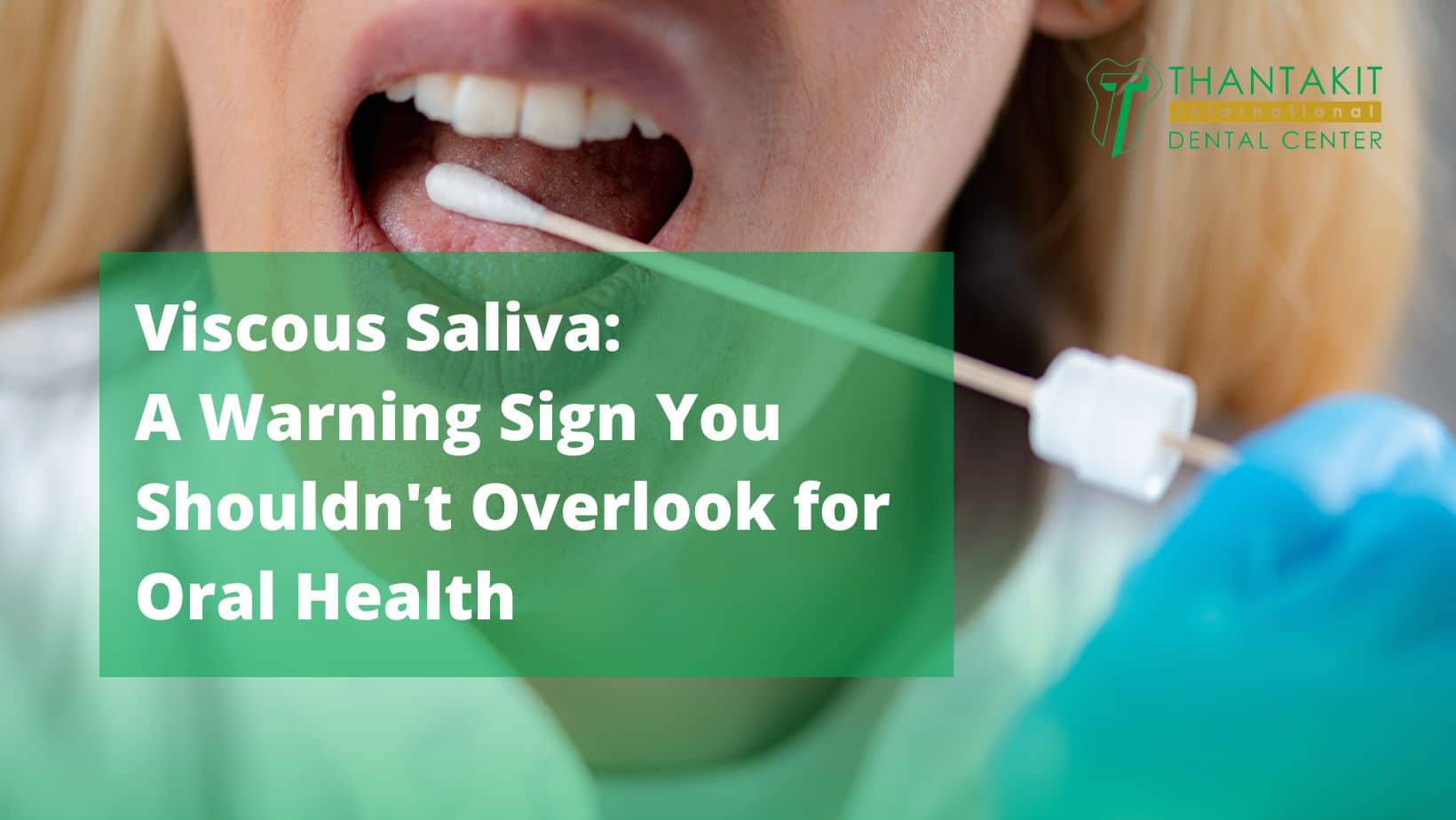
Reputable health brands, whether pharmaceutical companies, medical institutions, or wellness product manufacturers, invest heavily in building trust and authority. This involves rigorous scientific research, transparent communication, adherence to regulatory standards, and often, collaboration with respected medical professionals. For conditions like persistent thick saliva, a brand might develop specific oral care products or hydration solutions, backing their claims with clinical trials and expert endorsements. A strong brand identity in healthcare signifies reliability, efficacy, and ethical practice. It reassures consumers that the advice they receive or the products they use are grounded in science and designed for genuine well-being. This trust is paramount, especially when individuals are seeking solutions for worrying symptoms.
Personal Branding for Health Professionals and Influencers
The rise of social media has given birth to a new category of health communicators: personal brands. Doctors, nutritionists, fitness coaches, and even individuals sharing their personal health journeys now cultivate online personas that attract millions of followers. For someone researching “thick saliva,” they might encounter a dentist’s TikTok explaining common causes or a wellness influencer promoting a specific hydration routine. These personal brands often excel at making complex health information accessible and relatable. They build communities, foster engagement, and can inspire positive health behaviors. However, the efficacy and ethical standing of personal branding vary widely. While many provide valuable, evidence-based content, others might prioritize engagement or monetization over accuracy, blurring the lines between information and entertainment, or worse, promoting unverified claims.
The Dark Side of Branding: Misinformation, Quackery, and Exploiting Health Anxieties
The flip side of health branding is the insidious spread of misinformation and the exploitation of health anxieties. The anonymity and reach of the internet make it a fertile ground for “quackery” – the promotion of unproven or fraudulent medical practices. Brands built on pseudoscience often capitalize on the fear and desperation that can accompany unexplained symptoms like persistent thick saliva. They might market expensive, unverified supplements, “detox” protocols, or alternative therapies with grand, unscientific claims. These brands frequently employ emotionally charged language, anecdotal evidence, and conspiracy theories to undermine trust in conventional medicine, preying on vulnerable individuals seeking quick fixes or magical cures. Recognizing the hallmarks of such branding – lack of scientific evidence, exaggerated claims, personal testimonials over clinical data, and promises of “secret” remedies – is vital for consumers to protect their health and their wallets.
The Financial Implications of Health: Costs, Investments, and the Wellness Economy
Health, particularly in the digital age, has significant financial dimensions. From personal out-of-pocket expenses to multi-billion-dollar industries, money shapes access to care, incentivizes innovation, and fuels a vast wellness economy. Understanding these financial currents is crucial for anyone navigating their health journey, especially when seeking answers to concerns like “what does thick saliva mean.”
Personal Finance and Healthcare Expenses
For an individual experiencing persistent thick saliva, the financial journey begins with the cost of diagnosis and potential treatment. This includes doctor’s visits, diagnostic tests (e.g., blood tests, salivary gland imaging), and prescription medications. Health insurance plays a critical role here, determining out-of-pocket expenses through deductibles, co-pays, and co-insurance. For those without adequate insurance, the financial burden can be substantial, potentially delaying or preventing access to necessary care. Furthermore, managing chronic conditions that might cause thick saliva (like diabetes or Sjögren’s syndrome) entails ongoing costs for medication, specialized care, and lifestyle adjustments. Preventative care, while often seen as an investment, also has financial implications, from gym memberships to healthier food choices. Personal financial planning must increasingly account for these unpredictable yet inevitable healthcare costs, making budgeting for health a critical component of overall financial well-being.
Investing in Health Tech and Biotech
Beyond personal expenses, the health sector represents a massive investment opportunity. The very technologies that empower individuals to research “thick saliva” or monitor their health are products of significant financial backing. Venture capital flows into health tech startups developing AI diagnostic tools, telemedicine platforms, and wearable health devices. Biotechnology companies invest billions in research and development for new drugs, therapies, and medical devices that address a spectrum of health conditions, potentially including those related to salivary gland function. Investing in this sector is not just about profit; it’s about backing innovations that could revolutionize healthcare, extend lifespans, and improve quality of life. For the financially savvy, understanding the trends in health tech and biotech provides avenues for both capital growth and contributing to a healthier future.
The Online Income Stream of Wellness: Digital Products, Consultations, and Affiliate Marketing
The digital age has also birthed a thriving “wellness economy” where health is monetized through various online income streams. Individuals, leveraging their personal brands and expertise, offer digital products like e-books on hydration, online courses on stress reduction (which can impact salivary function), or personalized coaching sessions. These services can address specific health concerns or promote general well-being. Telehealth platforms provide doctors and specialists with new avenues for consultations, expanding their reach beyond geographical limitations and creating additional income streams. Affiliate marketing plays a significant role, where influencers or content creators earn commissions by promoting health-related products – from water filters to specialized oral care items – that might indirectly address issues like thick saliva. While many of these ventures offer genuine value, it’s essential for consumers to be discerning, recognizing that the proliferation of online “experts” and product recommendations is often driven by financial incentives, requiring critical evaluation of claims and endorsements.
Navigating Your Health Journey: A Balanced Approach in the Digital Landscape
The journey of understanding a symptom like “thick saliva” in the digital age is a microcosm of a larger societal shift. It highlights the unprecedented access to information and tools, the persuasive power of branding, and the intricate financial web that surrounds health. Navigating this landscape effectively requires a balanced, informed, and critical approach.
Critical Evaluation of Online Health Information
The first line of defense against misinformation, particularly when researching health symptoms, is critical thinking. When faced with search results for “thick saliva,” prioritize reputable sources such as established medical institutions, government health organizations, and peer-reviewed journals. Be wary of sensational claims, anecdotal evidence presented as scientific fact, and websites that promote products as miraculous cures. Cross-reference information from multiple reliable sources and always question the source’s authority and potential biases. Understanding the basic science behind conditions, as outlined earlier, provides a valuable framework for discerning fact from fiction.
Leveraging Technology for Proactive Health Management
Technology, when used wisely, can be a powerful ally in health management. Utilize symptom checkers as a guide, not a definitive diagnosis. Embrace wearable tech for passive monitoring of hydration, sleep, and activity levels, interpreting the data as insights into your body’s patterns. Explore telemedicine options for convenient and timely consultations with healthcare professionals, especially for initial assessments of symptoms like persistent thick saliva. Keep abreast of advancements in AI and predictive analytics, recognizing their potential to personalize and improve future healthcare, but always remembering that human medical expertise remains paramount. The goal is to integrate these tools into a comprehensive health strategy that complements, rather than replaces, professional medical guidance.

Financial Wisdom for Long-Term Well-being
Finally, a proactive approach to health must encompass financial wisdom. Understand your health insurance coverage thoroughly to avoid unexpected costs. Prioritize preventative care, as investing in your health now can prevent more expensive problems later. Be discerning about health-related products and services promoted online, especially those with high price tags and unverified claims. Allocate resources for regular check-ups and necessary medical interventions. Recognize that genuine health solutions, while sometimes costly, often provide long-term benefits that outweigh the allure of quick, cheap fixes. By aligning personal finance with a commitment to well-being, individuals can build a resilient foundation for managing health challenges throughout their lives.
In conclusion, the simple question “what does thick saliva mean” opens a portal into a complex interplay of biology, technology, branding, and economics. By understanding these interconnected domains, individuals are better equipped to navigate their health journeys, make informed decisions, and ultimately, foster greater well-being in an ever-evolving digital world.
aViewFromTheCave is a participant in the Amazon Services LLC Associates Program, an affiliate advertising program designed to provide a means for sites to earn advertising fees by advertising and linking to Amazon.com. Amazon, the Amazon logo, AmazonSupply, and the AmazonSupply logo are trademarks of Amazon.com, Inc. or its affiliates. As an Amazon Associate we earn affiliate commissions from qualifying purchases.