
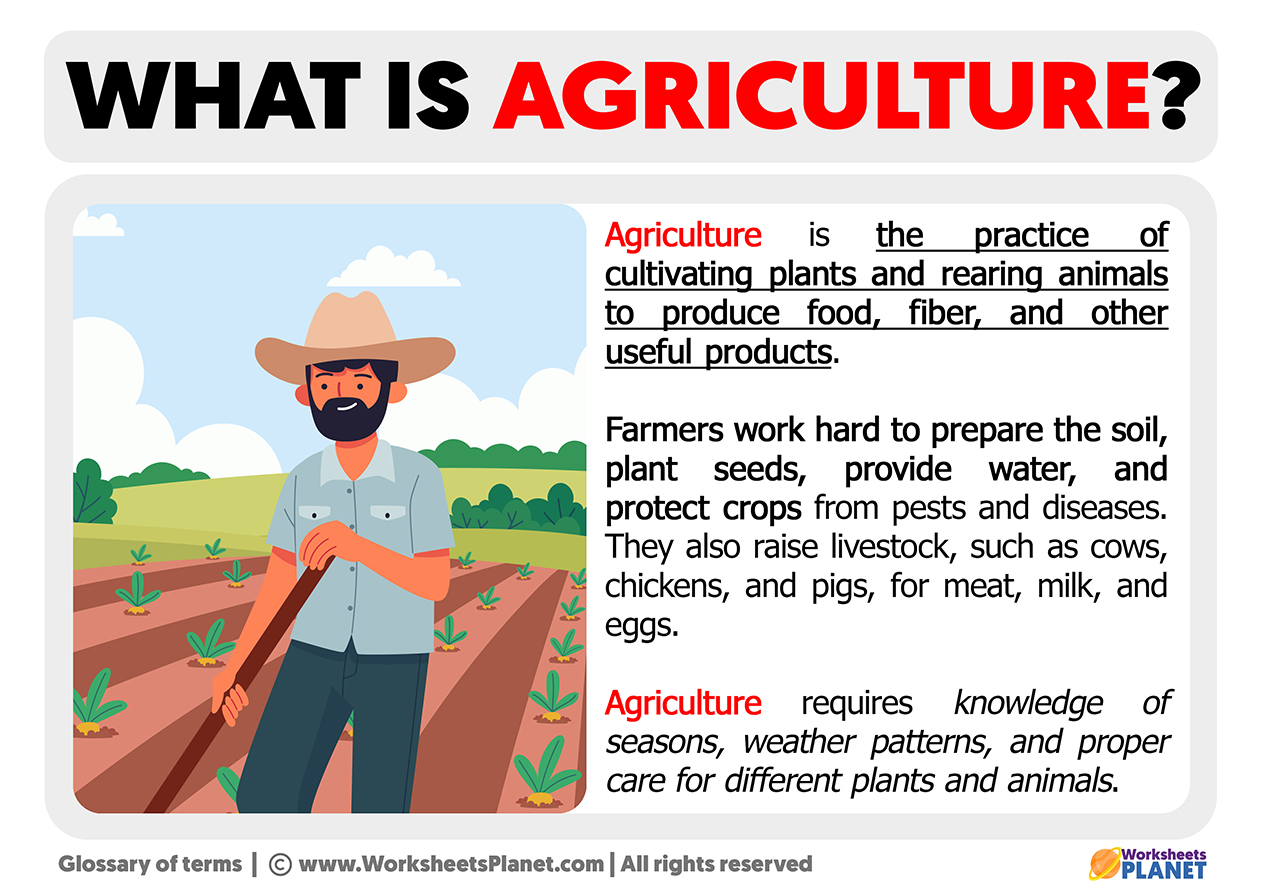
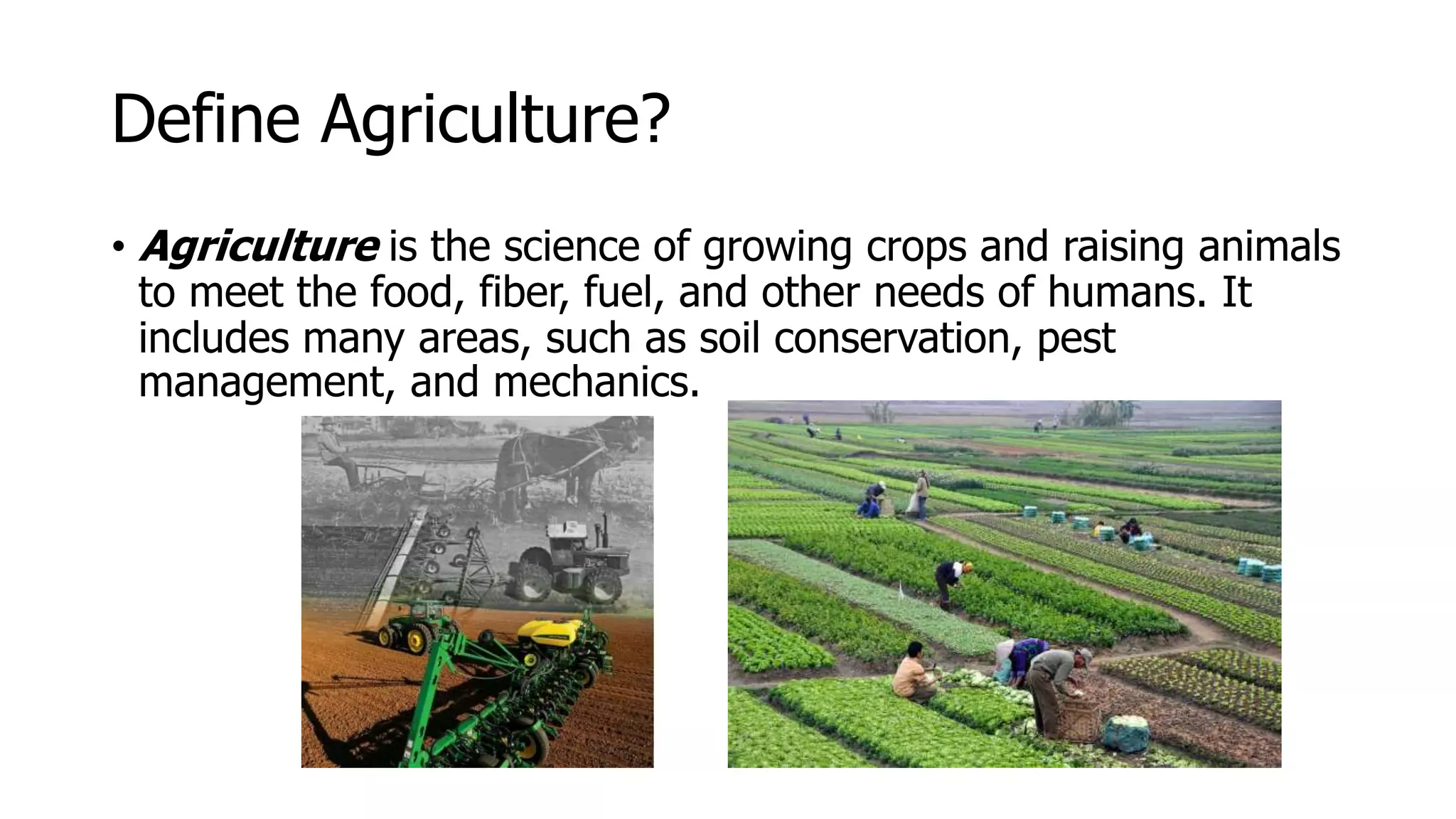
Agriculture, at its most fundamental, refers to the science, art, and practice of cultivating the soil, producing crops, and raising livestock. It encompasses the entire spectrum of activities involved in transforming natural resources into food, fiber, fuel, and other raw materials essential for human sustenance and economic activity. Historically, its meaning has centered on human survival and community building, providing the stable food sources that allowed civilizations to flourish. Today, while these core tenets remain, the meaning of agriculture has been profoundly reshaped and expanded by technological advancements, transforming it from a purely manual endeavor into a highly sophisticated, data-driven, and interconnected global industry. In the 21st century, understanding agriculture means grappling with its technological backbone, from precision farming tools to advanced biotechnologies and digital supply chain solutions.
The Foundational Role of Agriculture: A Timeless Definition in a Digital Age
The essence of agriculture lies in its capacity to harness natural processes for human benefit. Early forms involved simple tools and an intimate understanding of local ecosystems. This basic definition—the deliberate cultivation of plants and rearing of animals—is immutable. However, the meaning of this cultivation has evolved dramatically with each industrial and now, digital, revolution. What once symbolized arduous manual labor now increasingly represents high-tech engineering, genetic innovation, and complex logistical orchestration.
From Sustenance to Smart Industry
For millennia, agriculture’s primary meaning was direct sustenance. Farmers produced food for themselves and their immediate communities. The advent of mechanization in the industrial era introduced efficiency and scale, shifting agriculture towards an industry. The digital age has pushed this transformation further, embedding technology at every stage. Today, “agriculture meaning” is intrinsically linked to “smart agriculture” or “Agriculture 4.0,” where data, automation, and connectivity are not just tools but defining characteristics of the practice itself. This shift not only impacts how food is produced but also influences land use, resource management, and global food security in ways previously unimaginable. The conversation about agriculture is now inseparable from discussions about artificial intelligence, Internet of Things (IoT), biotechnology, and blockchain, all of which redefine its operational meaning and strategic importance.
Precision Agriculture: Redefining Cultivation Through Data and Automation
Precision agriculture stands as a prime example of how technology has redefined the meaning of farming. Instead of treating entire fields uniformly, precision agriculture utilizes advanced digital tools to observe, measure, and respond to variability within and between fields. This data-driven approach allows for optimized resource allocation, reducing waste and increasing yields, fundamentally altering the traditional broad-stroke approach to cultivation. It means moving beyond guesswork to informed, real-time decision-making.
IoT and Sensors: The Eyes and Ears of the Farm
The widespread deployment of IoT devices and sophisticated sensors has given farms unprecedented “eyes and ears.” Soil moisture sensors, nutrient level detectors, weather stations, and drone-mounted cameras collect vast amounts of granular data. These technologies monitor environmental conditions, crop health, and even livestock vital signs with unparalleled accuracy. The meaning of “monitoring” in agriculture has thus transformed from visual inspection to continuous, automated data collection, enabling proactive intervention rather than reactive problem-solving. This connectivity means a farmer can monitor conditions across vast acreage from a mobile device, effectively shrinking the farm to the palm of their hand.
AI and Machine Learning: Intelligent Decision-Making
The deluge of data generated by IoT devices would be overwhelming without Artificial Intelligence (AI) and Machine Learning (ML). These technologies are crucial for processing, analyzing, and deriving actionable insights from complex agricultural datasets. AI algorithms can predict crop yields, identify pest outbreaks, optimize irrigation schedules, and even guide autonomous machinery. This means agriculture is increasingly about predictive analytics and automated intelligence. The “meaning” of a farm decision shifts from human intuition alone to a collaborative effort between human expertise and machine intelligence, leading to more efficient, sustainable, and productive outcomes. AI-powered systems can learn from past seasons, adapt to changing conditions, and provide recommendations that maximize output while minimizing environmental impact.
Biotechnology and Genetic Engineering: Shaping Future Yields and Resilience
Beyond the field, the meaning of agriculture is also being reshaped in laboratories through biotechnology and genetic engineering. These advanced scientific tools allow for precise modifications to crops and livestock, addressing challenges like disease resistance, nutritional value, and adaptation to climate change. The narrative of agriculture moves beyond merely growing what nature provides to actively engineering more robust and efficient organisms.
Gene Editing for Enhanced Traits
CRISPR and other gene-editing technologies have revolutionized plant and animal breeding. Scientists can now precisely alter DNA sequences to introduce desirable traits, such as drought tolerance in corn, disease resistance in potatoes, or enhanced nutritional content in various crops. This means the future of agriculture is intertwined with sophisticated genomic science, pushing the boundaries of what plants and animals can achieve. The traditional meaning of “crop improvement” has moved from selective breeding over generations to targeted genetic interventions within a single generation, accelerating the development of superior varieties. This allows agriculture to overcome natural limitations and adapt more rapidly to evolving environmental and market demands.
Vertical Farming and Controlled Environments
Complementing genetic advancements, controlled environment agriculture (CEA), including vertical farms and greenhouses, utilizes technology to create optimal growing conditions independent of external climate. LED lighting, hydroponics, aeroponics, and precise climate control systems allow for year-round production with minimal land and water usage. This means agriculture is no longer strictly bound to vast open fields but can thrive in urban centers or harsh climates, redefining our understanding of where food can be produced. It democratizes food production, reduces transportation costs, and offers new models for fresh, local produce, radically changing the spatial meaning of a farm.
Supply Chain Digitization: Connecting Farm to Fork with Tech
The meaning of agriculture extends far beyond the farm gate to the complex global supply chains that deliver food to consumers. Here, digital technologies are bringing unprecedented transparency, efficiency, and accountability, transforming how agricultural products move from production to consumption. The concept of “farm to fork” is now being digitally optimized and secured.
Blockchain for Traceability and Transparency
Blockchain technology is emerging as a powerful tool for enhancing traceability and transparency in agricultural supply chains. By creating an immutable, distributed ledger of every transaction and movement, blockchain can track products from their origin to the consumer. This means consumers can verify the authenticity, safety, and ethical sourcing of their food with a simple scan. For producers and retailers, it offers unprecedented visibility, reducing fraud, improving recall efficiency, and building consumer trust. The meaning of “food provenance” moves from vague labels to verifiable digital records, empowering both businesses and consumers.
E-commerce and Direct-to-Consumer Models
Digital platforms and e-commerce solutions have also empowered farmers to connect directly with consumers, bypassing traditional intermediaries. This means agriculture is embracing direct-to-consumer (D2C) models, allowing producers to capture more value from their products and build stronger relationships with their customer base. Online farmers’ markets, subscription box services, and specialized food delivery apps are redefining the distribution channels, making food more accessible and giving farmers greater control over their sales and branding. This shift fundamentally alters the economic meaning of “market access” for small and medium-sized farms.
The Ethical and Environmental Dimensions of Ag-Tech
As technology reshapes the meaning of agriculture, it also brings a heightened focus on ethical considerations and environmental sustainability. The imperative is not just to produce more, but to produce more responsibly, efficiently, and equitably, using technology as a lever for positive change.
Sustainability Through Innovation
Modern agriculture, empowered by technology, carries a renewed meaning of environmental stewardship. Precision agriculture reduces water usage and fertilizer runoff. Vertical farming minimizes land footprint and transportation emissions. Biotechnology can develop crops that require fewer pesticides or are more resilient to climate change impacts. The goal is to maximize yield per unit of input while minimizing ecological harm, making sustainable practices integral to the very definition of modern farming. Technology provides the tools to measure, monitor, and manage environmental impact, enabling agriculture to move towards a net-positive ecological role.
Bridging the Digital Divide
However, the meaning of agriculture in the digital age also highlights the challenge of equity. Access to advanced technology, digital literacy, and reliable internet connectivity are not universally available, particularly in developing regions. Bridging this digital divide is crucial to ensure that the benefits of ag-tech are shared broadly, preventing a scenario where technology further marginalizes smallholder farmers. Inclusive policies and affordable technological solutions are essential to ensure that “agriculture meaning” evolves into a story of widespread prosperity and food security, not just for the technologically advanced, but for all. The ethical dimension of ag-tech means ensuring that innovation serves global food security and farmer livelihoods, truly embodying a comprehensive and inclusive definition of agricultural progress.
aViewFromTheCave is a participant in the Amazon Services LLC Associates Program, an affiliate advertising program designed to provide a means for sites to earn advertising fees by advertising and linking to Amazon.com. Amazon, the Amazon logo, AmazonSupply, and the AmazonSupply logo are trademarks of Amazon.com, Inc. or its affiliates. As an Amazon Associate we earn affiliate commissions from qualifying purchases.