
In the bustling world of live entertainment, securing a coveted ticket often feels like a race against time and an army of fellow fans. Ticketmaster presales, designed to offer early access to tickets before they go on general sale, are at the forefront of this digital competition. Far from a simple early bird special, the intricate mechanics of Ticketmaster presales represent a sophisticated interplay of advanced software, robust network infrastructure, data analytics, and digital security protocols. Understanding how these systems operate under extreme demand is crucial for both fans and industry professionals, shedding light on the technological solutions engineered to manage millions of concurrent user requests and ensure a semblance of fair distribution in a hyper-competitive market. This article dissects the technological underpinnings of Ticketmaster presales, revealing the complex digital processes that orchestrate everything from fan registration to final ticket delivery.
The Technological Foundation of Presale Systems
At its core, Ticketmaster’s presale functionality relies on a powerful and resilient technological ecosystem built to withstand the immense pressures of peak demand. This isn’t merely about opening a virtual storefront early; it’s about deploying a finely tuned machine capable of handling colossal traffic spikes, processing vast amounts of data, and executing secure transactions in real-time.
Backend Infrastructure and Demand Management Algorithms
The backbone of any major online ticketing operation is its backend infrastructure. Ticketmaster employs a distributed, cloud-based architecture capable of scaling dynamically to accommodate fluctuating loads. When a presale goes live, millions of users may attempt to access tickets simultaneously. This necessitates intelligent load balancing algorithms that distribute incoming traffic across multiple servers, preventing any single point of failure and ensuring system stability.
Beyond basic server capacity, sophisticated demand management algorithms are crucial. These systems analyze historical purchasing patterns, anticipate potential bot attacks, and even dynamically adjust resource allocation based on real-time traffic. This includes optimizing database queries to retrieve seat availability instantly and ensuring that the allocation of seats is fair and consistent across all users in the purchasing pipeline. The goal is to create an illusion of seamless interaction, even when the underlying systems are working overtime to process an unprecedented volume of requests.
The Role of User Accounts and Data Personalization
Modern presales are deeply integrated with user accounts, transforming a transactional event into a personalized digital journey. When a fan registers for a Ticketmaster account, they provide data that is later leveraged to streamline the presale experience and, in some cases, verify eligibility. This data includes contact information for notifications, payment details for faster checkout, and fan preferences that might qualify them for specific artist or venue presales.
The system uses this account data for several key functions. Firstly, it acts as an identity layer, linking a unique user to their purchasing history and eligibility. Secondly, it enables personalized notifications, alerting users about upcoming presales for their favorite artists or local venues. Thirdly, and perhaps most importantly for presales, it serves as the foundation for security measures and bot detection. By analyzing user behavior associated with an account – such as login patterns, IP addresses, and transaction velocity – the system can identify and flag suspicious activity, distinguishing legitimate fans from automated bots designed to scalp tickets.
Digital Security Measures and Bot Prevention
The integrity of presales hinges on robust digital security, primarily focused on combating sophisticated bot networks. These automated programs can bypass CAPTCHAs, simulate human browsing behavior, and flood the system to snatch up tickets faster than any human. Ticketmaster invests heavily in advanced anti-bot technologies.
These technologies include:
- Behavioral analytics: Monitoring user actions for patterns indicative of automation (e.g., extremely fast clicks, repetitive actions).
- IP blacklisting and rate limiting: Identifying and blocking suspicious IP addresses, and restricting the number of requests from a single source within a given timeframe.
- CAPTCHA advancements: Moving beyond simple image recognition to more complex, dynamic CAPTCHAs that are harder for bots to solve.
- Device fingerprinting: Analyzing unique attributes of a user’s device to identify and track known bot footprints.
- Machine learning and AI: Continuously learning from past bot attacks to predict and neutralize new threats in real-time.
These measures are critical not only for fair access but also for maintaining the trust of artists, venues, and fans, ensuring that tickets reach their intended audience rather than ending up on secondary markets at inflated prices.
Navigating the Presale Landscape: Types and Access Mechanisms
The term “presale” isn’t monolithic; Ticketmaster hosts various types, each with its own specific access criteria and technological triggers. Understanding these distinctions is key to successfully participating.
Diverse Presale Categories: Understanding Their Digital Triggers
Presales are often segmented to target specific fan groups, leverage marketing partnerships, or reward loyalty. Each category utilizes a different digital mechanism to grant access:
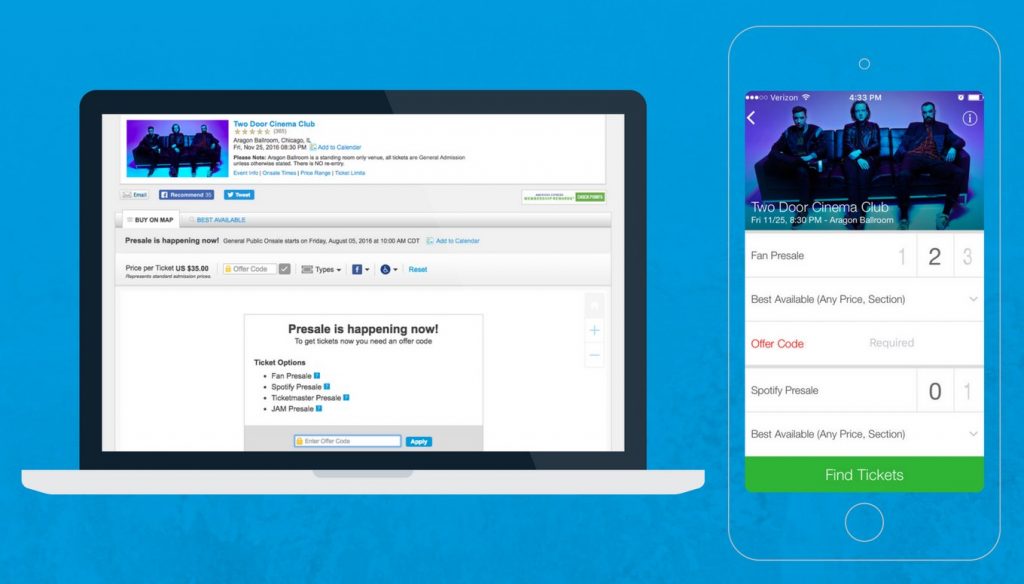
- Artist Presales: Often initiated directly by the artist’s team, these might require membership in an official fan club or a prior purchase (e.g., an album or merchandise). The digital trigger is often tied to an email list or a unique code distributed to verified fan club members.
- Venue Presales: Orchestrated by the concert venue, these might target previous attendees or local residents. Access often comes via a venue newsletter subscription, where codes are distributed digitally.
- Promoter Presales: Organized by the event promoter (e.g., Live Nation), these leverage their own marketing channels and digital outreach to loyal customers.
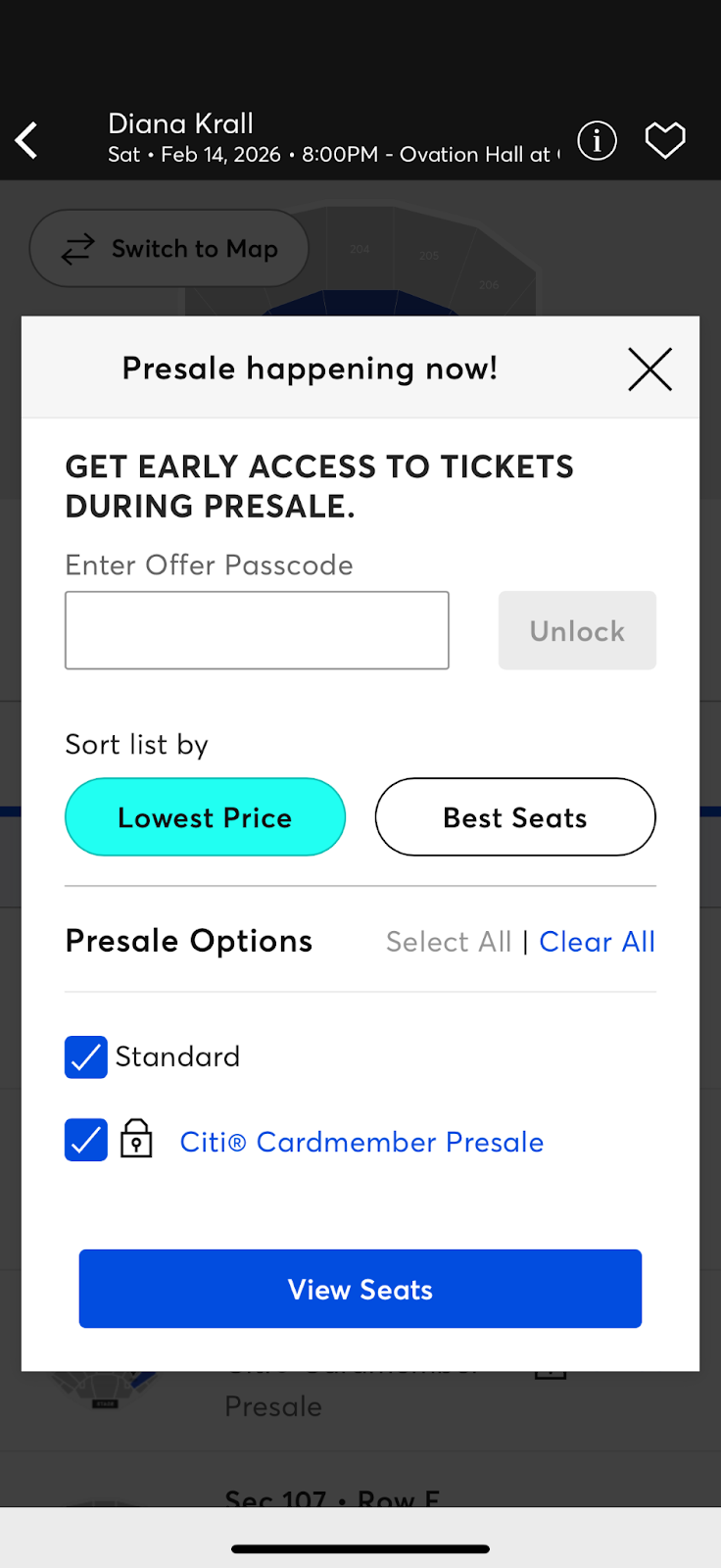
- Credit Card Presales: Partnerships with specific credit card companies (e.g., American Express, Citi) grant cardholders early access. The digital trigger here is often the credit card number itself, which serves as the “code” or a verification mechanism during checkout, processed through secure payment gateway integrations.
- Live Nation Presales: As the parent company of Ticketmaster, Live Nation often runs its own presales, distributing codes through its platform and leveraging its extensive customer database.
Each of these presale types requires Ticketmaster’s system to verify eligibility based on different data points, whether it’s an entered code, a detected IP address, a recognized email domain, or a validated credit card BIN (Bank Identification Number).
Code Distribution and Verification Technologies
Many presales hinge on unique alphanumeric codes. The distribution of these codes is a significant logistical and technical undertaking. For large-scale events, millions of codes might need to be generated and distributed securely, often via email or SMS.
The technology behind this involves:
- Secure Code Generation: Algorithms create unique, often single-use codes that are difficult to guess.
- Mass Digital Distribution Platforms: Integration with email marketing platforms and SMS gateways to send out codes efficiently and reliably to potentially millions of recipients.
- Real-time Code Verification: During the purchase process, Ticketmaster’s system must instantaneously verify if an entered code is valid, unused, and belongs to an eligible presale type. This requires a robust database lookup and validation service, designed for high concurrency.
The challenge is to distribute codes broadly enough to meet demand, yet restrictively enough to prevent abuse and leakage to secondary markets.
The Verified Fan System: An Algorithmic Approach to Fair Access
Ticketmaster’s “Verified Fan” program is perhaps the most technologically advanced presale mechanism designed to combat bots and ensure tickets reach actual fans. It’s a multi-stage process heavily reliant on data science and machine learning.
- Registration and Data Collection: Fans register their interest, providing personal details and preferences. The system collects data points such as name, email, phone number, and links to social media profiles.
- Fan Verification Algorithms: Behind the scenes, sophisticated algorithms analyze this data to identify indicators of human behavior versus bot activity. This involves cross-referencing information, looking for patterns that suggest authenticity (e.g., active social media presence, unique purchasing history) and flagging suspicious characteristics (e.g., multiple registrations from the same IP, disposable email addresses).
- Selection and Notification: A subset of verified fans is randomly selected to receive an access code. This selection often prioritizes fans identified as high-engagement (e.g., frequent concert-goers of a specific artist) or geographically relevant. Codes are then sent via text message, often with a unique link to enter the presale.
- Unique Access: The texted link or code is typically tied to the registered fan’s account, preventing others from using it.
This system aims to create a curated pool of genuine fans, thereby reducing the impact of bots and creating a more equitable chance for real people to purchase tickets. It’s a complex, data-driven approach to democratizing early access.
The Presale Experience: From Digital Waiting Rooms to Secure Transactions
Once a fan has successfully navigated the access mechanisms, the actual purchasing process presents another set of technological challenges, primarily concerning managing high concurrency and ensuring secure, efficient transactions.
The Virtual Queue: Engineering Fair Access Under High Demand
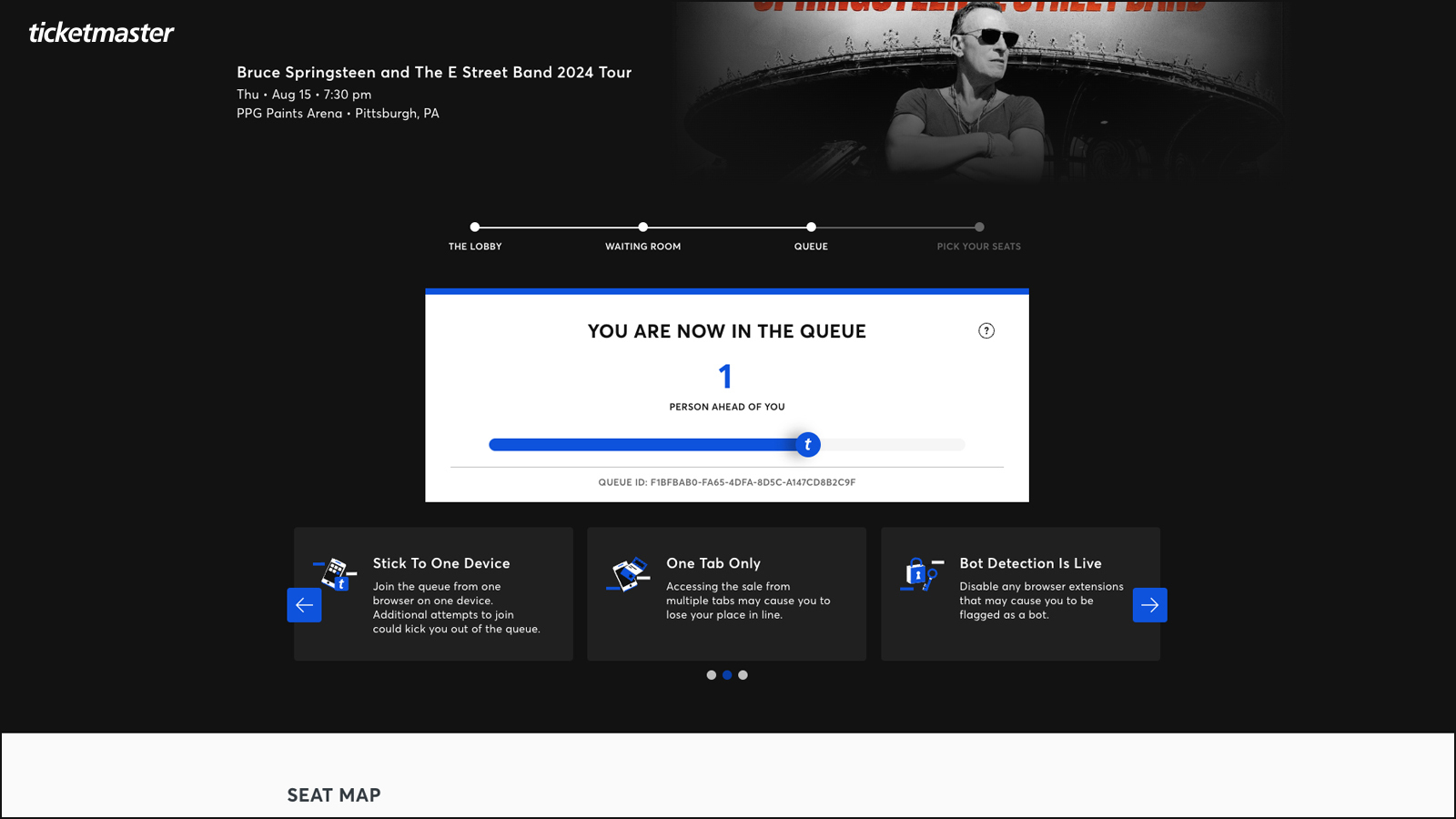
When a presale opens, more fans often have access than there are tickets available. To manage this immense demand without crashing the servers, Ticketmaster employs a virtual queue system. This isn’t just a static waiting page; it’s a dynamic, algorithm-driven system.
- Queue Assignment: Fans who click to enter the presale at or just before the start time are often randomly assigned a place in the queue. Those who arrive later are placed at the end.
- Real-time Position Updates: The system provides real-time updates on a fan’s position in the queue and an estimated wait time. This requires constant communication between the user’s browser and Ticketmaster’s servers.
- Load Management: The queue acts as a buffer, preventing a direct flood of traffic to the main ticket selection and purchase pages. Only a controlled number of users are admitted into the purchase flow at any given time, ensuring the core transactional systems remain stable.
- Session Management: Once a user exits the queue and enters the purchasing portal, their session is managed to prevent timeout issues while they select seats and complete the transaction.
The virtual queue is a crucial piece of engineering designed to provide a structured, albeit sometimes frustrating, experience under extreme load, ensuring that the system doesn’t collapse and that tickets are released systematically.
Optimizing the Purchase Flow: User Interface and Backend Integration
Once inside the ticket selection interface, the technology focuses on user experience and rapid transaction processing. The user interface (UI) for seat selection is highly optimized:
- Dynamic Seat Maps: Interactive seat maps dynamically display available seats in real-time. This requires constant communication with the backend inventory system to update availability as other users select and deselect seats.
- Timed Sessions: To prevent indefinite holds on tickets, users are typically given a limited time (e.g., 5-10 minutes) to complete their selection and proceed to checkout. This timeout mechanism is essential for releasing held tickets back into the inventory if a purchase isn’t finalized.
- Fast Checkout: The checkout process is streamlined, often pre-populating user and payment information from their account. This minimizes the number of steps and reduces the chance of abandonment or system lag during a critical phase.
Behind the scenes, the integration between the UI, the inventory management system, and the payment gateway must be seamless and instantaneous to ensure that a selected seat is immediately held and then secured upon successful payment.
Secure Payment Gateways and Digital Ticket Delivery
The final stage of the presale is the secure transaction. Ticketmaster integrates with robust, PCI DSS compliant payment gateways that encrypt sensitive financial information.
- Encryption and Tokenization: All payment data is encrypted in transit and often tokenized, meaning the actual card details are replaced with a unique, non-sensitive identifier, further enhancing security.
- Fraud Detection: Payment gateways often employ their own advanced fraud detection algorithms to scrutinize transactions for suspicious activity (e.g., unusual purchase amounts, rapid successive purchases).
- Digital Wallet Integration: Support for digital wallets like Apple Pay and Google Pay streamlines the payment process further by leveraging established secure payment ecosystems.
Upon successful payment, digital tickets are often delivered instantly to the user’s Ticketmaster account and mobile app. This digital delivery mechanism replaces physical tickets, offering greater security, reducing fraud (e.g., counterfeit tickets), and providing convenience through mobile entry solutions that integrate with venue scanning technology.
Strategies for Tech-Savvy Fans: Maximizing Your Presale Success
Understanding the underlying technology empowers fans to approach presales more strategically, maximizing their chances of securing tickets.
Pre-Presale Preparation: Account Optimization and System Readiness
Success starts well before the presale even begins.
- Account Hygiene: Ensure your Ticketmaster account is fully updated with current contact information, payment methods, and delivery addresses. A pre-saved credit card can shave off crucial seconds during checkout.
- Password Managers: Use a password manager to securely store credentials and auto-fill login information quickly.
- Software Updates: Ensure your browser, operating system, and the Ticketmaster app are updated to their latest versions to avoid compatibility issues or performance lags.
- Pre-registration for Verified Fan: If applicable, register for the Verified Fan program as early as possible. This allows Ticketmaster’s algorithms ample time to verify your eligibility.
Bandwidth and Device Strategy: Leveraging Your Digital Environment
Your digital environment plays a significant role in your presale experience.
- High-Speed Internet: A stable, high-speed internet connection is paramount. Wired connections are generally more reliable than Wi-Fi during critical moments.
- Single Device Focus: While it might seem counterintuitive, trying to access the presale from multiple browser tabs on the same device can sometimes trigger bot detection algorithms or cause session conflicts. Stick to one primary tab or device.
- Browser Optimization: Close unnecessary tabs and applications to free up RAM and CPU resources. Consider using a streamlined browser profile.
- Multiple Devices (Strategically): If you’re attending with friends, coordinate. Each person can try from their own unique device and IP address. This increases your chances without overloading a single connection or account.
Troubleshooting Common Technical Hurdles
Even with preparation, technical glitches can occur.
- Page Refreshing: If the page freezes or doesn’t load correctly, a simple refresh (F5 or Command+R) is often the first step. However, excessive refreshing can sometimes restart your place in the queue.
- Cache and Cookies: If experiencing persistent issues, clearing your browser’s cache and cookies can resolve many display or session-related problems.
- Browser Alternatives: Having a secondary browser (e.g., Chrome, Firefox, Edge) open as a backup can be helpful if your primary browser encounters an issue.
- Connectivity Check: Before the presale, test your internet speed and connectivity to ensure there are no local network issues.
The Evolving Tech Landscape of Ticketing: Challenges and Future Innovations
The technology behind presales is in a constant state of evolution, driven by the ongoing battle against scalpers and the desire to improve the fan experience.
Combating Scalping: Advanced Bot Detection and Anti-Fraud Systems
The arms race between ticketing platforms and scalping operations continues. Future innovations in anti-bot technology will likely involve even more sophisticated AI and machine learning models capable of predicting new attack vectors. Blockchain technology is also being explored for its potential to create immutable records of ticket ownership, making counterfeiting and unauthorized resale more difficult to conceal. Enhanced identity verification methods, potentially integrating biometrics, could further solidify the link between a ticket and its legitimate owner.
Dynamic Pricing Models and Algorithmic Adjustments
Ticketmaster already employs dynamic pricing, where ticket prices can fluctuate based on real-time demand, similar to airline ticket pricing. This is driven by complex algorithms that analyze supply, demand, historical data, and even external factors. Future advancements might see these algorithms become even more granular and responsive, potentially leading to more fluid pricing that aims to find a market equilibrium and capture more revenue for artists and venues, while theoretically making scalping less profitable by selling tickets closer to their market value.
Blockchain and NFT Ticketing: Exploring Future Possibilities
The emergence of blockchain and non-fungible tokens (NFTs) presents a paradigm shift for ticketing. NFTs could represent unique, digital tickets that are verifiable on a blockchain, offering:
- Immutable Proof of Ownership: Each ticket is a unique digital asset, impossible to counterfeit.
- Transparent Resale Markets: Smart contracts can govern resale rules, potentially allowing artists to earn royalties on resales and setting price caps, thereby disrupting the unregulated secondary market.
- Enhanced Fan Engagement: NFTs could offer additional utilities, such as exclusive content, merchandise discounts, or access to fan experiences, extending beyond mere entry to an event.
While still in its early stages of widespread adoption, the integration of blockchain and NFT technology holds the promise of a more secure, transparent, and fan-centric ticketing ecosystem, fundamentally altering how presales and general sales are conducted in the future.
In conclusion, the Ticketmaster presale system is a marvel of modern digital engineering. It’s a complex, multi-layered technological framework built to manage extreme demand, thwart malicious actors, and provide a structured, albeit imperfect, pathway for fans to access live entertainment. As the digital landscape evolves, so too will these systems, continually adapting to new challenges and embracing innovations to shape the future of ticketing.
aViewFromTheCave is a participant in the Amazon Services LLC Associates Program, an affiliate advertising program designed to provide a means for sites to earn advertising fees by advertising and linking to Amazon.com. Amazon, the Amazon logo, AmazonSupply, and the AmazonSupply logo are trademarks of Amazon.com, Inc. or its affiliates. As an Amazon Associate we earn affiliate commissions from qualifying purchases.