
Securing a home loan is a significant financial undertaking, and navigating the various costs involved can be complex. Among the many terms and fees you’ll encounter during the mortgage process, the “origination fee” is one of the most prominent. Understanding what this fee entails, why it’s charged, and how it impacts your overall loan cost is crucial for making informed financial decisions. Essentially, a home loan origination fee is an upfront charge levied by the lender to cover the administrative costs associated with processing your mortgage application. It’s a standard component of closing costs, and while it might seem like a straightforward charge, its structure and implications warrant a closer look for any prospective homeowner.
Deconstructing the Origination Fee
To fully grasp the nature of an origination fee, it’s helpful to break down its components and understand how it’s typically calculated. This fee isn’t just a random number; it reflects specific services and costs incurred by the lender.
What It Covers
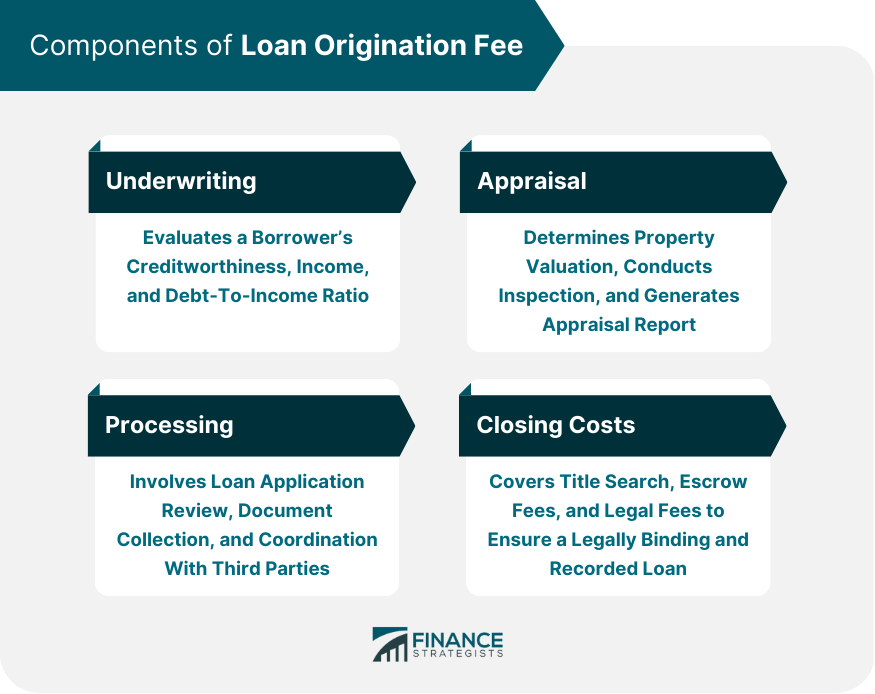
The origination fee is designed to compensate the lender for the work involved in initiating and processing your mortgage. This includes a range of activities that are essential to getting a loan from application to closing. Key services covered by this fee often include:
- Loan Application Processing: The initial intake and review of your application, including verifying your identity and preliminary financial checks.
- Underwriting: The meticulous process of evaluating your creditworthiness, assessing the risk associated with lending to you, and ensuring you meet all eligibility criteria for the loan product. This involves analyzing income, debt, assets, and credit history.
- Loan Document Preparation: Drafting all the legal documents required for the mortgage, including the promissory note, deed of trust or mortgage, and other disclosures.
- Administrative Tasks: General overhead costs, such as personnel salaries, office expenses, and the technology infrastructure used to manage the loan process.
It’s important to note that while the origination fee covers these general aspects, it typically does not include third-party charges like appraisal fees, credit report fees, title insurance, attorney fees, or recording fees. These are separate closing costs that you will also be responsible for. The origination fee is specifically for the lender’s internal costs of originating the loan.
How It’s Calculated
Origination fees are almost always expressed as a percentage of the total loan amount. This percentage can vary significantly, usually ranging from 0.5% to 2% of the principal loan. For example, on a $300,000 mortgage, a 1% origination fee would amount to $3,000. Lenders may also charge a flat fee, though this is less common.
The specific percentage or amount charged can depend on several factors:
- Lender’s Business Model: Some lenders have lower overhead and can afford to charge less, while others might bundle more services into their fee.
- Loan Type: Certain government-backed loans (e.g., VA loans) have caps on origination fees, while conventional loans might offer more flexibility.
- Borrower’s Credit Profile: In some cases, borrowers with excellent credit scores might be offered lower origination fees or have more negotiating power.
- Market Conditions: Competitive markets might see lenders lowering fees to attract borrowers, while in less competitive environments, fees might be higher.
It’s crucial to review the Loan Estimate provided by your lender, which clearly itemizes all closing costs, including the origination fee. This document allows you to compare offers from different lenders on an apples-to-apples basis.
Why Lenders Charge Origination Fees
Understanding the “why” behind origination fees helps demystify a significant portion of your closing costs. Lenders are businesses, and like any business, they have operational expenses and aim to generate profit. The origination fee serves multiple purposes in their financial model.
Operational Costs and Profit
The primary reason lenders charge an origination fee is to cover the direct and indirect costs associated with creating a new loan. The process of underwriting, processing, and closing a mortgage is complex and resource-intensive. It requires skilled professionals, sophisticated technology, and adherence to numerous regulatory requirements. The fee directly contributes to covering these operational costs:
- Staff Salaries: Compensation for loan officers, processors, underwriters, and administrative support staff who work on your application.
- Technology & Systems: Investment in software, databases, and secure platforms for managing sensitive financial data and complying with regulations.
- Office Overhead: Rent, utilities, and general administrative expenses necessary to run the lending operation.
- Compliance Costs: The expense of ensuring all loan processes adhere to federal and state regulations, which are extensive in the mortgage industry.
Beyond merely covering costs, the origination fee also contributes to the lender’s profitability. It’s one of the ways lenders generate revenue, alongside the interest earned on the loan over its lifetime. For some lenders, a portion of the origination fee might be paid out as commission to the loan officer, further incentivizing them to originate loans.
Risk Assessment and Underwriting
A significant portion of the work covered by the origination fee relates to assessing the risk profile of the borrower and the property. Lenders need to be confident that they are making a sound investment when they provide a mortgage.
- Underwriting Expertise: Underwriters are financial detectives, meticulously examining your financial health to determine your ability to repay the loan. This involves verifying employment, income, assets, and liabilities, and scrutinizing your credit history. The fee helps compensate for this specialized expertise and the time-consuming nature of this critical task.
- Minimizing Default Risk: A thorough underwriting process reduces the lender’s exposure to default risk. By ensuring that borrowers meet stringent criteria, lenders protect their investments. The origination fee, in a way, helps fund this risk mitigation effort.
- Loan Structuring: The origination fee also contributes to the costs associated with structuring the loan terms, ensuring they align with both the borrower’s financial capacity and the lender’s risk tolerance.
In essence, the origination fee is a cost of doing business for the lender, ensuring they can operate efficiently, cover their expenses, manage risk, and ultimately, provide the capital necessary for individuals to purchase homes.
Understanding the Impact on Your Loan
The origination fee is more than just another line item on your closing disclosure; it has tangible impacts on your total upfront costs and, potentially, the overall cost of your loan. Being aware of these impacts is key to comparing loan offers effectively.
Loan-to-Value (LTV) and Closing Costs
Origination fees are part of your closing costs, which are expenses beyond the down payment that you pay when you close on your home. These costs can add up significantly, typically ranging from 2% to 5% of the loan amount. The origination fee usually represents a substantial portion of these costs.
- Upfront Outlay: Paying an origination fee increases the amount of cash you need to bring to the closing table. This can impact your savings and liquidity immediately after purchase.
- Impact on LTV: While the origination fee itself doesn’t directly alter your Loan-to-Value (LTV) ratio (which is based on the loan amount relative to the home’s appraised value), the necessity of paying it can influence your financial capacity for a larger down payment, which does affect LTV. A higher LTV typically means higher monthly payments or potentially requiring private mortgage insurance (PMI).
Comparing Origination Fees Across Lenders
One of the most crucial steps in shopping for a mortgage is comparing the origination fees and other closing costs from multiple lenders. While a seemingly lower interest rate might appear attractive, a high origination fee could offset those savings, especially if you plan to refinance or sell relatively soon.
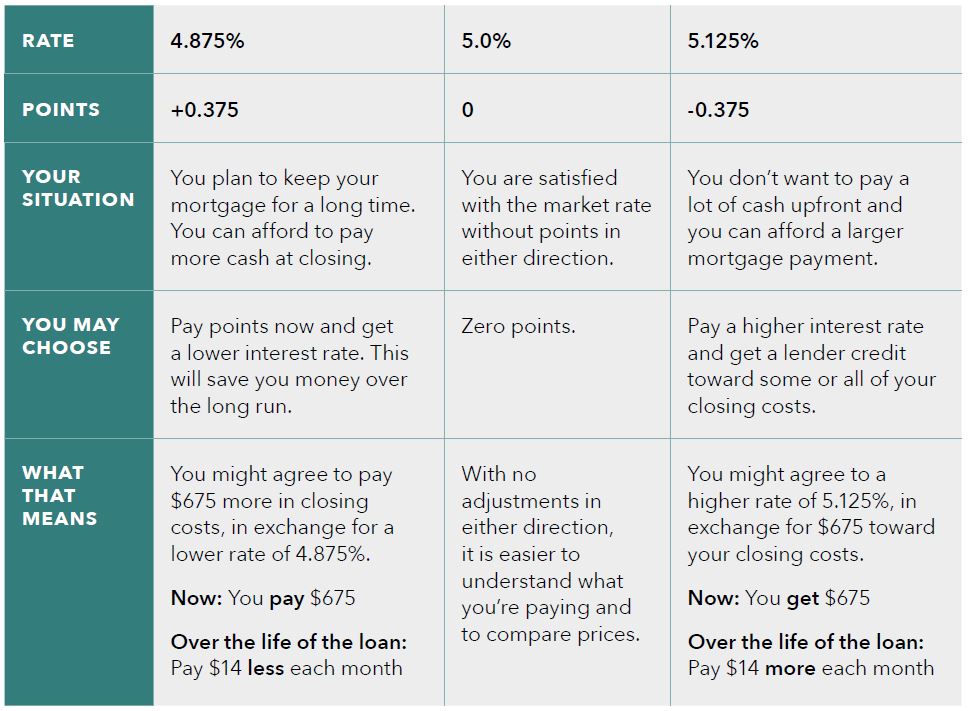
- The “No Origination Fee” Myth: Some lenders advertise “no origination fee” loans. While this can seem appealing, it’s often a trade-off. Lenders still need to cover their costs, so they typically compensate by charging a higher interest rate on the loan. Over the life of a 30-year mortgage, a higher interest rate can far outweigh the upfront savings of a waived origination fee.
- Total Cost Analysis: When comparing offers, look at the total cost of the loan over different time horizons. Use the Annual Percentage Rate (APR) as a general guide, but also consider the upfront cash needed. For example, if you plan to sell in five years, the impact of a lower upfront fee might be more beneficial than a slightly lower interest rate that saves you more over 30 years.
The APR vs. Interest Rate
This distinction is vital. The interest rate is simply the cost of borrowing the principal amount. The Annual Percentage Rate (APR), on the other hand, provides a more comprehensive measure of the true cost of borrowing. It includes the interest rate plus certain upfront fees, such as the origination fee, points, and some other charges.
- APR for Comparison: The APR is designed to help consumers compare the true cost of loans from different lenders. A loan with a lower interest rate but a high origination fee might have a higher APR than a loan with a slightly higher interest rate but no origination fee. Always compare APRs when evaluating loan offers, as it gives you a better holistic view of the loan’s cost.
- Limitations of APR: While helpful, APR isn’t perfect. It doesn’t include all closing costs (e.g., appraisal fees, title insurance are often excluded). Therefore, always scrutinize the full Loan Estimate and Closing Disclosure documents.
Strategies for Managing Origination Fees
While origination fees are a standard part of the mortgage process, borrowers aren’t entirely without options when it comes to managing them. Several strategies can help you reduce or offset these costs.
Negotiating the Fee
Everything in real estate and finance is potentially negotiable, and origination fees are no exception. Lenders often have some flexibility, especially for well-qualified borrowers or in competitive markets.
- Leverage Multiple Offers: The most effective negotiation tool is a competing offer. If you have a Loan Estimate from another lender with a lower or no origination fee, present it to your preferred lender and ask if they can match or beat it.
- Strong Credit and Financial Profile: Borrowers with excellent credit scores, stable employment, and a substantial down payment are often in a stronger position to negotiate because they represent lower risk to the lender.
- Ask Directly: Simply asking your loan officer if the origination fee is negotiable or if there’s any flexibility can sometimes yield results. Even a small reduction can save you hundreds of dollars.
Lender Credits and “No-Origination Fee” Loans
As mentioned, some lenders offer “no origination fee” loans. While this sounds appealing, it’s crucial to understand the trade-off.
- Higher Interest Rate: Typically, a lender who waives the origination fee will charge a slightly higher interest rate on the loan. Over the 15 or 30-year life of the mortgage, this higher interest rate will often cost you significantly more than the upfront origination fee would have.
- Lender Credits: Alternatively, you might be offered a “lender credit.” This is money the lender provides to help cover some of your closing costs, including potentially the origination fee. Similar to a no-origination fee loan, lender credits usually come at the cost of a higher interest rate. This option can be beneficial if you are strapped for cash at closing but are prepared to pay more over the long term.
When considering these options, carefully calculate the total cost over the period you expect to own the home. If you plan to sell or refinance in a few years, a no-origination fee loan with a slightly higher interest rate might save you money upfront, which could be more valuable than long-term interest savings you won’t fully realize.
Rolling the Fee into the Loan
In some cases, and with specific loan types, you might have the option to roll the origination fee into the principal amount of your mortgage.
- Increased Loan Amount: This means you won’t have to pay the fee upfront, but your total loan amount will increase, leading to slightly higher monthly payments and more interest paid over the life of the loan.
- Eligibility: Not all loan programs or lenders allow this, and it might depend on your LTV ratio. If permitted, it can be a useful strategy if you have limited cash available for closing costs.
- Analyze the Cost: While convenient, remember that you will be paying interest on that rolled-in fee for decades. Always compare the total cost of paying the fee upfront versus financing it into the loan.
Regulatory Considerations and Transparency
The mortgage industry is heavily regulated, and for good reason. Regulations are in place to protect consumers and ensure transparency, especially concerning fees like the origination fee.
Loan Estimate and Closing Disclosure
Two critical documents mandated by the Consumer Financial Protection Bureau (CFPB) under the TILA-RESPA Integrated Disclosure (TRID) rule are designed to provide borrowers with clear, standardized information about their loan costs, including the origination fee.
- Loan Estimate (LE): Within three business days of applying for a mortgage, your lender must provide you with a Loan Estimate. This document details the estimated interest rate, monthly payment, and all estimated closing costs, including the origination fee, third-party fees, and other charges. The LE is standardized, making it easy to compare offers from different lenders. You should pay close attention to Section A, “Origination Charges,” where the origination fee is listed.
- Closing Disclosure (CD): At least three business days before your scheduled closing, you will receive a Closing Disclosure. This document is a final breakdown of all loan terms and costs. It must be substantially similar to your Loan Estimate. You should meticulously compare the CD to your LE to ensure there are no unexpected changes to the origination fee or any other costs. If there are significant discrepancies, question them immediately.
These documents are your primary tools for understanding and verifying the origination fee and all other associated costs. Taking the time to review them carefully can prevent surprises at the closing table.
Red Flags to Watch For
While most lenders operate transparently, it’s wise to be vigilant and recognize potential red flags.
- Vague or Undisclosed Fees: If a lender is unwilling or unable to provide a clear breakdown of their origination fee or tries to bundle it into a generic “administrative fee” without explanation, proceed with caution.
- Last-Minute Changes: Significant increases in the origination fee or other closing costs between the Loan Estimate and the Closing Disclosure without a valid explanation should be challenged. Federal law dictates strict tolerances for changes in certain fees.
- Pressure Tactics: Be wary of lenders who pressure you to sign documents without thorough review or discourage you from comparing offers. A reputable lender will be transparent and patient.
- Excessively High Fees: While competitive, if an origination fee seems disproportionately high compared to other lenders’ offers (e.g., over 3%), it warrants further investigation.
Understanding the home loan origination fee is a fundamental aspect of navigating the mortgage process successfully. By comprehending what it covers, how it’s calculated, its impact on your loan, and how to manage it, you empower yourself to make sound financial decisions that contribute to your long-term financial well-being and homeownership goals. Always compare, question, and ensure full transparency before committing to a loan.
aViewFromTheCave is a participant in the Amazon Services LLC Associates Program, an affiliate advertising program designed to provide a means for sites to earn advertising fees by advertising and linking to Amazon.com. Amazon, the Amazon logo, AmazonSupply, and the AmazonSupply logo are trademarks of Amazon.com, Inc. or its affiliates. As an Amazon Associate we earn affiliate commissions from qualifying purchases.