
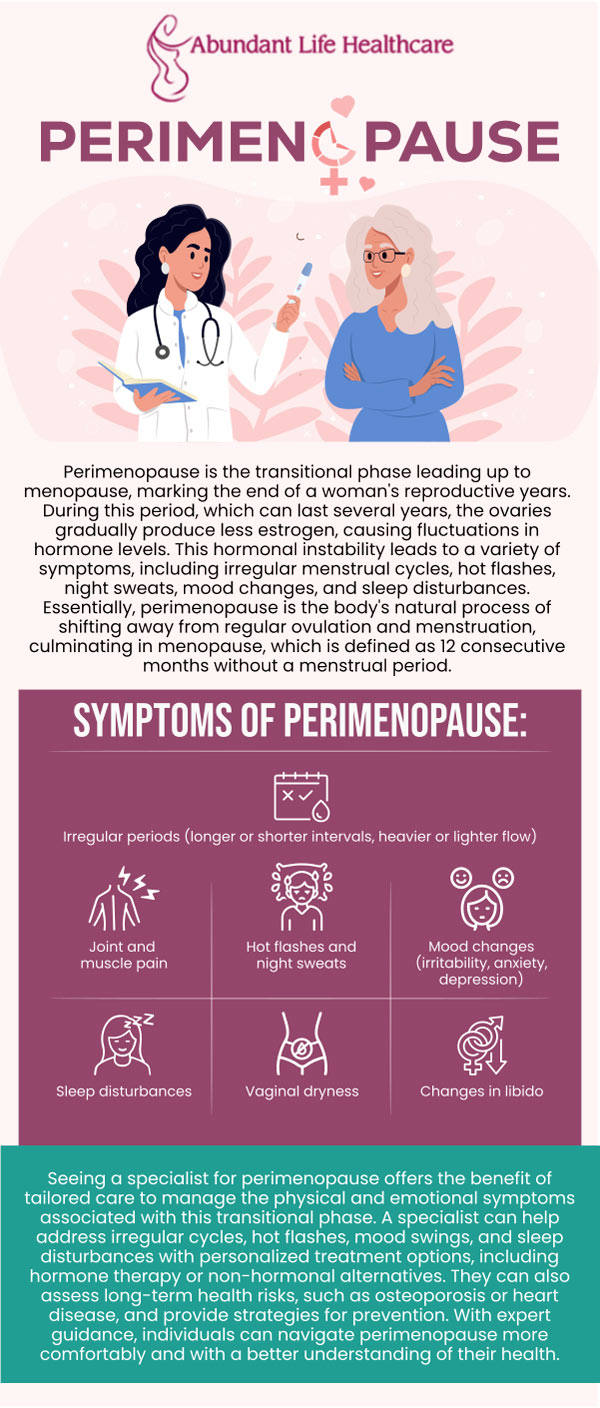
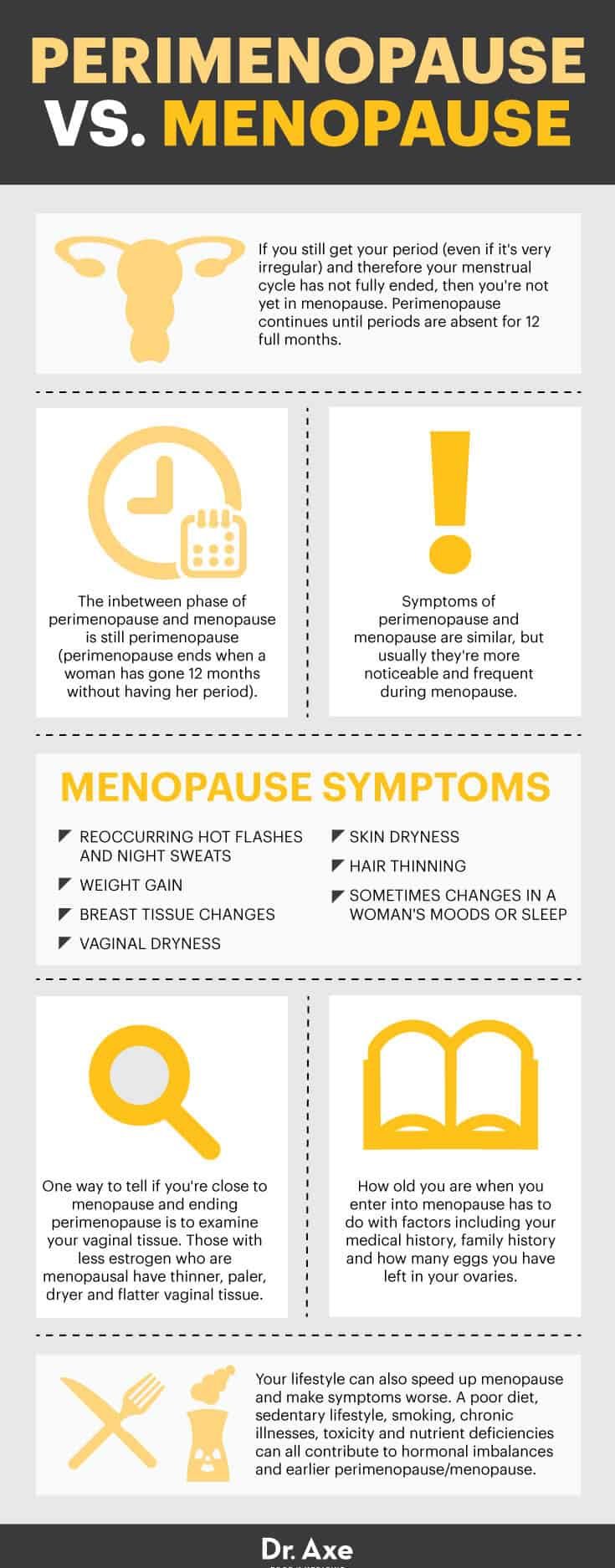
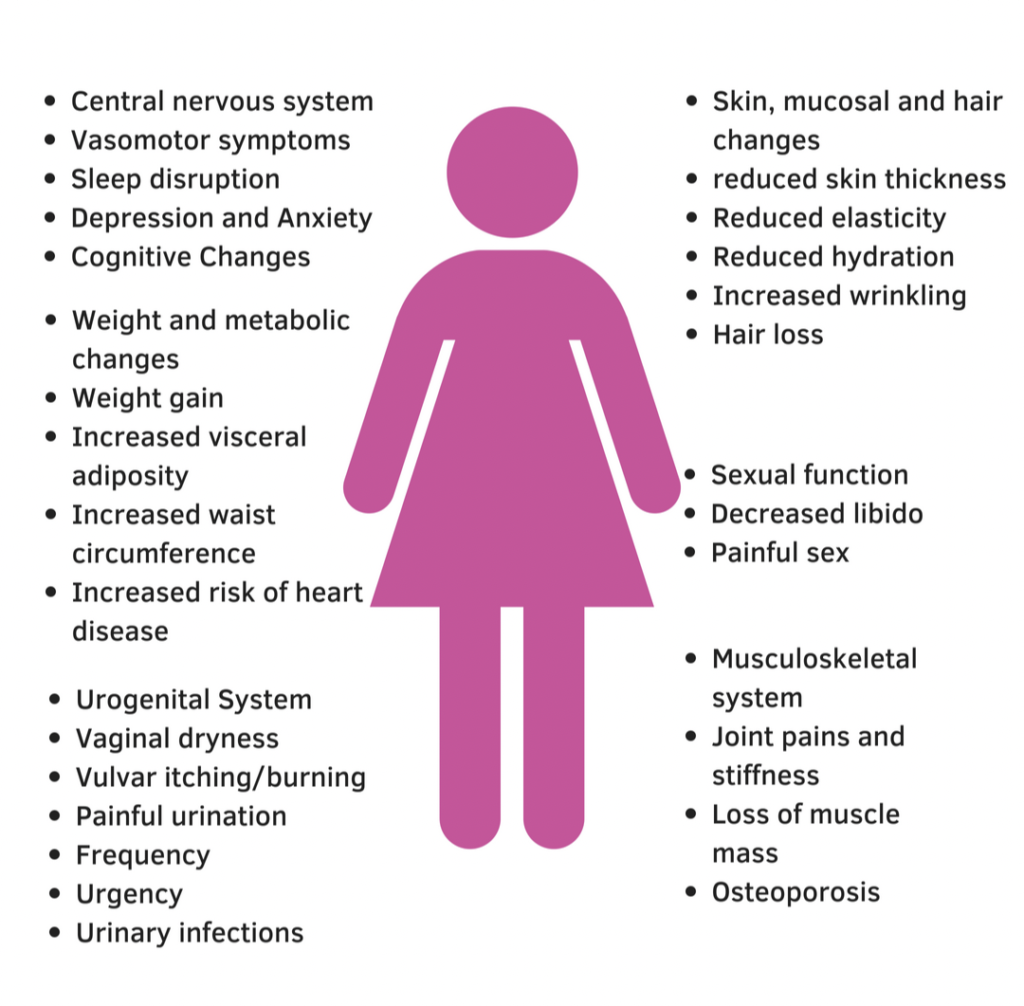
Perimenopause, the transitional phase leading to menopause, often brings a spectrum of challenging symptoms, from hot flashes and sleep disturbances to mood swings and cognitive changes. While the journey is inherently biological, technology is increasingly emerging as a powerful ally, offering innovative solutions for monitoring, managing, and mitigating these often disruptive experiences. Far from replacing traditional medical guidance, digital tools and platforms are empowering individuals with greater awareness, personalized insights, and convenient access to support, transforming how perimenopause is navigated in the modern age.
Leveraging Digital Tools for Symptom Tracking and Management
The first step in effectively managing perimenopause is often understanding individual symptom patterns and triggers. Technology provides unparalleled capabilities for granular tracking and data visualization, moving beyond anecdotal recall to provide objective insights.
Specialized Health Apps
A growing number of mobile applications are designed specifically to help individuals track perimenopausal symptoms. These apps often feature intuitive interfaces that allow users to log a wide array of data points daily, including the frequency and intensity of hot flashes, night sweats, sleep quality, mood fluctuations, menstrual cycle irregularities, and even dietary intake or exercise levels. Beyond simple data entry, many apps offer:
- Pattern Recognition: Advanced algorithms analyze logged data to identify recurring patterns, correlations between symptoms and lifestyle factors, or potential triggers. For instance, an app might highlight that specific foods exacerbate hot flashes or that certain exercise routines improve sleep quality.
- Personalized Reports: Users can generate detailed reports summarizing their symptom history, which can be invaluable during consultations with healthcare providers. This objective data helps clinicians make more informed diagnoses and tailor treatment plans effectively, saving time and improving the accuracy of care.
- Reminders and Nudges: Apps can provide timely reminders for medication, appointments, hydration, or mindfulness exercises, fostering consistent self-care routines. Some even integrate with calendar functions to offer a comprehensive view of health-related tasks.
- Educational Resources: Many apps are embedded with libraries of vetted information on perimenopause, covering everything from dietary recommendations and exercise tips to explanations of hormonal changes and treatment options. This empowers users with knowledge, helping them understand their experiences and discuss options more confidently with their doctors.
The user-friendly nature of these applications reduces the burden of manual journaling, making consistent tracking more sustainable and accessible to a wider demographic. Their ability to aggregate and analyze data transforms subjective experiences into actionable insights.
Wearable Technology for Biometric Monitoring
Wearable devices, from smartwatches to sophisticated rings and patches, offer a passive yet continuous stream of biometric data that can provide profound insights into perimenopausal physiology. These devices go beyond self-reported symptoms to capture objective physiological markers.
- Sleep Quality: Many perimenopausal individuals experience sleep disturbances. Wearables can track sleep stages (REM, deep, light), duration, interruptions, and heart rate variability during sleep. By correlating poor sleep with other logged symptoms like increased anxiety or fatigue, users and their doctors can identify the impact of sleep quality on overall well-being and explore interventions.
- Heart Rate and Heart Rate Variability (HRV): Changes in heart rate and HRV can be indicators of stress, autonomic nervous system activity, and overall physiological resilience. During perimenopause, hormonal fluctuations can affect cardiovascular markers. Continuous monitoring can highlight trends, potentially signaling periods of heightened stress or helping to assess the effectiveness of stress-reduction techniques.
- Skin Temperature: Some advanced wearables can track subtle changes in skin temperature. While not a direct measure of core body temperature, patterns in skin temperature can sometimes correlate with physiological events like hot flashes or nocturnal sweating, offering an objective measure of these common symptoms.
- Activity Levels and Exercise: Monitoring daily steps, activity minutes, and exercise intensity helps users maintain an active lifestyle, which is known to mitigate several perimenopausal symptoms. Wearables can provide encouragement, track progress toward fitness goals, and integrate with symptom logs to show the impact of physical activity on mood, sleep, or energy levels.
The data generated by wearables, when integrated with dedicated perimenopause apps, creates a comprehensive picture of an individual’s health, allowing for a data-driven approach to symptom management that would be challenging to achieve through self-reporting alone.
Telehealth and Remote Consultations
The rise of telehealth platforms has revolutionized access to specialized healthcare, proving particularly beneficial for individuals navigating perimenopause. These digital conduits bridge geographical gaps and enhance convenience.
Accessibility and Convenience
Telehealth services remove many barriers to traditional in-person medical appointments. For those living in rural areas, individuals with mobility issues, or busy professionals, virtual consultations offer unparalleled convenience.
- Specialist Access: Perimenopause care can sometimes require input from gynecologists, endocrinologists, or mental health professionals specializing in women’s health. Telehealth expands the pool of available specialists, allowing individuals to connect with experts who might not be locally available.
- Reduced Waiting Times: Online platforms often have shorter waiting times for appointments compared to conventional clinics, enabling quicker access to advice and treatment options when symptoms are most disruptive.
- Privacy and Comfort: Discussing sensitive topics related to hormonal changes and intimate health can be more comfortable for some individuals when conducted from the privacy of their own home, fostering more open communication.
- Follow-up Efficiency: Routine follow-up appointments, medication adjustments, and discussions of symptom tracking data can be managed efficiently through video calls or secure messaging, minimizing disruption to daily life.
The integration of telehealth platforms with personal health record (PHR) systems, which can securely store symptom logs and wearable data, further streamlines the consultation process, providing healthcare providers with a holistic view of a patient’s health trajectory.
Virtual Support Groups and Forums
Beyond direct medical consultations, technology facilitates connection and community, which is vital for emotional well-being during perimenopause. Online platforms host a multitude of virtual support groups and forums.
- Peer Support: These digital communities offer a safe space for individuals to share experiences, ask questions, and offer advice to others going through similar transitions. This peer validation can reduce feelings of isolation and normalize challenging symptoms.
- Expert-Moderated Discussions: Some platforms feature forums moderated by healthcare professionals or certified health coaches, providing reliable information and guidance within a community setting.
- Anonymity and Accessibility: The ability to participate anonymously can encourage more candid discussions about personal health challenges. These groups are accessible 24/7, offering support whenever needed, regardless of time zones or personal schedules.
While not a substitute for professional medical advice, these virtual communities contribute significantly to the psychological aspect of symptom management by fostering a sense of belonging and shared understanding.
AI-Powered Insights and Personalized Wellness
Artificial intelligence (AI) is beginning to play a transformative role in perimenopause management, moving beyond simple tracking to offer predictive analytics and highly personalized recommendations.
Predictive Analytics for Symptom Patterns
AI algorithms can process vast amounts of data—from individual symptom logs and biometric readings to aggregated demographic and clinical data—to identify subtle patterns and even predict future symptom occurrences.
- Early Warning Systems: By analyzing historical data, AI might be able to flag potential triggers for upcoming hot flashes or periods of increased anxiety, allowing individuals to implement preventative strategies. For example, if certain sleep patterns or stress levels consistently precede mood swings, the AI could alert the user to proactively engage in stress-reduction techniques.
- Personalized Risk Assessment: Combining genetic data, lifestyle factors, and symptom history, AI could potentially assess an individual’s predisposition to certain perimenopausal symptoms or conditions, enabling highly personalized preventive health strategies.
- Treatment Efficacy Prediction: In the future, AI could assist clinicians by predicting which treatment options (e.g., hormone therapy, specific supplements, lifestyle interventions) are most likely to be effective for an individual based on their unique physiological profile and symptom presentation.
This level of predictive insight empowers individuals to be more proactive in their health management, transitioning from reactive symptom response to anticipatory wellness planning.
Customized Lifestyle Recommendations
AI’s capacity for personalization extends to lifestyle guidance, moving beyond generic advice to offer tailored recommendations.
- Nutrition and Diet: Based on logged food intake, symptom severity, and individual health goals, AI-driven platforms can suggest specific dietary adjustments. For instance, if certain foods are correlated with digestive issues or hot flashes, the AI can recommend alternatives or highlight nutrient deficiencies relevant to perimenopausal health.
- Exercise Regimens: AI can craft exercise plans that align with an individual’s fitness level, energy fluctuations, and symptom profile. If fatigue is high, it might suggest gentle yoga or walking; if sleep is an issue, it could recommend specific evening stretches or relaxation exercises.
- Stress Management Techniques: Recognizing patterns of stress or anxiety from wearable data and self-reported moods, AI can recommend personalized mindfulness exercises, breathing techniques, or digital therapeutic interventions designed to mitigate mental health symptoms.
- Supplement and Hydration Reminders: Based on individual needs and activity levels, AI can provide intelligent reminders for hydration and suggest specific supplements that might support perimenopausal health, always encouraging consultation with a healthcare provider.
The goal is to create a dynamic, responsive wellness plan that adapts to the user’s changing needs and provides evidence-based suggestions to optimize comfort and health throughout the perimenopausal transition.
The Future of Tech-Enabled Perimenopause Care
The landscape of technology for perimenopause is continuously evolving, with exciting innovations on the horizon that promise even more integrated and effective solutions.
Emerging Gadgets and Diagnostics
Research and development are pushing the boundaries of what technology can offer in health monitoring and intervention.
- Smart Textiles: Fabrics embedded with sensors could soon offer continuous, unobtrusive monitoring of vital signs, temperature, and even sweat composition, providing highly granular data throughout the day and night without requiring traditional wearables.
- Non-Invasive Hormonal Monitoring: While currently in early stages, technologies aiming for non-invasive hormone level tracking (e.g., through saliva, sweat, or even breath analysis) could revolutionize personalized hormonal health management, offering real-time insights without blood tests.
- Personalized Cooling Devices: Targeted wearable devices designed to detect and mitigate hot flashes in real-time using localized cooling or heating elements are becoming more sophisticated, offering immediate relief.
- Digital Therapeutics: Prescription digital therapeutics (PDTs) are software programs designed to prevent, manage, or treat a medical disorder or disease. In the context of perimenopause, PDTs could offer clinically validated programs for managing anxiety, insomnia, or cognitive fog through structured digital interventions.
These advancements signify a future where technology provides even more subtle, integrated, and effective support for perimenopausal individuals, turning passive monitoring into active, intelligent intervention.
Data Security and Privacy Considerations
As technology becomes more deeply embedded in personal health management, the importance of robust data security and privacy protocols cannot be overstated.
- HIPAA Compliance: Any health-related app or platform collecting personal health information (PHI) should adhere to strict regulatory standards like HIPAA in the United States, ensuring data encryption, secure storage, and controlled access.
- Transparent Data Usage Policies: Users need clear and concise information about how their data is collected, stored, used, and shared. Opt-in consent for data sharing, particularly with third parties, is crucial.
- Anonymization and Aggregation: For research and public health insights, data should be thoroughly anonymized and aggregated to protect individual identities while still contributing to scientific understanding of perimenopause.
- User Control: Individuals should retain full control over their health data, with easy access to view, download, and delete their information.
Trust in technology for health management hinges on the assurance that personal data is protected with the highest standards, ensuring that the benefits of digital innovation are realized without compromising individual privacy.
In conclusion, technology is rapidly becoming an indispensable tool for managing perimenopause symptoms. From detailed symptom tracking apps and continuous biometric monitoring wearables to accessible telehealth services and the burgeoning field of AI-powered insights, digital solutions offer a new paradigm of empowerment. By providing personalized data, expert connections, and supportive communities, technology helps transform the often-challenging perimenopausal journey into a more informed, manageable, and supported experience.
aViewFromTheCave is a participant in the Amazon Services LLC Associates Program, an affiliate advertising program designed to provide a means for sites to earn advertising fees by advertising and linking to Amazon.com. Amazon, the Amazon logo, AmazonSupply, and the AmazonSupply logo are trademarks of Amazon.com, Inc. or its affiliates. As an Amazon Associate we earn affiliate commissions from qualifying purchases.