
The Complex Economics of Illicit Supply Chains and Pricing
The street drug “Molly,” often marketed as a pure form of MDMA (3,4-methylenedioxymethamphetamine), operates within a sophisticated global economic framework. Its true contents are frequently far from what is advertised, a disparity driven by intricate financial motivations spanning from production to street-level distribution. Understanding the actual composition of Molly pills requires an examination of the illicit market’s supply-and-demand dynamics, cost structures, and profit-maximization strategies. This economic lens reveals why the chemical makeup of what’s sold as “Molly” is so inconsistent and often dangerous.
Demand-Driven Valuation: The Premium on “Pure” MDMA
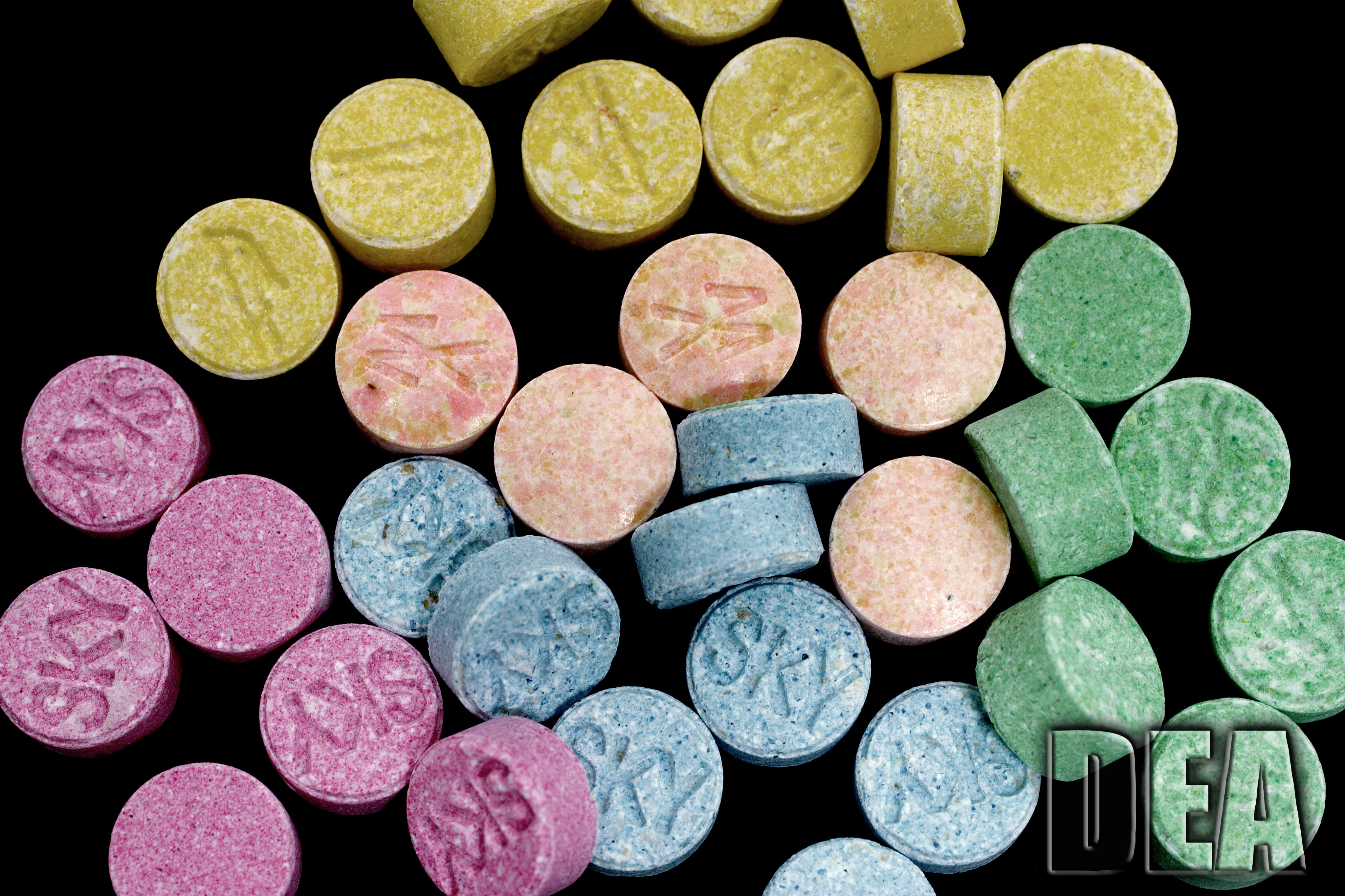
The perception of “Molly” as a clean, unadulterated substance — specifically pure MDMA — creates a powerful market demand. This perceived purity commands a premium price, a critical factor for producers and distributors. Consumers are often willing to pay more for the assurance of a singular, predictable experience, even if that assurance is entirely unfounded in the unregulated market. This aspirational demand for “pure MDMA” is a key driver for the entire illicit supply chain, setting a high benchmark for potential profit margins, which in turn incentivizes cutting and adulteration to meet price points while reducing actual production costs. The financial success of an illicit operation often hinges on maintaining this illusion of quality while managing the true costs of goods sold.
Global Sourcing and Manufacturing Costs: From Precursor to Product
The initial stages of the Molly supply chain involve the clandestine sourcing of precursor chemicals necessary for MDMA synthesis. These chemicals often originate from regions with lax regulatory oversight or corrupt customs systems, adding a layer of risk and cost to the production process. The manufacturing itself, often conducted in illicit laboratories, involves significant overheads: equipment, skilled chemists, security, and the disposal of hazardous waste. Each step, from the acquisition of safrole oil (or its synthetic alternatives) to the final pressed pill, incurs costs that accumulate, driving the ultimate street price. The geographic complexity and legal risks associated with these operations mean that producers constantly seek efficiencies, often leading to the use of cheaper, more accessible, and potentially more dangerous alternative chemicals when original precursors are scarce or expensive. This economic pressure directly influences the “drugs that are in molly pills,” pushing manufacturers towards cost-effective, even if harmful, substitutes.
Distribution Networks and Risk Premiums: Driving Up Street Value
Once manufactured, Molly travels through complex distribution networks, moving from producers to wholesalers, regional distributors, and finally to street-level dealers. Each node in this network adds a significant markup to the product’s price, reflecting the various costs incurred: transportation, storage, security, and most importantly, the premium for the inherent legal risks involved. Law enforcement interdictions, arrests, and seizures represent significant financial losses for these operations, and these risks are factored into the pricing at every stage. The further a substance travels from its point of origin, and the more hands it passes through, the higher its price climbs. This layered pricing structure means that by the time a Molly pill reaches the end-user, its cost-to-production ratio is vastly skewed, with the bulk of the price reflecting the risk premium and the layers of profit accumulation rather than the chemical’s intrinsic value or purity.
Adulteration as a Profit Strategy: The Financial Incentives for Impurity
The question “what drugs are in Molly pills” often leads to a complex answer precisely because adulteration is a cornerstone of the illicit drug trade’s profit model. When a substance like MDMA is sold on the black market, its purity is rarely guaranteed. Distributors and dealers frequently ‘cut’ or adulterate the product with other substances, a strategy primarily driven by the desire to maximize financial returns. This practice allows them to stretch their inventory, lower their effective cost per unit, and ultimately boost their profit margins, often at significant risk to the end-user.
Common Adulterants and Their Cost-Benefit Analysis: Why They’re Used
The choice of adulterant is a critical financial decision for illicit drug operators. Substances are chosen based on their low cost, availability, and their ability to mimic or enhance the perceived effects of MDMA, or simply to add bulk. Common cutting agents include caffeine, which is cheap and provides a stimulant kick that might mask a lack of MDMA. Other cheaper stimulants like methamphetamine, ethylone, or methylone (known as “bath salts”) are also frequently found. Perhaps most dangerously, potent opioids like fentanyl or its analogues are sometimes present, either intentionally to increase potency cheaply or due to cross-contamination in manufacturing environments, leading to a significant risk of overdose. From a financial perspective, these substances allow dealers to sell a lower quantity of actual MDMA for the price of a full dose, drastically increasing profitability while deceiving the consumer about the product’s true composition. The risk of adverse health outcomes for users is outweighed by the immediate financial gain for the sellers.
The Illusion of Purity: Maintaining Market Share with Cheaper Alternatives
In a competitive illicit market, maintaining an illusion of purity is crucial for sustaining demand and market share. If “Molly” were consistently found to be weak or inactive, demand would dwindle. Therefore, adulteration strategies often involve sophisticated blends designed to create a “desired effect” that resembles the MDMA experience, even if the primary active ingredient is something else entirely. This is achieved by mixing stimulants, empathogens, or even dissociatives in various proportions. By carefully selecting cheaper alternatives that can mimic certain aspects of MDMA’s effects, distributors can maintain customer satisfaction while dramatically reducing their input costs. This financial arbitrage allows them to present a product that, on the surface, appears to deliver on its promise, thereby securing repeat business and market loyalty, all while maximizing the profit extracted from each transaction.
The Dark Side of Innovation: New Synthetic Compounds and Market Exploitation
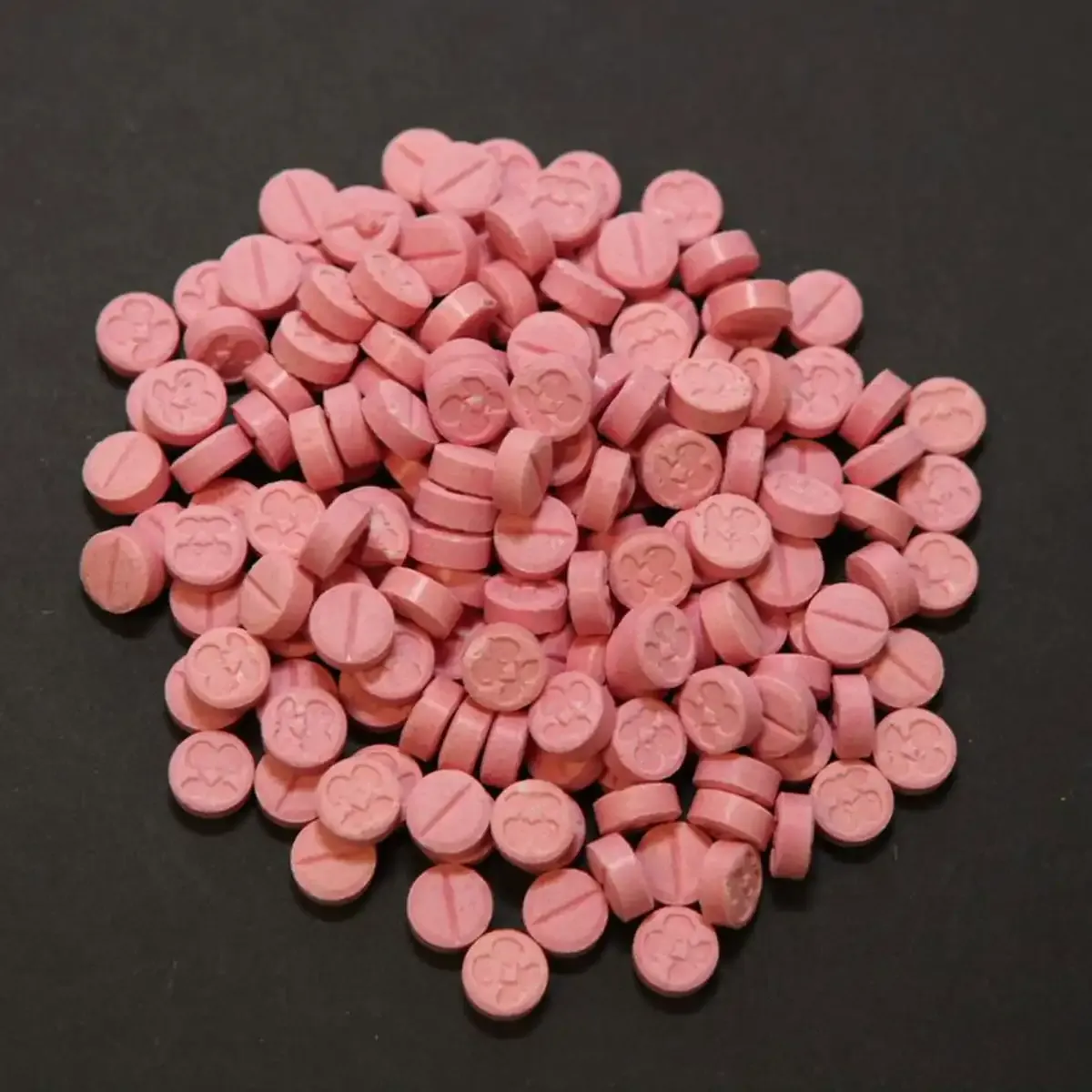
The illicit drug market is constantly innovating, driven by the financial imperative to circumvent law enforcement and capitalize on regulatory loopholes. This leads to the proliferation of novel psychoactive substances (NPS), often colloquially known as “research chemicals.” These new synthetic compounds are chemically engineered to produce similar effects to controlled substances like MDMA but are structurally different enough to avoid immediate legal classification, at least temporarily. From a financial standpoint, NPS offer several advantages: they can be legally sourced (for a time), manufactured relatively cheaply, and marketed as “legal highs” or sold as “Molly” without fear of existing drug charges. This constant evolution creates a dynamic and dangerous landscape, as the “drugs that are in molly pills” can shift rapidly and unpredictably, making harm reduction efforts challenging and increasing the financial burden on public health systems to identify and respond to these emerging threats. The rapid turnover of these compounds is a direct result of market exploitation for profit.
The Tangible and Intangible Financial Burdens of Unregulated Substances
The unregulated nature of substances sold as “Molly” creates significant financial burdens, extending far beyond the initial purchase price. These costs manifest at individual, public health, and societal levels, reflecting the extensive economic ramifications of an illicit market that prioritizes profit over safety. The inherent uncertainty about what drugs are truly in Molly pills directly correlates with elevated financial risks for all stakeholders.
Individual Financial Exposure: Healthcare Costs and Lost Income
For individuals who consume adulterated “Molly,” the financial consequences can be severe. Unpredictable drug compositions can lead to adverse reactions, requiring emergency medical attention, hospitalization, and potentially long-term healthcare. A single emergency room visit can incur thousands of dollars in medical bills, a significant financial shock for many. Beyond direct medical expenses, individuals may experience lost wages due due to incapacitation, recovery periods, or legal consequences stemming from drug-related incidents. Chronic health issues resulting from prolonged or repeated exposure to unknown chemicals can lead to ongoing medical costs, rehabilitation expenses, and diminished earning capacity. The promise of a brief recreational high often masks a potential future of substantial and debilitating financial strain.
Public Health Infrastructure Strain: A Societal Economic Burden
The unpredictable nature of illicit drugs like adulterated “Molly” places an immense financial strain on public health systems. Hospitals and emergency services must be equipped to handle a wide array of overdoses and adverse reactions caused by unknown substances. This requires specialized training for medical personnel, access to costly antidotes (such as naloxone for opioid adulterants), and increased bed capacity. Public health initiatives, including drug testing services, awareness campaigns, and harm reduction programs, also require substantial funding. These costs are ultimately borne by taxpayers, diverting resources that could otherwise be allocated to other critical public services. The lack of quality control in the illicit market transforms a private consumption choice into a significant public financial liability, as society collectively funds the consequences of unpredictable drug contents.
The Ripple Effect: Economic Instability and Criminal Enterprise Funding
The unchecked flow of illicit drug money creates a ripple effect that contributes to broader economic instability and funds criminal enterprises. Profits from the sale of adulterated “Molly” are often laundered through legitimate businesses or channeled into other illegal activities, distorting local economies and undermining legitimate commerce. This influx of untaxed, unregulated capital can inflate prices, create unfair competition for honest businesses, and erode public trust in financial institutions. Furthermore, the substantial profits generated incentivize organized crime, leading to increased violence, corruption, and instability within communities. The question of “what drugs are in Molly pills” thus extends beyond toxicology; it touches upon the economic integrity of nations, as the funds generated contribute to a shadow economy that challenges governance and diverts resources from productive investments.
Financial Countermeasures: Disrupting Illicit Markets and Protecting Public Funds
Addressing the economic drivers behind the proliferation of varied and dangerous substances in “Molly” pills requires a multi-faceted approach focused on financial disruption and strategic resource allocation. Countermeasures extend beyond traditional law enforcement, incorporating sophisticated financial tools and public health investments designed to undermine the profitability of illicit markets and mitigate their societal costs.
Asset Forfeiture and Anti-Money Laundering Efforts
A primary financial countermeasure involves actively targeting the profits and assets of drug trafficking organizations. Asset forfeiture laws allow authorities to seize money, property, and other valuables acquired through illicit drug sales. This not only deprives criminal enterprises of their accumulated wealth but also removes the capital needed to finance future operations, thereby directly impacting the supply chain and its ability to distribute adulterated substances. Complementary anti-money laundering (AML) efforts aim to disrupt the financial mechanisms used to conceal and legitimize illicit drug proceeds. By tracing financial transactions, identifying suspicious activities, and collaborating internationally, law enforcement and financial institutions can freeze funds, dismantle money laundering networks, and significantly impede the economic viability of the illicit drug trade. These measures reduce the financial incentive to produce and distribute unknown “Molly” compositions.
Investment in Public Health and Harm Reduction: Long-Term Economic Savings
While enforcement focuses on disrupting supply, significant financial benefits can be realized through strategic investments in public health and harm reduction. Funding initiatives like drug checking services allows individuals to ascertain “what drugs are in Molly pills” they possess, reducing the likelihood of adverse reactions and subsequent emergency medical costs. Public awareness campaigns and educational programs about the risks of adulterated substances can decrease demand for untested street drugs. Furthermore, expanding access to addiction treatment and mental health services represents a long-term economic saving. By addressing the root causes of substance use, these programs reduce crime, improve productivity, and alleviate the burden on healthcare and justice systems, ultimately yielding a positive return on investment by decreasing the societal costs associated with unpredictable drug contents.
International Cooperation and Economic Sanctions in Drug Control
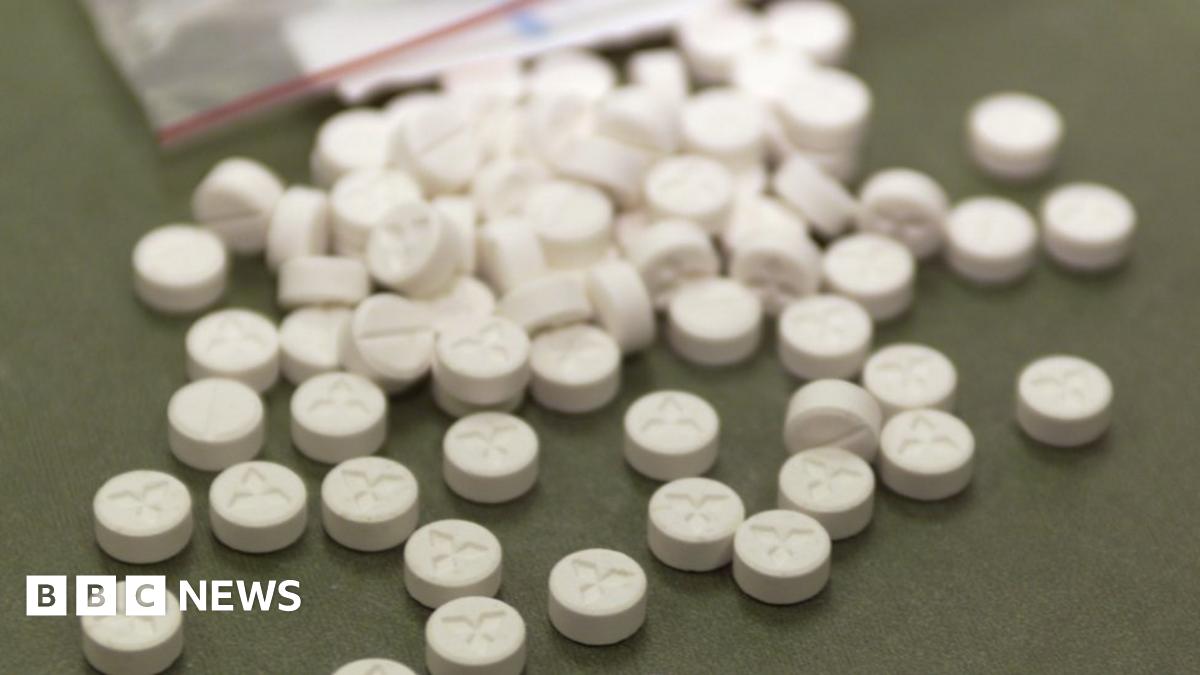
The global nature of the illicit drug trade necessitates robust international cooperation and, at times, economic sanctions. Nations work together to share intelligence, coordinate interdictions, and track cross-border financial flows associated with drug trafficking. Bilateral agreements and multilateral initiatives aim to dismantle international drug cartels, target precursor chemical suppliers, and disrupt global money laundering networks. Economic sanctions can be strategically applied against individuals, entities, or even nations complicit in the drug trade, limiting their access to the international financial system and disrupting their ability to profit from illicit activities. By collectively addressing the economic underpinnings of drug production and distribution on a global scale, these efforts aim to make the manufacturing and sale of unregulated and adulterated substances like “Molly” less profitable and more financially perilous, ultimately enhancing public safety and protecting global economies.
aViewFromTheCave is a participant in the Amazon Services LLC Associates Program, an affiliate advertising program designed to provide a means for sites to earn advertising fees by advertising and linking to Amazon.com. Amazon, the Amazon logo, AmazonSupply, and the AmazonSupply logo are trademarks of Amazon.com, Inc. or its affiliates. As an Amazon Associate we earn affiliate commissions from qualifying purchases.