
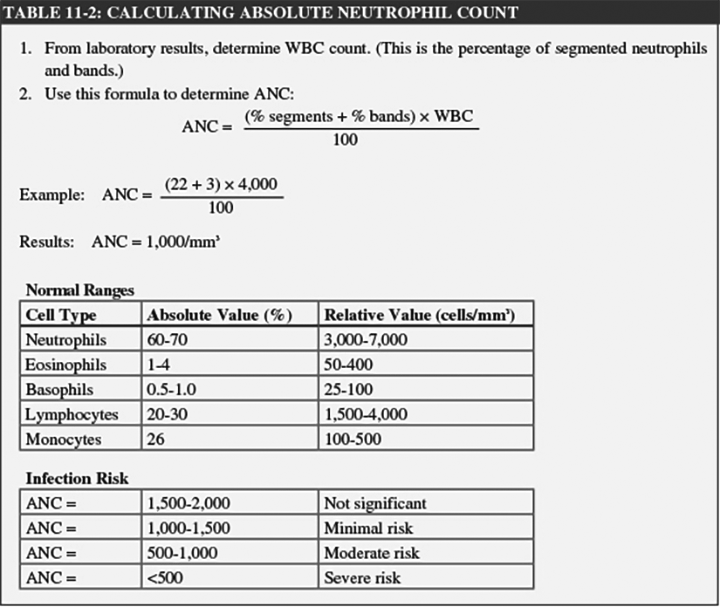
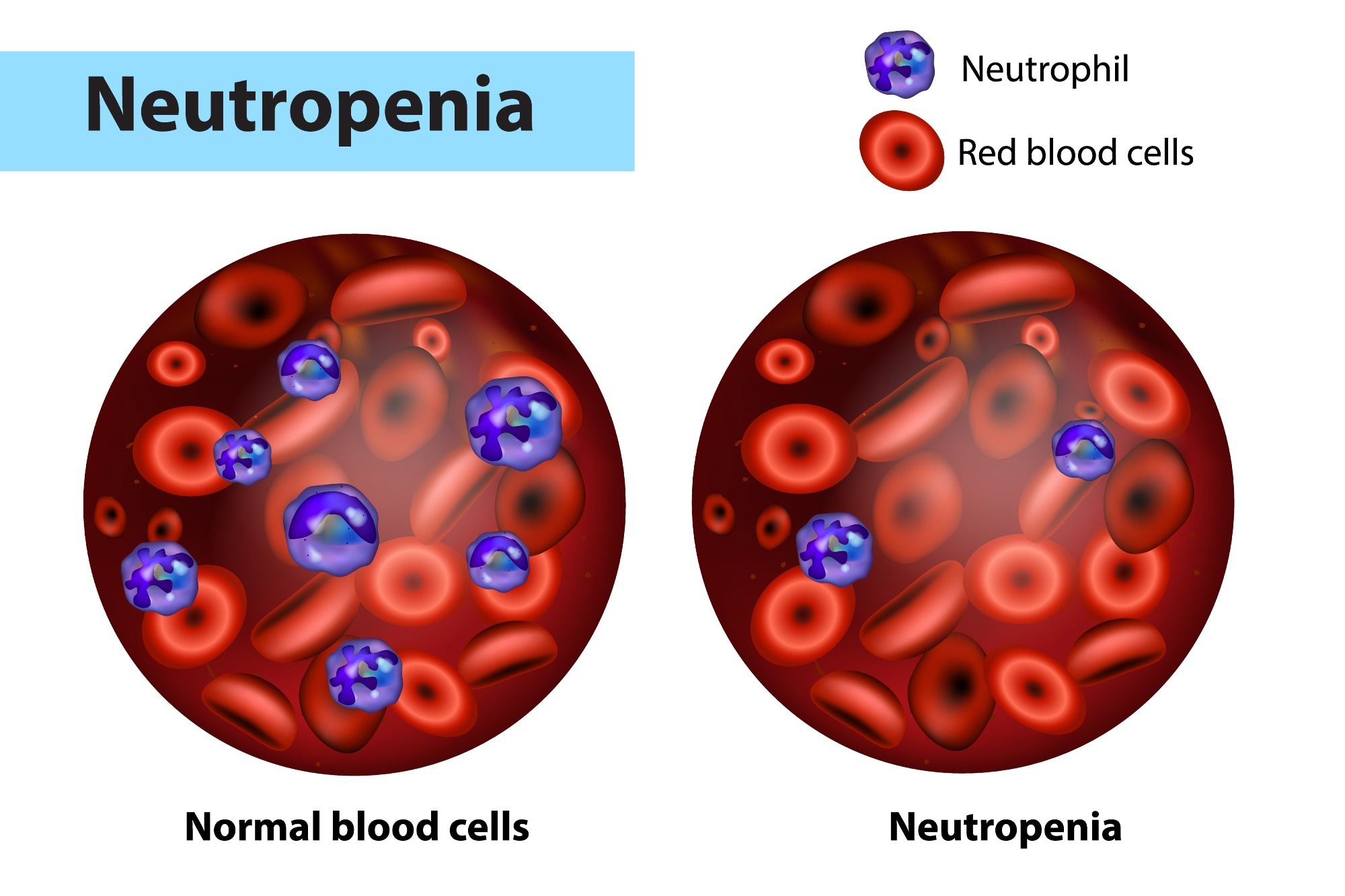
An absolute neutrophil count (ANC) is a critical component of a complete blood count (CBC) test, providing a snapshot of the body’s primary defense mechanism against infection. When an ANC is found to be elevated, medically known as neutrophilia, it signals the body is actively fighting something, often an infection, inflammation, or stress. While the immediate concern for individuals and healthcare providers rightly focuses on identifying the underlying medical cause and determining the appropriate treatment, a high ANC also carries significant, often overlooked, financial implications. Understanding these financial realities is crucial for effective personal financial planning and managing the potential monetary burdens associated with health concerns.

The Immediate Financial Impact of Diagnosis and Follow-Up
Discovering an elevated ANC often marks the beginning of a diagnostic journey, which, while medically necessary, can quickly accumulate costs. The initial blood test itself might be covered by insurance with a co-pay, but subsequent investigations can add up.
Initial Diagnostic Costs and Specialist Consultations
A high ANC is rarely a standalone diagnosis; it’s a symptom that prompts further investigation. This often involves a battery of additional tests designed to pinpoint the cause. These can include:
- Repeat CBCs with differential: To monitor trends and confirm the persistence of neutrophilia. Each test incurs a charge, even if minor.
- C-reactive protein (CRP) or erythrocyte sedimentation rate (ESR): These inflammation markers provide further clues but come with their own laboratory fees.
- Cultures (blood, urine, sputum): If an infection is suspected, cultures are essential to identify the pathogen and guide treatment. These tests can be complex and expensive, particularly if multiple sites are sampled.
- Imaging studies: X-rays, CT scans, or ultrasounds may be necessary to identify hidden infections, inflammatory processes, or conditions like abscesses or certain cancers. The cost of these scans can range from hundreds to thousands of dollars, depending on the facility and insurance coverage.
- Specialist referrals: Depending on the suspected cause, an individual may be referred to an infectious disease specialist, rheumatologist, hematologist, or oncologist. Each specialist visit typically involves a separate co-pay or deductible contribution, and their initial consultations are often followed by more specialized tests.
These initial steps can quickly deplete health savings account (HSA) funds, push individuals towards their deductible limits, or result in substantial out-of-pocket expenses for those with high-deductible health plans. The administrative burden of coordinating multiple appointments, understanding billing codes, and appealing insurance denials also represents a hidden cost in terms of time and stress.
The Financial Weight of Unidentified or Chronic Causes
In some cases, the cause of an elevated ANC is not immediately obvious, leading to a prolonged period of diagnostic testing. This diagnostic odyssey not only delays treatment but also prolongs the financial drain. Chronic conditions that manifest with persistently high ANC, such as certain autoimmune disorders or myeloproliferative neoplasms, require ongoing monitoring and management, translating into continuous medical expenses over many years. The cumulative cost of these tests, consultations, and potential delays in returning to work can significantly impact an individual’s financial stability.
Navigating Treatment Pathways and Their Price Tags
Once the underlying cause of a high ANC is identified, the focus shifts to treatment, which invariably introduces another layer of financial considerations. The cost of treatment can vary wildly depending on the severity and nature of the condition.
Medication Costs and Pharmacy Expenses
Many conditions causing an elevated ANC require pharmaceutical interventions.
- Antibiotics: For bacterial infections, a course of antibiotics can range from inexpensive generics to more costly broad-spectrum or specialized drugs, especially if hospital administration is required.
- Anti-inflammatory drugs: Steroids or other anti-inflammatory medications may be prescribed for inflammatory conditions, with costs varying by dosage and duration.
- Specialized medications: Conditions like autoimmune diseases or cancer often necessitate highly specialized, long-term medications that can cost thousands of dollars per month. Biologics, targeted therapies, and chemotherapy drugs fall into this category, often requiring intricate insurance pre-authorizations and co-pay assistance programs.
Patients must also factor in the cost of over-the-counter supportive care, such as pain relievers or supplements recommended by their doctor. These seemingly small expenses can add up, especially for chronic conditions.
Hospitalization, Procedures, and Rehabilitation Costs
Severe infections, acute inflammatory conditions, or the need for extensive diagnostic procedures can lead to hospitalization. Hospital stays are among the most significant medical expenses an individual can face, encompassing room and board, nursing care, physician fees, medications administered in-house, and any procedures performed.
- Inpatient care: A multi-day hospital stay can easily run into tens of thousands of dollars, depending on the services rendered. Even with good insurance, the patient’s share of this cost, including deductibles and co-insurance, can be substantial.
- Surgical interventions: If the high ANC is due to an abscess requiring drainage or a cancerous tumor requiring removal, the costs skyrocket to include surgeon fees, anesthesia, operating room charges, and post-operative care.
- Rehabilitation and follow-up care: After a major illness or procedure, physical therapy, occupational therapy, or ongoing specialist visits may be necessary for recovery. These services, while essential, contribute to the cumulative financial burden.
The financial strain of these high-cost treatments can lead to difficult decisions, with some individuals delaying or forgoing necessary care due to concerns about affordability, potentially leading to worse health outcomes and even higher costs down the line.
Protecting Your Income and Long-Term Financial Well-being
Beyond direct medical expenses, a high ANC and its underlying cause can have profound effects on an individual’s ability to earn income and maintain financial stability over the long term.
The Hidden Costs of Reduced Productivity and Lost Wages
Dealing with a medical issue that causes an elevated ANC often means taking time off work for appointments, treatments, or recovery.
- Sick days and unpaid leave: Even if an employer offers paid sick leave, severe or prolonged illness can exhaust these benefits, forcing individuals to take unpaid leave. For hourly workers or those in roles without robust benefits, this translates directly to lost wages.
- Reduced productivity: Even when at work, individuals coping with illness might experience reduced energy, concentration, or physical capability, impacting their productivity and potentially their performance reviews or opportunities for advancement.
- Career impact: In severe or chronic cases, a significant illness can lead to job loss or the need to transition to less demanding, potentially lower-paying, roles. This long-term impact on earning potential can derail retirement planning, educational savings, and other financial goals.
For freelancers or small business owners, the impact can be even more immediate and severe, as they often lack employer-provided benefits like paid sick leave or disability insurance. Every hour spent away from work is an hour of lost income.
Long-Term Financial Planning for Chronic Health Conditions
If a high ANC is a marker for a chronic condition, the financial implications extend far into the future.
- Ongoing medical expenses: Lifelong medications, regular specialist visits, and periodic diagnostic tests become part of the regular budget. These predictable expenses need to be factored into annual financial planning.
- Insurance premium increases: While health conditions cannot directly raise individual policy premiums under the Affordable Care Act (ACA), the overall utilization of healthcare services can contribute to general premium increases in a pooled market, indirectly impacting everyone. For those changing jobs, the cost of new insurance plans might be higher.
- Disability insurance: For serious conditions that may impair long-term work capacity, disability insurance becomes a critical financial safety net. Without it, a severe illness could lead to financial ruin. Understanding short-term and long-term disability options, their costs, and coverage limits is essential.
- Estate planning and end-of-life care: In the most severe cases, chronic illness can escalate to discussions around long-term care, hospice, and estate planning, all of which carry significant financial and legal costs.
Integrating these potential long-term healthcare costs into a comprehensive financial plan, including retirement savings and investment strategies, is paramount to maintaining financial security in the face of ongoing health challenges.
Proactive Financial Health Strategies in the Face of Medical Concerns
While no one can predict a medical diagnosis, proactive financial planning can significantly mitigate the monetary stress associated with an elevated ANC or any other health concern.
Building and Maintaining an Emergency Fund for Medical Contingencies
A robust emergency fund is the cornerstone of financial resilience. For medical issues, this fund should ideally cover at least three to six months of living expenses, with an additional buffer specifically for out-of-pocket medical costs. This fund provides the liquidity to cover deductibles, co-pays, prescription costs, or even lost wages without having to dip into retirement savings or incur high-interest debt. Regularly reviewing and topping up this fund ensures readiness for unexpected health events.
Optimizing Health Insurance Coverage and Utilizing Financial Tools
Choosing the right health insurance plan is more than just selecting the lowest premium. It involves a careful assessment of deductibles, co-pays, co-insurance, and out-of-pocket maximums, especially for individuals with existing conditions or those anticipating potential medical needs.
- Health Savings Accounts (HSAs): For those eligible with high-deductible health plans, HSAs are powerful financial tools. Contributions are tax-deductible, funds grow tax-free, and qualified medical withdrawals are tax-free. HSAs can cover a wide range of medical expenses, including those related to diagnostic tests and treatments for an elevated ANC, and funds roll over year to year, making them excellent long-term savings vehicles for healthcare.
- Flexible Spending Accounts (FSAs): Similar to HSAs but with a “use it or lose it” rule for most funds annually, FSAs allow pre-tax contributions to cover out-of-pocket medical costs.
- Understanding benefits: Thoroughly understanding employer-sponsored benefits, including short-term and long-term disability insurance, life insurance, and any wellness programs that might reduce costs, is vital.
Seeking Financial Guidance and Advocacy
Navigating the complexities of healthcare billing and insurance claims can be overwhelming. Financial advisors specializing in healthcare costs or patient advocates can provide invaluable assistance. They can help:
- Review medical bills for errors: Billing errors are common and can be costly.
- Negotiate payment plans: Hospitals and providers are often willing to work with patients on payment schedules.
- Identify patient assistance programs: Pharmaceutical companies and non-profits often have programs to help cover the cost of expensive medications.
- Guide long-term financial planning: Incorporate potential future healthcare costs into retirement and investment strategies.
Ultimately, while a high ANC is a medical indicator, its ripple effects extend deeply into personal finance. By proactively understanding and addressing these financial implications, individuals can better prepare for and manage the costs associated with their health journey, ensuring that medical care remains accessible and does not lead to insurmountable financial distress.
aViewFromTheCave is a participant in the Amazon Services LLC Associates Program, an affiliate advertising program designed to provide a means for sites to earn advertising fees by advertising and linking to Amazon.com. Amazon, the Amazon logo, AmazonSupply, and the AmazonSupply logo are trademarks of Amazon.com, Inc. or its affiliates. As an Amazon Associate we earn affiliate commissions from qualifying purchases.