
Navigating the complexities of the Internal Revenue Service (IRS) can often feel like a daunting task. Whether you have a simple question about your tax return, need to resolve a notice, or require assistance with a complex financial matter, knowing the most effective way to contact the IRS is crucial for any taxpayer. This guide aims to demystify the process, providing a professional, insightful, and engaging roadmap for connecting with the nation’s primary tax collection agency. Understanding the various channels, knowing what information to prepare, and setting realistic expectations can significantly streamline your interaction with the IRS, ensuring your financial matters are handled efficiently and accurately.
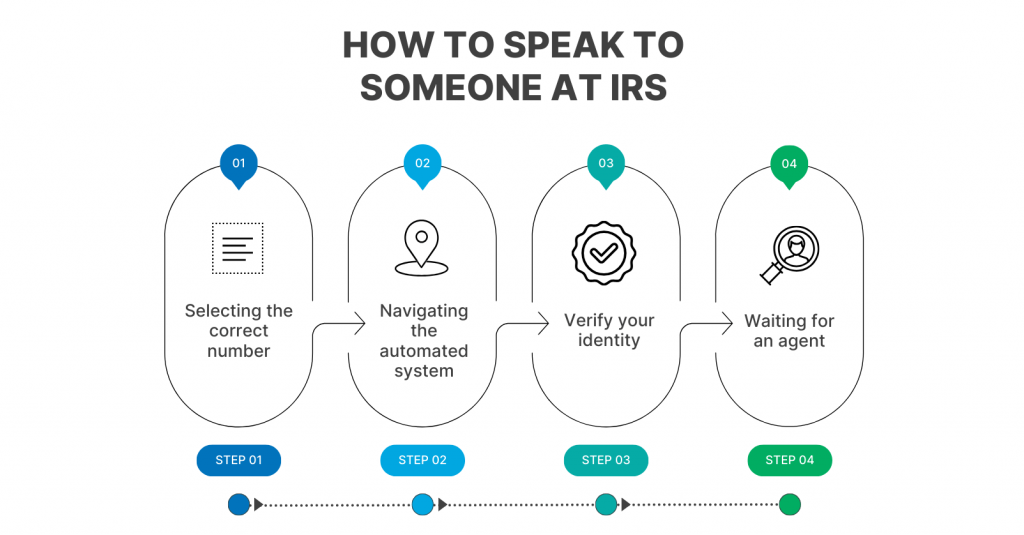
Understanding Why and When You Need to Contact the IRS
Before picking up the phone or sending an email, it’s essential to understand the nature of your query and determine if direct contact with the IRS is truly necessary. Many common tax-related questions can be resolved through self-service options, saving you valuable time and effort.
Common Reasons for Contact
Taxpayers reach out to the IRS for a multitude of reasons, ranging from routine inquiries to more urgent issues. Some of the most frequent scenarios include:
- Checking Refund Status: Many individuals contact the IRS to track the status of their tax refund.
- Responding to an IRS Notice or Letter: The IRS sends millions of letters annually regarding discrepancies, audits, or outstanding balances. Understanding and responding to these in a timely manner is critical.
- Payment Inquiries: Questions about payment plans, inability to pay, or payment history.
- Identity Theft Concerns: Reporting and resolving issues related to tax-related identity theft.
- General Tax Law Questions: Seeking clarification on specific tax codes, deductions, or credits.
- Account Information: Requesting tax transcripts, payment records, or other account-specific data.
- Business Tax Matters: Employers or business owners might contact the IRS regarding EINs, payroll taxes, or corporate tax filings.
- International Tax Issues: Queries from U.S. citizens living abroad or foreign nationals with U.S. tax obligations.
Identifying the precise reason for your contact will help you choose the most appropriate channel and prepare the necessary information, making your interaction more productive.
Pre-Contact Checklist: What to Prepare
Approaching the IRS prepared is paramount. Regardless of your chosen contact method, having key information at hand can significantly expedite the process and prevent follow-up calls or correspondence. Before initiating contact, gather the following:
- Your Social Security Number (SSN) or Individual Taxpayer Identification Number (ITIN): This is your primary identifier for personal tax matters.
- Your Employer Identification Number (EIN): If you are contacting for business tax matters.
- Your Date of Birth: For verification purposes.
- Your Address: As it appears on your most recent tax return.
- A Copy of Your Most Recent Tax Return: Reference for income, deductions, and credits.
- Copies of Any IRS Notices or Letters You’ve Received: These often contain specific reference numbers or account IDs crucial for your inquiry.
- Relevant Supporting Documents: This could include W-2s, 1099s, bank statements, receipts, or other financial records pertaining to your question.
- A Detailed Summary of Your Question or Issue: Clearly articulate what you need help with. It’s often helpful to write this down.
- A Pen and Paper: To take notes during your conversation, including reference numbers, agent names, and instructions.
Being organized can transform a potentially frustrating experience into a quick and efficient resolution, directly impacting your financial peace of mind.
Navigating the IRS Website: Your First Stop
For many inquiries, the IRS website (IRS.gov) is the most efficient starting point. It’s a treasure trove of information, tools, and resources designed to help taxpayers self-serve. Before attempting direct contact, always check if your question can be answered online.
The website offers:
- “Where’s My Refund?” tool: For checking the status of your federal income tax refund.
- “Get Transcript” tool: To view and print various tax transcripts online.
- “Make a Payment” options: To pay your taxes directly, set up payment plans, or view payment history.
- Interactive Tax Assistant (ITA): An online tool that answers common tax questions based on your specific situation.
- Extensive FAQs and Publication Library: Detailed guidance on various tax topics, forms, and instructions.
- Online Account: A secure portal where individual taxpayers can access their tax records, payment history, and certain notices.
Leveraging these online resources can often provide immediate answers and alleviate the need for direct contact, empowering you to manage your financial information independently.
Direct Communication Channels: Phone and Mail
While digital tools are powerful, some situations necessitate direct human interaction or formal written correspondence. The IRS provides specific phone lines and mailing addresses for various types of inquiries.
IRS Phone Numbers: The Right Line for Your Query
The IRS manages a multitude of phone lines, each dedicated to specific issues. Calling the correct number can significantly reduce wait times and ensure you speak with someone knowledgeable about your particular situation.
- General Inquiries (Individuals): The primary number for individual tax questions is usually for Form 1040, U.S. Individual Income Tax Return.
- Business & Specialty Tax Questions: Dedicated lines for employers, self-employed individuals, and businesses.
- Identity Theft & Fraud: A specific phone line is available for victims of tax-related identity theft.
- Payment Arrangements: If you need to discuss payment options or payment plans, there are dedicated lines for that.
- International Taxpayers: Special numbers for taxpayers outside the U.S. or with international tax issues.
- Taxpayer Advocate Service (TAS): If you’ve tried to resolve an issue through normal IRS channels and are experiencing significant financial hardship or believe your rights have been violated, the TAS can help.
Always check the “Contact Your Local IRS Office” or “Contact Us” sections on IRS.gov for the most up-to-date and specific phone numbers relevant to your situation. Be prepared for potentially long wait times, especially during peak tax season.
Making the Call: Tips for a Productive Conversation
Once you’ve identified the correct phone number and have all your documents ready, there are strategies to make your phone call as effective as possible:
- Call During Off-Peak Hours: Generally, early mornings (EST), late afternoons, or mid-week tend to have shorter wait times. Avoid Mondays and Fridays.
- Be Patient and Polite: IRS representatives handle a high volume of calls. A calm and respectful demeanor can foster a more productive conversation.
- Clearly State Your Purpose: Begin by concisely explaining why you are calling.
- Listen Carefully: Pay close attention to the agent’s questions and instructions.
- Take Detailed Notes: Record the date and time of your call, the agent’s name and ID number, and a summary of the conversation, including any advice or instructions given. This documentation is invaluable for any future follow-up.
- Ask for Clarification: If you don’t understand something, don’t hesitate to ask for clarification.
- Follow Through: If the agent provides specific instructions or asks you to send documents, ensure you follow through promptly.
Effective communication during a phone call can often lead to a faster resolution of your financial query.
Contacting the IRS by Mail: When and How
For certain situations, such as submitting specific forms, responding to notices that explicitly request a mailed response, or sending payments (though online payment is generally preferred), contacting the IRS by mail is necessary.
- Know the Correct Address: IRS mailing addresses vary widely depending on the type of form, your geographic location, and whether you are sending a payment or a general inquiry. Always refer to the instructions for your specific form or the IRS notice you received for the correct mailing address.
- Include All Required Information: Ensure your SSN/EIN, full name, and address are clearly visible on all documents.
- Keep Copies: Always retain copies of everything you mail to the IRS for your records.
- Consider Certified Mail: For important documents or responses to notices, consider using certified mail with a return receipt. This provides proof that the IRS received your correspondence, which can be crucial in case of a dispute or lost mail.
- Allow Ample Time: Mail correspondence takes longer to process than online or phone interactions. Factor in postal delivery time and internal IRS processing time.
While slower, mailed correspondence provides a formal, documented record of your interaction, which can be essential for certain financial transactions and compliance.
Leveraging Digital Resources and Online Tools
The IRS has significantly invested in digital resources to enhance taxpayer service and offer more convenient ways to manage financial obligations. Beyond the website’s basic information, several tools provide personalized access and assistance.
Your IRS Online Account: A Hub for Personal Tax Information

The IRS Online Account is a secure portal designed for individual taxpayers to access their tax records and manage their financial interactions with the agency. This tool is a cornerstone for modern tax management and offers several key features:
- View Payment History: See how much you owe, your payment history, and payment plan details.
- Access Tax Transcripts: View or download various transcripts for your tax records.
- View Key Tax Return Information: Access information from your most recent tax return.
- View Notices: See certain digital notices from the IRS.
- Manage Communication Preferences: In some cases, you can opt for digital communication.
Establishing an IRS Online Account is a proactive step for managing your personal finances and staying informed about your tax obligations.
Interactive Tax Assistant (ITA) and FAQs
For those seeking answers to specific tax questions without direct human interaction, the Interactive Tax Assistant (ITA) is an excellent resource. This tool provides answers to a wide range of tax law questions by asking users a series of questions and providing a tailored response. It covers topics like filing requirements, deductions, credits, and more.
Complementing the ITA, the IRS website hosts an extensive database of Frequently Asked Questions (FAQs) organized by topic. These cover everything from common filing errors to specific rules about certain income types or deductions. Before reaching out, exploring these resources can often provide immediate and accurate information, empowering you with financial knowledge.
In-Person Assistance and Professional Help
Sometimes, a face-to-face meeting or the expertise of a professional is the most effective way to resolve complex financial tax matters.
Taxpayer Assistance Centers (TACs): What to Expect
The IRS operates Taxpayer Assistance Centers (TACs) across the country, offering in-person help for various tax issues. However, it’s crucial to understand that TAC services are by appointment only. You cannot simply walk in and expect to be served.
- Scheduling an Appointment: You must call the IRS main assistance line to schedule an appointment at your local TAC.
- Services Offered: TACs provide help with account inquiries, payment issues, basic tax law questions, and can assist taxpayers with identity verification for certain processes. They often have limited capacity for tax return preparation.
- Preparation: Just as with phone calls, arrive with all necessary documentation, including your photo ID, SSN/EIN, and any relevant tax documents or notices.
TACs are particularly useful for issues that require identity verification or when you prefer to discuss your financial situation in person.
The Role of Tax Professionals (Enrolled Agents, CPAs)
For complex tax situations, audits, or when you need representation before the IRS, engaging a qualified tax professional is often the wisest financial decision.
- Enrolled Agents (EAs): EAs are federally authorized tax practitioners who have technical expertise in the tax field and are empowered to represent taxpayers before the IRS for tax issues including audits, collections, and appeals.
- Certified Public Accountants (CPAs): CPAs are licensed accounting professionals who can also prepare tax returns and represent clients before the IRS. Their expertise extends beyond taxes to broader financial accounting.
- Tax Attorneys: For highly complex legal tax matters, disputes, or criminal tax issues, a tax attorney provides specialized legal counsel and representation.
These professionals can interpret complex tax law, prepare accurate returns, negotiate with the IRS on your behalf, and provide expert financial advice, potentially saving you significant time, stress, and money. Their services are an investment in ensuring proper financial compliance and maximizing your tax position.
Low Income Taxpayer Clinics (LITCs)
For individuals who meet specific income requirements and need assistance with tax disputes with the IRS, or for those who speak English as a second language, Low Income Taxpayer Clinics (LITCs) offer free or low-cost assistance. LITCs are independent organizations that receive partial funding from the IRS to:
- Represent individuals: In audits, appeals, and tax collection disputes before the IRS and in court.
- Educate taxpayers: About their rights and responsibilities.
- Assist taxpayers: With a variety of tax issues, often focusing on those that impact financial stability.
LITCs are a vital resource for ensuring equitable access to tax assistance, particularly for vulnerable populations facing financial challenges.
Addressing Specific Situations and Common Challenges
Dealing with the IRS can present unique challenges depending on your specific circumstances. Understanding how to approach these situations can make a significant difference in the outcome and your financial well-being.
Responding to IRS Notices and Letters
Receiving an IRS notice or letter can be unsettling, but it’s crucial not to panic. Most notices are informational or request additional data.
- Read Carefully: Understand why the IRS is contacting you. The notice will typically explain the issue and what action, if any, is required.
- Do Not Ignore It: Ignoring IRS correspondence can lead to more severe penalties, interest, or collection actions, impacting your financial standing.
- Respond Promptly: Adhere to any deadlines specified in the letter.
- Gather Information: Collect all documents requested or relevant to the issue.
- Seek Clarification: If you don’t understand the notice, use the contact information provided on the letter or call the appropriate IRS phone line.
- Keep Copies: Always retain a copy of the notice and your response for your records.
Proactive and informed responses to IRS notices are key to resolving potential financial discrepancies efficiently.
Dealing with Identity Theft and Fraud
Tax-related identity theft is a serious financial crime where someone uses your SSN to file a fraudulent tax return and claim a refund. If you suspect you’re a victim:
- Contact the IRS Immediately: Use the dedicated IRS Identity Protection Specialized Unit phone number.
- File Form 14039, Identity Theft Affidavit: This form alerts the IRS to the theft.
- Contact Other Agencies: Report the theft to the Federal Trade Commission (FTC) and consider filing a police report.
- Monitor Your Credit: Keep an eye on your financial accounts and credit reports for suspicious activity.
Swift action is essential to protect your financial identity and prevent further misuse of your personal information.

Managing Delays and Follow-Ups
The IRS processes millions of tax returns and inquiries annually, leading to potential delays. Patience is often required.
- Document Everything: Maintain meticulous records of all communications, including dates, times, names of agents, and reference numbers. This documentation is your strongest asset if you need to follow up.
- Use Reference Numbers: When following up, always provide any reference numbers associated with your previous interaction or notice.
- Be Persistent but Courteous: If you experience significant delays or believe your case is being mishandled, follow up systematically. If normal channels are unproductive, consider contacting the Taxpayer Advocate Service (TAS) if your situation meets their criteria for financial hardship or systemic issues.
Effectively contacting the IRS is a vital skill for managing your personal and business finances. By understanding the various channels available, preparing thoroughly, and using resources wisely, you can navigate your tax obligations with greater confidence and efficiency.
aViewFromTheCave is a participant in the Amazon Services LLC Associates Program, an affiliate advertising program designed to provide a means for sites to earn advertising fees by advertising and linking to Amazon.com. Amazon, the Amazon logo, AmazonSupply, and the AmazonSupply logo are trademarks of Amazon.com, Inc. or its affiliates. As an Amazon Associate we earn affiliate commissions from qualifying purchases.