
In the realm of medical technology, few devices are as sophisticated yet misunderstood as the penile implant. While the primary function of these devices is to restore physiological performance, the “look” of a penile implant is a multifaceted concept. It encompasses the physical hardware before surgical insertion, the microscopic engineering of the materials used, and the aesthetic result post-integration. As a feat of bio-engineering, the modern penile prosthesis—specifically the Inflatable Penile Prosthesis (IPP)—represents a pinnacle of human-centric design, blending fluid dynamics, material science, and ergonomics to create a device that is virtually indistinguishable from natural anatomy when in use.
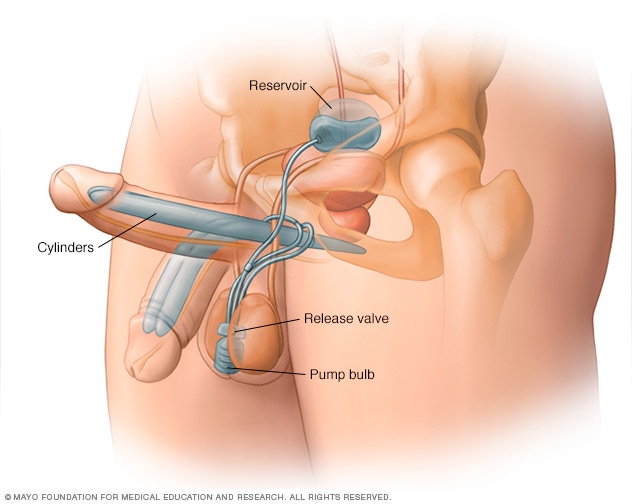
To understand what a penile implant looks like, one must view it through the lens of a medical tech professional. It is not a singular object but a system of high-performance components designed to operate in a high-stress, biocompatible environment.
The Anatomy of Medical Tech: Visualizing the Inflatable Prosthesis (IPP)
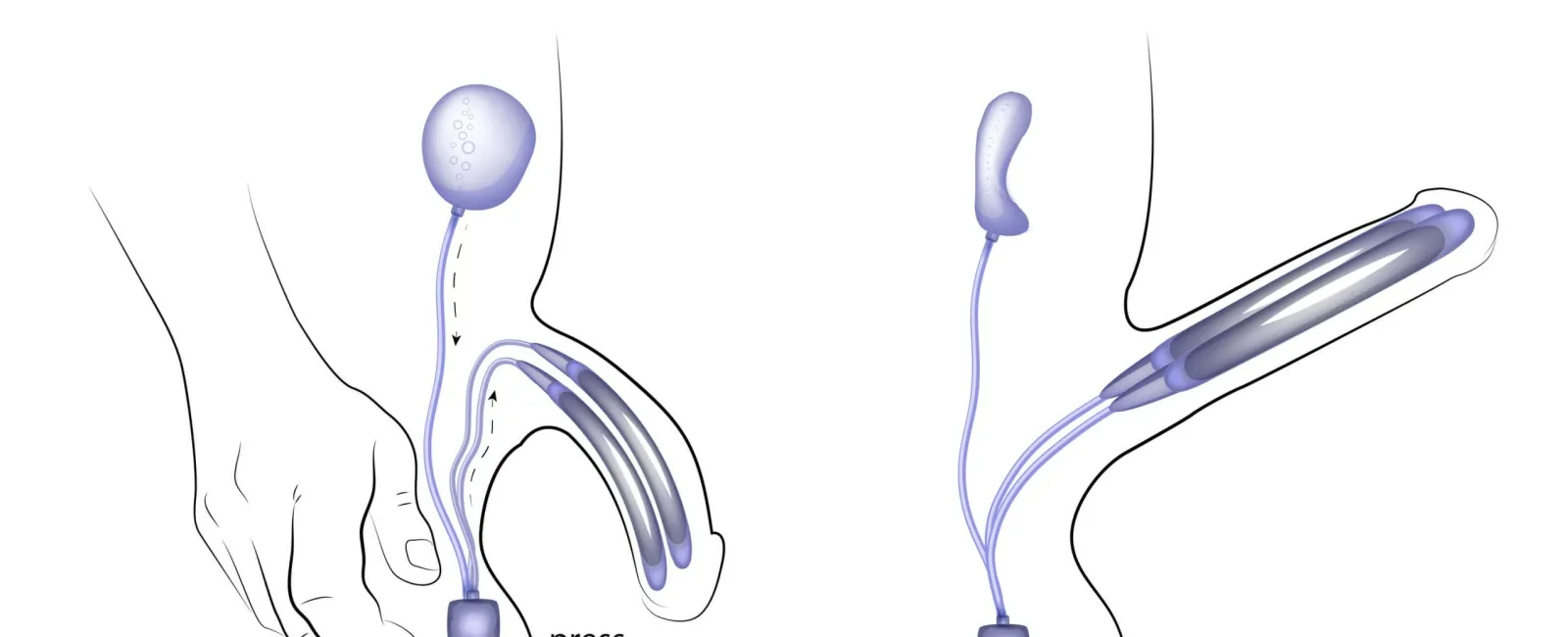
The most common and technologically advanced version of this device is the three-piece inflatable penile prosthesis. When viewed on a sterile tray before surgery, it looks like a sophisticated hydraulic system crafted from medical-grade polymers.
The Dual Cylinders: Biomaterial Engineering
The core of the system consists of two cylinders. These are the components that reside within the corpora cavernosa of the penis. Visually, they are long, slender tubes, typically translucent or opaque white, depending on the manufacturer (such as Boston Scientific or Coloplast). These cylinders are engineered using expanded polytetrafluoroethylene (ePTFE) or specialized silicone.
The surface texture is often slightly ribbed or coated with hydrophilic materials that allow the device to absorb antibiotics, a tech-driven solution to reduce post-operative infection rates. In their deflated state, these cylinders are flaccid and thin, but they are designed with high “girth expansion” capabilities, allowing them to mimic the rigid structural integrity of a natural erection when pressurized.
The Scrotal Pump: The User Interface (UI)
The pump is the “control center” of the device. It is a small, bulb-like structure, usually about the size of a large olive or a small walnut. In terms of design, it functions as a tactile user interface. It is typically made of soft, high-durometer silicone. The look of the pump includes a “deflation zone”—a specific button or pressure point that, when squeezed, triggers the release of fluid back into the reservoir. This component is a masterclass in tactile feedback engineering; it must be easy enough for a user to operate through the skin of the scrotum while being durable enough to withstand thousands of compression cycles.
The Reservoir: Concealed Fluid Dynamics
The third component is the reservoir, which looks like a small, spherical or clover-shaped balloon. It is usually made of a very thin, highly durable polymer. This component holds the saline solution used to inflate the cylinders. In the tech landscape of medical devices, the reservoir is an unsung hero of space-saving design. It is engineered to be implanted in the pre-vesical space (the lower abdomen), where its low-profile shape ensures it remains invisible and impalpable to the user once the body has healed.
Material Science and the Evolution of Semi-Rigid Designs
While the three-piece inflatable model is the “high-tech” standard, the semi-rigid or malleable implant offers a different look at engineering simplicity. These devices are often used when manual dexterity is a concern or when a more straightforward mechanical solution is preferred.
The Malleable Core: Stainless Steel and Nitinol Alloys
A semi-rigid implant looks like two solid yet flexible rods. Internally, these rods are not just silicone; they contain a series of interlocking metal links or a central wire core. High-end models utilize Nitinol—a nickel-titanium alloy known for its “shape memory” properties. This allows the rods to be bent into various positions without losing structural integrity. From a tech perspective, the look of these rods is defined by their “memory”—the ability to hold a shape (upward for activity, downward for concealment) without the need for a hydraulic system.
Silicone Encapsulation: Ensuring Biocompatibility
The outer layer of these rods is polished medical-grade silicone. The design goal here is “bio-neutrality.” The surface is incredibly smooth to prevent tissue irritation. Unlike the inflatable models, these rods maintain a constant diameter. The tech challenge here is balancing the rigidity needed for function with the flexibility needed for a natural look under clothing. Engineers utilize variable-density silicone to ensure the tips are softer, mimicking the natural glans of the penis, while the base remains firm.

The “Invisible” UI: Discreteness and External Aesthetics
When people ask what a penile implant looks like, they are often asking about the post-operative aesthetic. The true success of this technology lies in its invisibility. The goal of modern medical design is a “seamless integration” where the technology does not announce its presence.
Post-Operative Integration: The Cosmetic Outcome
Once implanted, the device is entirely internal. There are no external wires, ports, or indicators. From a visual standpoint, a man with a penile implant looks no different than a man without one. The surgical incisions are typically made in the scrotal sac or the lower abdomen—areas where skin folds naturally hide scarring. As the technology has advanced, “minimally invasive” surgical tools have allowed for smaller entry points, further enhancing the discrete “look” of the procedure.
Human-Centric Design: Mimicking Natural Mechanics
The engineering focus has shifted from mere “functionality” to “naturalism.” For instance, modern cylinders are designed to expand in both length and girth. Older tech versions often resulted in a “hinge” effect or an unnatural rigidity. Today’s devices utilize high-tensile fabrics within the cylinder walls to ensure that the inflation looks uniform. When deflated, the cylinders are designed to be “slack,” allowing the penis to hang in a natural, flaccid state. This focus on the “flaccid aesthetic” is a major area of research and development in the medical tech industry.
The Future Frontier: Digital Health and Smart Implants
As we look toward the next generation of medical technology, the “look” of penile implants is set to change as we integrate electronics into bio-prosthetics. We are moving from purely mechanical/hydraulic systems to “smart” systems.
Shape-Memory Alloys and Remote Activation
Researchers are currently prototyping implants that utilize electronic induction to change the temperature of shape-memory alloys. In this scenario, the “look” of the device might move away from pumps and reservoirs toward a single, integrated rod that reacts to a magnetic field or a smartphone-controlled wearable. This would eliminate the need for manual pumping, representing a massive leap in user experience (UX) design.
IoT Integration in Prosthetic Health Monitoring
The next wave of “Smart Implants” could include sensors that monitor tissue health, pressure levels, and even early signs of infection. These sensors would be microscopic, embedded directly into the silicone housing of the cylinders. While this wouldn’t change the macroscopic “look” of the device on a tray, it would fundamentally change the digital profile of the patient, allowing for real-time data transmission to healthcare providers.
Engineering Reliability: How Testing Labs Define the “Look” of Durability
Finally, what a penile implant looks like is defined by its rigorous testing standards. These devices are built to last 10 to 20 years inside a high-moisture, high-movement environment.
Stress Testing and Lifecycle Analysis
Before a model ever reaches a surgeon’s hands, it undergoes “accelerated life testing.” Engineers use robotic rigs to inflate and deflate the devices tens of thousands of times. This process determines the “look” of the components; for example, the “kink-resistant” tubing that connects the pump to the cylinders is reinforced with specialized braiding. This braiding gives the tubes a distinct, cross-hatched appearance, which is a visual hallmark of high-pressure hydraulic engineering.
Failure Mode and Effects Analysis (FMEA)
The design of the components—such as the rounded tips of the cylinders or the reinforced base of the pump—is the result of FMEA. This tech-driven approach identifies potential points of mechanical stress. Consequently, the “look” of the modern implant is sleek and rounded to prevent “extrusion” or tissue wear. Every curve and every thickness variation in the silicone is a calculated engineering decision meant to maximize the device’s lifespan within the human body.
In conclusion, a penile implant looks like a marvel of 21st-century engineering. Whether it is the complex hydraulic interplay of the three-piece inflatable system or the sophisticated alloy core of the malleable rod, these devices represent a perfect marriage of form and function. They are designed to be hidden, yet their internal complexity is a testament to how far medical technology has come in restoring quality of life through discrete, reliable, and human-centric design.
aViewFromTheCave is a participant in the Amazon Services LLC Associates Program, an affiliate advertising program designed to provide a means for sites to earn advertising fees by advertising and linking to Amazon.com. Amazon, the Amazon logo, AmazonSupply, and the AmazonSupply logo are trademarks of Amazon.com, Inc. or its affiliates. As an Amazon Associate we earn affiliate commissions from qualifying purchases.