
Carrara marble is arguably the most recognizable natural stone in the world of interior design and luxury architecture. From the pristine white facades of Renaissance sculptures to the high-end kitchen islands found in modern minimalist homes, this material has maintained a status that transcends fleeting design trends. Understanding Carrara marble requires a deep dive into its geological origins, its aesthetic properties, and the specific design strategies required to leverage its prestige within a luxury brand identity.
The Geological and Historical Significance of Carrara Marble
To position Carrara marble correctly within a high-end design portfolio, one must appreciate its heritage. Extracted from the Apuan Alps in the city of Carrara, Italy, this stone has been the preferred medium for master sculptors and architects for centuries. When a brand integrates Carrara marble into its identity—whether through physical showroom design or the selection of finishes for a premium project—it is not merely selecting a material; it is borrowing the weight of history.
The Origin Story
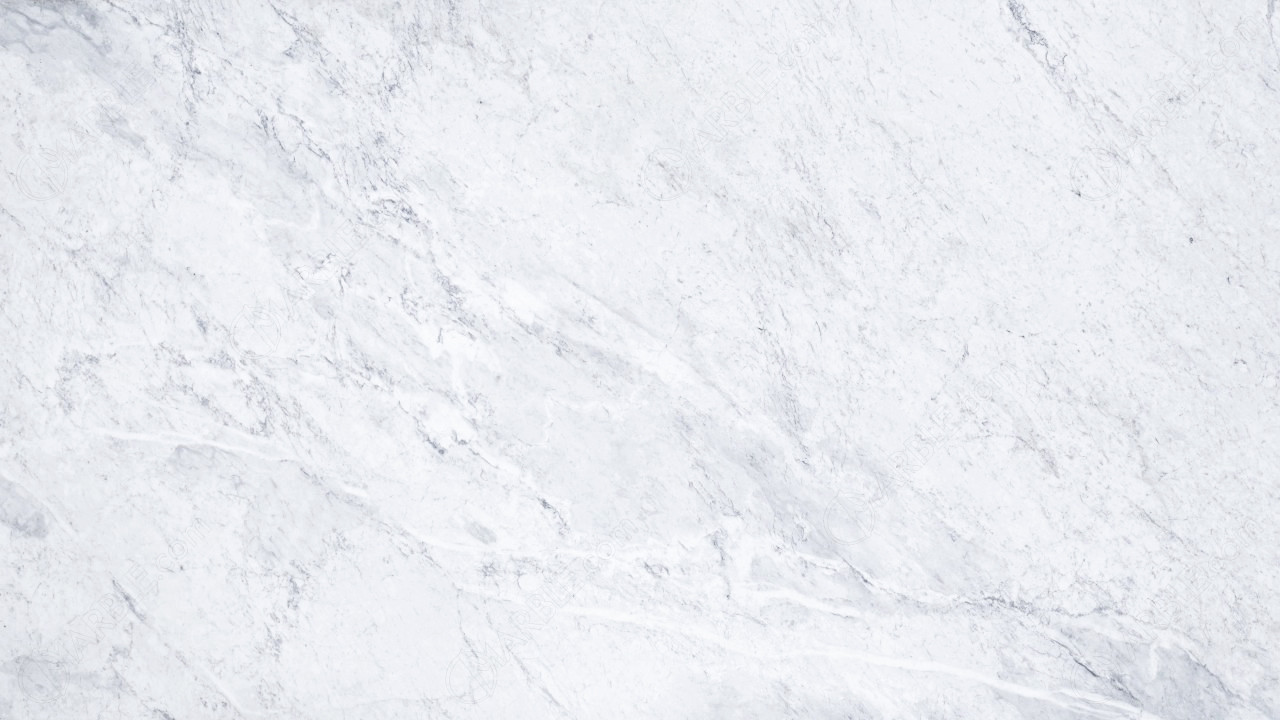
The marble is formed through the metamorphism of sedimentary carbonate rocks. Over millions of years, intense heat and pressure transformed limestone into the dense, durable stone we see today. The unique mineral composition of the Carrara region gives the stone its characteristic white-to-gray base, which sets it apart from other Italian marbles like the creamier Botticino or the more dramatic Calacatta.
The Brand Equity of “Made in Italy”
In the luxury market, the term “Carrara” carries inherent value. It functions as a signifier of authenticity and prestige. For designers and architects, utilizing genuine Carrara marble is a strategic decision that signals quality to the end consumer. The stone serves as a visual shorthand for sophistication, and in a competitive market, incorporating it into a brand’s physical touchpoints can significantly elevate the perceived value of a project.
Aesthetic Characteristics and Design Application
Carrara marble is defined by its subtle, soft veining. Unlike more aggressive stones that feature bold, gold, or dark violet streaks, Carrara typically displays fine, linear gray veins that appear to bleed into the white background. This makes it an incredibly versatile element in interior design, capable of grounding a space without overwhelming the visual field.
Achieving Timeless Minimalism
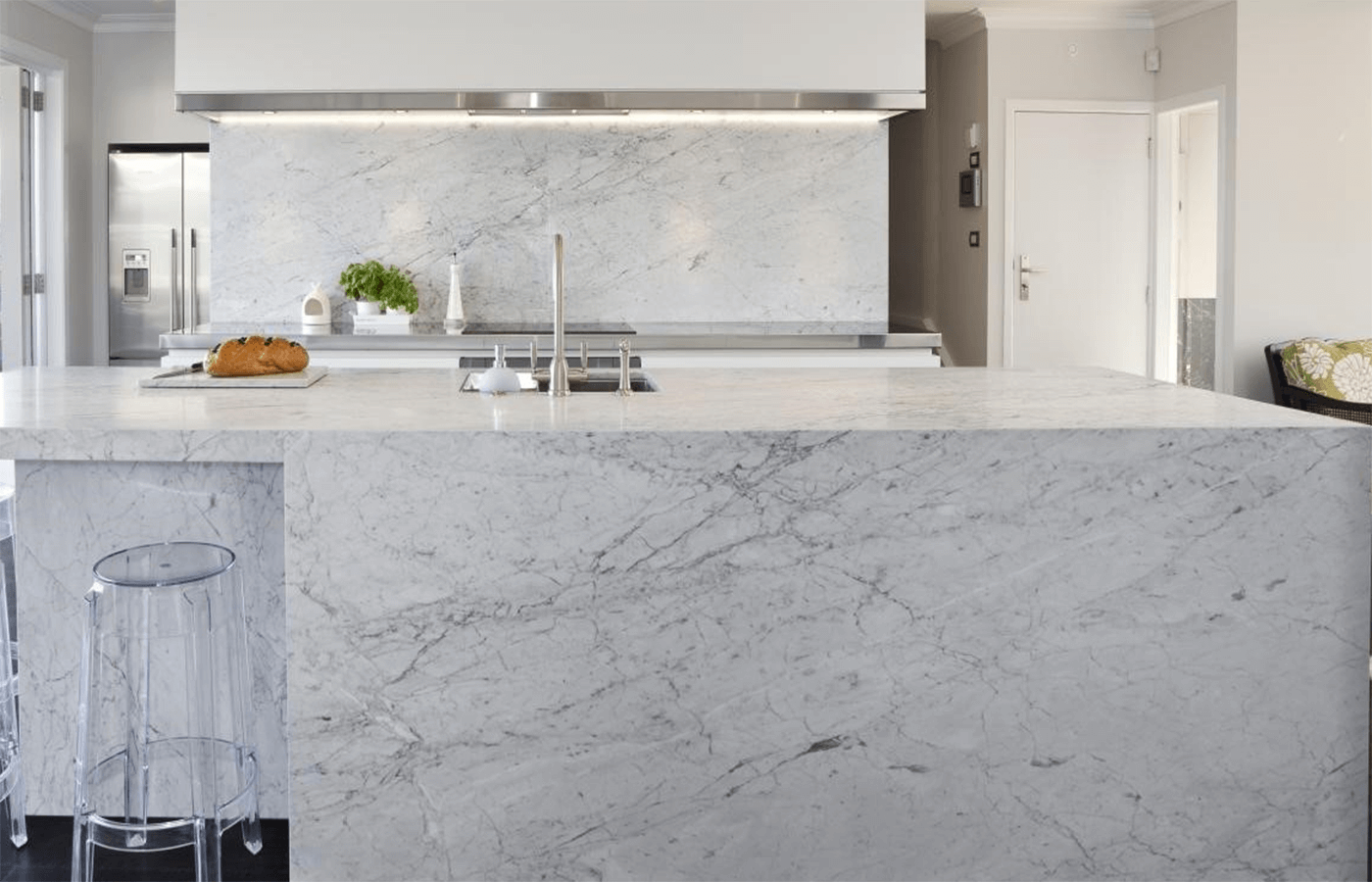
The beauty of Carrara lies in its restraint. In an era of maximalist design trends, Carrara remains the anchor for those pursuing a “quiet luxury” aesthetic. When used in countertops, flooring, or wall cladding, the stone provides a clean, monochromatic palette that allows other design elements—such as custom cabinetry, artisan fixtures, or statement furniture—to shine. This is a crucial lesson in brand design: sometimes the most effective way to communicate luxury is through understated consistency rather than loud ornamentation.
Texture and Finishes: The Designer’s Toolkit
The way Carrara marble is finished dictates how it interacts with light and, consequently, how a user experiences the space.
- Honed Finish: A matte look that feels soft to the touch. This is ideal for high-traffic areas because it hides small scratches and provides a contemporary, earthy feel.
- Polished Finish: A high-gloss sheen that reflects light, making spaces feel larger and more luxurious. This finish deepens the color of the gray veining, adding a sharper contrast to the white surface.
- Brushed or Leathered: A tactile, textured finish that emphasizes the natural, organic origins of the stone. This is increasingly popular in modern hospitality designs where a sensory connection between the user and the environment is paramount.
Strategic Maintenance and Longevity in Commercial Projects
While Carrara marble is synonymous with beauty, it is also a material that demands specific care. For businesses, developers, and designers, understanding the maintenance requirements of the stone is essential to protecting the investment—and the reputation of the project.
The Reality of Porosity and Etching
Carrara marble is a calcium carbonate stone, meaning it is porous and reactive to acids. Lemon juice, wine, and cleaning agents can cause “etching,” or dull marks, on the surface. For a residential client, this might be a patina of life, but in a commercial or high-end hospitality environment, it can be viewed as a flaw.
Strategic planning involves educating the end-user or client on these characteristics. A brand that is transparent about the nature of its materials—explaining that Carrara is a living, evolving surface—builds trust. It shifts the narrative from “this stone is damaged” to “this stone is a living material that ages with the building.”
Protecting the Asset
To maintain the pristine look that makes Carrara so desirable, industry professionals must implement a strict maintenance protocol:
- Sealing: High-quality penetrating sealers should be applied during installation to provide a barrier against spills.
- Product Selection: Utilizing pH-neutral cleansers is non-negotiable.
- Preventative Design: In kitchen or bar designs, ensuring that the stone is used in areas where exposure to acidic substances is minimized can prevent long-term degradation.
The Future of Carrara Marble in Modern Branding
As technology reshapes the design industry, the role of natural stone is shifting. With the rise of engineered surfaces and large-format porcelain that mimics the look of marble, the genuine article faces new competition. However, for a brand positioning itself in the ultra-luxury segment, the move away from synthetic alternatives toward authentic, natural, and locally sourced materials is becoming a distinct competitive advantage.
Authenticity as a Brand Pillar
Consumers are increasingly discerning. They are learning to spot the difference between a high-resolution print on porcelain and the true depth, cool temperature, and unique geological variation of real Carrara marble. By choosing the real stone, a brand commits to a philosophy of authenticity. It signals a rejection of the “fast-design” culture and an embrace of permanence.
The Sustainability Angle
While stone quarrying is resource-intensive, the longevity of Carrara marble offers a compelling argument for sustainability. Unlike synthetic countertops that may need to be replaced every decade due to wear or changes in design trends, a well-maintained Carrara marble surface can last for generations. Brands that prioritize durability and long-term value over temporary trends are aligning themselves with a more responsible, conscious approach to luxury.

Integrating Carrara into Visual Identity
For a design firm or a luxury retailer, the inclusion of Carrara in a physical space—a retail counter, a welcome desk, or even a bespoke architectural element—acts as a sensory touchpoint. It forces a pause. When a client walks into an environment anchored by natural stone, the subconscious association is one of heritage, stability, and high-level craftsmanship.
In conclusion, Carrara marble is more than just a surface material. It is a cornerstone of professional interior design and a powerful tool in brand strategy. By understanding its physical nature, its history, and its practical limitations, designers can masterfully employ this stone to create environments that are not only visually stunning but also deeply resonant with the values of their brand. Whether in a residential kitchen or a flagship commercial showroom, the deliberate use of Carrara marble creates a narrative of enduring quality that few other materials can match.
aViewFromTheCave is a participant in the Amazon Services LLC Associates Program, an affiliate advertising program designed to provide a means for sites to earn advertising fees by advertising and linking to Amazon.com. Amazon, the Amazon logo, AmazonSupply, and the AmazonSupply logo are trademarks of Amazon.com, Inc. or its affiliates. As an Amazon Associate we earn affiliate commissions from qualifying purchases.