
Navigating the landscape of business finance can often feel like venturing into uncharted territory. For many entrepreneurs and small business owners, a business loan represents a critical lifeline, providing the necessary capital to launch, grow, or sustain operations. Yet, the mechanics of how these financial instruments function, from application to repayment, remain a mystery to some. Understanding the intricate workings of a business loan is paramount not only for securing funding but also for leveraging it effectively to drive sustainable growth and mitigate financial risk.
At its core, a business loan is a sum of money lent by a financial institution or private lender to a business, which the business is obligated to repay over a predetermined period, along with an agreed-upon interest rate. Unlike personal loans, business loans are specifically designed to address commercial needs, such as purchasing inventory, acquiring equipment, funding expansion projects, managing cash flow, or even covering operational expenses during lean periods. The process is often more complex than personal lending, involving a deeper dive into the business’s financial health, operational history, and future projections. This comprehensive guide aims to demystify the business loan process, breaking down its components, exploring various types of loans, detailing the application journey, and outlining strategies for responsible repayment and long-term financial health. By shedding light on these crucial aspects, businesses can approach financing decisions with greater confidence and strategic foresight, turning potential financial hurdles into stepping stones for success.
Understanding the Fundamentals of Business Loans
Before embarking on the quest for business financing, it’s essential to grasp the foundational concepts that underpin every loan agreement. A clear understanding of these elements will empower business owners to make informed decisions and effectively communicate their needs to lenders.
What Constitutes a Business Loan?
A business loan is essentially an agreement between a business entity and a lender, where the lender provides a capital sum that the business promises to repay. This repayment includes the original amount borrowed, known as the principal, plus an additional charge, the interest, which is the cost of borrowing the money. The terms of this agreement—such as the interest rate, repayment schedule, and any associated fees—are explicitly laid out in a loan contract. The primary purpose of such a loan is to inject capital into a business to achieve specific commercial objectives, be it operational, strategic, or emergent. It’s distinct from equity financing, where investors receive ownership stakes, as a loan creates a debt obligation that does not dilute ownership.
Why Businesses Seek Loans: Common Motivations
Businesses, irrespective of their size or industry, often require external capital for a myriad of reasons. Understanding these common motivations helps in identifying the right type of loan and articulating its necessity to a potential lender. One primary reason is startup capital, enabling new ventures to cover initial expenses like office setup, product development, and initial marketing. For established businesses, loans are frequently sought for expansion and growth, such as opening new locations, entering new markets, or acquiring another company. Working capital loans are crucial for maintaining day-to-day operations, covering gaps in cash flow, or managing inventory. Businesses may also need funds for equipment financing, purchasing machinery, vehicles, or technology essential for their operations. Furthermore, loans can serve as a vital resource for managing unexpected expenses or navigating economic downturns, providing a financial buffer when unforeseen challenges arise.
Key Components Defining a Business Loan
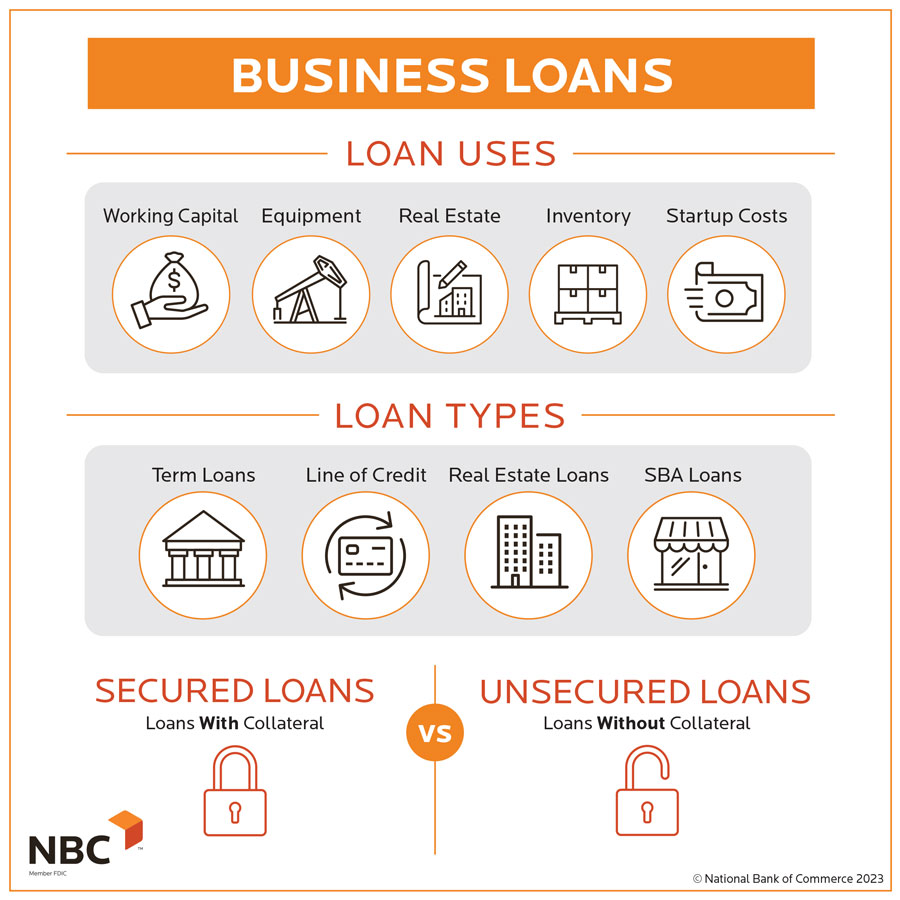
Every business loan is characterized by several critical components that dictate its cost, duration, and overall structure. The principal is the actual amount of money borrowed. The interest rate is the percentage charged by the lender for the use of the principal, which can be fixed (unchanging) or variable (fluctuating with market rates). The loan term refers to the duration over which the loan must be repaid, ranging from a few months to several years. Collateral, if required, is an asset (e.g., real estate, equipment, inventory) pledged by the borrower to secure the loan, providing the lender with a safety net in case of default. Fees can also be part of the package, including origination fees, application fees, or prepayment penalties. Finally, repayment schedule outlines the frequency and amount of payments, typically monthly, structured to pay off the principal and interest over the loan term. Comprehending these components is vital for evaluating the true cost and commitment associated with any business loan.
Exploring Diverse Types of Business Loans
The financial market offers a diverse array of business loan products, each tailored to specific needs, business types, and risk profiles. Choosing the right loan type is crucial for securing appropriate funding and optimizing repayment terms.
Traditional Term Loans: The Bedrock of Business Lending
Traditional term loans are perhaps the most recognizable form of business financing. Offered predominantly by banks and credit unions, these loans provide a lump sum of capital that is repaid over a fixed period with regular, typically monthly, installments. The interest rate can be fixed, offering predictable payments, or variable, which can fluctuate with market conditions. Term loans are often used for significant, long-term investments such such as facility expansion, major equipment purchases, or as a substantial injection of working capital. Lenders typically evaluate the borrower’s creditworthiness, financial history, and business plan extensively. While the application process can be rigorous, term loans often come with competitive interest rates and structured repayment plans, making them a popular choice for well-established businesses with strong financial standing.
Government-Backed Loans: SBA and Beyond
Government-backed loans, most notably those offered through the U.S. Small Business Administration (SBA), play a vital role in supporting small businesses that might not qualify for traditional bank loans. The SBA doesn’t directly lend money but guarantees a portion of loans made by participating lenders, reducing their risk and encouraging them to lend to small businesses. Common SBA programs include the 7(a) loan (the most flexible, for various general business purposes), the CDC/504 loan (for fixed assets like real estate and machinery), and microloans (smaller loans for specific purposes). These loans often feature lower down payments, longer repayment terms, and competitive interest rates compared to conventional loans. Eligibility criteria can be strict, focusing on the business’s size, industry, and ability to repay. Similar government programs exist in other countries, designed to stimulate economic growth and support local enterprises.
Flexible Solutions: Lines of Credit and Invoice Financing
For businesses requiring more flexible access to capital, options like lines of credit and invoice financing prove invaluable. A business line of credit operates much like a credit card, providing access to a revolving pool of funds up to a set limit. Businesses can draw funds as needed, repay them, and then draw again, making it ideal for managing cash flow fluctuations, covering unexpected expenses, or purchasing inventory in response to seasonal demands. Interest is only paid on the amount borrowed.
Invoice financing, also known as accounts receivable financing or factoring, allows businesses to get immediate cash by selling their unpaid invoices to a third-party lender or using them as collateral for a loan. This is particularly useful for businesses with long payment terms from customers, helping to bridge cash flow gaps without waiting for invoices to be paid. While potentially more expensive than traditional loans, it offers a quick infusion of capital based on existing assets.
Specialized Funding: Equipment Loans and Merchant Cash Advances
Beyond the more general financing options, specific needs often call for specialized loan products. Equipment loans are designed specifically for purchasing business equipment, ranging from office computers to heavy machinery. The equipment itself typically serves as collateral for the loan, which can simplify the approval process. These loans often feature favorable terms, with repayment schedules aligned with the expected lifespan of the asset.
Merchant Cash Advances (MCAs) offer a quick alternative for businesses that accept credit card payments. Instead of a traditional loan, a business receives an upfront sum of cash in exchange for a percentage of its future credit card sales. While MCAs provide rapid access to capital, they are generally considered a high-cost financing option, as the “interest rate” (often expressed as a factor rate) can be significantly higher than other loan types, making them suitable primarily for short-term, urgent funding needs. Understanding the nuances of each loan type is crucial for aligning financial needs with the most appropriate funding solution.
The Business Loan Application Journey
Securing a business loan is a multi-step process that requires thorough preparation, meticulous documentation, and strategic decision-making. Navigating this journey effectively can significantly improve the chances of approval and lead to more favorable loan terms.
Assessing Your Business Needs and Loan Suitability
The initial and most critical step is an honest assessment of your business’s financial needs. This involves clearly defining the purpose of the loan (e.g., working capital, equipment purchase, expansion), determining the exact amount required, and evaluating your business’s capacity to repay the loan. A common mistake is to borrow too little, which doesn’t solve the underlying problem, or too much, which incurs unnecessary interest and debt burden. Consider your current cash flow, projected revenues, and existing debt obligations. This self-assessment will guide you toward the most suitable loan type and help you articulate a compelling case to lenders. Understanding your repayment capacity is fundamental to ensuring the loan becomes an asset for growth, not a liability that stifles it.
Preparing Essential Documentation: A Comprehensive Checklist
Lenders require a comprehensive view of your business’s financial health and operational viability before committing capital. Preparing a robust package of documentation is paramount. This typically includes:
- Business Plan: A detailed outline of your business’s operations, market analysis, management team, and financial projections. It demonstrates your vision and strategy for growth.
- Financial Statements: This covers profit & loss statements, balance sheets, and cash flow statements for the past 2-3 years, along with interim statements. These documents provide a snapshot of your past performance and current financial standing.
- Tax Returns: Both business and personal tax returns (for owners) for recent years are often requested to verify income and financial history.
- Bank Statements: Recent business bank statements (3-12 months) to show cash flow patterns and account activity.
- Legal Documents: Business licenses, articles of incorporation, partnership agreements, and any relevant contracts.
- Personal Financial Statement: For business owners, providing personal assets, liabilities, and net worth.
- Credit Reports: Both business and personal credit reports are scrutinized to assess creditworthiness and repayment history.
- Collateral Information: If seeking a secured loan, documentation detailing the assets being pledged.
Organizing these documents meticulously will streamline the application process and present a professional image to potential lenders.
Selecting the Right Lender and Submitting Your Application
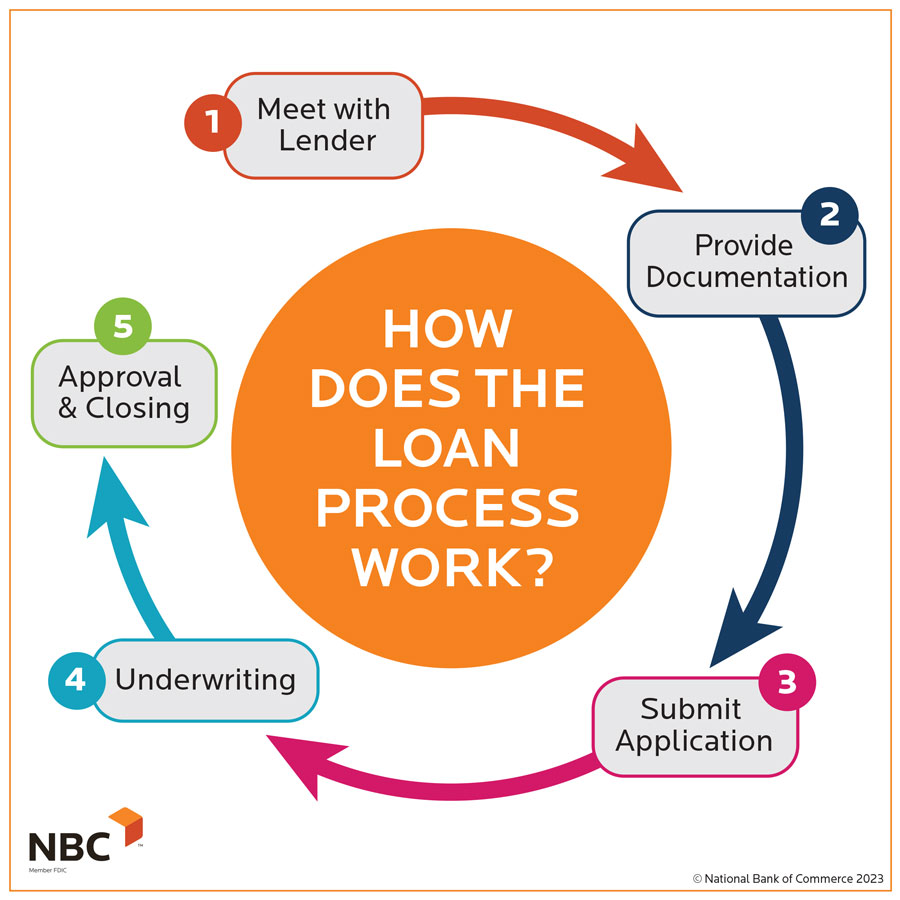
With your documentation in hand and a clear understanding of your needs, the next step is to identify suitable lenders. Research various financial institutions—traditional banks, credit unions, online lenders, and even alternative financiers—to compare their loan products, eligibility requirements, interest rates, fees, and customer service. Consider factors such as lender reputation, specialization in your industry, and their track record with similar businesses. Once you’ve chosen a few promising options, tailor your application to each specific lender’s requirements. Many lenders now offer online application portals, which can expedite the process. However, some traditional banks may still prefer in-person meetings. Ensure all requested fields are completed accurately and all necessary documents are attached. A well-presented and complete application reflects positively on your business’s professionalism.
Underwriting, Approval, and Disbursement
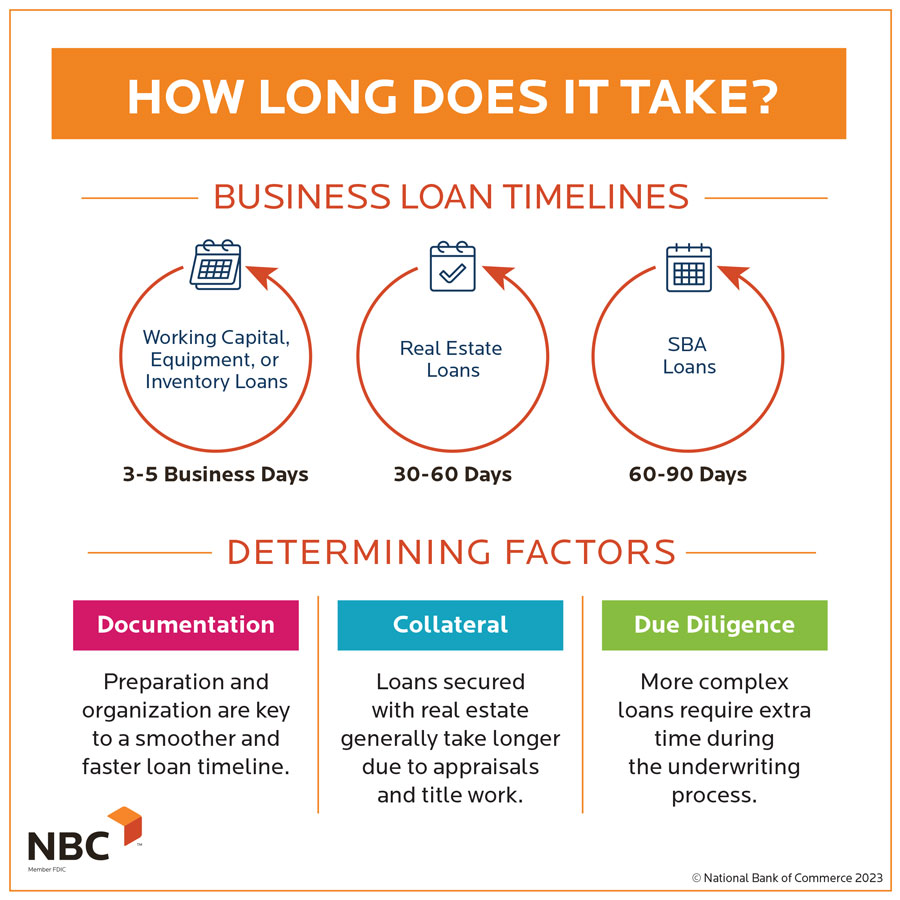
After submitting your application, it enters the underwriting phase. During this stage, the lender’s underwriting team thoroughly reviews all submitted documents, verifies information, assesses the risk profile of your business, and determines your ability to repay the loan. They will evaluate your credit history, financial ratios, collateral (if any), and the overall strength of your business plan. This process can involve follow-up questions or requests for additional information. If your application meets the lender’s criteria, you will receive a loan offer outlining the principal amount, interest rate, term, repayment schedule, and any conditions. It’s crucial to review these terms carefully, seeking clarification on any ambiguities. Upon your acceptance of the terms and conditions, and once all closing documents are signed, the loan amount will be disbursed to your business bank account, typically within a few days or weeks, depending on the loan type and lender. This marks the successful completion of the application journey, allowing your business to access the much-needed capital.
Managing Your Business Loan: Repayment and Beyond
Securing a business loan is merely the first step; effectively managing its repayment and understanding its long-term implications are critical for your business’s financial health and credit standing. Responsible management ensures the loan serves its intended purpose without becoming an undue burden.
Understanding Repayment Schedules and Obligations
Every business loan comes with a clearly defined repayment schedule, typically involving fixed monthly installments over a specified term. These payments are usually structured to cover both a portion of the principal and the accrued interest. It’s essential to understand the amortization schedule, which breaks down how each payment contributes to reducing the principal balance versus paying interest. For example, early payments often allocate a larger portion to interest, while later payments prioritize principal reduction. Adhering strictly to this schedule is paramount. Missing payments or making late payments can lead to late fees, negatively impact your business credit score, and potentially trigger default clauses in your loan agreement. Setting up automatic payments can be an effective way to ensure timely remittances and avoid oversight, thereby preserving your credit health.
The Critical Role of Collateral and Guarantees
Many business loans, particularly larger ones or those for newer businesses, are secured loans, meaning they require collateral. Collateral is an asset—such as real estate, equipment, inventory, or accounts receivable—that the borrower pledges to the lender. In the event of default, the lender has the right to seize and sell this collateral to recoup their losses. This significantly reduces the lender’s risk. Beyond physical assets, lenders may also require a personal guarantee from the business owner. A personal guarantee means the owner is personally liable for the loan if the business defaults, putting personal assets at risk. Understanding these requirements and their implications is crucial. While collateral and guarantees can make it easier to secure funding or obtain better terms, they also carry significant risks that must be carefully considered.
Maintaining Financial Health Post-Loan
The true measure of a successful business loan lies in its impact on the business’s long-term financial health. Post-disbursement, it’s vital to meticulously manage the borrowed funds according to the plan outlined in your loan application. Implement robust budgeting and cash flow management strategies to ensure sufficient funds are always available for loan repayments without jeopardizing other operational needs. Continuously monitor your financial performance, comparing actual results against your projections. If the loan was used for growth, track key performance indicators (KPIs) to confirm the investment is yielding the anticipated returns. Proactive financial management includes regularly reviewing your balance sheet, profit and loss statements, and cash flow to identify any potential issues early. This allows for adjustments to be made before minor problems escalate into major financial challenges.
Potential Benefits and Risks of Business Loans
Business loans offer undeniable benefits, primarily the ability to inject substantial capital quickly, enabling growth, market expansion, equipment acquisition, or simply maintaining operations during fluctuating economic periods. They allow businesses to leverage opportunities that would otherwise be out of reach due to insufficient internal funds. Loans also help build a business credit history, which can lead to better financing options in the future.
However, loans also come with inherent risks. The most significant is the debt burden—the obligation to repay the principal plus interest, regardless of the business’s performance. If revenue streams falter or expenses increase unexpectedly, timely repayment can become challenging, leading to financial strain or even default. Defaulting on a business loan can result in damaged credit, loss of collateral, legal action, and potential bankruptcy. Moreover, high-interest rates or unfavorable terms can erode profitability. Therefore, a careful risk assessment, coupled with a conservative repayment plan, is essential to harness the benefits of a business loan while mitigating its potential downsides.
Strategies for Maximizing Your Loan Success
Successfully securing and managing a business loan isn’t solely about meeting eligibility criteria; it also involves strategic planning and proactive measures to improve your chances of approval and obtain the most favorable terms.
Building a Strong Business Credit Score
Just as personal credit scores influence individual borrowing, a robust business credit score is paramount for securing business loans. Lenders rely heavily on this score to assess your business’s creditworthiness and repayment reliability. To build and maintain a strong business credit score:
- Separate personal and business finances: Establish dedicated business bank accounts and credit cards to clearly distinguish financial activities.
- Ensure timely payments: Pay all your vendors, suppliers, and existing loan installments on time, every time. Payment history is a major factor in credit scoring.
- Establish credit relationships: Obtain a D-U-N-S number from Dun & Bradstreet, open trade credit accounts with suppliers, and ensure these activities are reported to business credit bureaus (e.g., Experian Business, Equifax Business, D&B).
- Monitor your business credit report: Regularly review your reports for accuracy and dispute any errors. A high business credit score signals financial stability and responsibility, making your business a more attractive borrower.
Crafting a Compelling Business Plan
Beyond financial statements, a well-articulated business plan serves as a roadmap for your venture and a crucial document for lenders. It demonstrates your understanding of the market, your operational strategy, and your projections for success. A compelling business plan should:
- Clearly define your business: What products or services do you offer? What problem do you solve?
- Outline your market analysis: Who are your target customers? What is the market size and competition?
- Detail your operational plan: How will your business function day-to-day?
- Present a robust management team: Highlight the experience and expertise of key personnel.
- Provide realistic financial projections: Include profit and loss forecasts, cash flow projections, and a balance sheet for the next 3-5 years, demonstrating how the loan will generate revenue and be repaid.
- Articulate the purpose of the loan: Explain precisely how the funds will be utilized and the expected return on investment.
A thorough and professionally presented business plan instills confidence in lenders, showing that you have a clear vision and a viable strategy for repayment.
Optimizing Your Financial Statements for Lending
Your financial statements—the balance sheet, income statement (P&L), and cash flow statement—are the backbone of your loan application. Lenders meticulously scrutinize these documents to gauge your financial health. To optimize them:
- Demonstrate profitability: Lenders prefer to see consistent profits or a clear path to profitability. Highlight strong revenue growth and healthy margins.
- Maintain strong cash flow: Positive cash flow indicates your business can generate enough cash to cover its operating expenses and debt obligations.
- Manage debt wisely: While a loan itself adds to debt, a low existing debt-to-equity ratio signals that your business isn’t overleveraged.
- Ensure accuracy and consistency: All financial data should be precise, reconcile across different statements, and be prepared using standard accounting practices.
- Show growth potential: Even if current numbers are modest, robust projections backed by solid assumptions can be persuasive.
Work with an experienced accountant to ensure your financials are not only accurate but also present your business in the most favorable light possible, highlighting strengths and addressing potential weaknesses proactively.
Exploring Diverse Funding Options
Limiting your search to a single type of lender or loan product can restrict your opportunities. Diverse funding options abound, each with its own advantages and eligibility criteria. Beyond traditional banks, consider:
- Credit Unions: Often more community-focused, credit unions may offer more flexible terms and personalized service, especially for local businesses.
- Online Lenders: These platforms often provide quicker application and approval processes, making them suitable for urgent funding needs, though rates might be higher.
- Alternative Lenders: This category includes peer-to-peer lending platforms, crowdfunding for businesses, and specialized finance companies that cater to niche industries or specific asset-backed loans.
- SBA Loans (and similar government programs): As discussed, these can provide favorable terms due to government guarantees, especially for small and emerging businesses.
By researching and comparing multiple options, you increase your chances of finding a loan that perfectly matches your business’s unique requirements, financial situation, and growth aspirations. Don’t be afraid to cast a wide net and negotiate for the best possible terms.
In conclusion, a business loan is a powerful financial tool that, when understood and managed correctly, can be a catalyst for significant growth and stability. By diligently preparing, choosing wisely, and responsibly repaying, businesses can effectively leverage external capital to achieve their entrepreneurial dreams.
aViewFromTheCave is a participant in the Amazon Services LLC Associates Program, an affiliate advertising program designed to provide a means for sites to earn advertising fees by advertising and linking to Amazon.com. Amazon, the Amazon logo, AmazonSupply, and the AmazonSupply logo are trademarks of Amazon.com, Inc. or its affiliates. As an Amazon Associate we earn affiliate commissions from qualifying purchases.