
In the intricate world of business finance and legal administration, understanding the mechanics of documentation is essential for protecting your professional interests. When you operate a business, engage in litigation, or manage contractual disputes, the procedural requirements of serving documents are as critical as the contents of the documents themselves. At the center of this procedural rigor sits the Affidavit of Service—a foundational document that serves as the bedrock of due process in financial and commercial disputes.
The Financial and Legal Significance of the Affidavit of Service
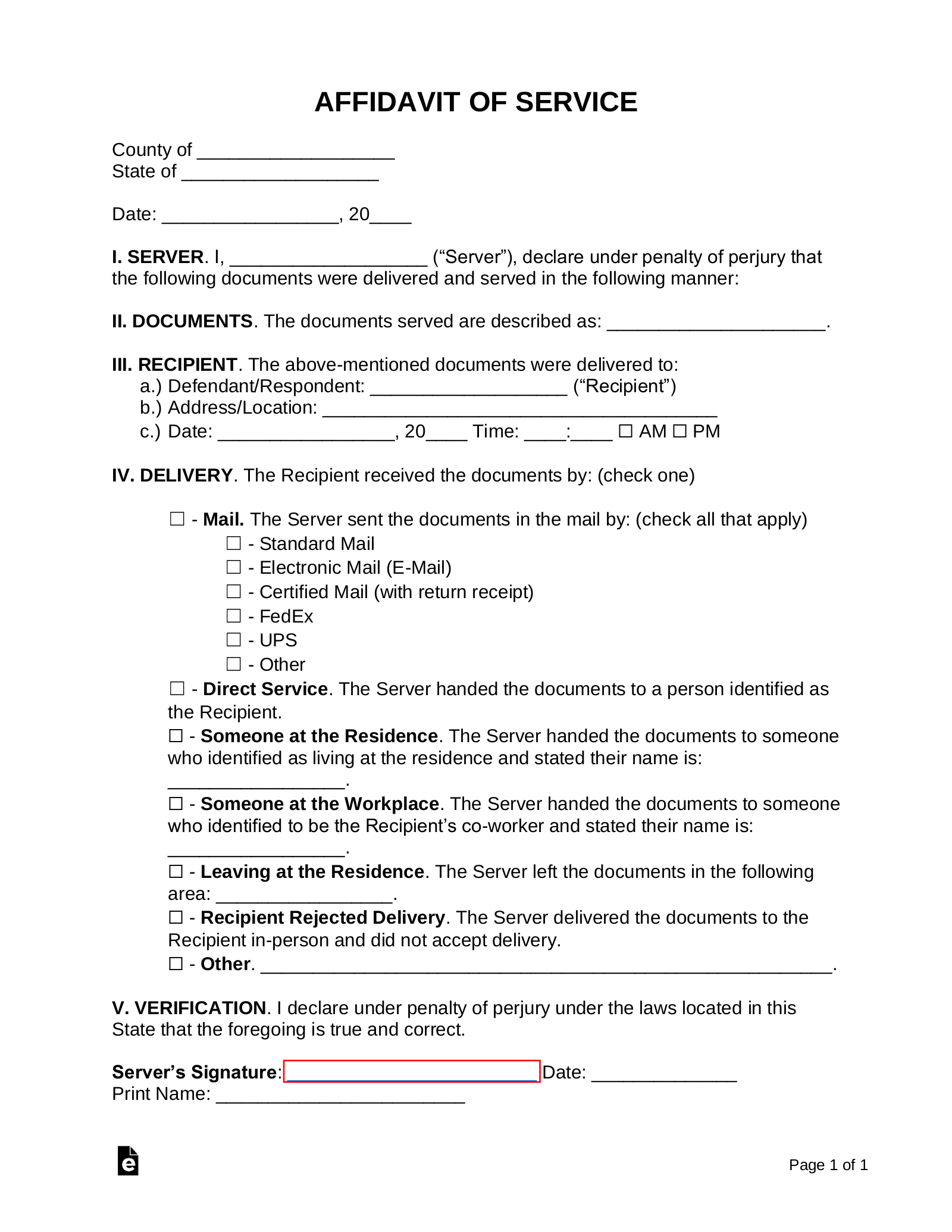
An Affidavit of Service is a sworn legal document that provides proof that a specific set of documents was delivered to a person or entity involved in a legal proceeding. From a business finance perspective, this is not merely a formality; it is a critical instrument of risk management. When a company initiates a lawsuit for breach of contract, unpaid invoices, or debt collection, the court must be certain that the defendant has been formally notified.
Why Proof of Delivery Matters for Business
In any financial dispute, the validity of your claim often hinges on whether the opposing party can be held accountable for their obligations. If you cannot prove that a debtor or a business partner received formal notice of a hearing or a lawsuit, your case can be dismissed, leading to wasted legal fees and unnecessary delays. The Affidavit of Service acts as the official certification that the “service of process” has been completed according to the strict guidelines mandated by the jurisdiction.
Financial Implications of Procedural Failures
Procedural errors are expensive. If a process server or an employee fails to file an Affidavit of Service correctly, the court may require you to re-serve the documents. This incurs additional costs, including process server fees, courier charges, and the loss of billable hours spent in legal preparation. Furthermore, if you are attempting to collect on a debt, a failure to properly serve a defendant can trigger a “statute of limitations” defense, potentially rendering your financial claim unenforceable. Maintaining a meticulous trail of service documentation is, therefore, a core component of sound business financial stewardship.
The Anatomy of a Valid Affidavit
A legally binding Affidavit of Service is not a generic receipt. To hold up in a court of law, it must contain specific, verifiable information. Understanding these components helps business owners ensure that the documents they file are robust enough to withstand scrutiny.
Essential Components
The document must be signed by the person who performed the delivery—often a professional process server or a neutral third party. It must include:
- The Identity of the Server: The name and contact information of the individual who physically delivered the documents.
- The Identity of the Recipient: A clear description of who received the documents (the defendant, an authorized agent, or a family member of a certain age at the defendant’s residence).
- Date, Time, and Location: Precise details regarding when and where the service occurred.
- The List of Documents Served: An exhaustive inventory of exactly what was handed over, ensuring there is no ambiguity regarding notice.
- The Method of Service: Whether the documents were handed directly to the person (personal service) or left with a representative (substituted service), provided that the specific jurisdiction permits such methods.
The Role of Notarization
In almost all jurisdictions, an Affidavit of Service must be notarized to be admissible. A notary public verifies the identity of the signer and ensures that the document is signed under oath. For the business owner, this means that the document carries a “presumption of truth.” When the court receives a notarized affidavit, it accepts the contents as evidence that the legal notice was provided, shifting the burden of proof to the defendant if they claim they never received it.

Best Practices for Managing Service of Process in Business
For businesses dealing with high volumes of collections or litigation, the management of service documentation should be treated with the same level of oversight as accounts receivable or tax filings. Efficient document management reduces legal friction and protects the company’s balance sheet.
Utilizing Professional Process Servers
While the law often allows for service by mail or even by an employee, these methods are prone to error. Professional process servers are trained to navigate the complexities of local civil procedure rules. They understand how to handle difficult defendants and, most importantly, they know how to draft an Affidavit of Service that is bulletproof against motions to dismiss. Spending the capital to hire a professional is a wise investment in the financial integrity of your legal claims.
Maintaining a Digital Audit Trail
In the modern financial landscape, physical documentation is increasingly paired with digital record-keeping. Businesses should maintain a secure, centralized repository for all Affidavits of Service. This ensures that if a financial dispute escalates years after an initial claim, the company can instantly retrieve the proof of service. Utilizing document management software can help flag missing affidavits, allowing your accounting or legal department to rectify omissions before they become costly liabilities.
The Dangers of “Sewer Service”
“Sewer service” is a term used to describe the fraudulent practice where a process server claims to have delivered documents when they never actually did. This can lead to default judgments that are later overturned, causing massive financial disruption. By performing due diligence on the agencies you hire and reviewing their provided Affidavits of Service for consistency and detail, you protect your business from the downstream financial fallout of incompetent or unethical service.
When the Affidavit Is Challenged
Even with a notarized document in hand, a defendant may attempt to challenge the validity of the service. Understanding the defense strategy is essential for any executive or financial manager overseeing a case.
Common Grounds for Challenge
- Improper Delivery: The defendant may argue that the documents were left in an improper location, such as a porch or a mailbox, when personal service was required.
- Mistaken Identity: The defendant may claim that the person served was not them, or that the process server served an unauthorized individual at the address.
- Jurisdictional Inconsistencies: Occasionally, the rules of civil procedure are misinterpreted, leading to service that fails to meet specific jurisdictional requirements, such as failing to provide enough copies or missing a specific deadline.
Mitigating Risk through Meticulousness
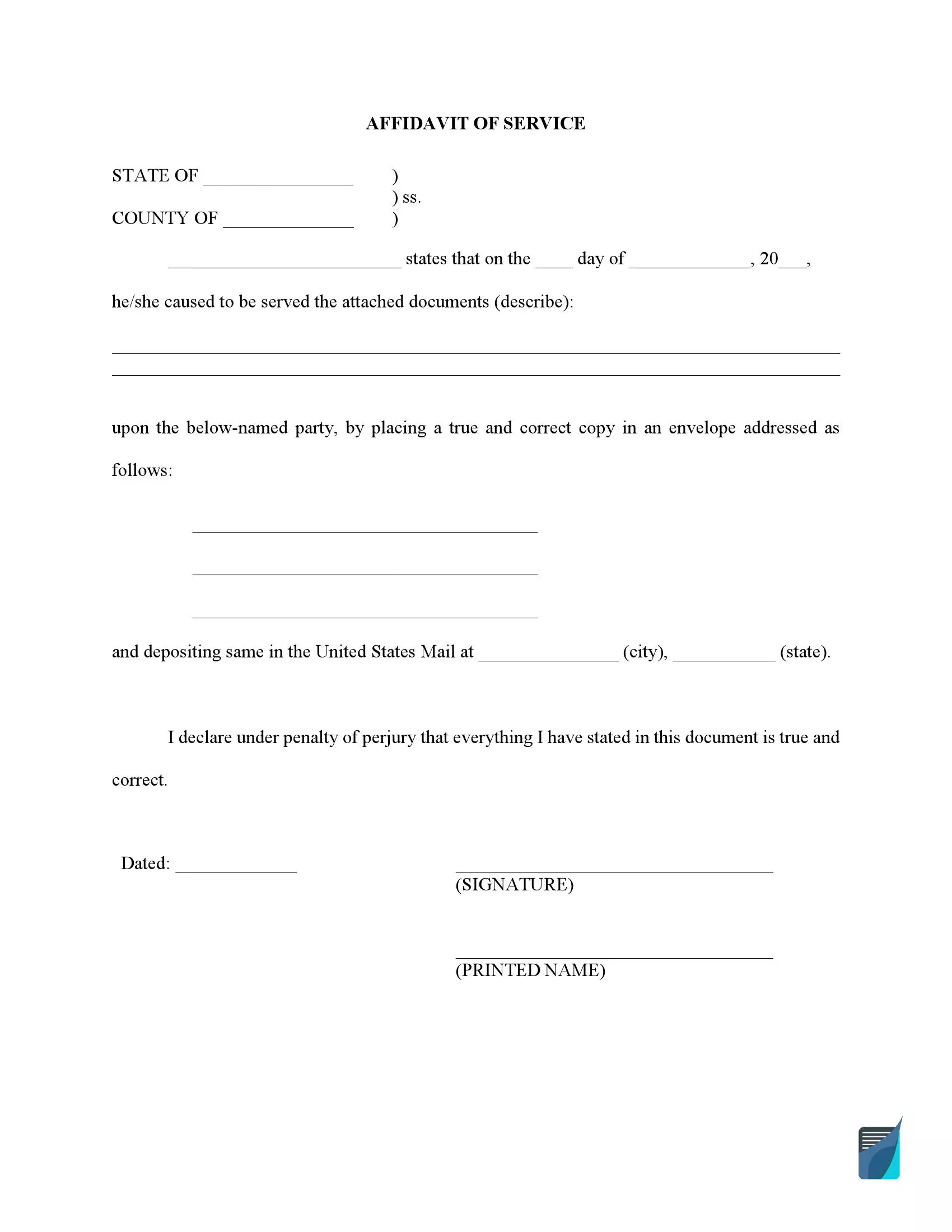
When you have a detailed, notarized Affidavit of Service that includes specific identifiers—such as the defendant’s physical description or confirmation of the address via GPS logging—a challenge becomes significantly more difficult for the opponent to sustain. By mandating that your service providers document the transaction with high levels of detail, you create a “defensive wall” around your legal and financial interests. This reduces the likelihood that you will have to spend additional capital re-litigating the service phase of the trial, keeping your focus strictly on the underlying financial merit of the case.
The Affidavit of Service is much more than a scrap of paper; it is the gatekeeper of the court. For businesses, it represents the assurance that your rights are being protected, your contracts are being enforced, and your financial claims are being processed with the gravity they deserve. By prioritizing the accuracy and professional handling of these documents, you solidify the procedural foundation of your business operations.
aViewFromTheCave is a participant in the Amazon Services LLC Associates Program, an affiliate advertising program designed to provide a means for sites to earn advertising fees by advertising and linking to Amazon.com. Amazon, the Amazon logo, AmazonSupply, and the AmazonSupply logo are trademarks of Amazon.com, Inc. or its affiliates. As an Amazon Associate we earn affiliate commissions from qualifying purchases.