
Navigating the landscape of modern relationships requires more than just emotional intelligence; it demands a structured approach to managing your personal brand and social equity. While the colloquial conversation around “age-appropriate dating” often revolves around sociological norms or personal preferences, in the professional and high-stakes world of personal branding and strategic networking, these decisions function as key components of your public identity. Your romantic choices serve as an extension of your personal brand, influencing how you are perceived by stakeholders, clients, and professional peers.
The Brand Equity of Romantic Alignment
In the context of personal branding, your public associations act as a filter for your professional credibility. Just as a corporation carefully vets its partners to ensure brand alignment, individuals in leadership or high-visibility roles must consider the “brand narrative” created by their personal lives.
Consistency and Narrative Control
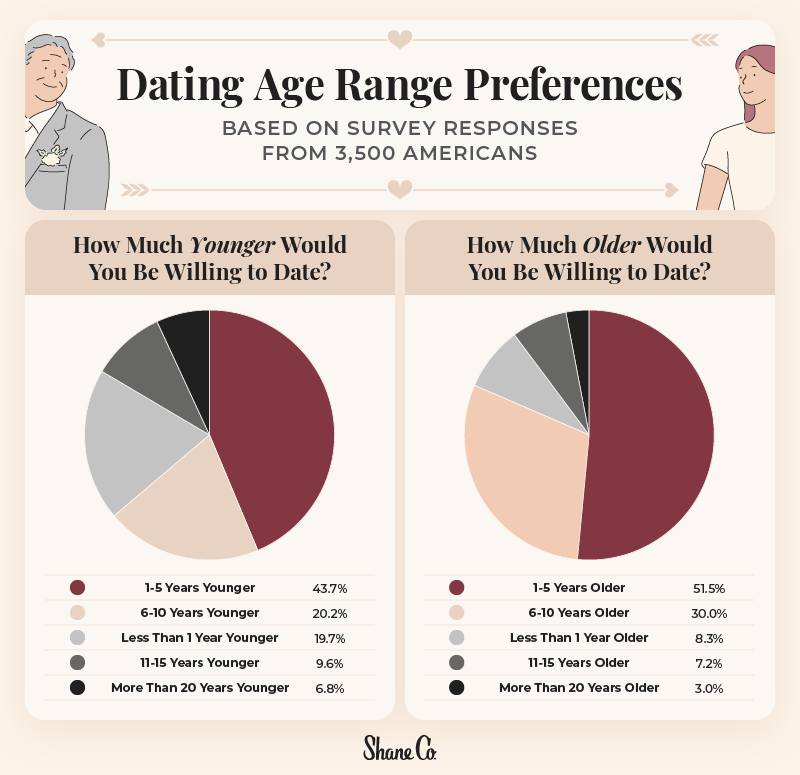
Your personal brand is a sum of your associations. When evaluating the age-appropriateness of a potential partner, you are essentially making a choice about the story you are telling the market. A partner who aligns with your current life stage, professional trajectory, and demographic profile tends to reinforce your existing brand architecture. Conversely, significant deviations from the norm can create cognitive dissonance among your audience. For professionals, the goal is often to project stability and executive presence. When your romantic life appears incongruent with these values, it may inadvertently raise questions about judgment or long-term decision-making capabilities—traits that are essential in both business and personal branding.
Managing Public Perception
The digital age has effectively eroded the barrier between the private and public spheres. Every dinner, social event, or public appearance is potentially documented. In this environment, your dating life becomes a matter of public record. Strategic branding requires you to be conscious of how your partner’s public identity reflects upon yours. If you are a mentor, an educator, or an executive, your “brand” is inextricably linked to your perceived maturity. Aligning yourself with someone who exists within a similar professional or developmental horizon helps maintain a consistent, predictable, and trustworthy image.
Strategic Networking and Social Capital
Dating is, in many respects, a form of high-stakes networking. The people we choose to spend our time with are indicative of our values, our goals, and our socioeconomic standing. In the world of branding, we refer to this as “associative value.”
The Influence of Peer Groups
The social circles you frequent as a couple provide a significant portion of your social capital. If you choose to date outside of your peer group—specifically in terms of vast age gaps—you are essentially shifting your social center of gravity. For a personal brand, this can be a double-edged sword. While it might offer access to new markets or demographics, it can also lead to an erosion of credibility within your core network. Successful personal branding is about deepening authority within your existing niche, not necessarily diluting it with misaligned social associations.

The Optics of Maturity
Professionalism is often equated with the ability to navigate complex social hierarchies. When you date someone significantly outside of your age cohort, you may find that the optics of the situation are scrutinized through the lens of power dynamics. From a corporate identity perspective, maintaining a reputation for sound judgment is paramount. If your dating life creates a narrative of instability or questionable priorities, it can become a hurdle for professional advancement. The most effective personal brands leverage their relationships to enhance their reputation, ensuring that every public-facing choice—including a partner—acts as a multiplier for their professional status rather than a liability.
Digital Footprints and Online Presence
In the digital era, your online footprint is the primary source of truth for potential clients, employers, and collaborators. Your dating life, whether intentional or not, will inevitably leave a trace on this footprint.
Curating Your Digital Identity
Social media platforms are the modern portfolio for your personal brand. If you are active on these platforms, your dating choices become content. A carefully curated online presence is an asset; a haphazard one is a risk. Consider the aesthetic and narrative impact of your social media feed. Does the presence of a partner who is perceived as “age-inappropriate” distract from the professional insights or thought leadership you are trying to share? If the answer is yes, you are allowing your romantic life to disrupt your branding strategy. A professional approach to dating involves understanding the visual and narrative impact of your life choices on the channels you use to build your authority.
Reputation Risk Management
Reputation management is a cornerstone of brand strategy. When an incident—even a perceived one—occurs in your personal life, the potential for viral misinformation or negative discourse increases. If you are dating someone who does not share your professional standard or developmental context, you may find it difficult to manage the narrative if things go wrong. High-value individuals prioritize the mitigation of risk. By selecting partners who are within an age-appropriate range, you are often choosing individuals who possess similar life experiences, professional stressors, and social expectations, thereby reducing the likelihood of reputational friction.
The Long-Term ROI of Authentic Connections
When viewed through the lens of brand strategy, the most effective relationships are those that offer a high return on investment (ROI). This is not a cold, calculated view of romance, but rather an acknowledgment that your choice of partner is the most impactful investment you will make in your personal life.
Synergistic Growth
True personal branding is not about faking an identity; it is about amplifying your authentic self. The best partners are those who act as “force multipliers.” When you date someone at an appropriate life stage, there is a natural synergy of goals. You are likely facing similar challenges in your careers, planning for similar future milestones, and navigating the same societal pressures. This alignment allows you to support one another in a way that fuels your respective brands. You become a power couple in the professional sense, where the combined influence of the partnership is greater than the sum of its parts.
Sustaining Professional Momentum
A relationship that causes constant friction—whether due to differences in values, life experiences, or public optics—is an emotional and strategic drain. To sustain long-term professional momentum, you need a personal foundation that provides security and clarity. An age-appropriate partner is often more likely to provide this stability, as your life rhythms are naturally synchronized. This synchronization allows you to dedicate your best energy to your professional goals, knowing that your personal life is a source of strength rather than a source of potential PR crises or social complications.
Ultimately, “age-appropriate” is not a rigid rule, but a strategic guideline for those who view their lives as a project to be managed. By prioritizing relationships that offer genuine synergy, protect your professional reputation, and enhance your personal brand, you ensure that your private choices always support, rather than undermine, your public success. In the competitive landscape of personal branding, your romantic life is one of your most significant brand assets—manage it with the same rigor you apply to every other facet of your career.
aViewFromTheCave is a participant in the Amazon Services LLC Associates Program, an affiliate advertising program designed to provide a means for sites to earn advertising fees by advertising and linking to Amazon.com. Amazon, the Amazon logo, AmazonSupply, and the AmazonSupply logo are trademarks of Amazon.com, Inc. or its affiliates. As an Amazon Associate we earn affiliate commissions from qualifying purchases.