
The Foundational Pillar of a Personal Brand
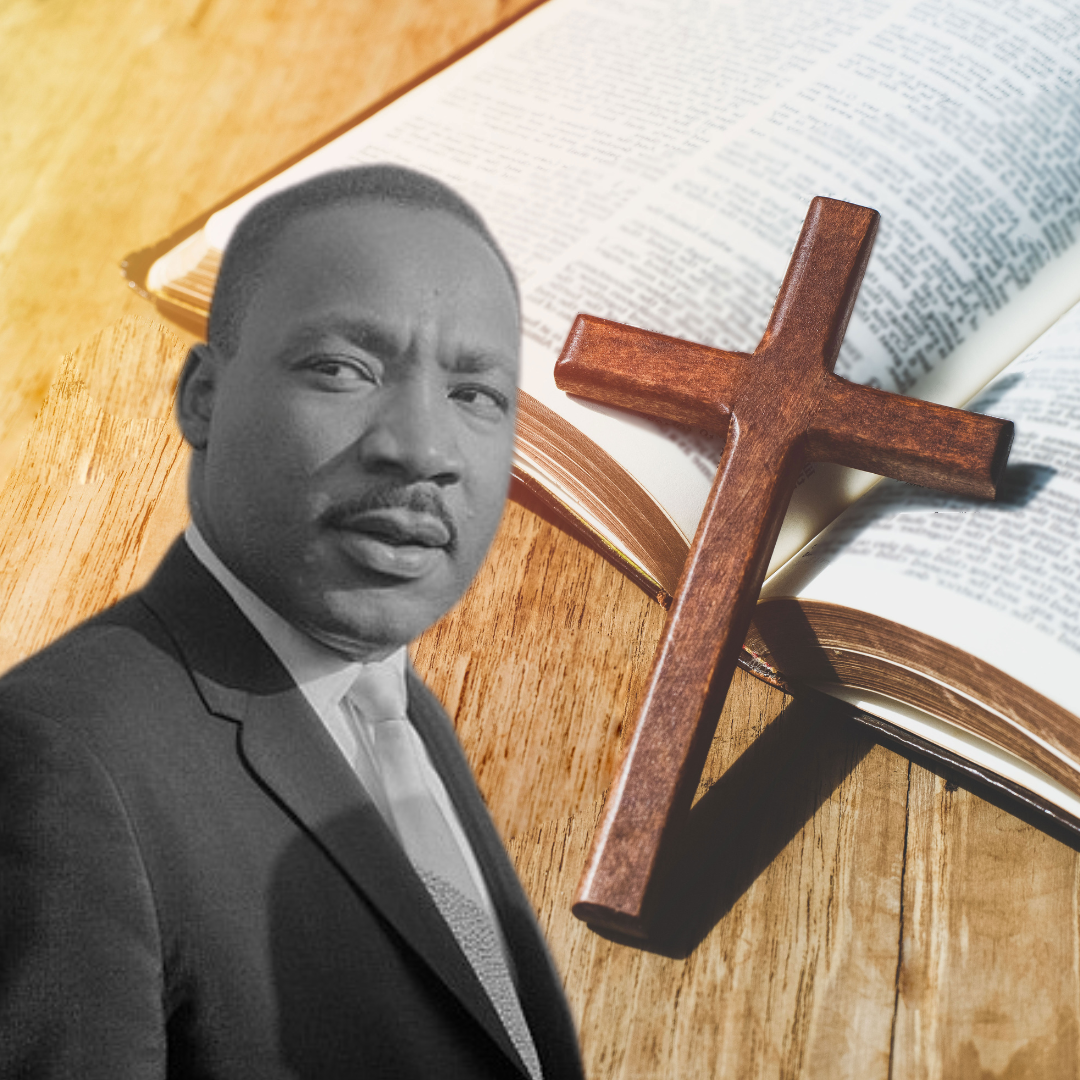
Martin Luther King Jr.’s religion was not merely a personal belief system; it was the bedrock upon which his entire public identity, leadership style, and movement’s messaging were meticulously constructed. His Baptist faith, steeped in the Social Gospel tradition, provided the core tenets that defined his personal brand, shaping how he was perceived, how he communicated, and the profound impact he would ultimately achieve. For anyone studying personal branding, King offers an unparalleled case study in how deeply held convictions can become the indispensable foundation of an authentic, powerful, and enduring brand.

A Theological Core for Public Identity
King’s public identity was inextricably linked to his role as a Christian minister. He didn’t merely adopt religious rhetoric; he was a man of the cloth, with a Doctor of Philosophy in Systematic Theology. This deep theological grounding wasn’t an accessory to his activism; it was the essence of his public persona. His sermons and speeches were not simply political arguments but profound theological pronouncements, rooted in biblical principles of justice, love, and human dignity. This theological core ensured that his “brand” was perceived as emanating from an unshakeable moral authority, rather than fleeting political opportunism. His identity as a preacher imbued his brand with a gravitas and spiritual depth that transcended conventional leadership, resonating with a wide audience that recognized the sincerity and moral weight behind his convictions. It was this authentic alignment between his internal beliefs and external presentation that granted his personal brand immense credibility and influence.
Authenticity and Credibility: The Brand’s True North
In the realm of personal branding, authenticity is paramount, and King’s faith provided an unimpeachable source of it. His unwavering commitment to nonviolent civil disobedience was not a mere tactic but a deeply held religious principle, informed by the teachings of Jesus and Mahatma Gandhi. This profound connection between his actions and his faith meant that his public persona was never seen as manufactured. People trusted his vision because it demonstrably stemmed from deeply held spiritual convictions, making his “brand” synonymous with integrity and moral courage. This theological authenticity served as his brand’s true north, guiding his decisions, shaping his public statements, and fortifying his resilience in the face of immense adversity. It allowed him to connect with diverse audiences, as his appeals to universal moral truths, rather than narrow sectarian interests, resonated widely. This authenticity was a powerful brand differentiator, setting him apart and solidifying his position as a trusted and transformative leader.
Crafting a Message: The Sermon as a Brand Narrative
King’s religious background, particularly his training and experience as a Baptist preacher, profoundly influenced his ability to craft compelling narratives and articulate a persuasive vision. The pulpit was his initial platform, a training ground where he honed rhetorical skills that would become central to his brand’s communication strategy. His speeches were not just arguments; they were sermons, designed to inspire, uplift, and mobilize, effectively serving as powerful brand narratives for the Civil Rights Movement.
The Pulpit as a Platform for Brand Voice
King’s mastery of rhetoric and public speaking was a direct outgrowth of his pastoral calling. The structure of a sermon – its ability to build an argument, to evoke emotion, to offer hope, and to call to action – became the template for his broader communication strategy. His “I Have a Dream” speech, for instance, is not just a political address; it’s a masterful sermon, employing repetition, metaphor, and biblical allusion to paint a vivid picture of a desired future. This unique “brand voice,” honed in countless church services, allowed him to transcend mere facts and figures, speaking directly to the hearts and consciences of millions. He understood that a powerful brand needs a compelling narrative, and he leveraged the narrative power of religious storytelling to articulate the movement’s goals in a way that was both intellectually persuasive and emotionally resonant. His ability to distill complex social issues into simple, powerful, and religiously informed moral imperatives was a hallmark of his brand communication.
Universal Values and Broad Appeal
While his faith was specifically Christian, King was adept at translating its core tenets into universal values that resonated far beyond the confines of the church. Concepts like justice, equality, love, and redemption, deeply embedded in Christian theology, became the pillars of his public brand message. He framed the struggle for civil rights not as a partisan political battle, but as a moral imperative, a fight for the soul of America itself. This strategic framing, rooted in universal humanistic and spiritual principles, broadened the appeal of his brand and the movement it represented. It allowed him to connect with people of various faiths and no faith, transcending racial and social divides. By positioning his message within a framework of shared human values, derived from his religious perspective, King ensured that his brand’s narrative possessed a widespread resonance and a powerful capacity for societal transformation. This approach demonstrates how a brand can achieve broad appeal by articulating its core values in a universally understandable and inspiring manner.
Leadership Identity: The Prophetic Brand Leader
King’s religious identity was not just about his beliefs or his speaking style; it fundamentally shaped his approach to leadership, distinguishing him as a “prophetic brand leader.” His ministerial calling informed his strategic decisions, his moral courage, and his unwavering commitment to his cause, establishing a unique leadership persona that fused spiritual authority with practical activism.
Defining a Leader’s Persona Through Faith
His identity as a pastor and a “man of God” profoundly informed his leadership persona. He wasn’t just an organizer or a politician; he was a moral guide, a spiritual beacon. This religious authority lent a unique dimension to his leadership brand, allowing him to command respect and inspire devotion in a way few others could. His leadership style combined the moral authority of a prophet with the strategic acumen of a seasoned activist. This blend of spiritual leadership and practical guidance was a distinctive feature of his brand, enabling him to unite disparate factions, challenge established norms, and sustain a protracted struggle against systemic injustice. His decisions, whether to march in Selma or speak out against the Vietnam War, were often presented not just as political choices but as moral imperatives, rooted in his faith and consistent with his prophetic leadership brand. This fusion of roles provided a powerful and consistent narrative for his leadership brand.
Resilience and Conviction: The Brand’s Enduring Strength
The challenges faced by the Civil Rights Movement were immense, characterized by violence, repression, and profound resistance. King’s religious foundation provided an extraordinary source of resilience and unshakeable conviction, crucial attributes for any enduring brand. His faith was not merely theoretical; it was a living force that sustained him through death threats, bombings, arrests, and the weight of immense responsibility. This deep spiritual wellspring enabled him to consistently reiterate his message of hope and nonviolence, even in the darkest hours. For a personal brand, particularly one engaged in social change, such unwavering conviction is vital for maintaining consistency and credibility. King’s ability to remain steadfast in his beliefs, drawing strength from his faith, fortified his brand as one of resolute purpose and enduring courage. This spiritual resilience demonstrated to his followers and the wider world that his commitment was profound and incorruptible, a hallmark of an authentic and powerful brand.
Legacy and Enduring Brand Equity
Martin Luther King Jr.’s religious convictions are not just historical footnotes; they are integral to the enduring legacy and powerful brand equity he holds globally. His faith ensured that his impact transcended his lifetime, establishing a brand that continues to inspire movements, leaders, and individuals across diverse cultures and generations.
Immortalizing a Brand Through Moral Purpose
King’s deep religious commitment instilled a profound moral purpose at the heart of his personal brand and the movement he led. This moral grounding elevated the struggle for civil rights beyond a specific political battle to a universal fight for human dignity and justice. By framing his cause in terms of fundamental human rights and spiritual values, he ensured that his “brand” would achieve lasting resonance and near-universal applicability. It became a symbol not just of African American liberation but of freedom and equality for all oppressed peoples. This elevation to a universal moral standard is precisely what grants a brand enduring equity, making it relevant and inspiring far beyond its original context. His faith was the catalyst for this transcendent appeal, imbuing his legacy with an immortal quality that continues to motivate social justice movements worldwide.

Inspiring Future Generations: Brand Sustainability and Influence
The religiously rooted message of Martin Luther King Jr. continues to inspire and influence personal brands and social movements globally. His principles of nonviolence, justice, and love, articulated through his pastoral voice, remain powerful templates for contemporary activism and ethical leadership. The enduring power of his brand lies in its profound moral clarity and its ability to connect with the human spirit’s yearning for fairness and peace. His example demonstrates how a personal brand, built on authentic conviction and communicated with a compelling moral vision, can achieve unparalleled sustainability and influence. Future leaders and brand strategists continue to draw lessons from King’s fusion of spiritual belief and strategic action, illustrating how a meticulously cultivated personal brand, rooted in deep values, can leave an indelible mark on history and shape the future.
aViewFromTheCave is a participant in the Amazon Services LLC Associates Program, an affiliate advertising program designed to provide a means for sites to earn advertising fees by advertising and linking to Amazon.com. Amazon, the Amazon logo, AmazonSupply, and the AmazonSupply logo are trademarks of Amazon.com, Inc. or its affiliates. As an Amazon Associate we earn affiliate commissions from qualifying purchases.