
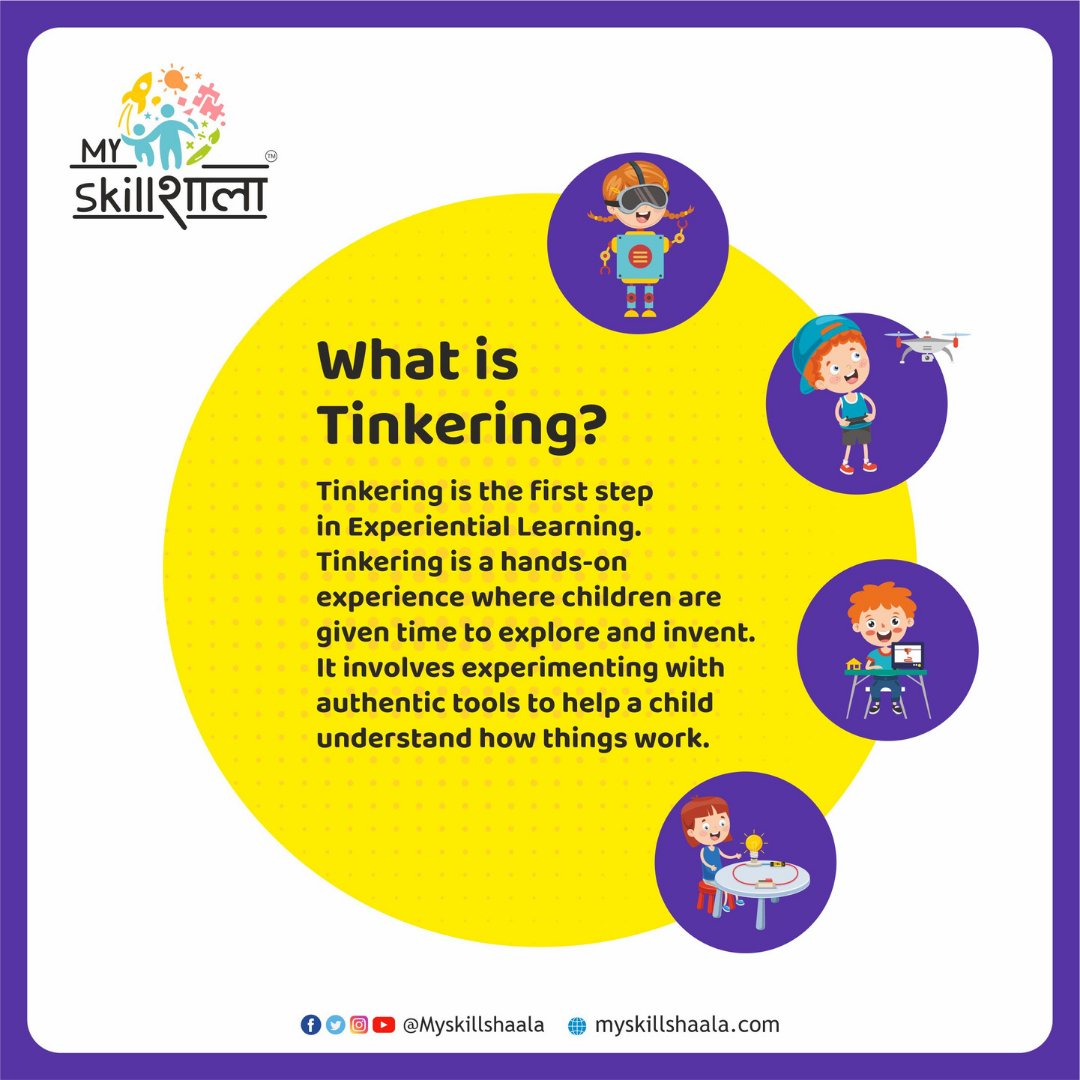
Tinkering, at its core, embodies a spirit of experimental exploration, a hands-on approach to understanding, modifying, and creating. In the realm of technology, it transcends mere curiosity, acting as a foundational methodology for innovation, learning, and problem-solving. It’s an iterative process, often characterized by trial and error, where individuals engage directly with components, code, and concepts, moving beyond theoretical understanding to practical application. Far from being a haphazard endeavor, technological tinkering is a deliberate, albeit often informal, pathway to mastery and groundbreaking discoveries.
The Spirit of Technological Exploration
The essence of tinkering in tech lies in its fundamental opposition to passive consumption. It’s an active engagement, a desire to peer under the hood, to disassemble and reassemble, to understand not just what a technology does, but how it does it, and what else it might be capable of. This inquisitive drive is what propels hobbyists, engineers, and even seasoned developers to push boundaries and question norms.

Beyond the Manuals: Embracing Trial and Error
Modern technology, with its polished interfaces and user-friendly designs, often obscures the intricate mechanisms beneath. Tinkering represents a conscious effort to bypass this abstraction. It involves rolling up one’s sleeves, diving into circuit diagrams, debugging lines of code, or experimenting with different configurations without a pre-defined instruction manual. The learning comes not just from success, but profoundly from failure. Each failed attempt, each unexpected outcome, provides a valuable data point, refining understanding and guiding the next iteration. This iterative cycle of hypothesis, experimentation, observation, and refinement is central to the tinkerer’s approach, fostering resilience and a deep intuitive grasp of complex systems.
From Hobbyist to Innovator: A Spectrum of Engagement
The act of tinkering isn’t confined to any single demographic or skill level. It can begin with a child disassembling an old toy to understand its gears, progress to a hobbyist building custom electronics in their garage, or manifest as a seasoned software engineer prototyping a novel algorithm. At every stage, the underlying motivation remains consistent: to explore, to understand, and to create. Many of today’s tech giants and revolutionary products trace their origins back to a tinkering mindset, where initial ideas were explored through rough prototypes and countless adjustments, long before they became marketable solutions. It’s the birthplace of proofs of concept, the proving ground for audacious ideas, and often the first step towards significant innovation.
Tinkering as a Catalyst for Learning and Skill Development
The practical nature of tinkering offers unparalleled benefits for cognitive development and skill acquisition, particularly in rapidly evolving fields like technology. It moves learning from the abstract to the tangible, creating a more robust and lasting understanding.
Hands-On Problem Solving
Perhaps the most immediate benefit of tinkering is its ability to hone problem-solving skills. When faced with a non-functional circuit, a buggy script, or an incompatible component, the tinkerer is forced to analyze the situation, diagnose potential issues, and devise creative solutions. This process is inherently interdisciplinary, often requiring knowledge of electronics, programming, mechanics, and logic. It teaches systematic troubleshooting, the importance of isolation testing, and the value of persistence. Unlike theoretical problems, real-world tinkering challenges offer immediate feedback, reinforcing successful strategies and highlighting areas for improvement.
Cultivating Critical Thinking and Creativity
Tinkering demands critical thinking. It requires individuals to question assumptions, evaluate different approaches, and anticipate potential outcomes. When modifying an existing system or designing a new one, the tinkerer must think creatively about how various components interact, how to optimize performance, or how to achieve a desired function with available resources. This encourages lateral thinking and fosters an environment where unconventional solutions are not just tolerated but actively sought after. The freedom to experiment without rigid constraints often leads to breakthroughs that might be overlooked in more structured environments.
De-mystifying Complex Systems
For many, technology can appear as a black box—a series of magical devices performing complex functions. Tinkering provides the key to unlocking these mysteries. By engaging directly with hardware, software, and networking components, individuals gain a profound appreciation for the underlying principles. Understanding how a microcontroller processes input, how a web server responds to requests, or how a simple circuit controls a motor strips away the mystique and replaces it with tangible knowledge. This demystification not only builds confidence but also empowers individuals to not just use technology, but to bend it to their will and contribute to its evolution.
Tinkering in the Modern Tech Landscape
While the concept of tinkering is ancient, its application and impact have only grown in significance with the proliferation of accessible technology and open-source movements. Today, tinkering is an integral part of various tech domains, driving both personal growth and collective innovation.
Open Source and Community Collaboration
The rise of open-source software and hardware has created fertile ground for tinkering. Projects like Linux, Arduino, and Raspberry Pi provide accessible platforms with transparent designs, inviting users to modify, adapt, and improve them. This fosters massive communities where tinkerers share their experiments, collaborate on solutions, and collectively push the boundaries of what’s possible. It democratizes technology development, allowing individuals from diverse backgrounds to contribute meaningfully and accelerate innovation without proprietary barriers. The collaborative nature of these communities amplifies the learning process, allowing tinkerers to leverage shared knowledge and troubleshoot complex problems together.
Prototyping and Rapid Iteration
In professional technology development, tinkering manifests as rapid prototyping and agile methodologies. Engineers and product designers constantly “tinker” with early versions of products, services, or features. They build minimum viable products (MVPs), test them, gather feedback, and iterate quickly. This iterative process, which mirrors the trial-and-error approach of a classic tinkerer, allows teams to validate ideas efficiently, identify flaws early, and refine solutions before significant resources are committed. It’s a structured form of experimentation that embraces the uncertainty inherent in innovation, transforming it into a strength.
The Maker Movement and DIY Tech
The Maker Movement is perhaps the most visible contemporary embodiment of the tinkering ethos. Fueled by accessible tools like 3D printers, laser cutters, and affordable microcontrollers, individuals are empowered to design, create, and customize their own technological solutions. From smart home devices to custom robotics, wearable tech, and art installations, the Maker Movement demonstrates how tinkering can bridge the gap between abstract ideas and tangible reality. It emphasizes self-reliance, creativity, and the joy of bringing an idea to life, often merging traditional craft with cutting-edge technology.
The Future of Tinkering: Bridging Gaps and Fostering Innovation
As technology becomes even more pervasive and complex, the ability to tinker will become an increasingly vital skill, not just for engineers but for citizens across all walks of life.
Educational Imperatives
Integrating tinkering into educational curricula, from K-12 to higher education, is crucial for preparing future generations for a technology-driven world. STEM education, particularly, benefits immensely from hands-on, project-based learning that encourages experimentation and problem-solving over rote memorization. By fostering a tinkering mindset early, educational systems can cultivate critical thinkers, adaptable learners, and future innovators who are not just users but active contributors to technological advancement.
Driving Sustainable Technology
Tinkering also plays a significant role in promoting sustainability. The ability to repair, repurpose, and modify existing electronics rather than discarding them reduces waste and extends product lifecycles. It encourages a deeper understanding of device architecture, making individuals more capable of diagnosing issues and performing repairs, thus fostering a culture of longevity and resourcefulness in an age of rapid consumption.

Personalizing Our Digital World
Finally, as technology increasingly integrates into every facet of our lives, the ability to tinker allows individuals to personalize and adapt these tools to their specific needs and preferences. Whether it’s customizing open-source software, modifying smart home routines, or building unique IoT devices, tinkering empowers users to shape their digital environment rather than passively accepting default settings. This personal agency is fundamental to a healthy relationship with technology, ensuring that tools serve human needs, rather than the other way around.
In essence, tinkering is more than just a hobby; it’s a philosophy of engagement with the technological world. It’s the engine of curiosity, the crucible of learning, and the fertile ground where the seeds of future innovation are sown. As technology continues its relentless march forward, the spirit of tinkering will remain an indispensable compass, guiding us towards greater understanding, creativity, and progress.
aViewFromTheCave is a participant in the Amazon Services LLC Associates Program, an affiliate advertising program designed to provide a means for sites to earn advertising fees by advertising and linking to Amazon.com. Amazon, the Amazon logo, AmazonSupply, and the AmazonSupply logo are trademarks of Amazon.com, Inc. or its affiliates. As an Amazon Associate we earn affiliate commissions from qualifying purchases.