
The transformation of Steve-O’s voice is one of the most distinct examples of vocal evolution in the history of modern entertainment. For many followers, his transition from the raspy, high-pitched, and manic delivery of his Jackass prime to the deeper, more modulated tone he possesses today is more than just a physiological curiosity; it is a masterclass in personal branding and the professional maturation of an icon. In the landscape of celebrity, the voice serves as a fundamental component of one’s identity, acting as a sonic logo that listeners recognize instantly. When that voice undergoes a radical shift, it forces the public to re-evaluate the brand itself.

The Evolution of a Sonic Brand Identity
In the early 2000s, Steve-O’s brand was synonymous with chaos, spontaneity, and a reckless disregard for personal safety. His voice at the time—thin, strained, and perpetually on the verge of cracking—mirrored the erratic nature of his stunts. This vocal quality was not merely a side effect of his lifestyle; it was a core asset of his personal brand, signaling to the audience exactly what kind of performance to expect.
The Role of Vocal Texture in Persona
Personal branding relies heavily on consistency, yet the most successful long-term brands know how to pivot. Steve-O’s original voice functioned as a hook. It was abrasive, memorable, and uniquely his. When a brand personality is built on such a distinct trait, any shift in that baseline creates a “brand dissonance” for the audience. However, as Steve-O transitioned from a stunt-performer into a seasoned podcaster, comedian, and entrepreneur, his vocal change became an instrument of repositioning.
Physicality and Performance
The physical toll of his early career cannot be understated. Much of the vocal degradation during his youth was the result of heavy substance use, intense physical exertion, and the psychological strain of constantly performing a high-energy persona. As he achieved sobriety and stepped away from the most dangerous aspects of his Jackass antics, his physical health began to reflect in his vocal cords. By embracing a healthier lifestyle, his voice regained a degree of resonance that was physically impossible during his most chaotic years. This shift served as a biological PR campaign, subtly signaling to his audience that the person behind the stunts had fundamentally changed.
The Strategic Pivot: From Stuntman to Thought Leader
The evolution of a voice is often the silent partner to a change in business model. As Steve-O pivoted toward long-form content, such as his Wild Ride! podcast, the requirements of his voice changed. A voice that is effective for a 30-second stunt clip is often exhausting to listen to for an hour-long deep dive.
Adapting to Long-Form Media
In the digital economy, creators must optimize their “auditory assets” for listener retention. A high-pitched, erratic delivery can induce listener fatigue. By allowing his voice to settle into a lower, more controlled register, Steve-O made himself more “listenable.” This is a crucial strategy in the podcasting space, where the goal is to establish intimacy and authority. By modulating his tone, he moved from being a performer the audience watches to a host the audience engages with.
Maintaining Authenticity in Branding
The danger in any branding evolution is the perception of being “inauthentic.” If a brand shifts too far from its roots, it risks alienating the core fanbase. Steve-O navigated this by remaining remarkably transparent about his health and his past. He didn’t hide the fact that his voice had changed; he addressed it. By framing his vocal shift as part of his journey toward recovery and professional maturity, he turned a potential liability into a narrative strength. It solidified his brand as one that values honesty over polish.

The Physiological and Lifestyle Factors of Brand Resilience
A brand is only as strong as the person behind it. The change in Steve-O’s voice serves as a tangible metric for his personal stability. In the world of celebrity branding, this is a significant asset. Investors, sponsors, and partners look for stability; a voice that has regained its depth and clarity acts as a proxy for the stability of the business entity “Steve-O.”
Recovery as a Rebranding Tool
Sobriety has been the cornerstone of his brand strategy for over a decade. His voice, once ravaged by the side effects of his lifestyle, has become a testament to his transformation. For a brand that relies heavily on audience trust, the ability to show—not just tell—that he has moved into a better, healthier chapter of his life is vital. The voice, in this context, is a marketing collateral that provides constant social proof of his longevity and growth.
The Professionalization of a Cult Classic
Many brands that gain popularity through “shock value” struggle to find a secondary act. Steve-O has managed to transition from a cult figure to a professional media brand. Part of this involves learning how to speak into a microphone with professional cadence. His current vocal presentation is indicative of a media personality who has learned to work with sound engineers and production teams to maximize his reach. He no longer shouts at the camera; he communicates with an audience. This transition from “subject” to “broadcaster” is essential for any long-term career in digital media.
Managing Perceptual Shifts in Public Relations
The audience’s perception of a celebrity’s voice is rarely objective; it is layered with nostalgia and expectations. When a public figure’s voice changes, it forces a renegotiation of the relationship between the fan and the persona.
The “Nostalgia Gap”
There is a segment of the audience that misses the “old” Steve-O—the high-pitched, frantic, unpredictable voice that defined an era. Managing this requires a delicate balance of honoring the past while pushing the brand forward. Steve-O has managed this by maintaining the same sense of humor and irreverence, even while his delivery has slowed and deepened. By keeping the “content” of his branding consistent while changing the “delivery,” he ensures that the emotional core of his brand remains intact.
Communicating Change to a Digital Audience
In the digital age, transparency is the fastest way to bridge the gap between a brand’s past and its future. By openly discussing his vocal health and the surgeries he has undergone (such as procedures related to vocal cord issues), Steve-O has demystified the change. This openness prevents rumors, combats misinformation, and builds deeper trust with his community. It shows that he respects his audience enough to be vulnerable about his own physical limitations and improvements.
Conclusion: The Voice as a Living Asset
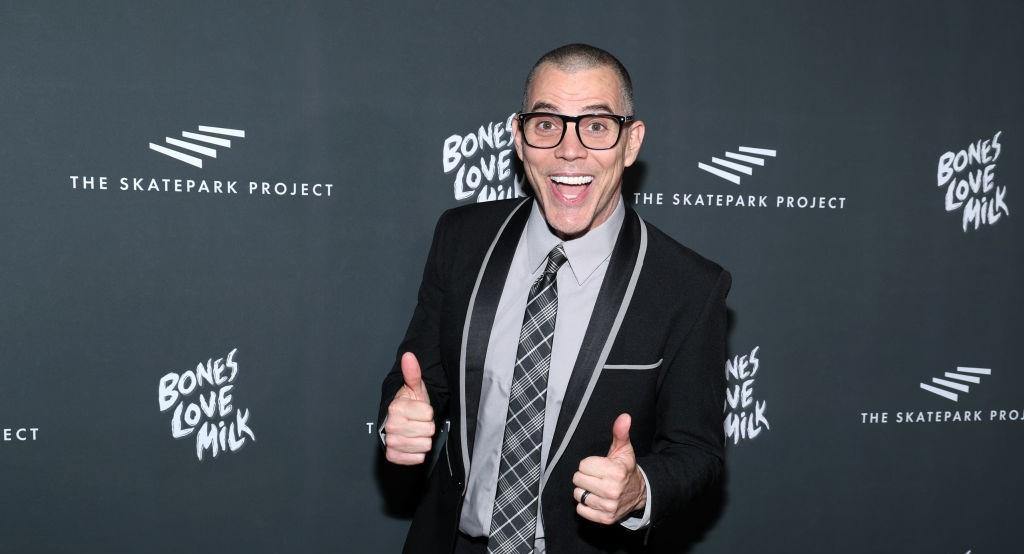
Steve-O’s vocal transformation is not an anomaly, but rather a perfect illustration of how personal brands must adapt to survive. Whether the change was influenced by medical necessity, age, lifestyle changes, or a shift in the medium of his content, the result has been a more professionalized, sustainable brand.
In the world of personal branding, your voice—both literal and figurative—is your primary tool for connection. When you allow that voice to grow with you, you tell your audience that your brand is not a static object from the past, but a living, evolving entity. Steve-O has succeeded because he didn’t fight the change; he integrated it into his narrative. He turned a biological reality into a brand asset, proving that the most resilient personal brands are those that can withstand the test of time, the change of tone, and the inevitable evolution of the self. By mastering this shift, he has ensured that while the sound may have changed, the resonance of his brand remains as powerful as ever.
aViewFromTheCave is a participant in the Amazon Services LLC Associates Program, an affiliate advertising program designed to provide a means for sites to earn advertising fees by advertising and linking to Amazon.com. Amazon, the Amazon logo, AmazonSupply, and the AmazonSupply logo are trademarks of Amazon.com, Inc. or its affiliates. As an Amazon Associate we earn affiliate commissions from qualifying purchases.