
The intersection of celebrity and public perception is perhaps nowhere more visible than in the life of Bobby Brown. Long before social media defined our modern understanding of personal branding, Brown was a subject of intense media scrutiny. While the public often views his narrative through the lens of tragedy and scandal, from a brand strategy perspective, his career offers a compelling, albeit cautionary, case study in the challenges of personal brand management, crisis recovery, and the long-term impacts of public association. To understand what happened to Bobby Brown, one must look beyond the tabloid headlines and analyze the arc of a personal brand that has navigated decades of intense media scrutiny, evolving from a meteoric rise to a complex legacy.
The Architecture of a Personal Brand: The Early Ascent
Every iconic personal brand is built upon a foundation of perceived authenticity, talent, and strategic positioning. When Bobby Brown launched his solo career after leaving New Edition in the late 1980s, he successfully cultivated an image that was both aspirational and relatable. His brand was defined by high-energy performances, a distinct sense of style, and an aggressive, confident demeanor that resonated deeply with the zeitgeist of the era.
Defining Market Identity
In the marketing world, brand positioning is about owning a space in the consumer’s mind. Brown effectively occupied the space of the “bad boy” of R&B—an archetype that was marketable and highly profitable. By aligning himself with the cutting-edge New Jack Swing sound, he ensured his personal brand was synonymous with innovation and urban cool. This phase of his career illustrates the power of aligning one’s personal identity with a specific aesthetic and cultural trend to drive rapid market penetration.
The Impact of High-Profile Alliances
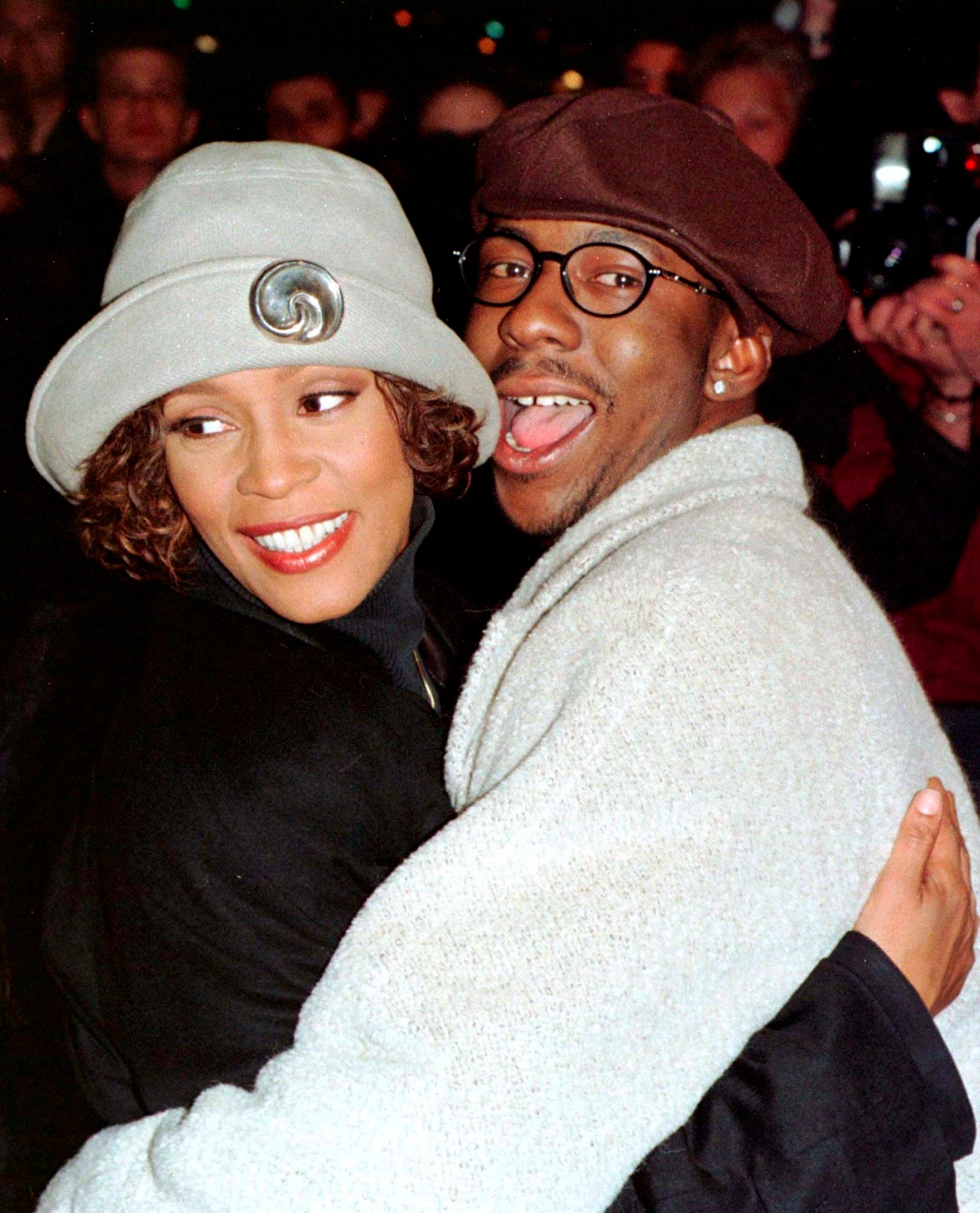
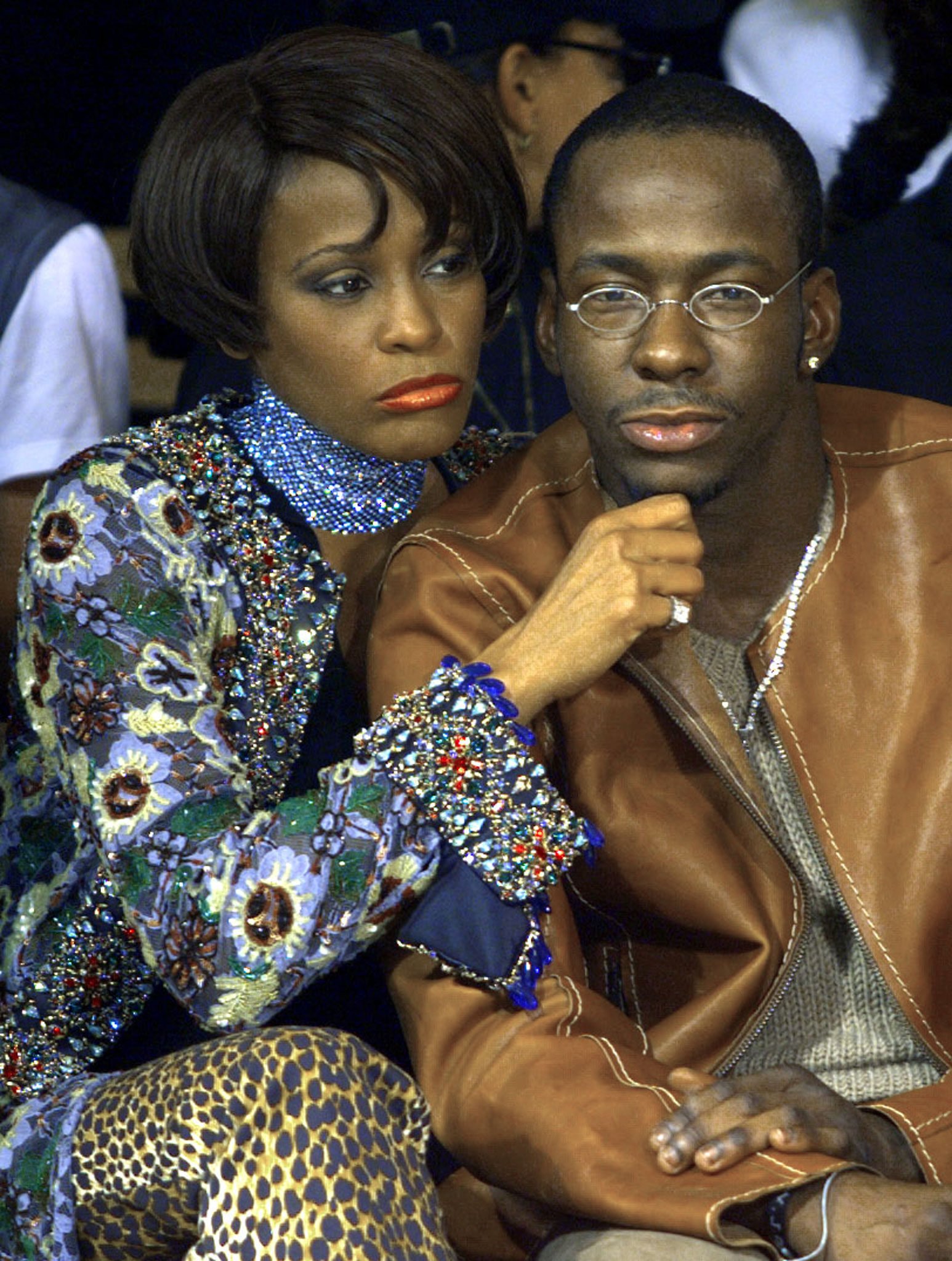
The marriage of Bobby Brown and Whitney Houston in 1992 was arguably the most significant branding event of their professional lives. From a strategic perspective, this was a massive collision of two distinct brand identities. Houston, the pop-gospel powerhouse with an impeccable image, and Brown, the edgy, volatile performer, created a public perception narrative that was fundamentally contradictory. In branding terms, this alliance created immense brand tension. While it generated massive publicity—the ultimate goal of traditional celebrity PR—it also made the joint entity vulnerable to external scrutiny. The public narrative shifted from individual talent to the relationship itself, a classic case where the “brand story” overtaken the product.
Managing the Narrative: Crisis, Perception, and Brand Erosion
The most significant challenge in personal branding is crisis management, particularly when that crisis is played out in the public eye. Over the course of the late 1990s and 2000s, Brown’s personal brand underwent a profound transformation due to documented struggles with substance abuse and legal issues. The media cycle, already amplified by the rise of 24-hour news and emerging celebrity gossip culture, treated the couple’s personal challenges as a serialized content stream.
The Cost of Negative Association
In branding, reputation is the most valuable asset. When a personal brand becomes synonymous with controversy, it loses its marketability. Brands seek to align with figures who represent stability, success, and positive aspiration. As Brown’s public image became increasingly chaotic, his ability to secure traditional endorsement deals and media partnerships significantly diminished. The narrative shifted from his musical output—the core product—to his personal life, effectively devaluing his professional brand.
The Challenge of Narrative Ownership
One of the key lessons in modern brand strategy is the importance of narrative ownership. Once the media controls the story, it is incredibly difficult to reclaim the original brand identity. For much of his career, Brown was a reactive player in the media landscape. He was constantly defending his actions rather than controlling the dialogue. This loss of narrative control allowed the public’s perception of him to become fixed, making it challenging to pivot or rebrand effectively later in his career. In the age of social media, celebrities are now advised to manage their own channels to bypass traditional gatekeepers; Brown, however, operated during an era where traditional media controlled the brand definition, leaving him susceptible to the erosion of his professional image.
Post-Tragedy Rebranding: The Art of Legacy and Resilience
The death of Whitney Houston in 2012, and the subsequent tragic loss of their daughter, Bobbi Kristina Brown, in 2015, represent the most critical turning points in Brown’s life. From a strictly professional perspective, this period forced a total recalibration of his brand. The goal moved from commercial success to legacy preservation and the reconstruction of his image as a man defined by survival and fatherhood rather than past scandals.
Reframing the Personal Brand
In the aftermath of these tragedies, Brown’s strategy shifted toward emotional vulnerability and accountability. This is a common, though delicate, pivot in personal branding: moving from a polished, invincible image to a humanized, reflective one. By participating in interviews and reality television that documented his sobriety and family life, Brown attempted to shift the narrative from the “chaotic celebrity” to the “survivor.” From a strategic standpoint, this is an attempt to align the brand with themes of resilience, redemption, and personal growth. Whether this effectively changes public perception is debatable, but it remains a classic, necessary strategy for legacy management.
The Role of Reality Television as a Tool
Reality television has served as a primary instrument for Brown’s image reconstruction. Unlike the curated, often unattainable image of the 1980s, reality TV demands a level of raw, unvarnished access. For a brand that has been severely damaged, this can be an effective way to control the current narrative. It allows the subject to bypass third-party media interpretations and speak directly to the audience. However, it is a high-risk, high-reward strategy. It requires absolute authenticity; if the audience perceives the performance as disingenuous, the strategy backfires, reinforcing the very negative tropes the subject is trying to escape.
Analyzing the Long-Term Impact on Marketability
What is the takeaway for brand strategists observing Bobby Brown’s trajectory? The primary lesson is that the value of a personal brand is highly contingent on the consistency of the narrative and the ability to adapt to crises without losing core identity.
Sustainability vs. Longevity
There is a distinct difference between surviving in the public eye and maintaining a sustainable brand. Brown has shown incredible longevity—the ability to remain relevant and visible for over four decades. However, his sustainability as a premium, bankable entity was hampered by the volatility of his personal life. Brands, whether corporate or personal, thrive on predictability and trust. When that trust is broken, the cost of re-earning it is immense.

The Evolution of Audience Expectations
Modern audiences demand more transparency and accountability from celebrities. If Brown were launching his career today, his strategy would necessitate a proactive approach to social media, direct-to-consumer engagement, and perhaps a quicker pivot to addressing controversies. The era of the “unreachable superstar” is largely over; today’s brand strategy emphasizes authentic, ongoing dialogue. Brown’s career highlights the transition between these two eras of branding. He navigated the transition from the gatekept media environment to the transparent, direct-to-fan era, often struggling to keep pace with the changing demands of the audience.
In conclusion, the story of Bobby Brown is a complex tapestry of talent, tragedy, and the relentless pressure of public perception. From the perspective of brand strategy, his narrative remains a poignant example of how difficult it is to maintain a positive, coherent identity when the product—one’s own life—is under constant, unsympathetic surveillance. His professional longevity is a testament to the initial strength of his brand, but his career trajectory remains a cautionary tale regarding the immense impact of personal choices on professional viability and the enduring challenge of redefining one’s narrative in the court of public opinion.
aViewFromTheCave is a participant in the Amazon Services LLC Associates Program, an affiliate advertising program designed to provide a means for sites to earn advertising fees by advertising and linking to Amazon.com. Amazon, the Amazon logo, AmazonSupply, and the AmazonSupply logo are trademarks of Amazon.com, Inc. or its affiliates. As an Amazon Associate we earn affiliate commissions from qualifying purchases.