
Your appearance is the primary visual component of your personal brand. In professional and social environments, your haircut serves as a non-verbal communication tool—a design element that signals your attention to detail, your awareness of current trends, and your commitment to your identity. Much like a company logo or a brand’s color palette, your hair is an extension of your positioning in the marketplace.
When you ask, “What haircut is good for me?” you are essentially asking, “What design choice best communicates my personal brand?” Selecting the right style requires a strategic approach that balances facial structure, maintenance overhead, and the persona you wish to project.
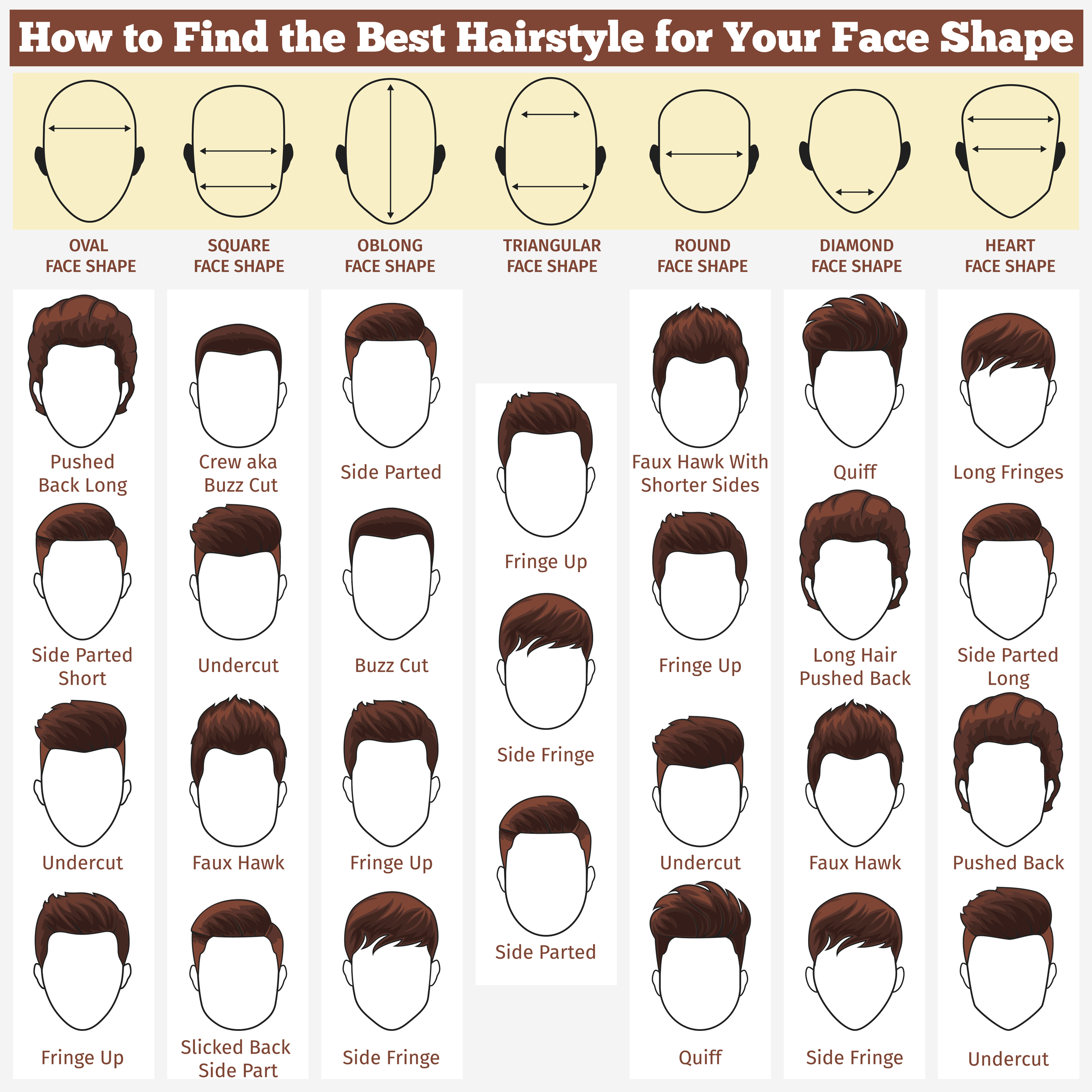
Analyzing Facial Geometry: The Architecture of Your Brand
In design and branding, proportions are everything. Before deciding on a cut, you must understand the architecture of your face. Just as an architect evaluates the plot of land before building a structure, you must evaluate your face shape to determine which cut will create the most harmonious aesthetic.
Understanding Your Face Shape
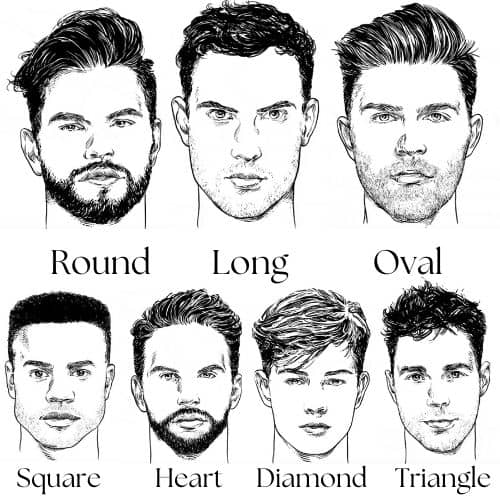
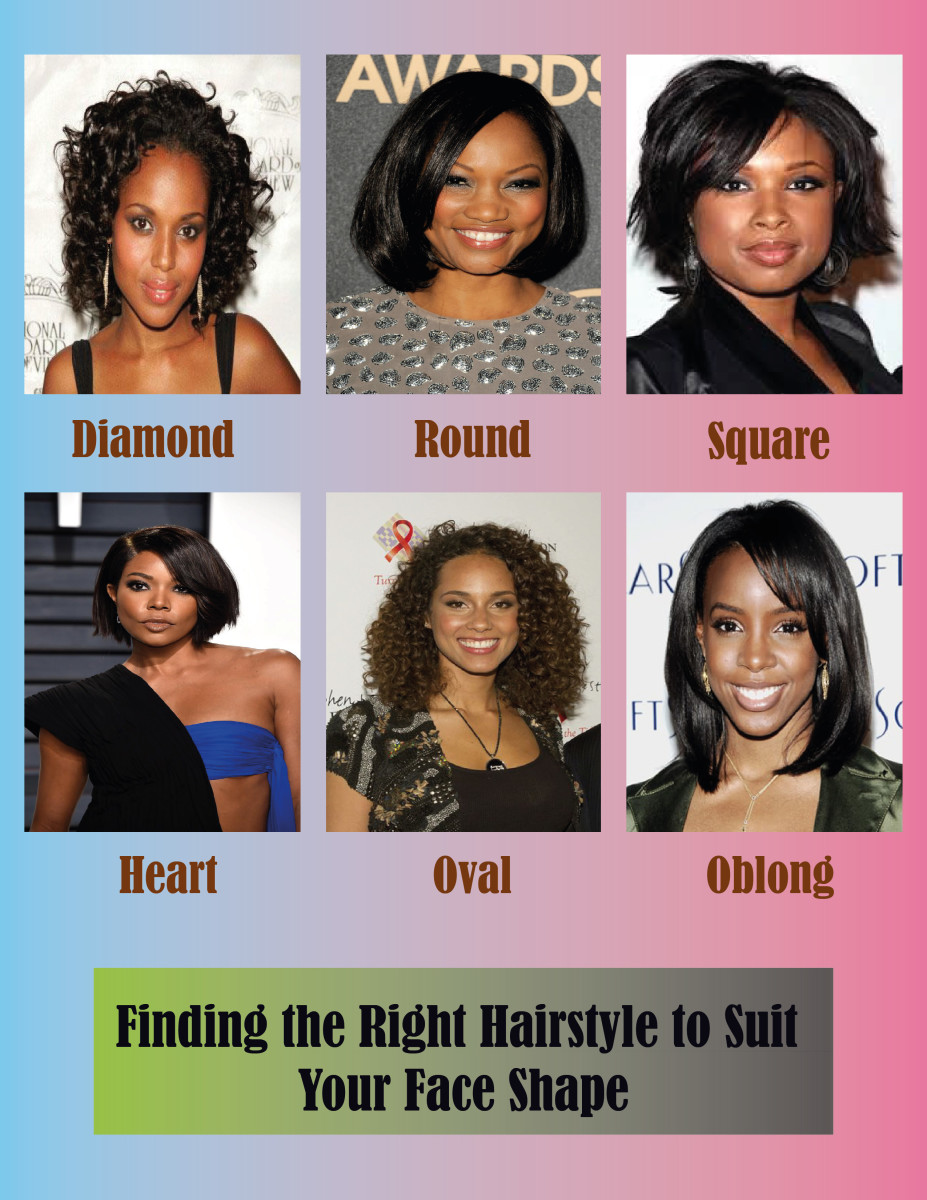
The four primary face shapes—oval, square, round, and heart—each require different “styling strategies” to optimize your visual impact.
- Oval: Often considered the “neutral” canvas, oval faces possess balanced proportions. You can experiment with almost any style, from structured fades to textured quiffs, as your features are naturally aligned.
- Square: This shape is characterized by a strong, angular jawline. To emphasize your brand as authoritative and masculine, keep the sides shorter to highlight the angles. A classic side part or a high-and-tight cut complements this structure perfectly.
- Round: If your face is wider with softer features, your brand strategy should focus on elongation. Seek cuts that add height on top—such as a pompadour or a textured crop—to create the illusion of a leaner, more elongated face.
- Heart/Diamond: These shapes require balancing a wider forehead with a narrower chin. Focus on adding volume to the sides or opting for mid-length styles that draw the eye away from the forehead and toward the center of the face.
The Role of Contrast and Texture
Once you identify the shape, consider the “visual weight” of your hair. Fine hair suggests a cleaner, minimalist aesthetic, while thick or wavy hair conveys a more robust, energetic brand image. Your barber or stylist acts as your brand consultant; ensure you communicate your goals clearly so they can manipulate these natural textures to support your desired look.
Aligning Haircuts with Professional Positioning
Your personal brand is a synthesis of your values and your field of work. A creative director in a boutique design agency likely aims for a different visual impact than a senior partner at a traditional law firm. Choosing a haircut that contradicts your professional environment can create a “cognitive dissonance” that distracts from your expertise.
The Corporate Professional: Reliability and Discipline
In high-stakes corporate environments, your haircut should communicate consistency, discipline, and reliability. This usually translates to classic, well-maintained styles.
- The Taper Fade: A clean, groomed taper provides a sharp appearance that suggests high attention to detail.
- The Executive Contour: Side parts and scissor-cut sides indicate a traditional, polished, and trustworthy brand image. This style is timeless and suggests that you focus on substance over fleeting trends.
The Creative Professional: Innovation and Individuality
If your personal brand is built on disruption, innovation, or design, your haircut should serve as a signal of your creativity.
- Textured Crops: Messier, more structured cuts communicate that you are current with design trends and not afraid to take risks.
- Longer, Flowing Styles: These often signal a non-conformist, visionary persona. However, the caveat here is maintenance; long hair that is poorly kept communicates the wrong message. Even a creative cut must appear intentional.
The Tech and Startup Founder: Accessibility and Efficiency
The tech industry often prizes a “minimalist efficiency” aesthetic. The goal here is to look modern and approachable without appearing overly curated or corporate.
- The Modern Undercut: It is sleek, efficient, and suggests a “hacker” or “founder” mentality—someone who is practical but style-conscious.
- The Crew Cut: A short, low-maintenance cut signals that your time is better spent building a product than grooming. It is a functional style that aligns with a high-output personal brand.
The Maintenance-to-Impact Ratio: A Resource Management Strategy
In personal branding, time is your most valuable asset. A haircut that requires 45 minutes of styling every morning is a drain on your productivity—a poor return on investment. You must audit your lifestyle and determine the “maintenance-to-impact” ratio of your chosen cut.
Evaluating Your Daily Workflow
If you are a frequent traveler, or if your mornings are packed with high-intensity tasks, you need a “wash-and-wear” style. This doesn’t mean settling for mediocrity; it means investing in a high-quality cut that sits correctly without excessive product. A well-executed base cut is the foundation of low-maintenance style.
The Cost of Consistency
Think of your barber appointments as a subscription model for your brand. Consistency is critical. If your hair looks excellent for two weeks and disheveled for the other four, your brand image is inconsistent. Calculate the frequency required to maintain your chosen style. If you cannot realistically visit a barber every three weeks, avoid high-maintenance fades or complex structural cuts. Opt for a style that grows out gracefully, maintaining its integrity even when it loses its immediate post-cut freshness.
Branding Beyond the Cut: Grooming as a System
A haircut is only one component of your grooming stack. To achieve a cohesive brand identity, your hair must be complemented by a well-thought-out grooming routine.
Selecting Your “Product Stack”
Just as you would select the right tools for a digital project, you must select the right products for your hair type.
- Matte Clays: Best for those who want a natural, non-greasy look. This aligns with a “professional but effortless” brand.
- Pomades: Ideal for structured, sleek styles. Use these if your brand is classic, sophisticated, or formal.
- Sea Salt Sprays: Perfect for the creative or “laid-back” professional, adding texture without the weight of traditional styling agents.
The Feedback Loop
Treat your hair like an iterative branding project. After your next haircut, monitor the reactions you receive in professional settings and note how you feel when looking in the mirror. Does this style make you feel confident? Does it align with the professional impression you want to project? If the answer is no, treat it as a data point. Adjust your requirements for your next session.
Personal branding is not static, and neither is your hair. As your career evolves, your professional persona should shift accordingly. Whether you are transitioning into a leadership role or pivoting into a creative field, your haircut should be one of the first elements you update to reflect your new trajectory.
By treating your hair as a strategic asset rather than an afterthought, you ensure that your visual presence is always working in your favor, reinforcing your brand identity before you even say a word.
aViewFromTheCave is a participant in the Amazon Services LLC Associates Program, an affiliate advertising program designed to provide a means for sites to earn advertising fees by advertising and linking to Amazon.com. Amazon, the Amazon logo, AmazonSupply, and the AmazonSupply logo are trademarks of Amazon.com, Inc. or its affiliates. As an Amazon Associate we earn affiliate commissions from qualifying purchases.