
In the vast landscape of pharmaceutical branding and dermatological product development, the distinction between ointments and creams is far more than a simple matter of texture. For brands operating in the personal care and medical supply sectors, understanding the precise differentiation between these two vehicles is essential for product positioning, consumer education, and effective marketing strategies. While both are topical delivery systems designed to transport active ingredients to the skin, their physical chemistry dictates how they are perceived by the consumer, how they are integrated into daily routines, and how a brand should communicate their utility.
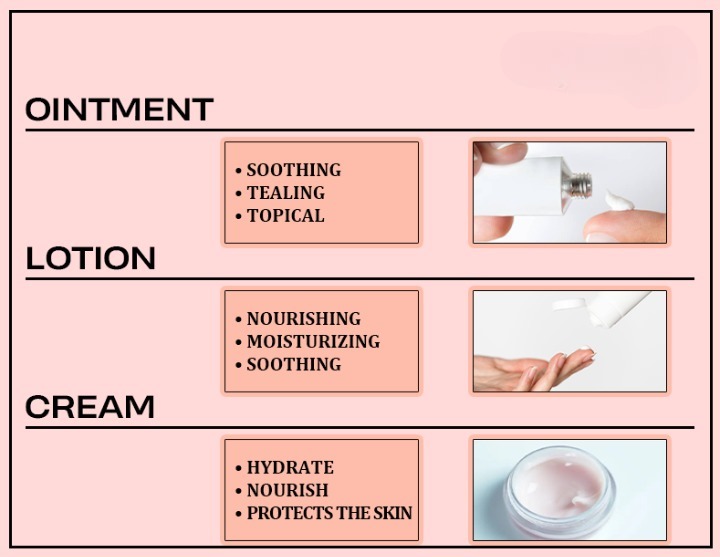
The Chemistry of Delivery: Oil-in-Water vs. Water-in-Oil
At the heart of the distinction between creams and ointments lies the fundamental chemistry of their emulsions. For product developers and brand strategists, this is the first point of differentiation that informs the user experience.
Understanding Creams: The Emulsion Standard
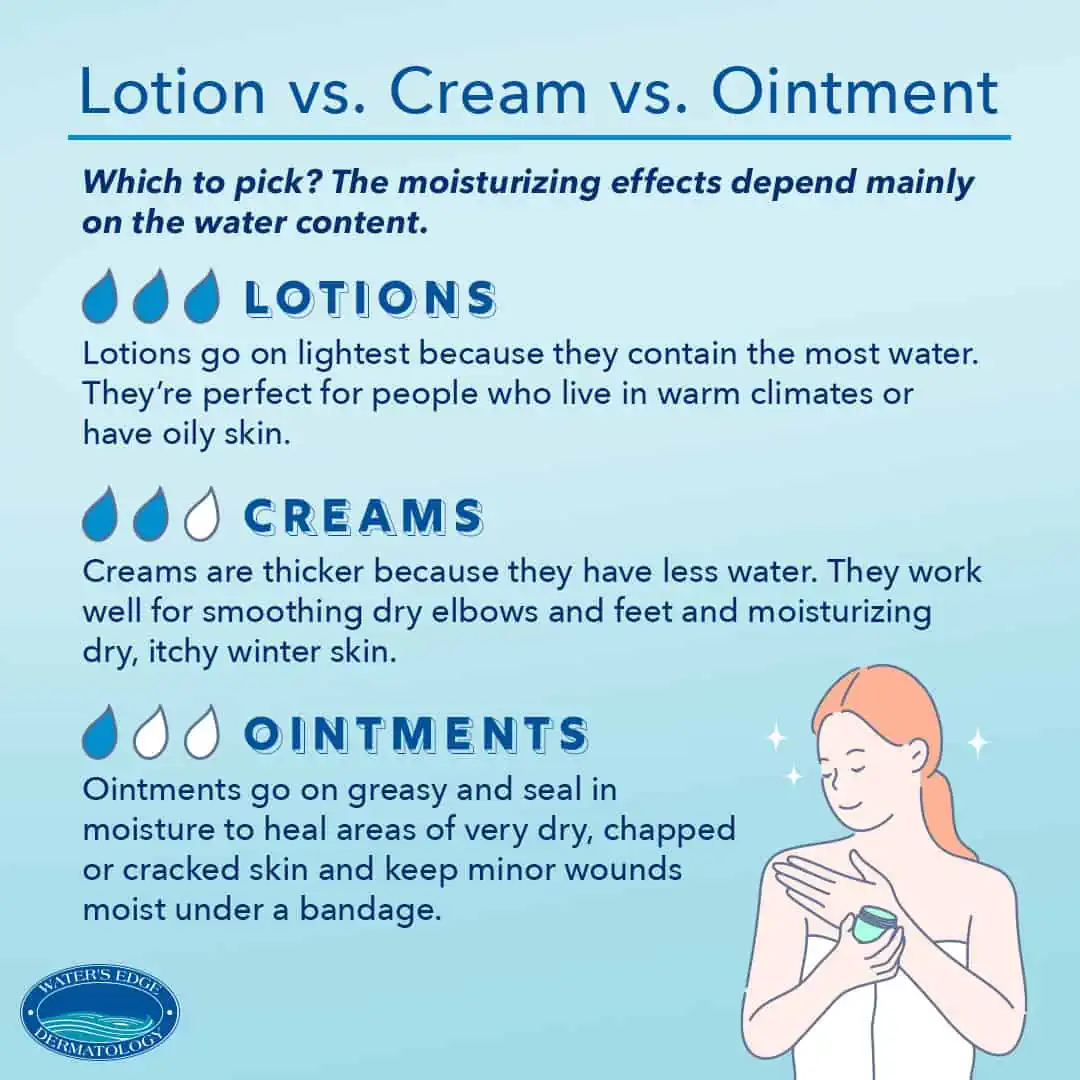
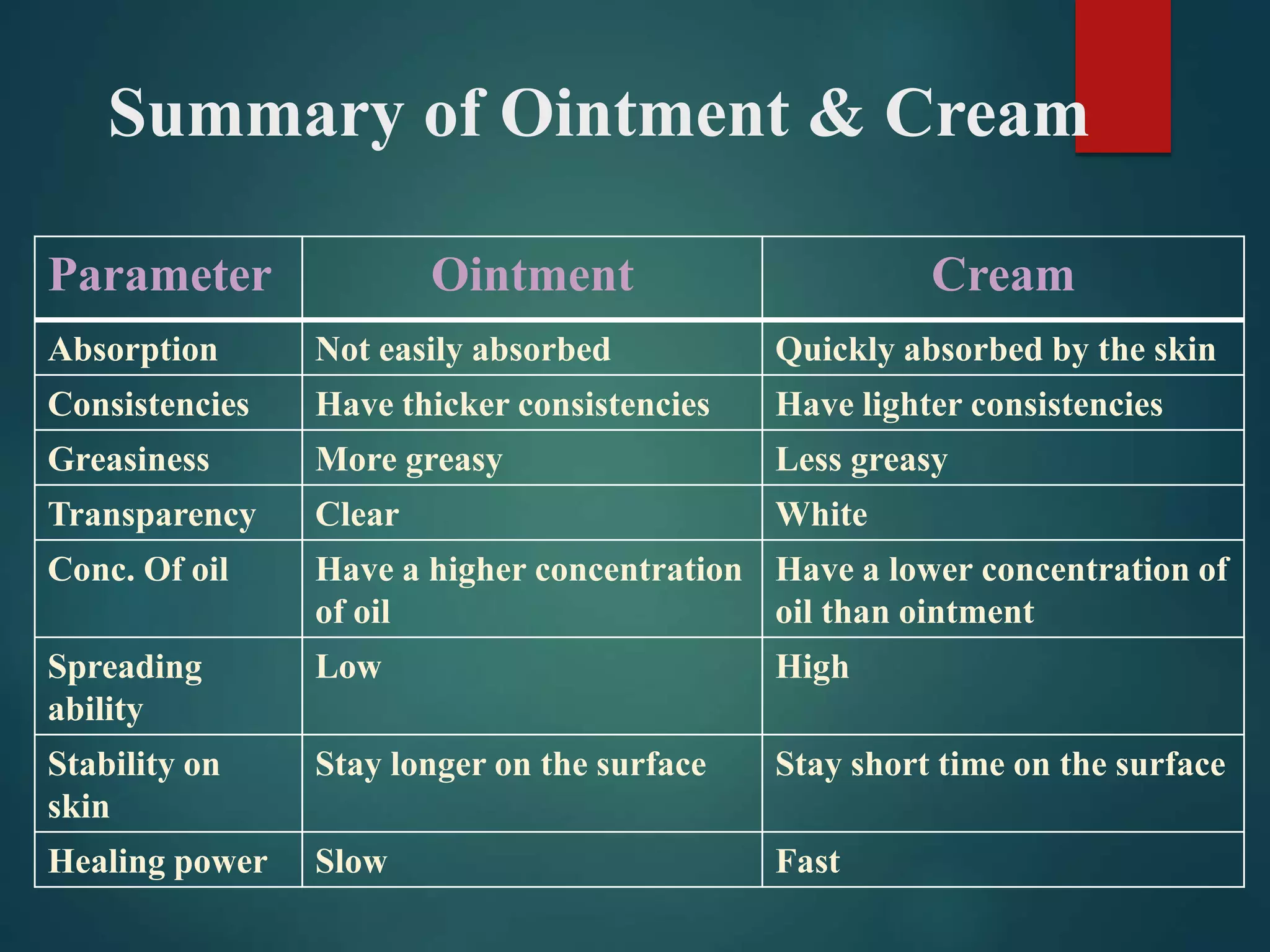
Creams are typically classified as oil-in-water emulsions. This composition makes them inherently more versatile and user-friendly for the average consumer. Because water is the continuous phase, creams possess a lighter, thinner consistency that absorbs rapidly into the epidermis without leaving behind a heavy, occlusive residue.
From a marketing perspective, creams are the “convenience” product. They are designed for high-frequency use throughout the day. When a brand markets a moisturizer or a topical medication, the “cream” label signals to the consumer that the product will integrate seamlessly into their lifestyle—it won’t stain clothing, it won’t leave the skin feeling greasy during a board meeting, and it will facilitate a quick application process.
Understanding Ointments: The Occlusive Powerhouse
Ointments operate on an entirely different physical plane, usually consisting of water-in-oil emulsions or anhydrous bases like petroleum jelly. They are characterized by their high oil content and lack of water. This composition creates a powerful occlusive barrier. While a cream “sinks in,” an ointment “sits on top.”
For brands, positioning an ointment requires a shift in narrative. The marketing language must pivot from “absorption” and “ease” to “protection,” “barrier repair,” and “intensive treatment.” Because ointments provide a long-lasting seal, they are best suited for compromised skin barriers, chronic dryness, or targeted medical treatments where sustained contact with the skin is necessary.
Strategic Product Positioning and Consumer Perception
The way a brand chooses to formulate a product as either a cream or an ointment significantly impacts its market segment and the expectations it sets for the buyer. In the competitive beauty and pharmacy aisles, the product vehicle itself acts as a silent salesperson.
The Aesthetics of Convenience: Marketing Creams
When a company launches a product in cream form, the brand strategy usually focuses on “lifestyle integration.” The consumer is looking for a solution that solves a problem—such as dryness or irritation—without creating a secondary problem, such as oily skin or messy application.
Brand designers often utilize white-space-heavy packaging, sans-serif typography, and imagery that depicts active, busy individuals. The messaging focuses on hydration, non-comedogenic properties, and breathability. By framing the product as a cream, the brand is promising the consumer that the solution is invisible, fast-acting, and comfortable. This is a crucial element of corporate identity for mass-market skincare brands that rely on high-volume, repeat purchases.
The Authority of Performance: Marketing Ointments
Conversely, branding an ointment necessitates a more “clinical” or “authoritative” approach. Because the sensory experience of an ointment—heavy, greasy, and slow to absorb—can be off-putting to the casual user, the marketing must emphasize the efficacy of the occlusive seal.
Effective brand strategy for ointments often involves positioning the product as an “expert” or “therapeutic” tool. The language shifts to medical terminology: “healing,” “protective barrier,” “dermatologist-tested,” and “intense moisture.” Packaging often favors more utilitarian designs, sometimes using tubes that suggest precision and medical necessity. Here, the brand isn’t selling a lifestyle; it is selling a result. The consumer who buys an ointment is usually dealing with a specific issue that requires a high-performance solution, and they are willing to trade the aesthetic pleasure of a lightweight cream for the therapeutic benefits of the ointment.
Designing the Consumer Experience: Application and Compliance
The differentiation between these two vehicles directly influences consumer behavior, which in turn affects product success metrics like brand loyalty and return rates. If a consumer purchases an ointment expecting a cream-like experience, the resulting dissatisfaction is a direct failure of brand communication.
Setting Expectations Through Design
Product design must reflect the function. If a marketing department pushes a heavy ointment as an “everyday facial moisturizer,” they are setting the brand up for failure. The disconnect between the product’s sensory profile and the marketing promise is a classic pitfall in personal care branding.
Instead, companies must lean into the specific use cases of each. Creams should be promoted for large-surface applications—arms, legs, and face—where ease of spreadability is paramount. Ointments should be marketed for “spot treatment” or “targeted protection.” By clearly delineating these roles, a brand builds trust. When a user applies an ointment to a small, cracked patch of skin and realizes it provides the exact seal they needed to aid healing, the brand identity is reinforced as one that understands its consumers’ needs.
The Role of Education in Brand Strategy
Modern brand strategy demands a high degree of transparency. Including clear iconography on packaging that illustrates the “finish”—whether it is matte, dewy, or occlusive—can prevent customer complaints. Some of the most successful skincare brands today provide “texture guides” on their websites, showing a side-by-side comparison of the cream vs. the ointment version of a product.
This educational content acts as a trust-building mechanism. It signals to the consumer that the brand values their informed decision-making process over a quick, potentially mismatched sale. By explaining that a cream is better for daytime use and an ointment is ideal for an overnight “slugging” routine, the brand is effectively managing the user’s experience and encouraging a multi-product purchasing cycle.
Future Trends: Bridging the Gap in Formulation
As the industry evolves, the rigid line between creams and ointments is becoming increasingly blurred by the development of “hybrid” vehicles. Brand strategists are now looking at “balms” or “lotion-to-oil” formulas that offer the elegance of a cream with the occlusive efficacy of an ointment.
Innovation as a Market Differentiator
For brands looking to capture a unique market share, innovation in the vehicle itself is a powerful differentiator. A brand that successfully formulates a product that feels like a lightweight cream initially but leaves behind a protective, long-lasting barrier represents the pinnacle of current formulation science.
From a business standpoint, these hybrid products allow a brand to consolidate their product line, offering a “do-it-all” solution that appeals to the consumer’s desire for simplicity. Marketing these items requires sophisticated messaging that avoids the traditional binary of “cream vs. ointment,” instead focusing on “smart delivery systems” or “adaptable moisture.”
Maintaining Brand Integrity in a Changing Landscape
As new delivery systems hit the market, a brand’s core identity must remain consistent. Whether moving toward high-tech hybrids or sticking to traditional emulsions, the goal remains the same: providing value through clarity. If a company can successfully communicate the “why” behind its choice of vehicle, it transforms a commodity—a tube of skin product—into a valued tool in the consumer’s daily arsenal.
Ultimately, the difference between an ointment and a cream is a fundamental truth about skin science that every brand must master. By respecting the physical limitations and benefits of these vehicles, companies can craft more effective marketing campaigns, design better packaging, and ensure that their products deliver the clinical outcomes they promise. In the crowded marketplace of skincare, understanding the vehicle is just as important as the active ingredients themselves, proving that in branding, as in chemistry, the foundation is everything.
aViewFromTheCave is a participant in the Amazon Services LLC Associates Program, an affiliate advertising program designed to provide a means for sites to earn advertising fees by advertising and linking to Amazon.com. Amazon, the Amazon logo, AmazonSupply, and the AmazonSupply logo are trademarks of Amazon.com, Inc. or its affiliates. As an Amazon Associate we earn affiliate commissions from qualifying purchases.