
The dairy aisle has undergone a radical transformation over the last decade. What was once a simple choice between whole, skim, or two percent has evolved into a complex landscape of plant-based alternatives, fortified milks, and artisanal options. For the modern consumer, navigating this aisle is no longer just about taste; it is a financial decision, a health investment, and a lifestyle choice. Choosing the “best” milk today requires a strategic approach that balances your nutritional needs, your budget, and your long-term wellness goals.
The Financial Impact of the Dairy Aisle
When we talk about the “best” milk, we must first address the cost-per-serving. From a personal finance perspective, the price disparity between traditional cow’s milk and specialty nut or grain milks is significant. Traditional dairy remains one of the most cost-effective sources of high-quality protein and essential minerals per ounce. However, the premiumization of the milk category—driven by brands marketing oat, almond, cashew, and pea-based alternatives—has fundamentally shifted household grocery budgets.
Calculating Your Cost Per Ounce
If you are optimizing your household budget, the first step is to calculate the unit price rather than the sticker price. A half-gallon of generic store-brand dairy milk might cost $2.50, while a carton of organic oat milk could retail for $5.99. Over the course of a year, for a family that consumes three gallons of milk per week, that price difference adds up to hundreds of dollars. If your goal is to minimize your monthly overhead without sacrificing nutrition, generic dairy or store-brand shelf-stable soy milk often provides the highest return on investment.
The Opportunity Cost of Premium Brands
Many premium milk brands justify their higher price points through sustainability claims, specialized fortification (like added B12 or Vitamin D), or organic certification. From a financial standpoint, you must determine if you are paying for actual nutritional value or simply brand equity. Before committing to a premium subscription or consistently purchasing high-end nut milks, compare the nutrition labels against more affordable staples. Often, the nutritional delta is negligible, meaning your money might be better allocated toward higher-quality whole foods rather than premium beverages.
Evaluating Nutritional Value and ROI on Health
In personal finance, we often discuss the ROI of your investments. Your health is the most critical asset you own, and the milk you choose serves as a daily recurring investment in that asset. When selecting milk, you must analyze the macro and micronutrient profiles to ensure you are getting the intended value for your body.
Protein Density vs. Cost
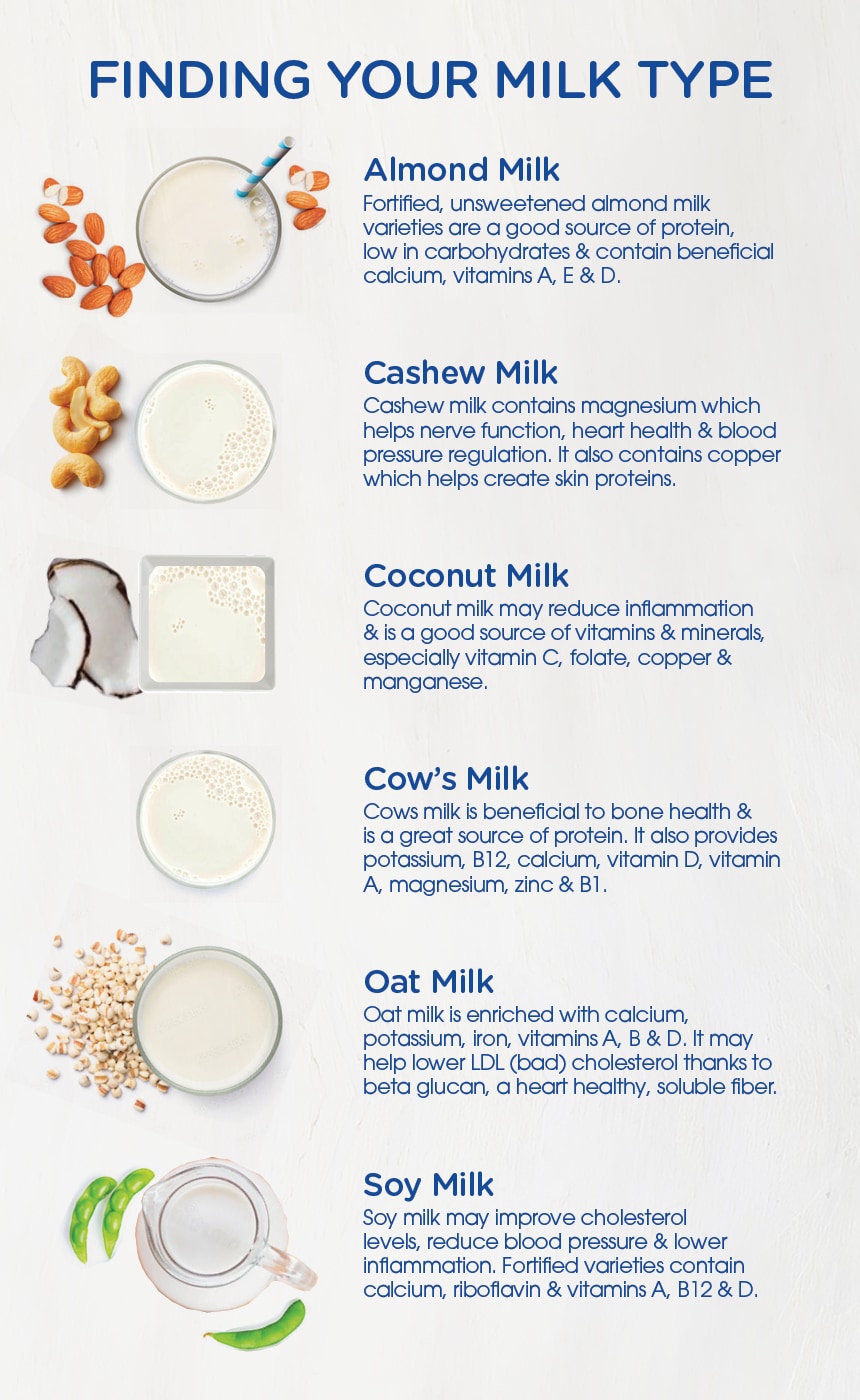
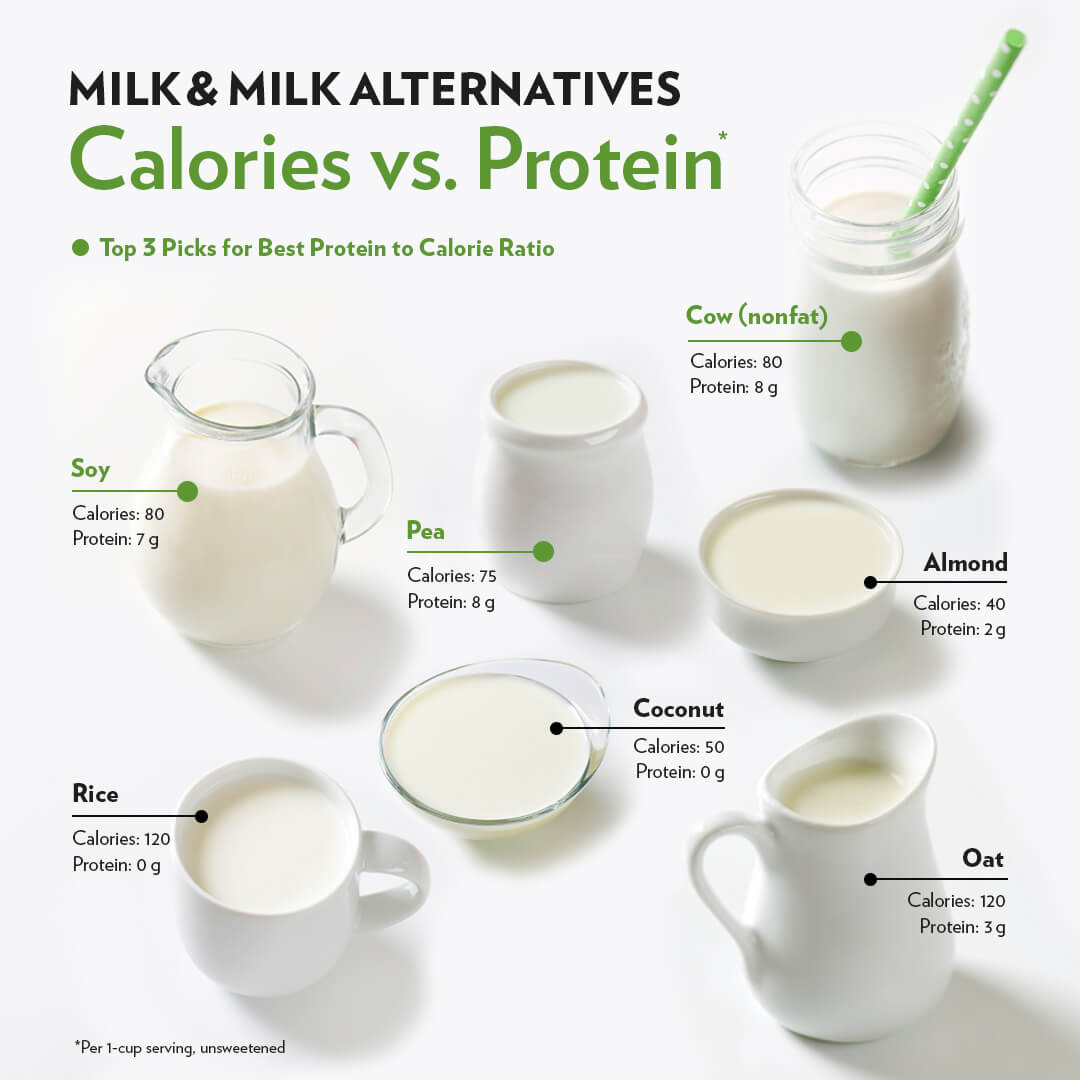
For those focused on muscle maintenance or satiety, cow’s milk and soy milk remain the gold standard. They provide a complete amino acid profile, which many other plant-based alternatives—such as almond or rice milk—lack. If your goal is to reduce your dependence on expensive protein supplements or powders, opting for a higher-protein milk can be a strategic way to consolidate your grocery spending. By choosing a milk that acts as a meal-supplement component, you effectively reduce the need for other, more costly snacks.
The Hidden Cost of Sugar and Additives
Many plant-based milks use added sugars to improve palatability, which can lead to metabolic health costs down the line. A “cheap” milk is not a bargain if it contributes to insulin spikes or inflammation. When reviewing the “best” options, look for unsweetened varieties. These not only provide better health outcomes but also offer more versatility in cooking and baking, allowing you to control the flavor profile yourself. By avoiding flavored, sweetened milks, you are opting for a “base asset” that is more flexible, much like choosing a diversified index fund over a volatile, speculative stock.
Strategic Selection: Aligning Milk Choices with Lifestyle Goals
The definition of “best” depends entirely on your specific life stage and financial priorities. Just as you wouldn’t use the same financial strategy for a twenty-year-old investor as you would for someone nearing retirement, you should not choose milk without considering your personal constraints and objectives.
The Efficiency-Minded Consumer
If your primary constraint is time and you are looking for long-term storage, shelf-stable, aseptic packaging is your best friend. Buying in bulk—especially during sales or via wholesale clubs—can drastically reduce your cost per unit. Shelf-stable milk allows for better inventory management. By reducing the number of grocery trips, you save not only on the product price but also on the hidden costs of transportation and the temptation of impulse purchases associated with frequent visits to the supermarket.
The Sustainability-Conscious Investor
If your financial philosophy includes ESG (Environmental, Social, and Governance) investing, your milk choice reflects your values. Oat milk, for instance, typically requires less water and land than dairy or almond milk. While it may carry a higher price tag, some consumers view this as a necessary “premium” paid to support a more sustainable future. If this aligns with your personal identity and values, the “cost” is an investment in the type of world you want to live in. However, be wary of “greenwashing,” where brands charge a premium for environmental claims that are not backed by verifiable supply chain transparency.
The Health-Optimization Strategy
For those who track every nutrient for peak performance, fortified milks are the primary choice. Manufacturers often load these products with calcium, Vitamin D, and B-vitamins to compete with dairy’s natural profile. If you have dietary restrictions or specific deficiencies, choosing a fortified milk can serve as a convenient, daily delivery system for these nutrients, effectively acting as an insurance policy against nutritional gaps.
Creating Your Own “Milk Portfolio”
A sophisticated consumer does not need to be married to a single brand or type of milk. Instead, consider a diversified approach to your pantry.
Segregating Use Cases
You might choose a cost-effective, high-protein dairy or soy milk for your morning coffee or oatmeal, where the nutritional density is paramount. Conversely, you might keep a carton of lower-calorie almond or coconut milk for smoothies or recipes where you want a lighter texture. By segmenting your milk usage based on the function of the drink, you can manage your grocery budget with the precision of an investment portfolio.

The Long-Term View on Inflation
Milk prices, like all food prices, are subject to inflation. Because the dairy market is sensitive to feed costs, climate events, and logistics, prices will continue to fluctuate. If you find a brand or type of milk that meets your nutritional and financial criteria, consider the benefits of brand loyalty in the form of rewards programs or bulk procurement. Monitoring the price-to-nutrient ratio over a six-month period will give you a clearer picture of which options offer the best sustainable value.
Ultimately, the best milk for you is one that satisfies your physiological needs without compromising your financial health. By applying the same analytical rigor to the dairy aisle that you apply to your personal finances—evaluating cost, long-term impact, and utility—you can transform a routine shopping task into a strategic decision that supports both your wallet and your wellbeing. Whether you prioritize the high-protein efficiency of dairy, the sustainability of oats, or the nutritional fortification of soy, the most successful choice is the one that aligns with your long-term goals.
aViewFromTheCave is a participant in the Amazon Services LLC Associates Program, an affiliate advertising program designed to provide a means for sites to earn advertising fees by advertising and linking to Amazon.com. Amazon, the Amazon logo, AmazonSupply, and the AmazonSupply logo are trademarks of Amazon.com, Inc. or its affiliates. As an Amazon Associate we earn affiliate commissions from qualifying purchases.