
For casual observers, an Amiibo might look like a simple plastic figurine sitting on a shelf. However, for those embedded in the Nintendo ecosystem, these small, NFC-enabled statues represent a sophisticated intersection of hardware, software, and interactive design. Since their launch in 2014, Amiibos have evolved from basic promotional collectibles into integral components of modern digital gameplay, bridging the gap between physical ownership and digital integration.
The Core Technology: How Amiibos Function
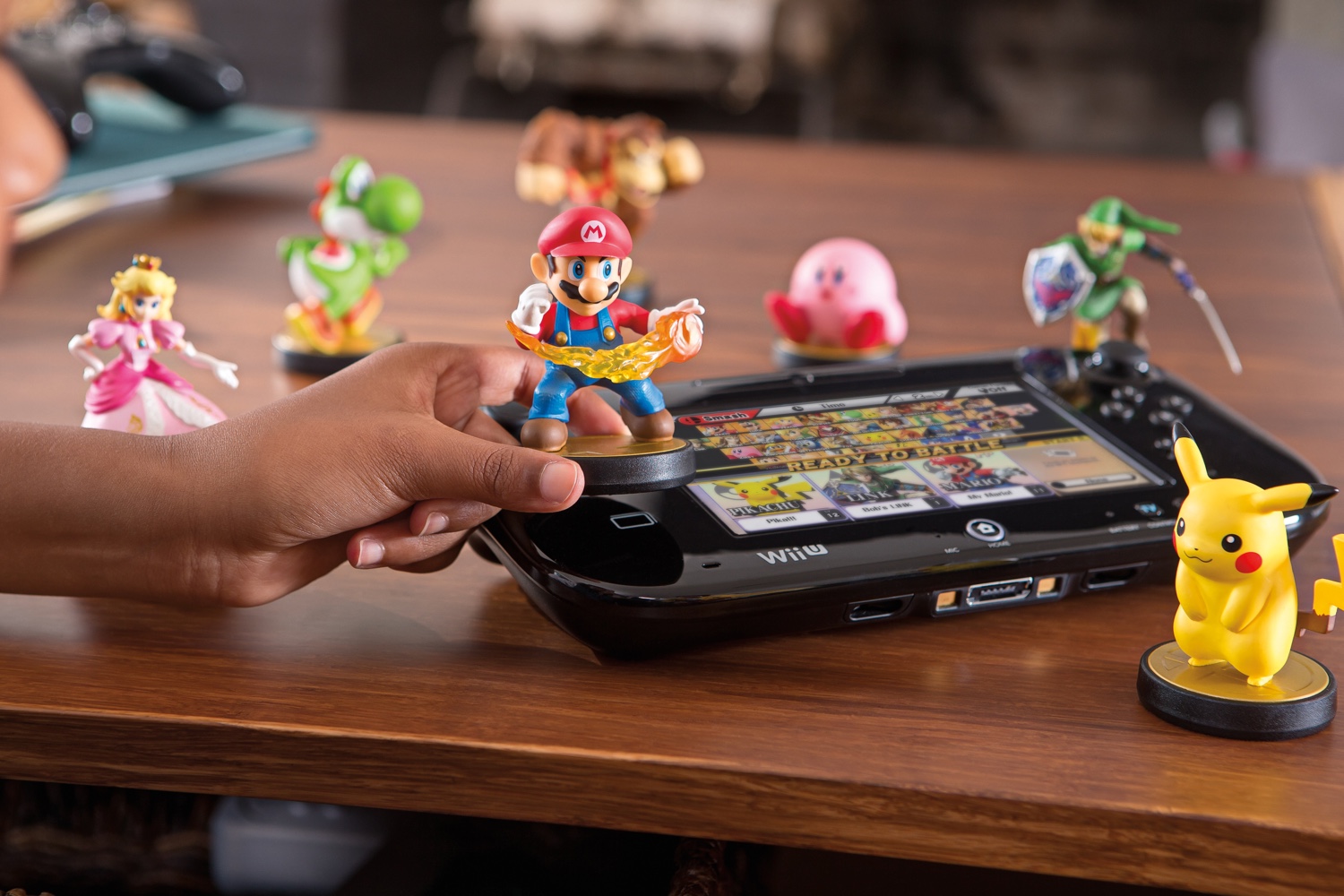
At its most fundamental level, an Amiibo is an NFC (Near Field Communication) tag embedded within a high-quality PVC figure. This technology is identical to what is used in contactless payment systems like Apple Pay or credit card tap-to-pay functions. However, instead of transmitting financial data, the internal chip transmits unique identification and data-storage protocols specifically designed to interface with Nintendo consoles, including the Wii U, the Nintendo 3DS family, and the Nintendo Switch.
The Role of NFC Hardware
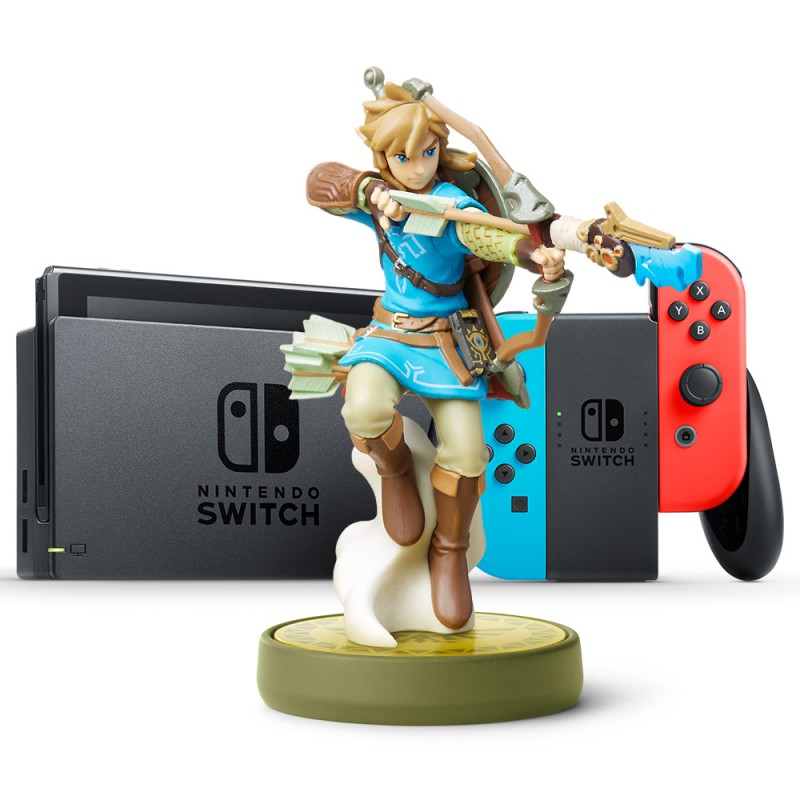
The magic happens when the Amiibo is placed against the NFC touchpoint on a Nintendo controller or console. On the Nintendo Switch, this touchpoint is located directly on the right Joy-Con stick or the center of the Pro Controller. Once the proximity threshold is met, the console reads the data stored on the chip. This data can be unidirectional—where the console simply reads an ID to unlock a specific character or outfit—or bidirectional, where the game saves specific progression data or stat modifiers back onto the chip itself.
Digital Handshakes
When you tap an Amiibo, the console initiates a “digital handshake.” The game recognizes the specific character ID and triggers a pre-programmed response. Because the data is stored on the figure, that specific Amiibo retains “memories” of its gameplay experience. If you use a figure to train an AI-driven character in Super Smash Bros. Ultimate, that training data—such as preferred combat style and leveled-up stats—is written back to the chip. This makes the physical figure a portable storage device for your unique game personality.
The Integration Ecosystem: Software and Gameplay
The utility of an Amiibo varies significantly depending on the specific software title. Nintendo has mastered the art of “gated” content, using these figures to provide players with tangible rewards that feel meaningful without necessarily being required for game completion.
Unlocking In-Game Assets
In titles like The Legend of Zelda: Breath of the Wild or Tears of the Kingdom, tapping an Amiibo acts as a “loot drop” mechanism. Rare weapons, materials, or even exclusive gliders and outfits are granted to the player, rewarding those who invest in the physical collection. This creates an interesting dynamic where the physical product serves as a shortcut or a bonus for the in-game progression system, offering players a sense of exclusivity that digital-only content often fails to capture.
AI Companions and Leveling Systems
Perhaps the most sophisticated use of the technology is found in competitive software. In Super Smash Bros., Amiibos function as “Figure Players.” When you scan the figure, an AI version of that character enters the game. As you fight against or alongside this character, it learns from your tactics. It adapts, gets stronger, and eventually develops a unique personality based on the training it received. This transforms the Amiibo from a static collectible into an evolving digital partner that can be brought to a friend’s house to compete against their own trained figures.

Compatibility Across Platforms
One of the most impressive aspects of the Amiibo ecosystem is its longevity and cross-game compatibility. A figure purchased nearly a decade ago for the Wii U can still offer functionality on the latest Nintendo Switch titles. This backward compatibility is a masterclass in software design, as it ensures that the consumer’s investment remains relevant even as hardware cycles turn over. It encourages a long-term relationship between the brand and the consumer, as users feel confident that their physical collection will not be rendered obsolete by the next console release.
Beyond the Utility: The Collector’s Market and Design Trends
While the technology is the engine of the Amiibo, the design is the soul. Nintendo has leveraged its decades-long history of iconic characters to create a line of collectibles that appeal to hardcore gamers and casual interior decorators alike.
Design and Build Quality
Unlike traditional mass-produced toys, Amiibos are sculpted with a level of detail that satisfies the collector’s market. From the intricate textures on a character’s cape to the specific paint applications on facial features, Nintendo treats these figures as high-quality merchandise. This focus on aesthetic value means that even if a user never touches the figure to their console, the object itself holds value as a piece of pop-culture art.
The Scarcity Factor
The Amiibo market has also been defined by fluctuating availability. Certain figures, released in limited waves or tied to specific game launches, have become highly sought-after secondary market items. This scarcity has inadvertently built a thriving community of collectors who track “restocks” and import figures from different regions. For Nintendo, this creates a halo effect around the brand, keeping the discourse around their characters active long after the associated games have faded from the spotlight.
Digital-Physical Synergy in Marketing
Amiibos serve as a bridge between the digital experience of gaming and the tangible world of brick-and-mortar retail. In an era where game distribution is becoming increasingly digital, Amiibos provide a physical totem that represents the player’s connection to the game. When a player purchases a game digitally but buys an Amiibo physically, they are still participating in the ritual of ownership. This dual-channel marketing strategy allows Nintendo to maintain a strong physical presence on retail shelves even as the industry shifts toward cloud-based distribution.
Future Projections: Where Will NFC Technology Lead?
As we look toward the future of Nintendo hardware, the role of NFC-enabled figures is likely to evolve rather than disappear. The infrastructure for reading these figures is now embedded in millions of controllers globally, providing a massive install base for future applications.
Augmented Reality and Beyond
We may see deeper integration with mobile hardware. As mobile devices continue to improve their NFC reading capabilities, the barrier to entry for using Amiibo-like technology will drop even lower. Imagine a future where an Amiibo acts as a key to an augmented reality experience on a smartphone, where the character “jumps” off the shelf and into the user’s physical environment through the camera lens.
Data Portability
There is also potential for greater data portability. As cloud-based saves become the industry standard, the ability for an Amiibo to serve as a physical key to one’s personal cloud account—authorizing a user to access their save data on any console they scan their figure into—could revolutionize how we move between home and mobile gaming.
Ultimately, the Amiibo is more than just a piece of plastic. It is a proof of concept for the “phygital” (physical-digital) era. By combining high-fidelity aesthetics with reliable NFC tech and clever software integration, Nintendo has created a product that serves as a game controller, a storage device, a collector’s item, and a marketing tool all at once. For those wondering what an Amiibo is, the answer is simple: it is the point where your physical gaming passion meets the limitless possibilities of digital code. Whether you are a competitive player looking to train an AI master or a collector looking to brighten your desk, the Amiibo remains one of the most successful experiments in modern consumer electronics.
aViewFromTheCave is a participant in the Amazon Services LLC Associates Program, an affiliate advertising program designed to provide a means for sites to earn advertising fees by advertising and linking to Amazon.com. Amazon, the Amazon logo, AmazonSupply, and the AmazonSupply logo are trademarks of Amazon.com, Inc. or its affiliates. As an Amazon Associate we earn affiliate commissions from qualifying purchases.