
For millions of students, the SAT represents a critical gateway to higher education, serving as a primary metric for colleges and universities to gauge academic readiness. While the test has undergone significant evolutions, including the transition to a digital format, the core objective remains constant: achieving a top-tier score that distinguishes a candidate from a highly competitive applicant pool. Understanding what constitutes a perfect score is the first step in strategic test preparation, financial planning for college, and maximizing the return on investment for your educational future.
Understanding the Scoring Architecture
To grasp the concept of a “perfect score,” one must first understand the current scoring mechanics of the SAT. Since the latest redesign, the SAT is scored on a scale of 400 to 1600. This total is the sum of two distinct section scores: Reading and Writing, and Mathematics. Each of these sections is scored on a scale of 200 to 800.
The Mathematics of Perfection
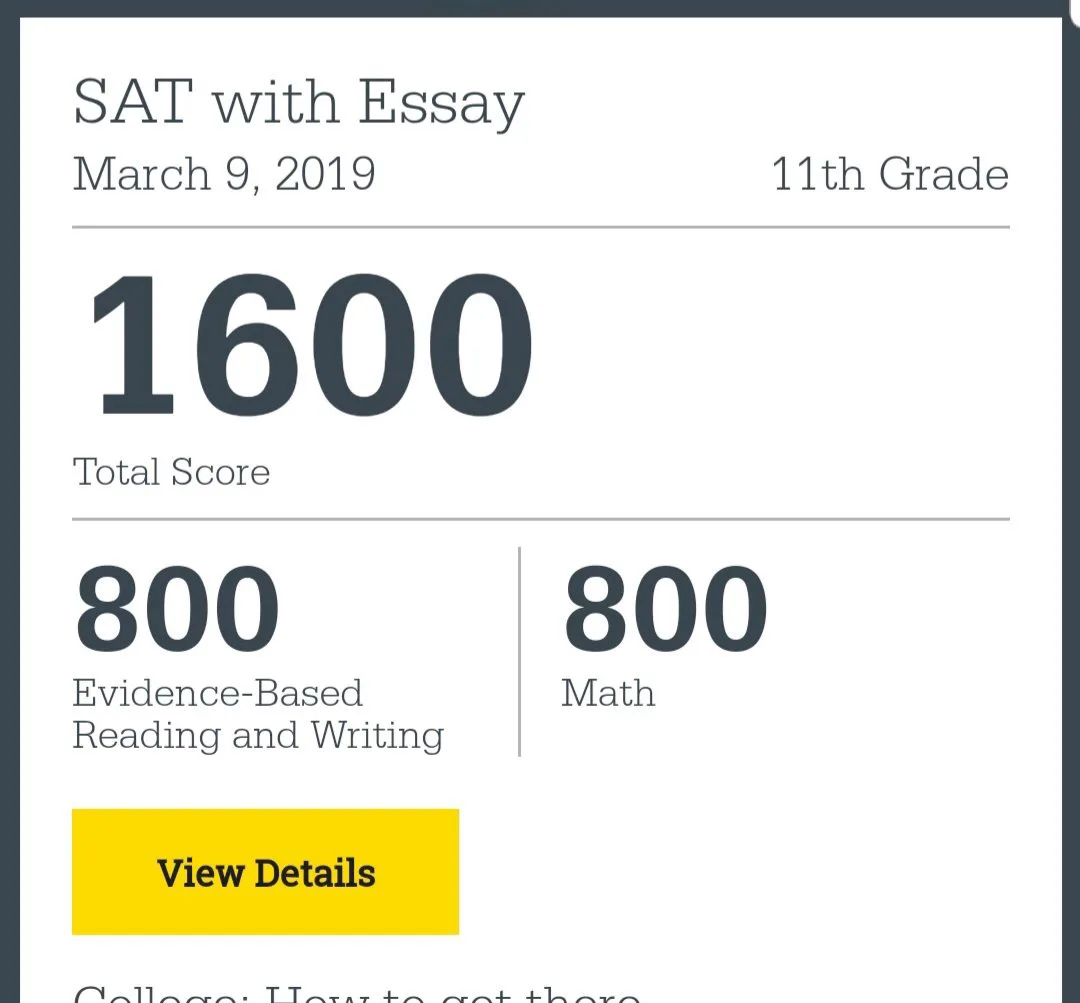
A perfect score on the SAT is precisely 1600. To achieve this, a student must secure a maximum of 800 points in the Evidence-Based Reading and Writing section and an 800 in the Math section. Unlike traditional classroom testing, where a perfect score might be achieved through extra credit or lenient grading, the SAT is a standardized, psychometrically validated exam. This means that every question is calibrated to ensure that the distribution of scores follows a predictable curve. Achieving an 800 in a section is not just about getting every answer right; it is about demonstrating mastery across a broad range of content domains at the highest level of difficulty.
The Role of Percentiles
While 1600 is the numerical ceiling, it is helpful to look at it through the lens of percentile rankings. A perfect score places a student in the 99th percentile or higher. In the context of elite admissions, the difference between a 1550 and a 1600 is often negligible in terms of raw knowledge, but the perfect score acts as a “check-box” metric that signals to admissions committees that a student possesses the highest level of aptitude and attention to detail. From a strategic standpoint, the perfect score is the ultimate proof of academic proficiency.
The Financial Implications of High-Stakes Testing
In the realm of personal finance and higher education, the SAT acts as a high-stakes financial instrument. The cost of attending a top-tier university is a major capital investment, and the SAT is often the key that unlocks the door to merit-based institutional aid.
Leveraging Scores for Merit-Based Scholarships
Many colleges and universities utilize a “merit grid”—a structured table that correlates GPA and standardized test scores directly to specific scholarship dollar amounts. A perfect or near-perfect SAT score can be the deciding factor in securing significant tuition discounts, academic fellowships, or honors program invitations. When families view the SAT through the lens of financial planning, the effort required to chase a perfect score becomes an investment with a potentially massive ROI. Reducing the total cost of an undergraduate degree by tens of thousands of dollars is a tangible financial benefit that justifies the time spent on rigorous test preparation.
The Cost of Preparation vs. The Return
Families often struggle with the decision of whether to invest in private tutoring or premium test prep software. When analyzing this as a business case, one must weigh the cost of preparation—which might range from a few hundred dollars for self-study materials to several thousand for specialized tutoring—against the long-term financial benefits. For students aiming for elite institutions that provide generous need-based or merit-based aid, the preparation process is a sophisticated form of financial optimization. Ensuring a student reaches their peak potential is not merely about prestige; it is about optimizing the household budget for the next four years.

The Competitive Edge in College Admissions
In an era where many institutions have adopted test-optional policies, the strategic value of a perfect score has shifted. However, for those who choose to submit scores, a 1600 provides a distinct advantage that cannot be replicated by GPA alone.
Consistency as a Performance Metric
Admissions officers are tasked with comparing students from vastly different academic backgrounds—private schools with grade inflation, rural schools with limited AP offerings, and international schools with different grading systems. A perfect score on the SAT serves as the “great equalizer.” It provides a standardized data point that proves a student can handle the rigorous workload of a top-tier institution regardless of their previous environment. When an admissions committee sees a 1600, they are not just looking at a number; they are looking at evidence of mastery, persistence, and consistency.
Signaling Intelligence and Diligence
Achieving a 1600 is rarely the result of a single brilliant day. It is the culmination of hundreds of hours of focused practice, error analysis, and strategic improvement. This process teaches students how to break down complex problems, manage their time under pressure, and refine their cognitive efficiency. Admissions officers recognize that a perfect score implies that the student has the capacity for deep work—a trait that is highly predictive of success in professional careers and graduate studies. By aiming for perfection, students are signaling that they have the discipline to push past the “good enough” threshold, which is exactly the type of student profile that highly selective programs seek to cultivate.
Strategies for Pursuing the 1600
Reaching the ceiling of the SAT scoring scale requires a transition from general study to high-performance optimization. It is no longer enough to understand the concepts; one must master the test’s unique delivery mechanism.
Data-Driven Self-Correction
The most effective way to approach the SAT is through a rigorous feedback loop. Every practice test should be followed by a deep-dive analysis of errors. Are the mistakes caused by a lack of content knowledge, or are they “silly errors” caused by a failure to follow instructions or poor time management? By categorizing errors, students can create a heat map of their weaknesses. Financial professionals often use “gap analysis” to identify shortfalls in a budget; similarly, students should use this to identify shortfalls in their test-taking strategy. Addressing these gaps systematically is the only way to move from the 1400s into the 1500s and eventually toward the 1600 threshold.
Digital Literacy and Efficiency
With the transition to a fully digital platform, the SAT now incorporates features like built-in calculators and specialized interface tools. Mastering the digital environment is essential for a perfect score. Being able to navigate the test interface fluidly allows a student to save precious seconds that can be reallocated to the most difficult questions. The goal is to reach a state of “flow,” where the mechanical aspects of the test—navigating menus, using the calculator, and flagging questions—become secondary to the cognitive work of solving the problems.
The Diminishing Returns of Perfection
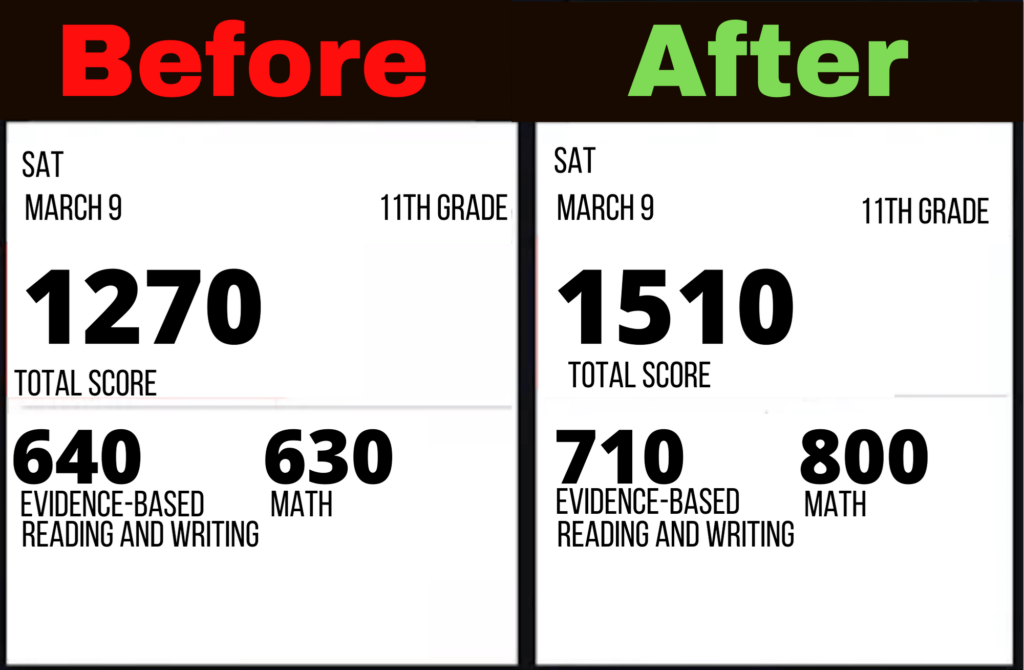
While the 1600 is the ultimate goal, it is important to maintain a healthy perspective on the “law of diminishing returns.” Once a student crosses the 1550 threshold, the marginal utility of pushing for that final 1600 decreases significantly. At that level, a student is already in the top fraction of a percent of test-takers. The time required to secure those final few points might be better spent on other aspects of the college application—such as leadership extracurriculars, essay development, or early career exploration. A balanced approach that treats the perfect score as a goal to be chased, but not as an idol to be worshipped at the expense of holistic development, is the mark of a truly sophisticated applicant.
In summary, a perfect score on the SAT is more than just a number; it is a vital asset in the financial and academic architecture of a student’s future. By understanding the scoring system, leveraging the financial potential of merit-based aid, and employing data-driven preparation strategies, students can position themselves to maximize their success in the competitive landscape of higher education. Whether or not you hit the 1600, the pursuit of perfection provides a rigorous framework for developing the skills that will lead to success long after the final section of the test is complete.
aViewFromTheCave is a participant in the Amazon Services LLC Associates Program, an affiliate advertising program designed to provide a means for sites to earn advertising fees by advertising and linking to Amazon.com. Amazon, the Amazon logo, AmazonSupply, and the AmazonSupply logo are trademarks of Amazon.com, Inc. or its affiliates. As an Amazon Associate we earn affiliate commissions from qualifying purchases.