
The Exhaust Gas Recirculation (EGR) valve is a critical component in the sophisticated ecosystem of a modern internal combustion engine, designed primarily to mitigate harmful emissions. While often overlooked by the average driver, its function is integral to meeting stringent environmental regulations and optimizing engine performance. At its core, the EGR valve introduces a controlled amount of exhaust gas back into the engine’s combustion chambers, a seemingly counterintuitive process that yields significant benefits in pollution control.
The Core Function of Exhaust Gas Recirculation
The primary purpose of an EGR system is to reduce the formation of nitrogen oxides (NOx) emissions. NOx gases are major contributors to smog, acid rain, and various respiratory ailments, making their control a paramount concern for automotive engineers and environmental regulators worldwide.
Reducing Nitrogen Oxides (NOx)
NOx gases are formed when nitrogen and oxygen react at extremely high temperatures, particularly those found during the combustion process within an engine cylinder. The hotter the combustion, the more NOx is produced. By introducing inert exhaust gas into the intake manifold, the EGR system effectively dilutes the incoming air-fuel mixture. This dilution lowers the peak combustion temperatures within the cylinders.
When inert exhaust gases, which contain very little oxygen and are essentially non-combustible, are mixed with the fresh air and fuel, they act as a heat sink. This reduces the overall temperature during the combustion cycle. A reduction in peak combustion temperatures, even by a relatively small margin, significantly inhibits the chemical reactions that form NOx. It’s a precise balance: enough exhaust gas to cool combustion without negatively impacting power output or fuel efficiency.
How It Works: The Recirculation Process
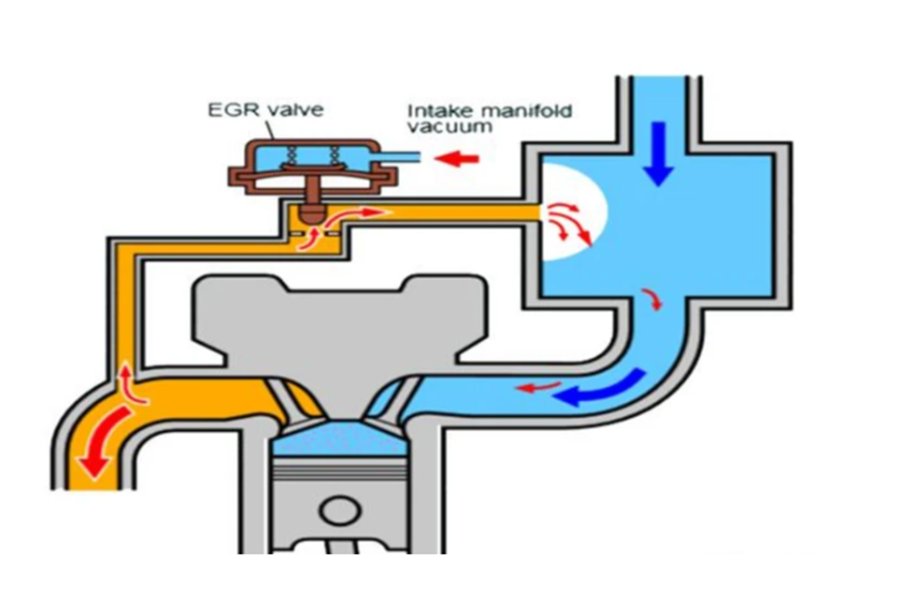
The process begins when a portion of the exhaust gas, after exiting the combustion chambers, is diverted from the exhaust manifold. Instead of being expelled directly through the exhaust system, a controlled amount is routed back into the intake manifold, upstream of the cylinders. This recirculated gas then mixes with the fresh air and atomized fuel before entering the combustion chamber for the next power stroke.
The EGR valve acts as a gate, opening and closing to control the flow rate of these exhaust gases. Its operation is not constant; rather, it is highly dynamic, dictated by the engine’s operating conditions. For instance, EGR is typically active during moderate engine loads and speeds, where NOx formation is most prevalent. During idle or wide-open throttle conditions, the EGR valve usually remains closed to ensure stable idle quality and maximum power output, respectively. The sophisticated electronic control unit (ECU) of the vehicle continuously monitors various engine parameters to determine the optimal EGR flow.
Components and Operation of the EGR System
The EGR system is not just a single valve; it’s an integrated network of components working in concert to achieve its emission reduction goals. Understanding these parts provides a clearer picture of the technology involved.
The EGR Valve Itself
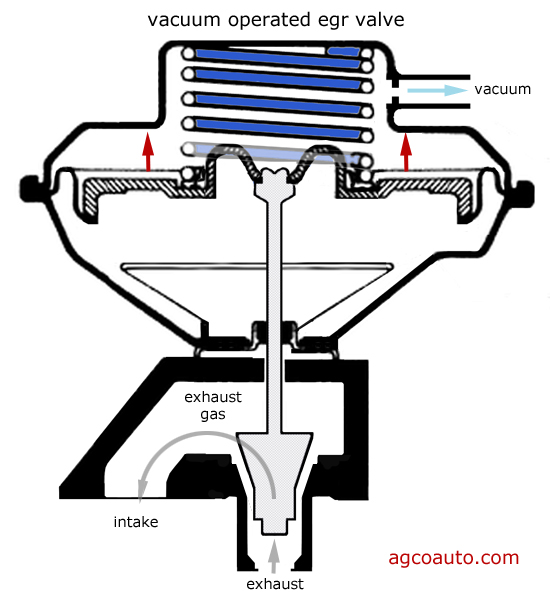
The EGR valve is the most visible and often the most discussed component of the system. Historically, EGR valves were vacuum-actuated, relying on manifold vacuum to open and close a poppet valve. Modern vehicles predominantly use electronic EGR valves, which offer much finer control. These electronic valves are typically stepper motor or solenoid-actuated, receiving precise commands from the engine’s ECU.
An electronic EGR valve consists of a valve body, an internal poppet or pintle that controls the gas flow, and an electrical actuator. Some designs incorporate a position sensor that provides feedback to the ECU, allowing the engine computer to verify that the valve is opening and closing as commanded. This feedback mechanism is crucial for accurate control and for detecting potential malfunctions. When the ECU commands the valve to open, the actuator moves the poppet, allowing exhaust gases to flow into the intake. When closed, the flow is shut off.
EGR Cooler and Sensor Systems
In many modern diesel engines and some gasoline direct injection (GDI) engines, an EGR cooler is also part of the system. Recirculated exhaust gases can be extremely hot, and introducing them directly into the intake without cooling can elevate intake air temperatures, potentially reducing engine efficiency or leading to pre-ignition (knock) in gasoline engines. The EGR cooler uses engine coolant to reduce the temperature of the exhaust gases before they enter the intake manifold. This cooling further contributes to the desired temperature reduction in the combustion chamber and helps prevent performance degradation.
Beyond the valve and cooler, a network of sensors informs the ECU about engine conditions relevant to EGR operation. These include:
- Manifold Absolute Pressure (MAP) sensor: Measures intake manifold pressure, indicating engine load.
- Mass Air Flow (MAF) sensor: Measures the amount of air entering the engine, crucial for fuel mixture calculations.
- Engine Coolant Temperature (ECT) sensor: Ensures the engine is at operating temperature before engaging EGR.
- Throttle Position Sensor (TPS): Indicates throttle opening, influencing engine load.
- EGR Temperature Sensor: (In some systems) monitors the temperature of the recirculated exhaust gas.
The ECU processes data from these sensors in real-time to precisely calculate the optimal EGR flow rate, ensuring effective NOx reduction without compromising engine drivability or fuel economy.
Electronic Control Unit (ECU) Integration
The ECU is the brain of the EGR system. It employs complex algorithms and pre-programmed maps to control the EGR valve’s operation. Based on inputs from the various engine sensors, the ECU determines when to open the EGR valve, how much to open it, and for how long. This dynamic control ensures that the EGR system only operates when it’s beneficial for emissions reduction, disengaging when it might negatively impact engine performance (e.g., during cold starts, idle, or heavy acceleration). The integration of the EGR system with the ECU is a testament to the sophisticated electronic controls that govern modern automotive technology, enabling a delicate balance between power, efficiency, and environmental responsibility.
Why EGR is Crucial for Modern Engines

The continuous evolution of internal combustion engines is driven not only by performance and efficiency demands but also, significantly, by environmental mandates. The EGR system plays a pivotal role in meeting these challenges.
Environmental Compliance and Emissions Standards
Global environmental regulations, such as EPA standards in the United States and Euro standards in Europe, have become increasingly stringent over the decades. These regulations set strict limits on the permissible levels of pollutants emitted by vehicles, including NOx, carbon monoxide (CO), hydrocarbons (HC), and particulate matter (PM). Without effective NOx reduction technologies like EGR, it would be virtually impossible for many modern gasoline and diesel engines to comply with these limits.
The EGR system allows manufacturers to design engines that can achieve high levels of performance and fuel efficiency while simultaneously minimizing their environmental footprint. It’s a key technology that enables the continued viability of internal combustion engines in an era of growing environmental consciousness. Its widespread adoption across virtually all modern vehicles underscores its fundamental importance in the struggle against air pollution.
Impact on Engine Performance and Efficiency
While its primary role is emissions reduction, the EGR system can also have subtle, indirect benefits for engine performance and efficiency. By lowering peak combustion temperatures, EGR can reduce the tendency for engine knock or pre-ignition, especially in higher-compression gasoline engines. This allows engineers to design engines with more aggressive ignition timing or higher compression ratios, which can, in turn, improve thermal efficiency and power output.
In some applications, particularly diesel engines, EGR can also help to reduce particulate matter (soot) emissions, although its primary function remains NOx reduction. The precise control offered by modern electronic EGR systems ensures that these environmental benefits are achieved without a noticeable detriment to the driving experience. In fact, a properly functioning EGR system contributes to the overall smooth and efficient operation of the engine.
Common EGR Valve Issues and Maintenance
Like any mechanical or electronic component exposed to harsh operating conditions, EGR valves can develop issues over time, primarily due to carbon buildup.
Symptoms of a Failing EGR Valve
A malfunctioning EGR valve can manifest in several noticeable symptoms, impacting both engine performance and emissions. Common indicators include:
- Check Engine Light: This is often the first sign, triggered by an EGR-related diagnostic trouble code (DTC) stored in the ECU.
- Rough Idle: If the EGR valve is stuck open, it can introduce too much exhaust gas at idle, leading to a lean air-fuel mixture and a rough, unstable idle.
- Engine Hesitation or Stalling: Similar to a rough idle, excessive EGR flow at inappropriate times can cause the engine to stumble or stall, particularly during light acceleration.
- Reduced Power and Fuel Economy: If the valve is stuck closed, NOx emissions will increase, but more critically, the engine may experience detonation or knock, leading the ECU to retard timing and reduce power output to protect the engine.
- Increased Emissions: A failing EGR valve directly compromises its emission control function, potentially leading to failed emissions tests.
- Pinging or Knocking: Without proper exhaust gas recirculation to cool combustion, higher cylinder temperatures can lead to premature ignition of the air-fuel mixture, resulting in an audible pinging or knocking sound.
Diagnosis and Replacement
Diagnosing an EGR valve issue typically involves scanning the vehicle’s ECU for DTCs using an OBD-II scanner. Specific codes related to EGR flow, valve position, or circuit malfunctions will point towards the system. Visual inspection can reveal excessive carbon buildup that prevents the valve from closing or opening properly. Advanced diagnostics might involve testing the valve’s electrical components (solenoid, motor) and checking for vacuum leaks in older systems.
If the EGR valve is confirmed to be faulty, replacement is usually the recommended course of action. While cleaning a mildly clogged valve is sometimes attempted, severe carbon buildup or internal electrical failures often necessitate a new unit. The replacement process varies by vehicle but generally involves disconnecting electrical connectors, vacuum lines (if applicable), and unbolting the valve from the engine. It is crucial to ensure all gaskets are replaced to prevent exhaust leaks.
Preventative Measures
While carbon buildup is largely an unavoidable byproduct of combustion, some practices can help prolong the life of an EGR valve. Regular engine maintenance, including timely oil changes and using quality fuel, can contribute to cleaner combustion and reduce the rate of carbon accumulation. Addressing other engine issues, such as excessive oil consumption or rich fuel mixtures, can also indirectly benefit the EGR system by reducing the amount of soot passing through it. For vehicles operating frequently in stop-and-go traffic or at low speeds, occasional highway driving at operating temperature can help burn off some carbon deposits within the exhaust system, potentially benefiting the EGR valve.
Evolution and Future of EGR Technology
The EGR system has undergone significant advancements since its inception, mirroring the broader evolution of automotive technology.
From Basic to Sophisticated Systems
Early EGR systems were relatively simple, often vacuum-controlled with a basic on/off function based on manifold vacuum. There was less precise control over the exact flow rate, leading to compromises between emissions control and drivability. As emissions standards tightened and electronic engine management became standard, EGR systems evolved. Modern electronic EGR valves offer highly precise, modulated control over exhaust gas flow, adapting instantly to varying engine loads and speeds. This allows for optimal NOx reduction without sacrificing engine performance or fuel efficiency. High-pressure EGR (HP-EGR) and low-pressure EGR (LP-EGR) configurations have also emerged, with LP-EGR systems taking exhaust gases after the diesel particulate filter (DPF) in diesel engines, resulting in cleaner recirculated gas and less EGR cooler fouling.
EGR in Hybrid and Advanced Combustion Engines
Even with the rise of hybrid and electric vehicles, the EGR system remains relevant for the internal combustion engine (ICE) components of hybrid powertrains. In these applications, EGR helps the ICE operate efficiently and cleanly during its intermittent duty cycles. Furthermore, as engineers explore advanced combustion strategies, such as lean burn concepts and homogeneous charge compression ignition (HCCI), EGR often plays a role in managing combustion temperatures and controlling reactivity, pushing the boundaries of what’s possible with internal combustion. While electric vehicles eliminate the need for an EGR valve entirely, for the foreseeable future, as long as internal combustion engines power a significant portion of the global vehicle fleet, the EGR valve will continue to be a vital piece of technology in the pursuit of cleaner, more efficient transportation.
aViewFromTheCave is a participant in the Amazon Services LLC Associates Program, an affiliate advertising program designed to provide a means for sites to earn advertising fees by advertising and linking to Amazon.com. Amazon, the Amazon logo, AmazonSupply, and the AmazonSupply logo are trademarks of Amazon.com, Inc. or its affiliates. As an Amazon Associate we earn affiliate commissions from qualifying purchases.