
The presence of pet-related damage—specifically cat urine—represents a significant liability to the long-term valuation and equity of your real estate assets. While the emotional bond with a pet is invaluable, the residual impact of urine on flooring, subflooring, and upholstery constitutes a depreciating factor that can erode the resale value of a property. Professional maintenance of your home environment is not merely a matter of hygiene; it is a critical component of personal financial stewardship. Addressing this issue with the correct methodologies ensures that your primary investment—your home—remains liquid and retains its appraisal value.

The Financial Risk of Improper Decontamination
When cat urine is left untreated or handled with ineffective consumer-grade products, it undergoes a chemical transformation that creates long-term structural damage. Understanding the chemistry of this damage is essential for any homeowner concerned with asset preservation.
The Crystallization Problem
Cat urine contains uric acid, which, when it dries, turns into hard, insoluble crystals. Unlike other organic waste, these crystals do not simply wash away with standard household soaps or detergents. If you attempt to clean these spots with ammonia-based cleaners, you are compounding the financial risk. Ammonia is a core component of cat urine; applying it to the affected area signals to the feline that the location is a designated territory, leading to repeat behavior and deeper penetration of the urine into your subflooring.
The Hidden Depreciation of Subflooring
If the urine reaches the subfloor—often the case with carpeted areas—the structural integrity of the home can be compromised. Odor-absorbing wood pores trap the enzymes, creating a permanent environmental hazard that can force expensive floor replacement before a sale or lease. From a financial perspective, failing to remediate this immediately is a failure to protect your capital.
Professional-Grade Chemical Solutions and Tools
To maintain the equity in your home, you must move beyond vinegar and baking soda solutions, which act as superficial fixes rather than deep-cleaning agents. Effective remediation requires an investment in high-performance enzymatic cleaners.
The Mechanics of Enzymatic Cleaners
Enzymatic cleaners contain specific bacteria and proteins that break down the complex organic compounds found in cat urine. Unlike standard disinfectants that merely mask the scent with synthetic fragrances, these cleaners consume the urea, urobilin, and uric acid. By neutralizing the crystals, they prevent the lingering scent that acts as a beacon for future accidents. Investing in a gallon of high-quality enzymatic cleaner is a minor operational expense compared to the cost of professional remediation or flooring replacement.
The Necessity of UV Detection Technology
You cannot manage what you cannot measure. One of the most effective tools for protecting your property is a handheld UV (blacklight) flashlight. By inspecting carpet fibers and baseboards in low-light conditions, you can identify hidden deposits that are invisible to the naked eye. Identifying these “hot spots” early allows for targeted remediation, preventing the spread of contaminants and ensuring that your cleaning efforts are allocated efficiently.
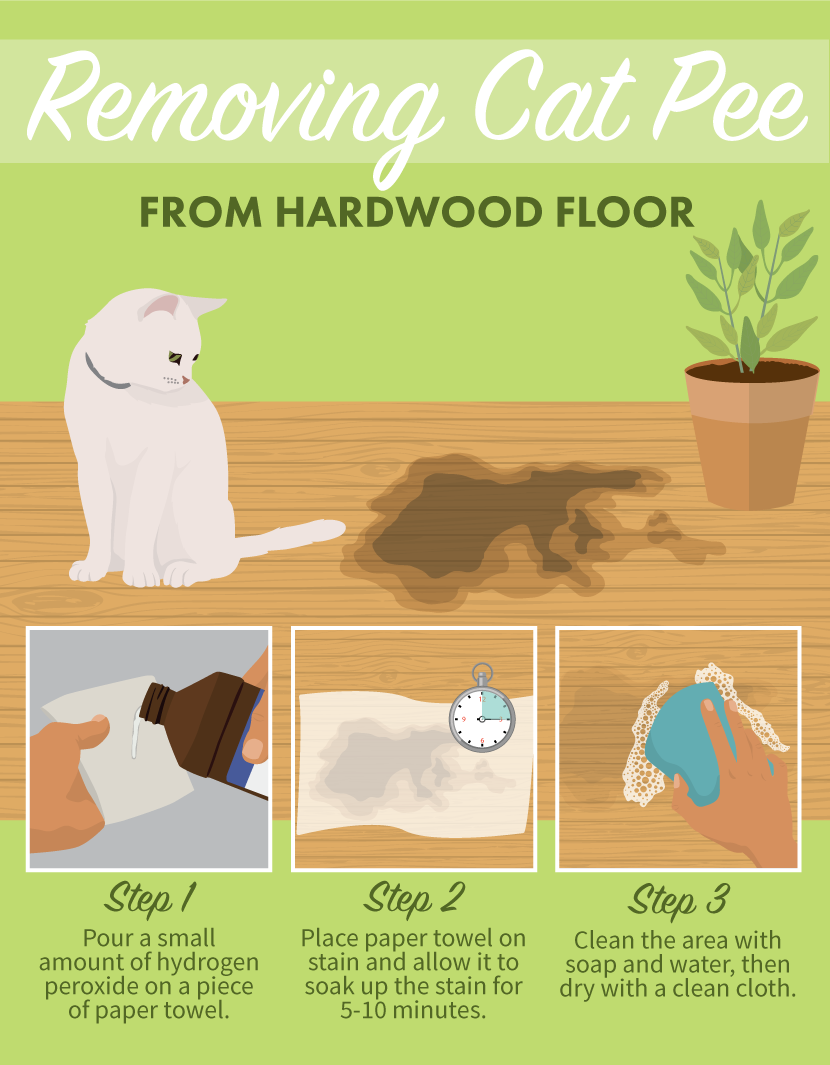
Strategic Maintenance for Long-Term Asset Protection
A reactive approach to pet-related damage is significantly more expensive than a proactive strategy. By integrating pet-specific maintenance into your home management budget, you protect the long-term value of your interior finishes.
Flooring Selection and Resale Value
If you are planning home renovations with the intent of increasing resale value, consider the materials you choose in light of potential pet damage. While plush carpets offer comfort, they are notoriously difficult to decontaminate once urine has penetrated the pad. Hard-surface flooring options, such as luxury vinyl plank (LVP) or ceramic tile, provide superior ROI for pet owners. These materials are non-porous and significantly easier to sanitize, ensuring that the property remains “turn-key” for future buyers or tenants.
The Role of Professional Deep Cleaning
Periodic professional steam cleaning should be viewed as an insurance policy for your carpets and upholstery. Professionals utilize high-extraction suction machines that reach depths far beyond the capabilities of consumer-grade rental units. By scheduling professional cleanings annually, you extend the lifecycle of your flooring, thereby deferring capital expenditures. If a major accident occurs, engaging a professional restoration service immediately is a prudent financial decision that prevents permanent degradation of your investment.
Protecting Property Value Through Behavioral Management
Ultimately, the most effective way to avoid the costs associated with cleaning cat urine is to address the underlying cause of the accidents. Financial efficiency dictates that you minimize the occurrence of the problem to prevent the subsequent need for remediation labor and chemical expenses.
Eliminating Environmental Stressors
Financial losses related to cat urine are often tied to feline stress or territory disputes. If the animal is marking because of anxiety, your cleaning efforts will be in vain if the root cause remains unaddressed. Investing in behavioral modifications, such as synthetic pheromone diffusers, can prevent the damage from occurring in the first place. Think of this as a preventative maintenance measure for your home’s interior, similar to servicing an HVAC system before it breaks down during a heatwave.
The Cost-Benefit Analysis of Cleaning Products
When purchasing supplies, ignore budget-branded “odor neutralizers” that rely on heavy perfumes. These products offer no actual remediation value and often create a “perfumed-urine” scent that is arguably more offensive. Allocate your cleaning budget toward industry-standard enzymatic formulas used by professional restoration companies. While these products carry a higher price point per fluid ounce, their efficacy in protecting your flooring prevents the much larger, catastrophic expense of full carpet replacement.

Final Assessment: The ROI of Cleanliness
Maintaining a home free from the permanent damage of cat urine is a fundamental aspect of responsible asset management. The combination of early detection through UV technology, the use of professional-grade enzymatic chemistry, and the strategic selection of resilient building materials creates a robust defense for your real estate equity.
Do not view cleaning supplies or professional services as mere chores; view them as essential maintenance costs that prevent the devaluation of your primary residence. By implementing a disciplined, data-driven approach to household hygiene, you ensure that your property remains an asset—not a liability—in your long-term financial portfolio. Keep your documentation of these cleaning efforts, as a well-maintained home will always command a premium in a competitive real estate market, far outweighing the modest cost of the products required to preserve it.
aViewFromTheCave is a participant in the Amazon Services LLC Associates Program, an affiliate advertising program designed to provide a means for sites to earn advertising fees by advertising and linking to Amazon.com. Amazon, the Amazon logo, AmazonSupply, and the AmazonSupply logo are trademarks of Amazon.com, Inc. or its affiliates. As an Amazon Associate we earn affiliate commissions from qualifying purchases.