
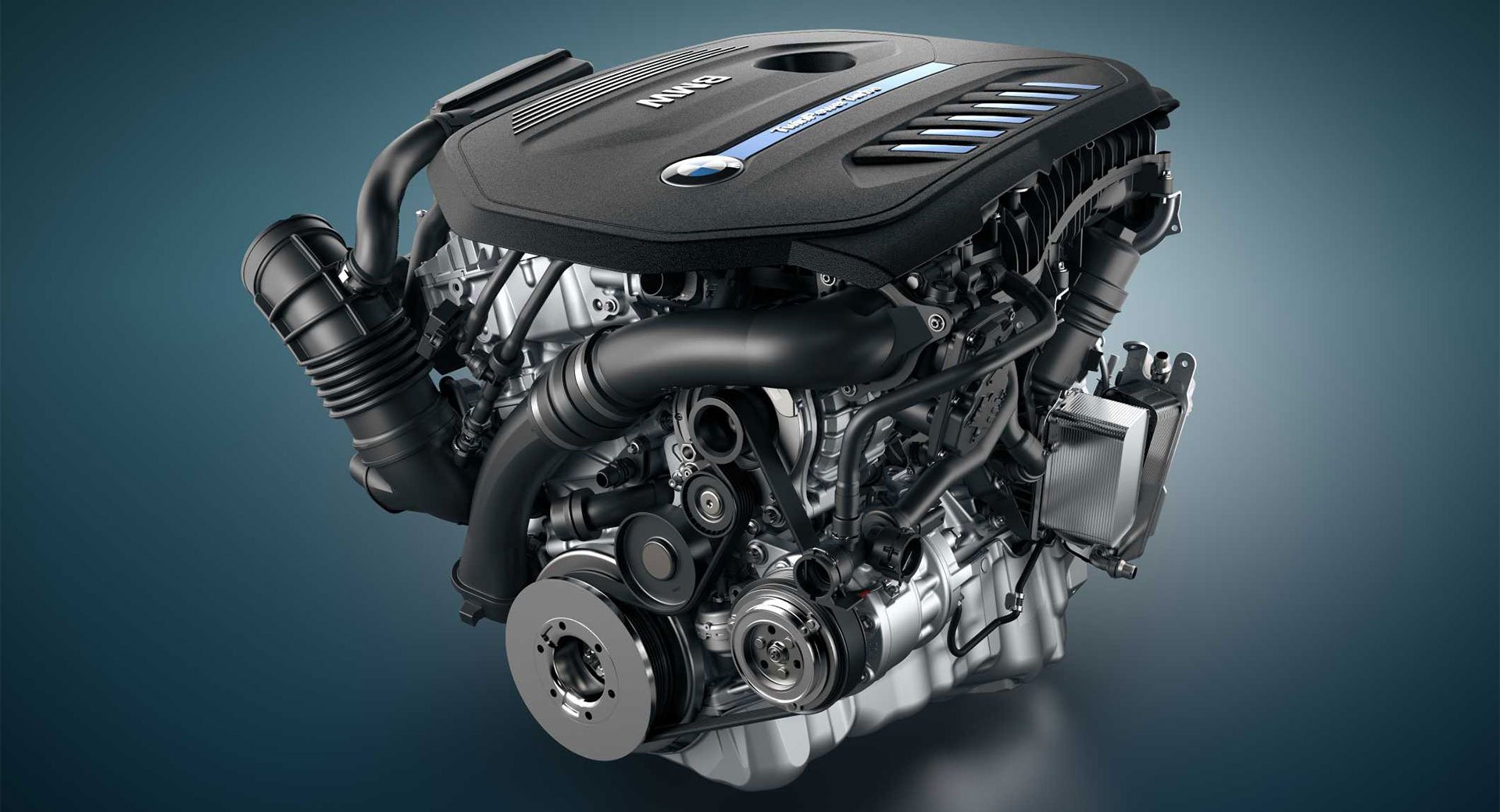
In the vast landscape of modern automotive engineering, certain engine designations carry more weight than others. Among enthusiasts and industry insiders, the “B58” has ascended to legendary status. Often hailed as the successor to BMW’s historic inline-six heritage, the B58 engine represents a masterclass in modular engineering, balancing raw performance with surprising efficiency and remarkable reliability. To understand why this power plant has become a benchmark for the automotive world, one must look beyond the horsepower figures and into the architecture that makes it a modern marvel.
The Architecture of the B58: Modular Excellence
The B58 is not just a high-performance engine; it is a foundational component of BMW’s modular engine strategy. Introduced in 2015 to replace the N55, the B58 was designed with the philosophy that components—such as combustion chambers, pistons, and rods—could be shared across three, four, and six-cylinder engines. This approach allows for massive economies of scale and rigorous testing protocols that few other manufacturers can match.

Closed-Deck Design and Thermal Management
At the heart of the B58’s durability is its closed-deck block construction. Unlike the open-deck designs found in many mass-produced engines, the closed-deck design provides superior structural rigidity around the cylinder bores. This is critical for managing the high cylinder pressures generated by modern turbocharging. When an engine is under boost, the block must resist warping; the B58’s architecture ensures that the cylinder head gasket remains sealed even under extreme stress.
Thermal management is equally sophisticated. The B58 utilizes a sophisticated cooling system with an integrated liquid-to-air intercooler. By moving the intercooler into the intake manifold, BMW significantly reduced the intake tract volume. This results in minimal turbo lag and ensures that intake air temperatures remain stable, even during spirited driving sessions. The engine also features an encapsulated design, where the engine bay is insulated to retain heat for longer periods, which helps reduce emissions during cold starts and improves fuel economy by reaching optimal operating temperatures faster.
The Twin-Scroll Turbocharger Advantage
The B58 is paired with a twin-scroll turbocharger, a decision that highlights the engine’s focus on responsiveness. By separating the exhaust pulses from the cylinders, the turbocharger can spool up much faster than traditional designs. This creates a linear, predictable power delivery that feels more like a naturally aspirated engine than a turbocharged one. For the driver, this means instant torque availability at low RPMs, transforming the driving experience from lethargic to exhilarating with a simple tap of the accelerator.
Performance Tuning and the Aftermarket Revolution
If the B58’s factory specifications were the only story, it would be a highly successful engine. However, the true “B58 phenomenon” lies in its incredible headroom for modification. Tuners around the world have discovered that the internals of the B58 are vastly over-engineered, allowing for massive power gains with relatively simple hardware and software modifications.
The “Stage” Tuning Paradigm
The B58 has become the darling of the automotive tuning world due to its flashability. With a simple ECU tune (often referred to as a “Stage 1” tune), the engine can output significantly more horsepower and torque than the factory-rated figures. Because the engine utilizes a sophisticated engine management system that can be accessed by aftermarket software, enthusiasts can adjust ignition timing, fuel delivery, and boost pressures to maximize performance.

“Stage 2” tunes, which typically involve the addition of a high-flow downpipe and an upgraded air intake, push the B58 into supercar territory. It is not uncommon to see stock-internals B58 engines producing upwards of 500 to 600 wheel horsepower. This level of reliable power—without the need to rebuild the engine internals—is virtually unheard of in the modern automotive landscape, making the B58 one of the most sought-after platforms for enthusiasts.
The Reliability Factor
Reliability and high-performance tuning are often viewed as mutually exclusive. The B58 challenges this narrative. Because of its closed-deck design and high-quality forged components, the engine is remarkably resilient. While any engine pushed beyond factory specifications faces increased wear, the B58 has proven capable of sustaining high boost levels for tens of thousands of miles without catastrophic failure. This has fostered a massive ecosystem of specialized workshops, performance part manufacturers, and online communities dedicated to pushing the B58 to its absolute limits.
The B58 in Context: Why It Matters to the Industry
The significance of the B58 extends beyond the hood of a car; it represents a transitional era in automotive history. As the industry pivots toward electrification, the B58 stands as a peak achievement for the internal combustion engine (ICE). It is the culmination of decades of research, development, and trial-and-error by one of the world’s most prestigious engineering firms.
Balancing Efficiency and Power
Critics of high-performance engines often point to poor fuel economy as a primary drawback. The B58 effectively dispels this myth through its use of direct injection, Valvetronic variable valve lift, and Double-VANOS variable valve timing. These technologies allow the engine to be incredibly docile and fuel-efficient during casual cruising, effectively “de-tuning” itself to sip fuel. Yet, the moment the driver demands power, the engine’s architecture permits an immediate transformation into a high-revving performance machine. This duality is why the engine is utilized in everything from luxury SUVs like the X5 to high-performance coupes like the M240i and even the Toyota GR Supra.
A Legacy Beyond BMW
Perhaps the most interesting chapter in the B58’s history is its adoption by Toyota. When Toyota sought to revive the Supra nameplate, they required an engine that could live up to the legendary 2JZ heritage. After evaluating various options, Toyota partnered with BMW to utilize the B58. The fact that a company as meticulous as Toyota—a brand that prioritizes long-term reliability above almost all else—chose the B58 for its halo sports car serves as the ultimate seal of approval. It is an engine that satisfies both the BMW enthusiast who demands refinement and the Toyota purist who demands mechanical longevity.
Looking Toward the Future
As global regulations tighten and automotive manufacturers move toward hybrid and electric powertrains, the B58 is widely considered to be one of the last “great” internal combustion engines. Its legacy is secured by its versatility, its tuning potential, and the sheer joy it provides to those who operate it.
The engine’s modular nature ensures that it will continue to be manufactured in various forms for years to come, but the original B58 architecture will remain a point of reference for engineers and enthusiasts alike. It is a reminder of what happens when engineering excellence, manufacturing efficiency, and a deep understanding of driver dynamics converge. Whether you are an owner looking to maximize your vehicle’s performance through tuning, or a casual observer interested in the engineering milestones of the 21st century, the B58 is a defining piece of technology.
In conclusion, the B58 is more than just an engine code. It is a benchmark that proved that modern emissions-compliant engines could still be exciting, reliable, and immensely powerful. It represents the pinnacle of the turbocharged inline-six era, serving as a testament to the fact that with the right design philosophy, the internal combustion engine still has plenty of life left to offer. As we look at the trajectory of the automotive industry, the B58 will undoubtedly be remembered as the engine that redefined the standard for what a daily-drivable performance power plant should be.
aViewFromTheCave is a participant in the Amazon Services LLC Associates Program, an affiliate advertising program designed to provide a means for sites to earn advertising fees by advertising and linking to Amazon.com. Amazon, the Amazon logo, AmazonSupply, and the AmazonSupply logo are trademarks of Amazon.com, Inc. or its affiliates. As an Amazon Associate we earn affiliate commissions from qualifying purchases.