
When purchasing a home, the focus is often on the purchase price, interest rates, and the physical condition of the property at the moment of closing. However, savvy homeowners recognize that a house is a complex machine prone to wear and tear. A 2-10 Home Buyers Warranty is one of the most recognized service contracts in the real estate industry, designed to provide a financial buffer against the unpredictable costs of system and appliance failures. Unlike standard homeowners insurance, which covers damage from catastrophes like fire or theft, a 2-10 home warranty focuses on the breakdown of internal components due to normal usage. Understanding how this product functions is essential for effective personal finance management and long-term property maintenance.
The Structural and Mechanical Coverage Model
The “2-10” designation in the brand name is not merely a marketing moniker; it refers to the specific tiers of coverage that the company traditionally provides. Understanding these tiers is crucial for determining if this financial tool aligns with your household budget and risk tolerance.
The Two-Year Systems Coverage
The “2” in 2-10 represents a two-year limited warranty on major structural components. This is particularly prevalent in new construction homes. Structural coverage is significantly different from appliance coverage. It addresses the integrity of the home’s load-bearing elements, such as the foundation, floor framing, beams, and columns. For new homeowners, this provides a safety net against major construction defects that might not manifest until the house has settled through multiple seasons. From a financial perspective, this shifts the burden of catastrophic structural repair from the homeowner to the warranty provider, potentially saving tens of thousands of dollars in foundational repairs.
The Ten-Year Structural Protection
The “10” refers to the ten-year structural defect coverage. This is a long-term commitment that protects the homeowner against designated structural issues for a full decade. This is often an institutional-grade protection package, as it covers the “bones” of the property. When evaluating the return on investment for a 2-10 warranty, homeowners must look at this as an insurance policy against the most expensive type of home failure. While structural defects are relatively rare, the cost to repair them is prohibitive for the average household. By rolling this into the home purchase or obtaining it as an add-on, the homeowner effectively hedges against a “black swan” financial event related to the property’s integrity.
Mechanical and Appliance Protection
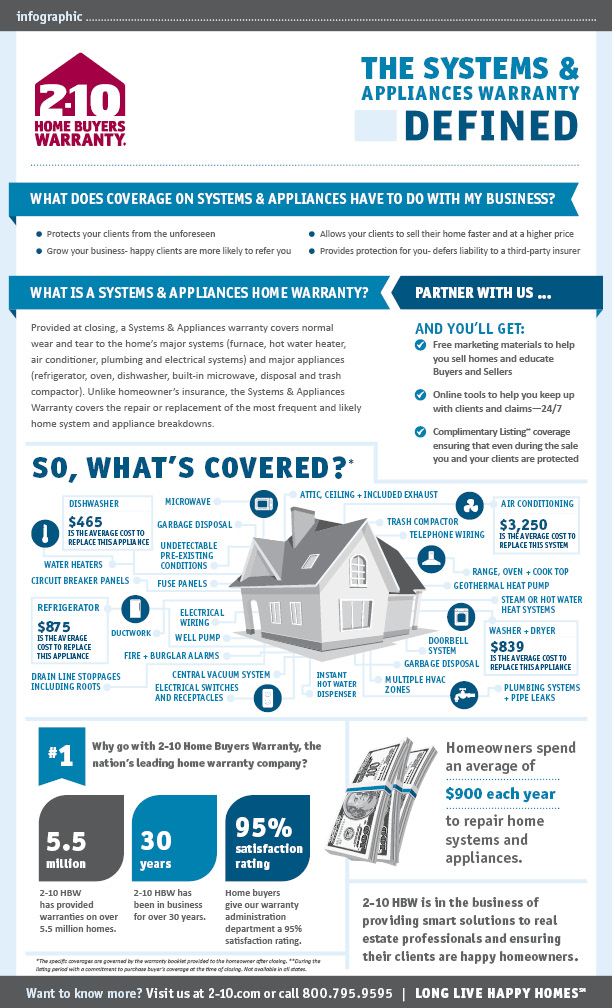
Beyond the structural components, the 2-10 Home Buyers Warranty offers service agreements that cover mechanical systems—such as HVAC, electrical, and plumbing—as well as major kitchen and laundry appliances. This is the portion of the warranty that homeowners utilize most frequently. When a furnace stops heating in the middle of winter or a dishwasher leaks, the warranty covers the repair or replacement costs, minus a pre-determined service fee. This transforms a potentially volatile, large-scale repair bill into a predictable, fixed expense, which is a hallmark of disciplined personal finance.
The Economics of Home Warranties as a Financial Tool
For the average household, home repairs are one of the most significant threats to emergency fund stability. A sudden failure of an HVAC unit or a water heater can cost several thousand dollars, forcing families to either tap into their investments, use high-interest credit cards, or delay necessary maintenance.
Managing Cash Flow Volatility
The primary financial benefit of a 2-10 home warranty is the smoothing of cash flow. By paying an annual premium for the warranty, the homeowner creates a “cap” on their out-of-pocket expenses for covered items. If a covered item fails, the homeowner pays a flat service fee to have a professional sent to the property. This turns a variable and unpredictable expense into a manageable fixed cost. For homeowners on a strict budget, this predictability is invaluable for keeping their personal balance sheet stable.
The “Cost of Ownership” Calculation
When deciding whether to purchase a home warranty, it is important to perform a cost-benefit analysis. Calculate the total annual premium cost plus the expected service fees for a typical year. Compare this against the age of your appliances and systems. If your home is equipped with a fifteen-year-old water heater, a twenty-year-old furnace, and aging plumbing, the probability of a mechanical breakdown within the next twelve months is high. In this scenario, the premium is likely lower than the actuarial cost of the expected repairs. Conversely, if all your systems were recently replaced and are under manufacturer warranties, the value proposition of a home warranty decreases.
Impact on Resale Value
A 2-10 Home Buyers Warranty can also act as a selling point. When putting a home on the market, offering a transferable home warranty provides peace of mind to potential buyers. It signals that the home has been well-maintained and that the seller is willing to back the condition of the property. From a market standpoint, this can reduce the time a home spends on the market and may even prevent price reductions that buyers often demand when they perceive the home’s systems to be near the end of their useful life.
Navigating Coverage Limitations and Exclusions
While the 2-10 warranty is a robust tool for personal finance, it is not a “magic bullet” that covers every eventuality. Understanding the exclusions is just as important as understanding the benefits.
Maintenance vs. Mechanical Failure
Most warranty providers, including 2-10, explicitly exclude repairs necessitated by a lack of maintenance. If an air conditioning unit fails because the owner failed to change the air filters for three years, leading to motor burnout, the claim may be denied. This is an important distinction: a warranty is intended to cover the natural failure of parts during standard operation, not the results of negligence. Consequently, the warranty should be viewed as a supplement to—not a replacement for—an annual home maintenance schedule.
Pre-existing Conditions
Another critical financial consideration is the status of items at the time the warranty is initiated. Most policies do not cover defects that existed prior to the policy start date. If a system is already broken or showing clear signs of failure when the warranty is purchased, it will not be covered. This is why many buyers opt for a home warranty during the real estate transaction process; it provides a clean slate for the home’s mechanical and structural systems.
Coverage Caps and Deductibles
Always scrutinize the contract for “coverage caps.” A policy might state it covers an HVAC repair, but there may be a dollar limit on the total payout per year or per item. If the repair cost exceeds that cap, the homeowner is responsible for the difference. Savvy financial management requires knowing exactly where your financial responsibility ends and the provider’s begins. Always read the “Terms of Service” to ensure you are comfortable with the specific limits on high-ticket items like whole-home HVAC replacement.
Strategic Implementation for Long-Term Wealth
Incorporating a 2-10 home warranty into your financial strategy requires looking at the home as an asset that must be protected. The goal is to minimize the “leakage” of funds due to unexpected maintenance, allowing you to focus your capital on wealth-building activities rather than emergency repairs.
When to Self-Insure
There is a point at which a homeowner might decide that a warranty is no longer the best financial choice. If you have a robust emergency fund specifically earmarked for home repairs—often recommended at 1% to 3% of the home’s value annually—you might choose to “self-insure.” In this scenario, you keep the money you would have spent on premiums in a high-yield savings account. If a repair is needed, you use those funds. If no repair is needed, you keep the money. A home warranty is best used by those who either lack the cash reserves to handle a major system failure or those who prefer the psychological peace of mind that comes with a fixed, predictable expense structure.

Final Considerations
The 2-10 Home Buyers Warranty is a financial instrument designed to mitigate the risks associated with property ownership. By shifting the burden of mechanical and structural failures to a third party, homeowners can protect their net worth from sudden, significant depletions. Whether you are a first-time buyer looking to protect your initial investment or a seasoned homeowner managing a portfolio of properties, understanding the scope, costs, and limitations of this coverage is a foundational element of sound personal finance and risk management. Always evaluate your specific situation—the age of your systems, your liquid savings, and your risk tolerance—before committing to a service contract. When used correctly, it is an effective tool for maintaining financial order in an unpredictable real estate market.
aViewFromTheCave is a participant in the Amazon Services LLC Associates Program, an affiliate advertising program designed to provide a means for sites to earn advertising fees by advertising and linking to Amazon.com. Amazon, the Amazon logo, AmazonSupply, and the AmazonSupply logo are trademarks of Amazon.com, Inc. or its affiliates. As an Amazon Associate we earn affiliate commissions from qualifying purchases.