
Saving money consistently is a cornerstone of financial security and achieving long-term wealth goals. While the concept might seem daunting, especially with fluctuating incomes and expenses, a methodical approach can transform your financial habits and build substantial savings over time. The key lies in understanding your financial landscape, making informed decisions, and committing to sustainable practices that align with your personal objectives. This article will guide you through actionable strategies to save money effectively, month after month.
Establish Your Financial Foundation
Before you can effectively save, you must first understand where your money goes. A solid financial foundation provides the clarity needed to identify opportunities for saving and to make deliberate choices about your spending.
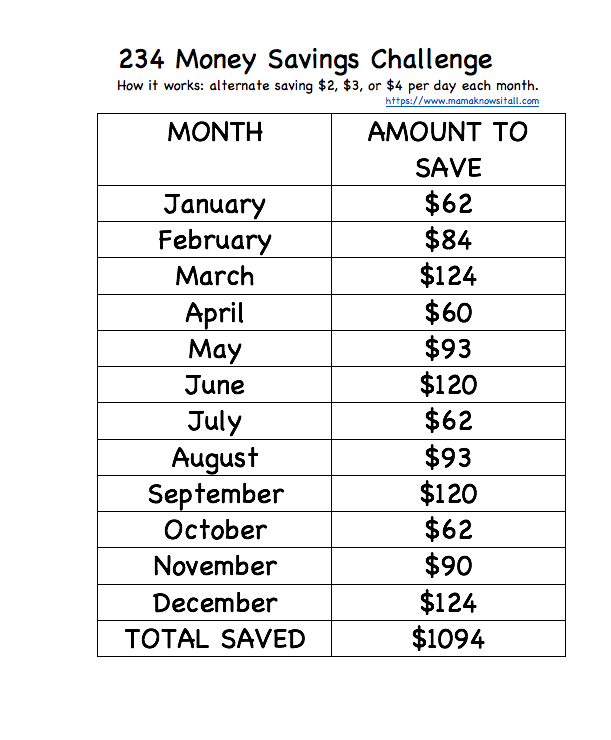
Budgeting: The Cornerstone of Savings
A budget is not a restrictive tool; it’s a financial roadmap that illuminates your income and expenses, allowing you to allocate your money intentionally. Start by listing all your sources of income for the month. Then, meticulously categorize all your expenses. Common categories include housing (rent/mortgage), utilities, transportation, food, entertainment, debt payments, and personal care. Many experts recommend the 50/30/20 rule: 50% of your income for needs, 30% for wants, and 20% for savings and debt repayment. While this is a good starting point, customize your budget to reflect your unique financial situation and priorities. The goal is to create a realistic snapshot that helps you see exactly where your money is flowing.
Track Your Spending Diligently
Creating a budget is the first step; adhering to it requires diligent tracking. Without monitoring your actual spending against your budgeted amounts, your budget becomes a theoretical exercise rather than a practical tool. Use a spreadsheet, a dedicated budgeting app, or even a simple notebook to record every transaction. This level of detail helps identify impulse purchases, forgotten subscriptions, or areas where your spending significantly exceeds your projections. Tracking reveals patterns and highlights areas ripe for adjustment. It’s a powerful feedback mechanism that reinforces financial discipline and makes you more accountable for your money choices.
Set Clear, Achievable Saving Goals
Saving without a purpose can feel aimless and lead to a lack of motivation. Define what you are saving for and set specific, measurable, achievable, relevant, and time-bound (SMART) goals. Are you saving for an emergency fund, a down payment on a house, a new car, retirement, or a vacation? Clearly articulating these goals makes saving tangible and provides a powerful incentive. For example, instead of “save more money,” aim for “save $5,000 for a down payment on a car in 12 months.” Break down large goals into smaller, monthly targets to make them less intimidating and easier to integrate into your budget.
Optimize Your Regular Expenses
Many of your largest monthly expenditures are also your most flexible. By strategically adjusting these recurring costs, you can free up significant funds for savings without feeling deprived.
Tackle Housing Costs
Housing is often the largest single expense. If you’re renting, consider if a more affordable living situation is an option when your lease is up. This could mean finding a smaller apartment, moving to a less expensive neighborhood, or getting a roommate. If you own your home, explore refinancing your mortgage to secure a lower interest rate or shorter term, which could reduce your monthly payments or the total interest paid over time. Even small changes, such as negotiating your rent renewal, can yield substantial savings over a year.
Reduce Transportation Outlays
Commuting costs, including fuel, public transport fares, insurance, maintenance, and car payments, can quickly add up. Evaluate your transportation habits. Can you carpool, use public transport more often, bike, or walk for shorter distances? If you own a car, shop around for better insurance rates annually. Consider if downgrading to a more fuel-efficient or less expensive vehicle is a viable option if your current car payments are a significant drain on your finances. Eliminating a second car, if feasible, can result in massive savings.
Smart Grocery Shopping and Meal Planning
Food expenses are a notorious budget buster. Implement strategies like meal planning for the week, creating a shopping list, and sticking to it rigidly at the grocery store. Avoid impulse buys by shopping when you’re not hungry and opting for generic brands where quality is comparable. Learn to cook more at home; dining out and ordering takeout are significantly more expensive than preparing meals yourself. Batch cooking and bringing lunch to work can save hundreds of dollars each month. Look for sales, use coupons, and minimize food waste to maximize your grocery budget.
Evaluate and Cut Unnecessary Subscriptions
In the digital age, subscription services for streaming, apps, gyms, and other memberships can silently erode your budget. Conduct a quarterly audit of all your subscriptions. Are you actively using all of them? Are there overlaps (e.g., multiple streaming services offering similar content)? Cancel anything you don’t frequently use or genuinely value. Consider rotating subscriptions, canceling one service for a few months and then re-subscribing later if you miss it, while trying another. Even small monthly fees add up to significant annual savings.
Lower Utility Bills
Small changes around the house can lead to noticeable reductions in utility bills. Be mindful of electricity usage by unplugging electronics, using energy-efficient light bulbs, and adjusting your thermostat. Insulate your home, seal drafts, and consider energy-efficient appliances if you’re in the market for replacements. Water conservation through shorter showers, fixing leaky faucets, and running full loads in washing machines and dishwashers also contributes to savings. Explore if your utility provider offers an energy audit or special programs to help reduce consumption.

Implement Smart Financial Habits
Beyond cutting expenses, cultivating proactive financial habits is crucial for consistent saving and long-term financial health. These practices automate your savings and protect your financial future.
Automate Your Savings
One of the most effective ways to ensure you save money is to make it automatic. Set up an automatic transfer from your checking account to your savings account immediately after you get paid. Even a small, consistent amount, like $50 or $100, can accumulate significantly over time. This “set it and forget it” approach removes the temptation to spend the money and builds a disciplined saving habit without requiring conscious effort each time. Treat your savings contribution as a non-negotiable expense, just like rent or utilities.
Embrace the “Pay Yourself First” Principle
This principle is closely related to automating savings. It means prioritizing your savings before you allocate money to any other expenses or wants. Instead of spending what’s left after bills and discretionary spending, you first dedicate a portion of your income to your savings and investments. This ensures that your financial future is always a priority and prevents situations where there’s “no money left” for saving. This mindset shift empowers you to build wealth proactively.
Review and Refinance High-Interest Debt
High-interest debt, such as credit card balances, can severely impede your ability to save. The interest payments consume a significant portion of your income, leaving less for other financial goals. Prioritize paying down these debts aggressively. Explore options like balance transfer cards with 0% introductory APRs, personal loans with lower interest rates to consolidate debt, or credit counseling services. Reducing or eliminating high-interest debt frees up cash flow that can then be redirected to savings.
Build an Emergency Fund
An emergency fund is a critical component of financial stability. It’s a readily accessible savings account designed to cover unexpected expenses like job loss, medical emergencies, or significant home/car repairs. Aim to save at least three to six months’ worth of essential living expenses. Having this buffer prevents you from dipping into long-term savings or accumulating high-interest debt when unforeseen events occur, allowing your other savings goals to remain on track.
Leverage Financial Tools and Apps
Modern technology offers a plethora of tools to assist with saving. Budgeting apps like Mint, YNAB (You Need A Budget), or Personal Capital can help you track spending, set budgets, and monitor your financial goals. Investment apps like Acorns or Betterment can help automate micro-investments or create diversified portfolios, even with small contributions. Many banking apps also offer features like round-up savings or personalized spending insights. Utilize these tools to gain greater visibility into your finances and automate aspects of your saving strategy.
Explore Opportunities for Increased Income & Savings
While cutting expenses is vital, exploring ways to increase your income or make smarter financial choices can accelerate your saving efforts and provide greater financial flexibility.
Consider a Side Hustle
If your current income makes saving challenging, consider picking up a side hustle. This could be anything from freelancing in your area of expertise, driving for a ride-sharing service, delivering food, pet-sitting, or selling crafts online. Even a few extra hundred dollars a month can significantly boost your savings rate, especially if you dedicate all side hustle income directly to your savings goals. It provides an additional stream of income without necessarily increasing your fixed expenses.
Negotiate for Better Deals
Don’t be afraid to negotiate. This applies to various aspects of your financial life. Call your internet, cable, or cell phone provider periodically to inquire about better plans or promotional rates. Negotiate your salary or ask for a raise at work based on your performance and market value. Even when making large purchases, negotiation can yield significant savings. A little assertiveness can go a long way in reducing your outgoing cash.
Take Advantage of Employee Benefits and Discounts
Many employers offer valuable benefits that can save you money. This includes health savings accounts (HSAs) or flexible spending accounts (FSAs) for medical expenses, retirement plans with employer matching contributions (which is essentially free money), and employee discount programs. Make sure you’re fully utilizing any benefits available to you. Similarly, look for discounts offered by credit card companies, membership organizations, or loyalty programs that you already belong to.

Periodic Financial Reviews
Your financial situation is not static. Life changes, income fluctuates, and goals evolve. Make it a habit to conduct a comprehensive financial review at least once a quarter, or annually. Revisit your budget, assess your progress toward your savings goals, and adjust your strategies as needed. This ensures your financial plan remains relevant and effective, continually optimizing your ability to save money each month. Consistent review and adaptation are hallmarks of successful personal finance management.
aViewFromTheCave is a participant in the Amazon Services LLC Associates Program, an affiliate advertising program designed to provide a means for sites to earn advertising fees by advertising and linking to Amazon.com. Amazon, the Amazon logo, AmazonSupply, and the AmazonSupply logo are trademarks of Amazon.com, Inc. or its affiliates. As an Amazon Associate we earn affiliate commissions from qualifying purchases.