
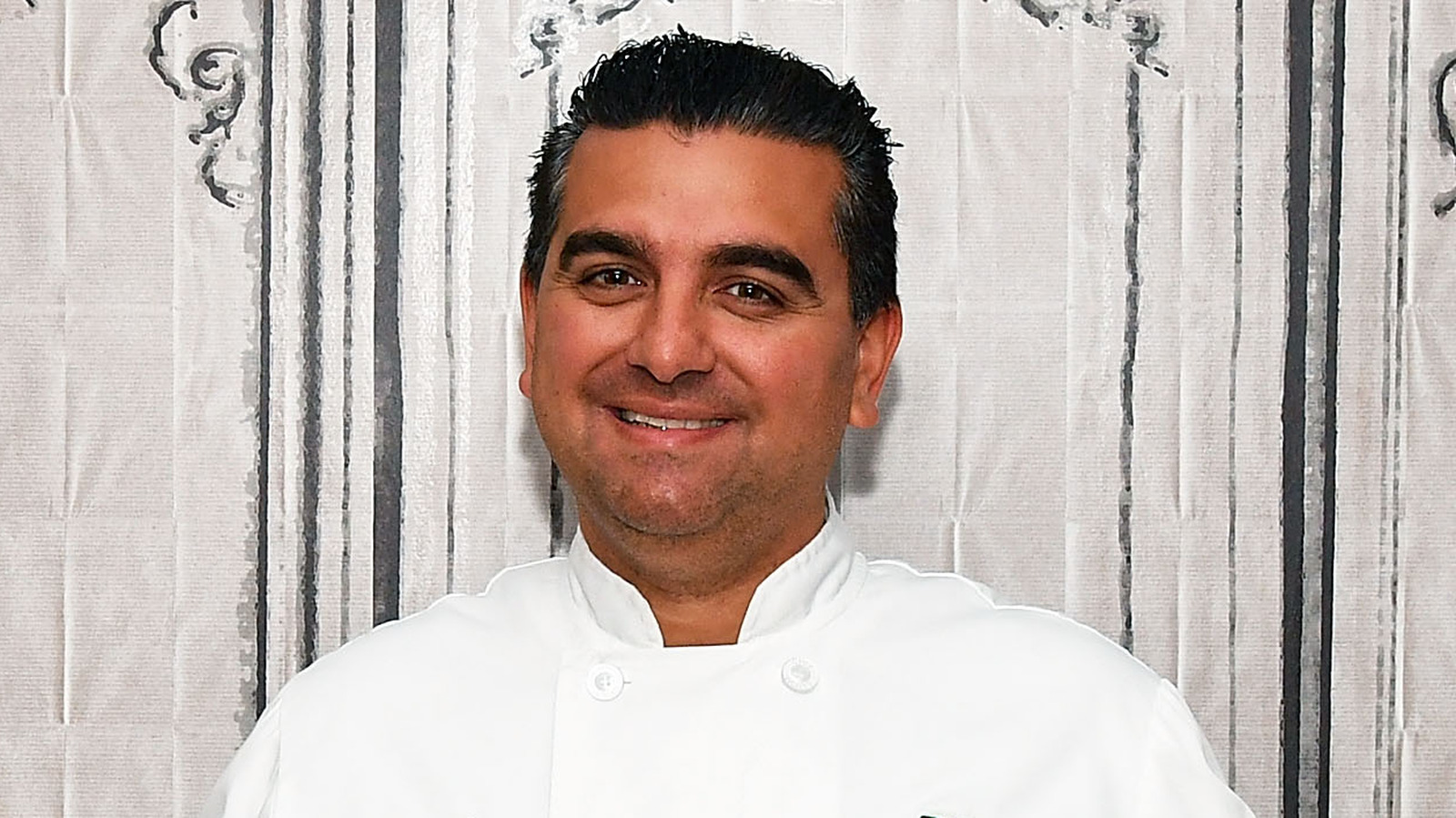
The trajectory of Buddy Valastro, globally recognized as the “Cake Boss,” serves as one of the most compelling case studies in modern personal branding. From the humble confines of Carlo’s Bakery in Hoboken, New Jersey, to a multi-channel media empire, Valastro’s journey illustrates the complex mechanics of building, maintaining, and pivoting a personal brand in the digital age. Understanding the shifts in his professional life requires an analysis of brand equity, audience engagement strategies, and the transition from traditional media dominance to the influencer-driven landscape of the 2020s.

The Foundation of a Brand: The Television Era
Before the saturation of social media, the “Cake Boss” brand was built on the bedrock of traditional television. The success of the TLC series was not merely a result of culinary skill; it was a masterful execution of a relatable persona. Buddy Valastro occupied a specific archetype: the authentic, hardworking, family-oriented artisan who balanced immense pressure with a sense of humor.
Authenticity as a Market Differentiator
In the branding world, authenticity is the highest currency. Valastro’s brand was successful because it felt unscripted, even when it wasn’t. The “Cake Boss” became synonymous with the “American Dream” narrative—a second-generation immigrant working in a family business, scaling it through grit and charisma. This narrative allowed the brand to transcend the culinary niche. By positioning himself as the protagonist of a family drama rather than just a baker, Valastro created deep emotional resonance with viewers.
Scaling the Physical Brand
The television show acted as a global marketing engine for Carlo’s Bakery. The brand strategy here was “geographic expansion through media awareness.” By turning a local neighborhood bakery into a global destination, Valastro demonstrated how personal branding could drive physical, high-volume retail traffic. Tourists flocked to Hoboken, not just for the cannoli, but to engage with the brand identity they had consumed on television.
Navigating the Shift: Digital Disruption and Personal Brand Evolution
As the television landscape fractured and streaming services rose, the “Cake Boss” brand faced the same existential challenge as many legacy media personalities: how to remain relevant in an algorithm-driven economy. The pivot from television to a digital-first strategy represents a critical shift in his corporate identity.
Transitioning to Content-Led Branding
Valastro’s adaptation to platforms like Instagram, TikTok, and YouTube was not a passive attempt to follow trends but a strategic redirection of his brand equity. He realized that the audience he had built on television was now migrating to shorter, more interactive formats. The key to this transition was the move from “produced content” to “lifestyle content.” He began showing the behind-the-scenes reality of his business operations, which reinforced the authenticity he had cultivated on TV while making him accessible to a younger demographic.
Monetization and Brand Partnerships
The brand evolved from purely artisanal to commercially diverse. Valastro began leveraging his personal brand to move into high-volume consumer goods, including frozen desserts and kitchen appliances. This is a classic example of moving from “service-based personal branding” (selling his time and specialized cakes) to “product-based personal branding” (scaling his likeness through licensed products). By detaching the brand from his physical presence in the kitchen, he successfully transitioned from a baker to a brand ambassador and corporate entity.
The Resilience Factor: Overcoming Physical and Market Setbacks
A major test for any personal brand is how it handles adversity. When Buddy Valastro suffered a severe hand injury in 2020, it threatened the very foundation of his brand—the physical act of baking. However, the subsequent management of this crisis provides a masterclass in brand resilience and narrative control.
Crisis Management and Humanization
Rather than retreating from the public eye, Valastro leaned into the vulnerability of his situation. He shared the recovery process with his followers, turning a potential career-ending injury into a journey of recovery and inspiration. By being transparent about his physical limitations, he fostered a sense of loyalty among his audience that a curated, “perfect” brand could never achieve. This period served to humanize him further, deepening the connection with his fanbase and proving that a strong brand is not just about the product, but the person behind it.
Adapting Operations for Sustainability
The injury also served as a catalyst for institutionalizing the business. By necessity, he had to trust his team to execute the creative vision, which moved the brand away from being “the Buddy show” toward being a sustainable enterprise. This shift is common in mature personal brands: the transition from the individual as the sole engine of production to the individual as the face of a scalable organization.
The Future of the “Cake Boss” Brand Identity
Looking at where the brand stands today, it is clear that Valastro has successfully navigated the “second act” of his career. He has moved beyond the constraints of a single television show to become a multi-faceted personality within the lifestyle and culinary space.
Lessons in Longevity
The primary lesson from the “Cake Boss” trajectory is the necessity of agility. A personal brand cannot remain static; it must evolve with the consumption habits of the audience. Valastro’s ability to move from a niche baker to a reality TV star, and eventually to a digital content creator and product tycoon, showcases the importance of diversifying one’s brand assets.

Strategic Implications for Personal Branding
For those observing his career from a brand strategy perspective, the key takeaway is the power of a “sticky” narrative. People buy into a personality, not just a product. By keeping the “family and hard work” narrative consistent across every medium—from television to social media to retail shelves—Valastro has ensured that his brand identity is recognizable, regardless of the platform.
The “Cake Boss” is no longer just a man in an apron; he is a recognizable, scalable, and resilient brand entity. While the intensity of his presence in the cultural zeitgeist has fluctuated with the changing media landscape, the fundamental strength of his personal brand remains high. He has demonstrated that while trends may fade and mediums may change, a brand built on a core, consistent narrative of hard work and family values can withstand the pressures of time and industry shifts. As he continues to expand into new markets and platforms, the blueprint he has laid out serves as a significant guide for any professional looking to turn their craft into a long-lasting, multifaceted commercial enterprise.
aViewFromTheCave is a participant in the Amazon Services LLC Associates Program, an affiliate advertising program designed to provide a means for sites to earn advertising fees by advertising and linking to Amazon.com. Amazon, the Amazon logo, AmazonSupply, and the AmazonSupply logo are trademarks of Amazon.com, Inc. or its affiliates. As an Amazon Associate we earn affiliate commissions from qualifying purchases.