
In the intricate world of personal and business finance, certain identifiers serve as crucial lynchpins for smooth, secure transactions. Among these, the bank routing number stands out as a fundamental piece of information, essential for everything from direct deposits to online bill payments. Often overlooked until needed, understanding what a routing number is and, more importantly, how to readily locate it, can save you significant time and prevent costly financial errors. This guide delves into the significance of your bank’s routing number, providing clear, actionable steps to find it, along with insights into its various applications and common pitfalls to avoid within the realm of financial management.

Understanding the Routing Number: Your Financial GPS
The routing number, also known as an ABA (American Bankers Association) routing transit number, is a nine-digit code that identifies the specific financial institution responsible for processing a payment. It’s akin to a postal code for your bank, directing funds to the correct financial establishment before they are then routed to your individual account.
What Exactly is a Routing Number?
At its core, a routing number is a unique identifier assigned by the ABA to each financial institution in the United States. Its primary purpose is to facilitate the electronic transfer of funds between banks, ensuring that money sent via checks, wire transfers, and automated clearing house (ACH) transactions reaches the intended recipient bank. The structure of the nine digits encodes information about the bank’s location and processing center, enabling the swift and accurate movement of billions of dollars daily across the national financial network. While every bank has at least one routing number, larger banks with multiple branches or different types of accounts might have several, each corresponding to a specific geographic region or a particular type of transaction.
Why is Your Routing Number Indispensable?
Your routing number is far more than just a sequence of digits; it’s a critical component for a vast array of financial operations that underpin modern economic life. Without it, direct deposits from your employer wouldn’t land in your account, your automated utility payments would fail, and you wouldn’t be able to send or receive funds electronically. It’s also vital for setting up automatic transfers between your own accounts at different banks, initiating wire transfers for larger sums, and even for paying taxes electronically. In essence, any transaction that involves moving money from one financial institution to another within the U.S. typically requires a routing number. Its indispensability highlights its role as a silent workhorse in maintaining the fluid movement of capital in today’s financial ecosystem.
Primary Methods for Locating Your Routing Number
Finding your routing number is usually straightforward, with several reliable sources at your disposal. Knowing where to look can help you quickly access this crucial information when setting up new financial services or making important transactions.
On Your Checkbook or Deposit Slips
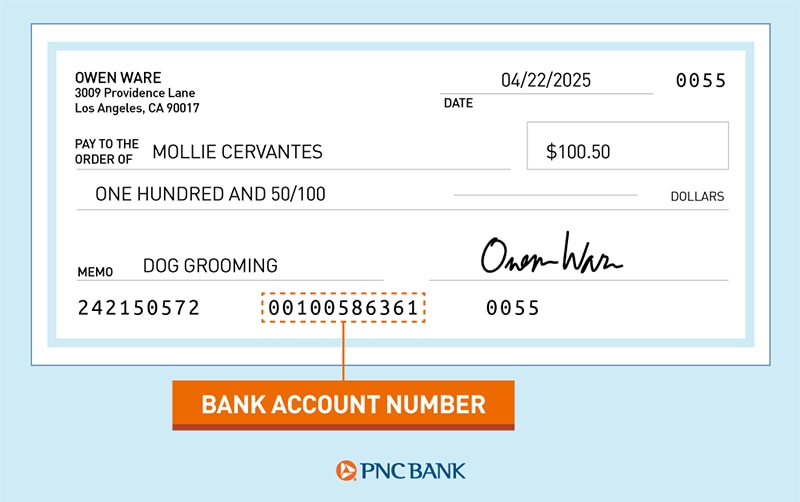
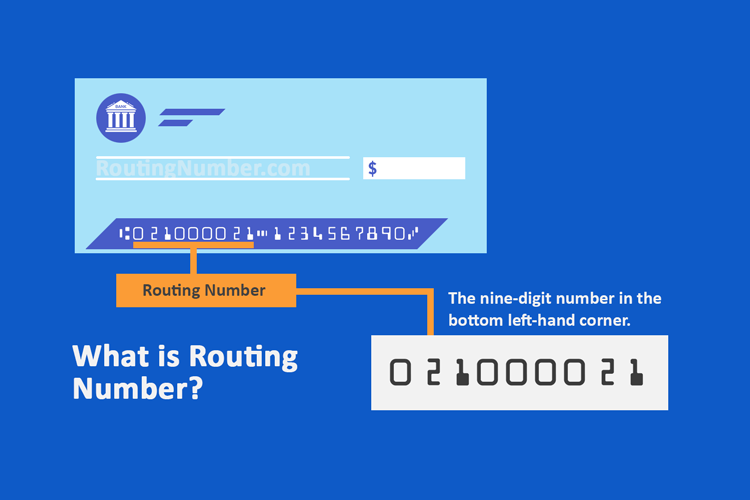
One of the most traditional and readily accessible places to find your routing number is directly on your paper checks or deposit slips. For standard personal checks, the routing number is the first set of nine digits printed at the bottom left-hand corner. It typically precedes your account number, which is usually the middle set of digits, followed by the check number. It’s crucial to differentiate these three sets of numbers to avoid mistakes. Deposit slips also display this information, often in a similar format. This method is particularly useful if you frequently use checks or have a physical checkbook handy. Always double-check that you are indeed looking at the routing number and not confusing it with your account number, as they are often printed in close proximity.
Through Your Online Banking Portal
In the digital age, your online banking portal is an indispensable resource for managing your finances, and it’s also one of the easiest ways to locate your routing number. Once you log into your bank’s website or mobile app, navigate to your account details or profile section. Most banks clearly display the routing number associated with each of your accounts, often alongside your account number and current balance. Look for sections like “Account Summary,” “Account Information,” “Direct Deposit Information,” or “Statements & Documents.” If you have multiple accounts, ensure you’re viewing the correct account’s details, as routing numbers can sometimes vary even within the same bank, especially for different types of accounts or if the bank operates in multiple regions. This method offers the convenience of immediate access from anywhere with an internet connection.
Consulting Your Bank Statements
Your monthly bank statements, whether paper or electronic, are another reliable source for your routing number. On a physical statement, you’ll typically find the routing number printed near your account number, often at the top or bottom of the statement, sometimes within a “Account Details” or “Important Information” section. If you receive e-statements, you can usually download a PDF version through your online banking portal. The routing number will be clearly visible on the digital document, just as it would be on a paper statement. Reviewing your bank statement not only provides the routing number but also gives you an opportunity to review your transactions and balances, serving a dual purpose in financial management. Make sure you are using a recent statement, although routing numbers rarely change, it’s always best practice to use the most current information available.
Direct Contact with Your Bank
If you’re unable to find your routing number using the methods above, or if you prefer direct confirmation, contacting your bank is always a foolproof option. You can call your bank’s customer service line; the number is typically found on the back of your debit card, on your bank statements, or on the bank’s official website. When you call, be prepared to verify your identity by providing personal information such as your account number, date of birth, or social security number. Alternatively, you can visit a local branch in person. A bank teller will be able to provide you with the correct routing number for your specific account. This method ensures accuracy, especially if you have unique account types or are unsure about regional variations. While potentially less convenient than online methods, it offers the highest level of certainty.
Specific Situations and Advanced Tips
While the primary methods cover most scenarios, certain situations might require specific considerations when identifying your routing number. Understanding these nuances can prevent delays and ensure your transactions are processed correctly.
Finding Routing Numbers for Wire Transfers vs. ACH
It’s crucial to understand that while a bank may have a single routing number for most Automated Clearing House (ACH) transactions (like direct deposits and electronic bill payments), it might use a different routing number for domestic or international wire transfers. Wire transfers typically involve larger sums and a more immediate transfer of funds, requiring a distinct set of protocols and often a different routing number to ensure enhanced security and precise routing. Always clarify with your bank whether the routing number you have is appropriate for the specific type of transfer you intend to make. For international wire transfers, you’ll also likely need a SWIFT/BIC code, which is an international standard identifier, in addition to the routing number of the correspondent bank in the U.S. if the transfer is routed through an American institution. This distinction is vital for avoiding returned transfers and associated fees.
Using Third-Party Resources and Their Limitations
Several websites offer tools to look up bank routing numbers by bank name or geographic location. While these resources can be helpful for general information, they should be used with caution. The information provided by third-party sites might not always be up-to-date, especially if a bank has recently merged, changed its structure, or updated its routing number assignments. Relying solely on these external sources for critical financial transactions can lead to errors. It is always best practice to verify any routing number obtained from a third-party site against official bank sources—your check, online banking portal, statement, or direct confirmation from the bank—to ensure accuracy and prevent potential processing delays or misdirected funds. Accuracy is paramount in financial transactions.
What if You Have Multiple Accounts or Banks?
If you maintain multiple accounts, whether checking, savings, or money market, even within the same bank, it’s important not to assume they all share the same routing number. While often they do, particularly for basic checking and savings, some banks assign different routing numbers based on account type or the branch where the account was opened. Similarly, if you bank with multiple financial institutions, each will naturally have its own distinct routing number(s). Always verify the specific routing number for the exact account you intend to use for a transaction. Confusion between accounts or banks is a common source of routing number errors. A quick check of your online banking details for each specific account is the most reliable way to confirm.
Common Pitfalls and Best Practices
Navigating financial transactions requires precision. Understanding common mistakes and adhering to best practices related to routing numbers can safeguard your funds and streamline your financial operations.
Verifying the Accuracy of Your Routing Number
The importance of verifying your routing number cannot be overstated. An incorrect routing number can lead to delays in transactions, funds being sent to the wrong bank, or even the return of funds with associated fees. Before finalizing any transaction that requires a routing number, take a moment to double-check the nine digits. Compare it against your check, your online banking portal, or a recent bank statement. If you’re providing it to an employer for direct deposit or to a biller for automated payments, always confirm with a second source. A simple error in one digit can have significant repercussions, making verification a non-negotiable step in responsible financial management.
The Importance of Security and Fraud Prevention
While your routing number is not as sensitive as your account number or Social Security number, it still represents a gateway to your financial institution. It’s generally considered public information, and its exposure alone is unlikely to lead to direct financial fraud without other accompanying details. However, when combined with your account number, it becomes potent. Always be cautious when sharing this information, especially through unsecured channels like unencrypted emails or unverified websites. Protect your checks and bank statements from unauthorized access. Be wary of phishing attempts or scams that ask for your banking details, including your routing number, under suspicious circumstances. Practicing good digital hygiene and exercising skepticism toward unsolicited requests for financial information are key components of fraud prevention.
Differentiating Between Routing and Account Numbers
A common mistake individuals make is confusing their routing number with their account number. While both are critical for financial transactions and are often printed together on checks and statements, they serve distinct purposes. The routing number identifies your bank, directing the funds to the correct institution. The account number, on the other hand, identifies your specific individual account within that bank, ensuring the funds are credited to the right person. On a standard check, the routing number is typically the left-most nine-digit code, while the account number is the longer sequence in the middle. Always ensure you are providing the correct number for the required field; providing an account number where a routing number is requested, or vice versa, will inevitably lead to a failed transaction.
Leveraging Your Routing Number in Financial Transactions
Once you’ve confidently located your routing number, you unlock a world of convenient and efficient financial transactions that are integral to modern money management.
Setting Up Direct Deposits and Automated Payments
One of the most common and beneficial uses of your routing number is for setting up direct deposits. This allows your employer, government agencies (for tax refunds or benefits), or other payers to electronically deposit funds directly into your bank account, bypassing paper checks. Similarly, your routing number is essential for establishing automated payments for bills like utilities, rent, loan installments, or subscriptions. By linking your account with vendors, you ensure timely payments, avoid late fees, and simplify your financial life. These automated processes rely heavily on the precise routing of funds, which is facilitated by your routing number, connecting the payer’s bank to yours.
Facilitating Online Bill Payments and Transfers
Beyond automated recurring payments, your routing number enables one-time online bill payments directly from your bank account to various service providers. Whether you’re paying a credit card bill, a medical expense, or an online purchase, providing your routing and account numbers allows for a secure and direct transfer of funds. Furthermore, it’s critical for initiating transfers between your own accounts at different banks, or for sending money to friends and family who bank elsewhere. Many peer-to-peer payment platforms and bank-to-bank transfer services utilize these numbers behind the scenes to ensure funds are correctly moved from one financial institution to another.
International Transfers and Correspondent Banks
For those engaged in international financial activities, the routing number plays a role in incoming international transfers to U.S. bank accounts, especially if the funds are routed through an American correspondent bank. While SWIFT/BIC codes are the primary identifiers for international transfers, a U.S. routing number may still be required by the foreign sending bank or an intermediary U.S. bank to finalize the transfer into your specific account. Understanding how your bank handles international transfers, and which routing number (if any) is needed in conjunction with SWIFT codes, is crucial for receiving funds from abroad efficiently. Always consult your bank for specific instructions regarding international remittances to ensure smooth processing.
Locating your bank’s routing number is a fundamental aspect of effective financial management. By understanding its purpose and knowing the various reliable methods to find it, you empower yourself to navigate a wide range of personal and business transactions with confidence and accuracy. Keep this vital piece of financial information accessible and verified, and you’ll streamline your banking activities and minimize the potential for errors in the ever-evolving landscape of digital finance.
aViewFromTheCave is a participant in the Amazon Services LLC Associates Program, an affiliate advertising program designed to provide a means for sites to earn advertising fees by advertising and linking to Amazon.com. Amazon, the Amazon logo, AmazonSupply, and the AmazonSupply logo are trademarks of Amazon.com, Inc. or its affiliates. As an Amazon Associate we earn affiliate commissions from qualifying purchases.