
A Flexible Spending Account (FSA) is a powerful tool designed to help you manage healthcare expenses more affordably. It allows you to set aside pre-tax money for qualified medical, dental, and vision care costs. However, the specifics of what qualifies can often be a source of confusion. This article will demystify FSA eligibility, drawing insights from the domains of technology, branding, and personal finance to help you maximize your FSA benefits and make informed spending decisions.
Unlocking the Power of Your FSA: Beyond the Basics
The fundamental principle of an FSA is to reduce your taxable income, meaning the money you contribute isn’t subject to federal, state, or Social Security taxes. This can lead to significant savings over time, especially if you have regular healthcare needs. While common expenses like co-pays, deductibles, and prescription medications are straightforwardly covered, the landscape of FSA-eligible items is broader than many realize. Understanding these nuances is key to not letting your hard-earned FSA funds go to waste.
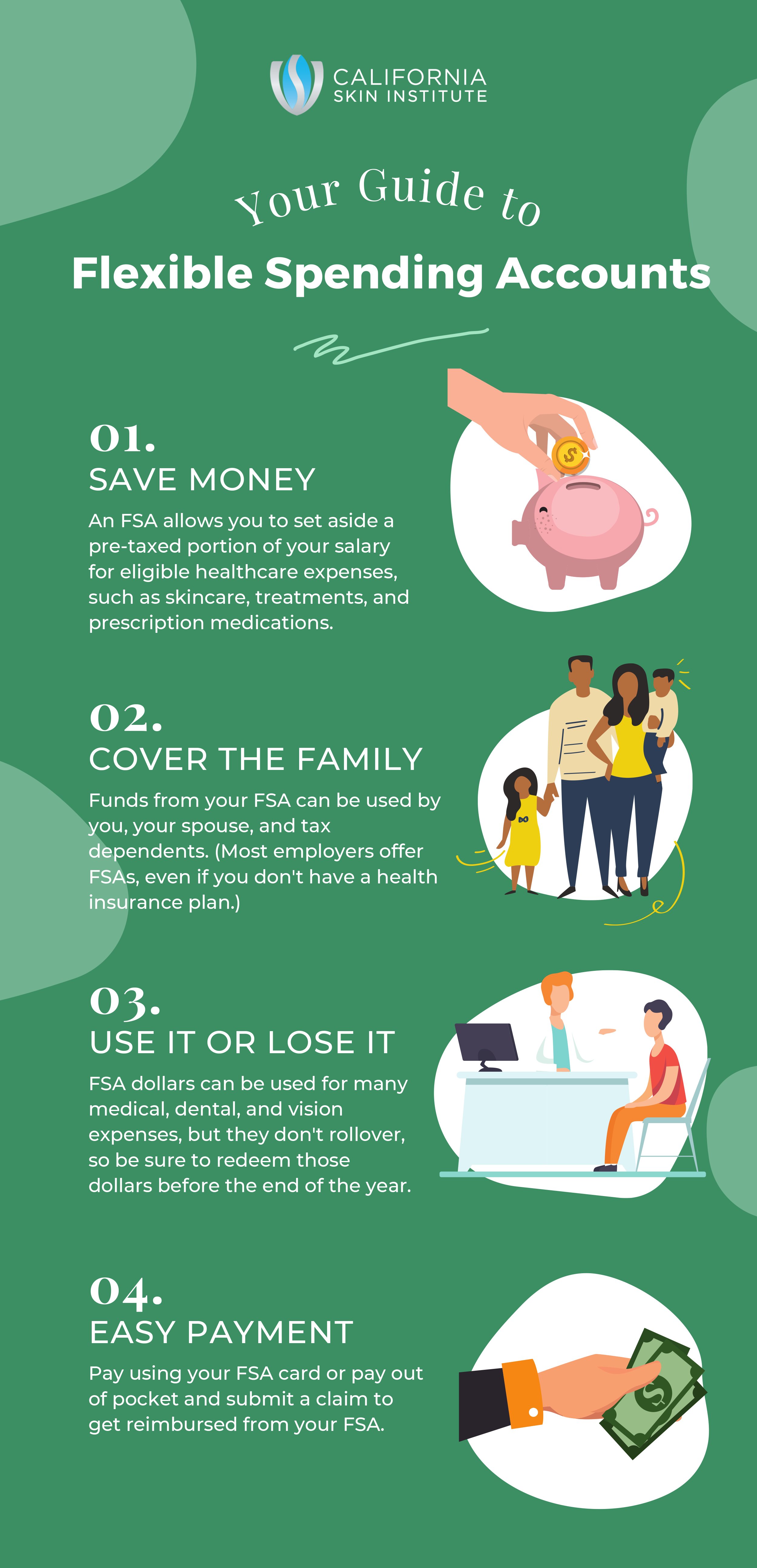
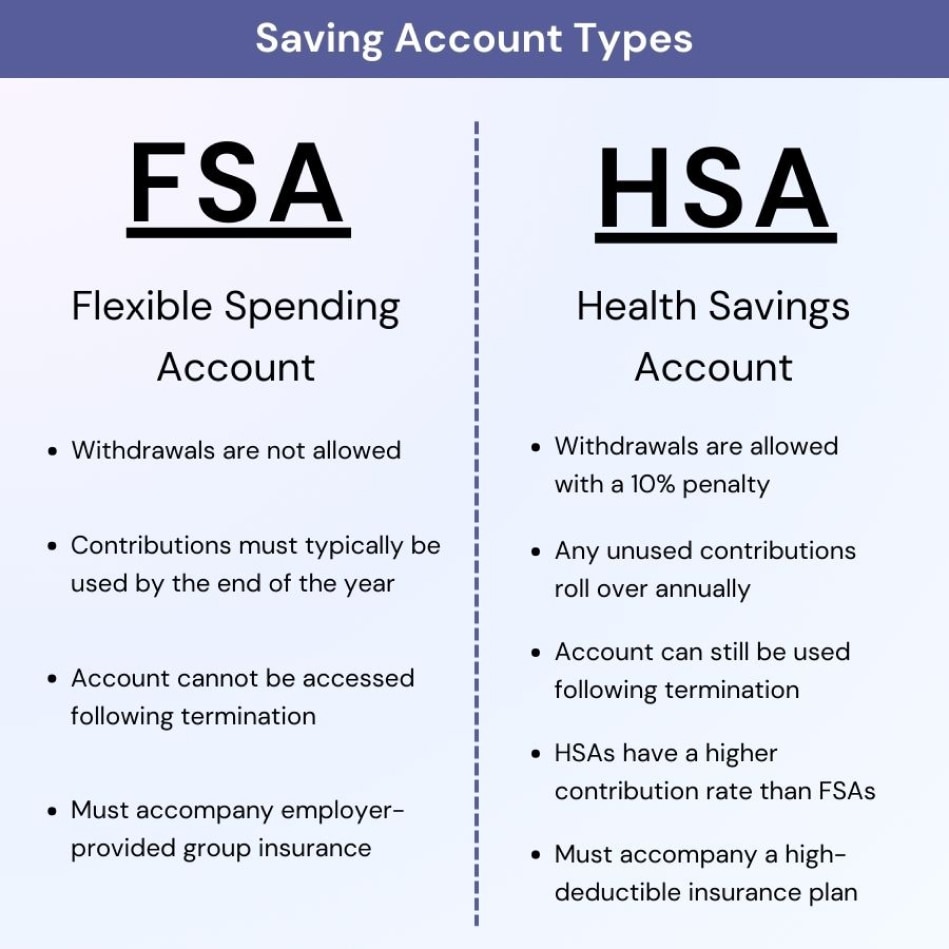
FSA funds are typically “use-it-or-lose-it” within a plan year, though some employers offer a grace period or a limited carryover to the next year. This underscores the importance of proactive planning and understanding what your FSA can truly cover.
Navigating the Maze of Eligible Expenses: A Categorical Breakdown
To make the most of your FSA, it’s crucial to understand the categories of expenses it typically covers. These generally fall into a few broad areas, with specific items often requiring a Letter of Medical Necessity (LMN) from your doctor.
Medical, Dental, and Vision Care: The Core Offerings
This is the most common and well-understood category. It includes a wide range of services and items essential for maintaining your health and well-being.
- Doctor Visits and Co-pays: Any out-of-pocket costs for visits to your primary care physician, specialists, or emergency room.
- Prescription Medications: Both prescription drugs and over-the-counter (OTC) medications that require a prescription. This can include allergy medications, pain relievers, and even some vitamins if deemed medically necessary by your doctor.
- Dental Care: Routine check-ups, cleanings, fillings, crowns, braces, and other orthodontic treatments. This also extends to dental insurance premiums if paid with post-tax dollars.
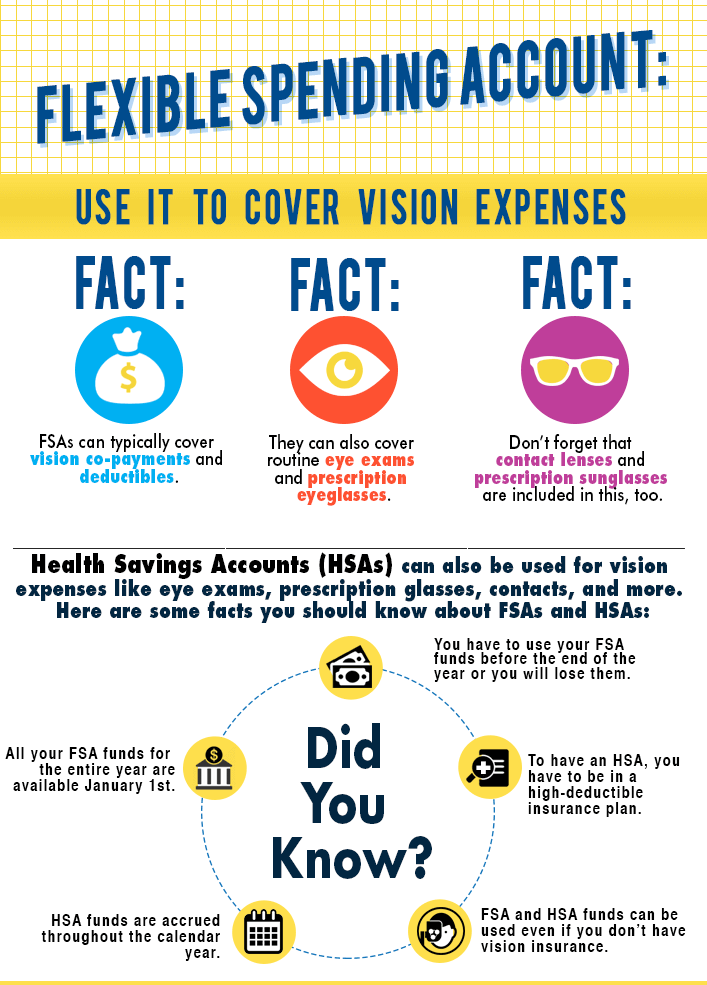
- Vision Care: Eye exams, contact lenses, prescription eyeglasses, and even lens solutions. Sunglasses are generally not covered unless prescribed by a doctor for a specific medical condition like light sensitivity.
- Hospital Services: Inpatient and outpatient hospital care, including surgery, lab tests, and medical supplies.
- Therapies: Physical therapy, occupational therapy, speech therapy, and mental health counseling.
- Medical Equipment: Crutches, bandages, slings, blood sugar monitoring kits, and other essential medical devices.
Embracing Wellness and Prevention: Expanding Your FSA Horizons
The definition of “medical care” has broadened significantly, encompassing items and services that contribute to your overall well-being and preventative health. This is where understanding how your FSA aligns with broader health trends becomes increasingly relevant.
Technology-Enabled Health and Wellness
The intersection of technology and healthcare is a rapidly expanding area for FSA spending. As digital health tools become more sophisticated and accessible, many are now recognized as eligible expenses.
- Wearable Health Trackers: Devices like smartwatches and fitness trackers that monitor vital signs, sleep patterns, and activity levels can be FSA-eligible if they are deemed to be primarily for monitoring a diagnosed medical condition. For example, if you have a heart condition, a smartwatch that tracks your heart rate and alerts you to irregularities might qualify. You may need an LMN to justify this purchase.
- Telehealth Services and Apps: While your insurance might cover telehealth appointments, some platforms and apps that facilitate remote consultations or offer health-related monitoring can be FSA-eligible. This is particularly true for mental health or chronic condition management platforms.
- Digital Health Monitoring Devices: Devices that help you track specific health metrics at home, such as blood pressure monitors, glucose meters, and even smart scales that track body composition, can be eligible, especially if prescribed or recommended by your doctor for managing a health condition.
- Apps for Specific Health Conditions: Certain mobile applications designed to manage chronic conditions like diabetes, asthma, or mental health disorders may be eligible. Again, an LMN is often required, emphasizing the therapeutic purpose of the app.
- Home Health Monitoring Equipment: This can include devices like pulse oximeters or specialized monitoring systems for sleep apnea, provided they are for diagnostic or treatment purposes related to a medical condition.
Investing in Your Future Health: Preventative and Diagnostic Tools
Beyond immediate treatment, FSAs can be used for proactive measures that contribute to long-term health.
- Health Screenings and Diagnostic Tests: Beyond regular check-ups, specialized screenings like mammograms, colonoscopies, and certain genetic tests can be covered.
- Smoking Cessation Programs: Products and programs designed to help you quit smoking, including nicotine patches, gum, and specialized counseling services, are often FSA-eligible.
- Weight Loss Programs: This is a nuanced category. Programs that are solely for general weight loss are typically not covered. However, if weight loss is prescribed by a doctor to treat a specific medical condition, such as diabetes or heart disease, the program, including membership fees and specific food items (if part of the program), may be eligible. This almost always requires an LMN.
- Nutritional Counseling: Consultations with a registered dietitian or nutritionist, particularly when recommended for managing a medical condition, can be covered.
Beyond the Obvious: Creative and Less Common FSA Uses
The flexibility of FSAs extends to a surprising range of items that might not immediately come to mind. This is where thinking outside the box, and understanding the “medical necessity” aspect, can unlock significant savings.
Branding Your Health for Success: The Personal Angle
While not directly about spending FSA funds, the principles of “brand” and “reputation” can be applied to how you manage your healthcare. Just as a strong brand builds trust and recognition, a proactive and well-managed approach to your health builds a foundation for a long and productive life. Thinking about your health holistically, and utilizing your FSA to support that vision, is a form of investing in your personal brand as a healthy and capable individual.
- Premiums for Specific Health Insurance: In some cases, you can use FSA funds to pay for health insurance premiums, particularly if you are self-employed or have a COBRA continuation plan. This needs to be verified with your FSA administrator.
- Commuting Costs for Medical Care: If you have to travel a significant distance to receive medical treatment, the mileage and parking fees associated with those trips can be eligible expenses. This often requires documentation and may be subject to IRS limits.
- Lactation Supplies: Breast pumps and other breastfeeding supplies are generally eligible expenses, supporting new mothers.
- Care for Dependents with Specific Needs: If you have a dependent with a chronic illness or disability, FSA funds can be used for expenses related to their care, such as specialized medical equipment or therapy.
Leveraging Money Smarts: Maximizing Your FSA Returns
Understanding your FSA is not just about what you can buy, but also about how you manage that money effectively. This is where the principles of personal finance become paramount.
Proactive Planning and Budgeting for Healthcare
The “use-it-or-lose-it” nature of FSAs necessitates careful planning. This is where applying personal finance strategies to your healthcare spending can prevent waste and maximize savings.
- Estimating Your Healthcare Needs: At the beginning of your plan year, take stock of your anticipated medical, dental, and vision expenses. Consider any upcoming procedures, regular medications, or known conditions that might require ongoing treatment.
- Tracking Your Spending: Regularly monitor your FSA balance and your spending. This will help you stay on track and ensure you’re using your funds efficiently. Many FSA administrators offer online portals or apps for this purpose.
- Understanding Rollover and Grace Period Policies: Familiarize yourself with your employer’s specific FSA policies regarding unused funds. Knowing if you have a grace period or a limited carryover can influence your spending decisions towards the end of the year.
- Consulting with Your FSA Administrator: Don’t hesitate to reach out to your FSA administrator with any questions about eligible expenses or specific plan rules. They are your primary resource for accurate information.
The Power of Documentation: Making Your Case for Eligibility
For many less common or technology-based FSA expenses, proper documentation is key. This is where being meticulous with your records can pay off.
- Keeping Receipts and EOBs: Always retain detailed receipts for all your FSA purchases. Explanation of Benefits (EOBs) from your insurance company can also be crucial documentation.
- Obtaining Letters of Medical Necessity (LMNs): As mentioned, for many items that aren’t immediately obvious medical expenses (like certain tech gadgets or weight loss programs), an LMN from your doctor is often required. This letter should explain why the item or service is medically necessary for your treatment or diagnosis.
- Understanding IRS Guidelines: While this article provides a general overview, the IRS ultimately dictates FSA eligibility. Familiarize yourself with Publication 502, Medical and Dental Expenses, on the IRS website for the most authoritative guidance.
The Future of FSA Spending: Embracing Innovation
As technology continues to evolve, and our understanding of holistic health expands, the list of FSA-eligible items will likely continue to grow. The key for consumers is to stay informed and to proactively explore how these accounts can support their well-being.
- The Rise of Digital Therapeutics: As FDA-approved digital therapeutics become more common for treating various conditions, their eligibility for FSA spending will likely increase.
- Personalized Health and Wellness: The trend towards personalized health solutions, from genetic testing to tailored wellness plans, may see more of these services becoming FSA-qualified.
- Mental Health Focus: With increasing awareness of mental health, the FSA landscape is adapting to cover a wider range of mental health services and tools.
In conclusion, your Flexible Spending Account is a valuable financial tool that, when understood and utilized strategically, can significantly reduce your out-of-pocket healthcare costs. By staying informed about eligible expenses, leveraging technology, and applying sound personal finance principles, you can ensure that every dollar in your FSA is working effectively to support your health and financial well-being. Don’t let these funds go unused – invest in your health, wisely and proactively.
aViewFromTheCave is a participant in the Amazon Services LLC Associates Program, an affiliate advertising program designed to provide a means for sites to earn advertising fees by advertising and linking to Amazon.com. Amazon, the Amazon logo, AmazonSupply, and the AmazonSupply logo are trademarks of Amazon.com, Inc. or its affiliates. As an Amazon Associate we earn affiliate commissions from qualifying purchases.