
Streetwear is more than just a style of clothing; it’s a cultural phenomenon, a multi-billion-dollar industry, and a powerful form of self-expression that has profoundly shaped modern fashion, commerce, and identity. Born from the rebellious spirit of various subcultures, it has evolved from niche urban aesthetics to a dominant global force, influencing everything from high fashion runways to everyday consumer choices. At its core, streetwear embodies a blend of comfort, authenticity, and exclusivity, often characterized by graphic tees, hoodies, sneakers, and utilitarian accessories. However, to truly understand “what is streetwear,” one must delve into its complex origins, its ingenious branding strategies, the significant economic ecosystem it has fostered, and its increasingly intertwined relationship with technology. It’s a testament to how art, commerce, and community can converge, creating a dynamic and ever-evolving cultural landscape that resonates deeply across diverse demographics.
The Roots and Evolution of Streetwear: More Than Just Clothes
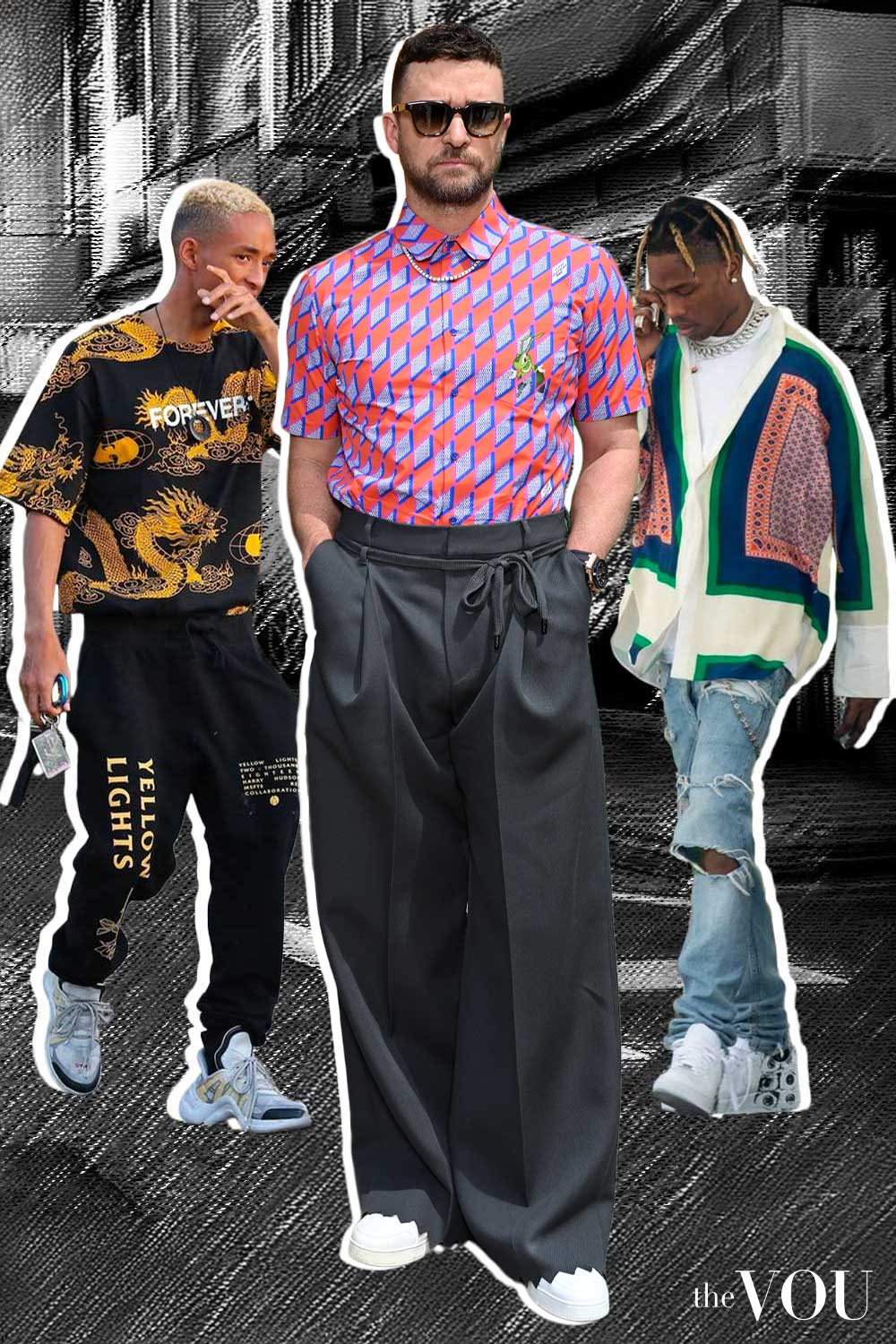
The genesis of streetwear is not found in the haute couture ateliers of Paris or Milan, but rather on the sun-drenched beaches of California, the gritty skate parks of New York, and the vibrant music scenes that bubbled up from urban centers. It’s a story of cultural amalgamation, where distinct subcultures began to forge a visual identity that transcended mere utility.
From Subculture to Global Phenomenon
In the late 1970s and early 1980s, the seeds of streetwear were sown by pioneers like Shawn Stussy, who began screen-printing his iconic signature onto t-shirts alongside his surfboard designs. This simple act marked a pivotal moment: applying a designer’s “brand” directly onto casual wear, drawing inspiration from punk DIY aesthetics and the burgeoning hip-hop scene. What started as a way for insiders to identify with a particular lifestyle — whether surfing, skating, or DJing — soon blossomed into something far larger. As these subcultures gained traction, their distinctive styles became aspirational, moving from localized movements to cross-cultural influences. The internet, particularly social media platforms, played a crucial role in accelerating this transformation, allowing niche trends to rapidly disseminate globally, turning regional styles into international statements.
Key Influences: Skate, Hip-Hop, Surf, and Art
Streetwear is a rich tapestry woven from diverse cultural threads. The relaxed, durable apparel of skateboarding culture — baggy pants, graphic tees, hoodies, and robust sneakers — provided a foundational silhouette. Hip-hop culture, with its emphasis on ostentation, brand loyalty, and personal flair, injected an element of luxury and aspirational branding, making labels like Kangol, FUBU, and later Supreme, essential status symbols. Surf culture contributed to the laid-back, sun-drenched aesthetic and the emphasis on branded casual wear. Meanwhile, street art and graffiti offered a visual language of rebellion and creativity, influencing graphic design, color palettes, and the overall ethos of making a statement through clothing. Each of these influences contributed layers of meaning and style, collectively defining an aesthetic that prioritizes comfort, individuality, and a connection to urban life.
The Shift from Niche to Mainstream
Initially, streetwear brands maintained an aura of exclusivity through limited drops, word-of-mouth marketing, and distribution through specialized boutiques. This scarcity fueled desire and fostered a strong sense of community among those “in the know.” However, as its appeal grew, high fashion designers and mainstream retailers began to take notice. Collaborations between luxury brands (e.g., Louis Vuitton x Supreme, Dior x Jordan) became commonplace, blurring the lines between high fashion and street style. This mainstream adoption, while expanding streetwear’s reach and commercial viability, also sparked debates among purists about authenticity and the potential dilution of its original rebellious spirit. Nevertheless, the shift demonstrated streetwear’s undeniable cultural impact and its capacity to transcend its subcultural origins, becoming a dominant force in the global fashion industry.
The Brand Powerhouse: Crafting Identity and Driving Desire
In the world of streetwear, a brand is far more than a logo; it’s a narrative, a community, and a carefully cultivated identity that drives desire and loyalty. The principles of branding, from strategic positioning to compelling design, are exceptionally pronounced within this domain, making it a fertile ground for studying effective brand building.
The Art of Brand Storytelling in Streetwear
Successful streetwear brands excel at storytelling. They don’t just sell clothes; they sell a lifestyle, an attitude, and a belonging. Brands like Supreme leveraged their origins in the New York skate scene to craft a narrative of authenticity, rebellion, and exclusivity. Palace Skateboards tells a story rooted in London’s gritty urban skate culture. A-COLD-WALL*, on the other hand, weaves narratives around British working-class aesthetics and social commentary. This storytelling often manifests through evocative imagery, limited-edition collaborations, and a consistent brand voice across all touchpoints, from social media captions to physical store experiences. It’s about creating a universe that consumers want to inhabit, fostering a sense of shared values and aspirations. For personal branding enthusiasts, streetwear offers valuable lessons in how a consistent, authentic narrative can build a devoted following.
Design, Exclusivity, and Collaboration as Pillars
Streetwear’s appeal is significantly bolstered by its distinctive design language. This often includes bold graphics, innovative typography, unique silhouettes, and a meticulous attention to detail and material quality. However, the true alchemy lies in the interplay of exclusivity and collaboration. The “drop” model – releasing highly limited quantities of new items on specific dates – generates immense hype, turning purchasing into an event and fostering a “fear of missing out” (FOMO). This scarcity not only inflates perceived value but also creates a secondary market, which further amplifies desirability. Collaborations, whether between streetwear giants (e.g., Supreme x The North Face), with artists, or increasingly with luxury brands, inject fresh perspectives and expand market reach. These partnerships are masterclasses in co-branding, allowing brands to tap into new demographics and reinforce their cultural relevance, simultaneously broadening their corporate identity and bolstering their market reputation.
Marketing in the Digital Age: Building Hype and Community
Streetwear brands have been pioneers in leveraging digital platforms for marketing. Social media, particularly Instagram, has become their primary stage for showcasing new drops, teasing collaborations, and engaging directly with their audience. Influencer marketing, organic user-generated content, and viral campaigns are fundamental to building hype. The digital native streetwear consumer is highly active online, sharing purchases, debating releases, and forming communities around shared brand loyalties. This dynamic feedback loop allows brands to quickly gauge consumer sentiment and adapt their strategies. Beyond direct sales, the digital realm is crucial for nurturing brand reputation, where transparency, authenticity, and responsiveness can either build or break a brand in an instant.
Personal Branding: How Streetwear Shapes Identity
Streetwear is not just about the brands themselves; it’s also about how individuals use these brands to construct their own personal identity. The selection of specific pieces, the way they are styled, and the overall aesthetic communicate a message about one’s taste, affiliations, and status. Owning a rare pair of sneakers or a limited-edition jacket can signify a deeper connection to a particular subculture, an understanding of fashion trends, or even a certain level of financial success. This aspect of personal branding makes streetwear highly relatable to the “Personal Branding” focus of our website, demonstrating how external markers can project an internal narrative, creating a strong sense of self and social belonging.
The Economics of Cool: Money, Investment, and Opportunity
Beyond its cultural cachet, streetwear represents a dynamic economic ecosystem, ripe with opportunities for entrepreneurs, investors, and savvy consumers. It’s a testament to how passion can be monetized, blurring the lines between fashion, finance, and entrepreneurial ventures.
The Resale Market: A Lucrative Side Hustle
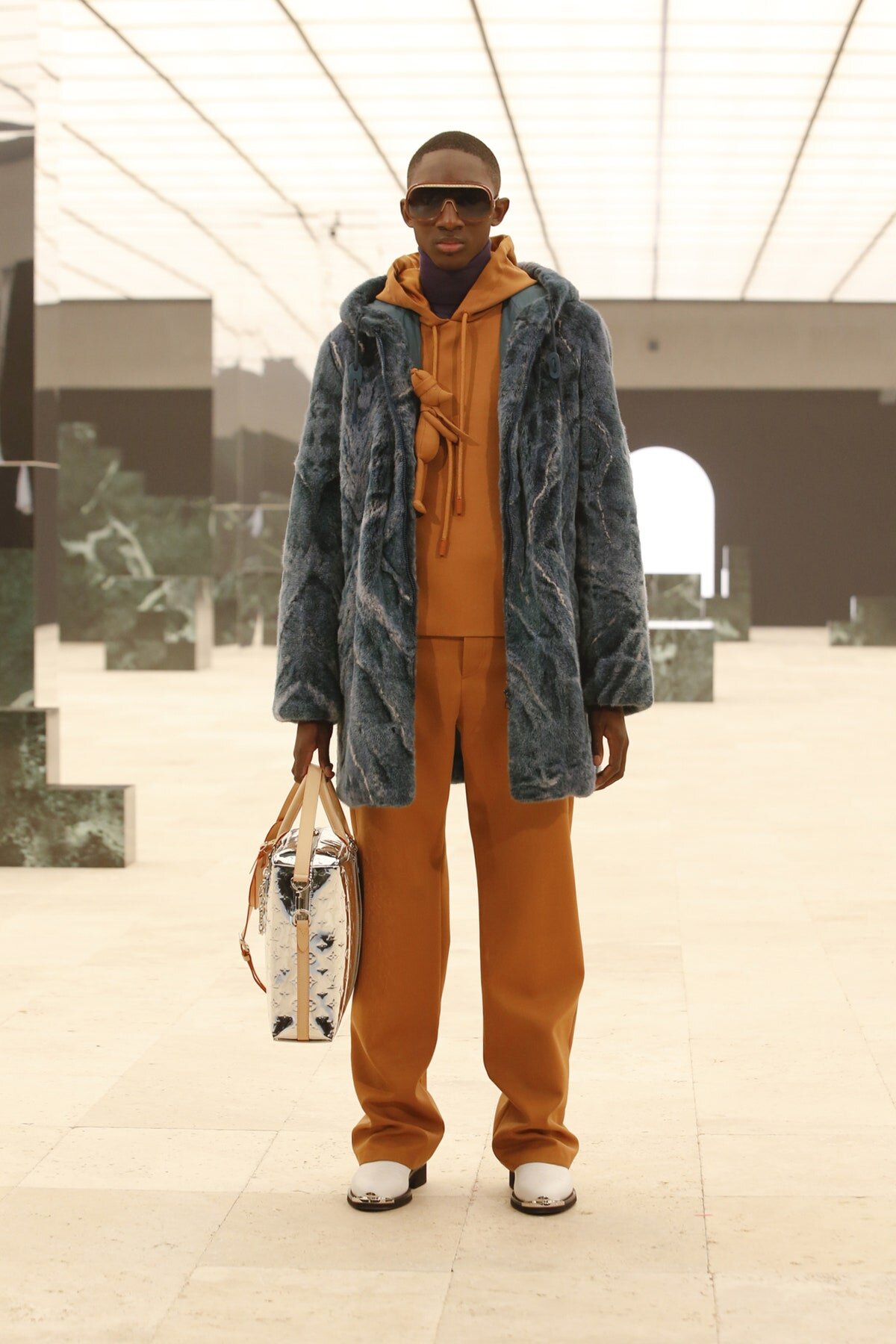
The inherent scarcity and high demand for limited-edition streetwear pieces have spawned a massive and incredibly lucrative resale market. Platforms like StockX, GOAT, and Grailed facilitate transactions for sneakers, apparel, and accessories, often with prices far exceeding original retail. This “hypebeast economy” has transformed what might seem like a simple hobby into a viable online income stream and side hustle for many. Individuals meticulously track release dates, leverage bots to secure highly coveted items, and then flip them for significant profit. Understanding the mechanics of supply and demand, market trends, and efficient logistics is paramount for success in this domain, making it a compelling case study for anyone interested in online income generation and entrepreneurial endeavors.
Investing in Limited Editions: Beyond Apparel
The concept of “investing” in streetwear extends beyond mere clothing; it encompasses collectible items that appreciate in value over time. Rare sneakers, vintage graphic tees, and limited-edition art toys can command prices in the tens of thousands, sometimes even hundreds of thousands, on the secondary market. Much like art or classic cars, the value is driven by rarity, historical significance, condition, and cultural relevance. This phenomenon has prompted discussions around streetwear as an alternative asset class. For those interested in “Investing,” it presents a unique, albeit speculative, opportunity that requires deep market knowledge, foresight, and a keen eye for cultural shifts. Understanding market cycles, brand trajectories, and consumer psychology becomes as important as understanding traditional financial instruments.
Building a Streetwear Business: From Concept to Commerce
The accessibility of e-commerce platforms and digital marketing tools has lowered the barrier to entry for aspiring streetwear entrepreneurs. Many successful brands started from humble beginnings, leveraging social media to build initial traction. The “Business Finance” aspect comes into play here, requiring careful planning for product development, manufacturing, inventory management, marketing budgets, and scaling operations. From sourcing sustainable materials to managing international supply chains, running a streetwear brand demands a comprehensive understanding of business operations. It’s an industry where creativity must be matched by astute financial management and strategic brand building to survive and thrive.
Financial Accessibility: Balancing Desire and Budget
While some streetwear items are undeniably expensive, the broader ecosystem also caters to various budgets. Fast fashion brands often offer streetwear-inspired pieces at lower price points, making the aesthetic accessible to a wider audience. However, for those aspiring to own authentic, limited-edition items, the financial implications are significant. This brings “Personal Finance” into sharp focus. Enthusiasts often budget specifically for drops, prioritize certain purchases, and engage in the resale market to fund their passion. It’s a world where discretionary spending is often a calculated decision, weighing the desire for cultural capital against practical financial planning.
Streetwear in the Digital Age: Tech-Driven Trends and Futures
The rapid advancements in technology have profoundly impacted how streetwear is designed, marketed, sold, and even experienced. From e-commerce innovations to emerging digital frontiers, tech is not just a tool for streetwear; it’s increasingly an integral part of its identity and future.
E-commerce and Social Media: The Digital Marketplace
The digital marketplace is the lifeblood of modern streetwear. E-commerce platforms, often customized to handle high-traffic “drops” and manage complex inventory, are the primary point of sale for most brands. Social media platforms like Instagram and TikTok are not merely marketing channels but immersive shopping experiences, allowing users to discover, connect with, and purchase from brands seamlessly. “Apps” dedicated to sneaker culture (e.g., SNKRS, Adidas Confirmed) offer exclusive access to releases, turning the act of buying into a gamified experience. This digital infrastructure is crucial for maintaining the hype-driven, limited-release model that defines much of streetwear’s commercial success, directly tying into the “Software” and “Apps” focus of our website.
Emerging Technologies: NFTs, AI, and Sustainable Innovation
The cutting edge of “Technology Trends” is already shaping streetwear’s future. Non-Fungible Tokens (NFTs) are revolutionizing ownership and authenticity, with brands issuing digital collectibles, virtual wearables for metaverses, and even linking physical products to NFTs to verify provenance and combat counterfeiting. Artificial Intelligence (AI) is being explored in design processes, generating new patterns, optimizing material usage, and predicting trends based on vast datasets. Furthermore, “Tech” is driving sustainable innovation, with brands exploring recycled materials, biodegradable fabrics, and manufacturing processes that reduce environmental impact – a crucial development as consumers become more conscious of ethical production. This intersection promises a future where streetwear is not only stylish but also smart, transparent, and eco-conscious.
The Intersection with Gadgets and Techwear Aesthetics
Streetwear often complements, or even incorporates, the latest “Gadgets.” The rise of “techwear” as a sub-genre, characterized by functional, performance-driven apparel with an urban aesthetic, perfectly exemplifies this synergy. Think waterproof fabrics, utilitarian pockets designed for smartphones or portable chargers, and reflective elements for urban navigation. This aesthetic blurs the lines between fashion and utility, appealing to consumers who want their clothing to be as technologically advanced and adaptable as their devices. Wearable tech, smartwatches, and innovative accessories are often integrated into streetwear styling, highlighting a lifestyle that is perpetually connected and ready for anything.
Data and Analytics: Understanding Consumer Behavior
In the competitive streetwear landscape, understanding consumer behavior is paramount. Brands leverage “Digital Security” for secure online transactions and “Productivity” tools for efficient supply chain management. But more importantly, they use sophisticated data analytics to track preferences, predict demand for drops, and personalize marketing campaigns. This data-driven approach, drawing insights from sales figures, social media engagement, and website traffic, allows brands to fine-tune their strategies, optimize product offerings, and maintain their pulse on the ever-shifting currents of cultural taste.
The Enduring Appeal and Future Trajectory of Streetwear
Streetwear’s journey from a subcultural expression to a global economic and cultural powerhouse is a testament to its dynamic nature and its ability to continually reinvent itself. Its enduring appeal lies in its authenticity, its direct connection to youth culture, and its democratizing influence on fashion.
Adaptability and Cultural Resonance
Unlike traditional fashion cycles, streetwear thrives on an inherent adaptability. It absorbs influences from music, art, sports, and technology, constantly morphing and reflecting the zeitgeist. This cultural resonance ensures its relevance across generations, as it provides a platform for self-expression and a sense of belonging in a rapidly changing world. It’s a fashion movement that speaks directly to the individual, allowing them to wear their identity on their sleeve, literally.
The Future: Sustainability, Personalization, and Digital Horizons
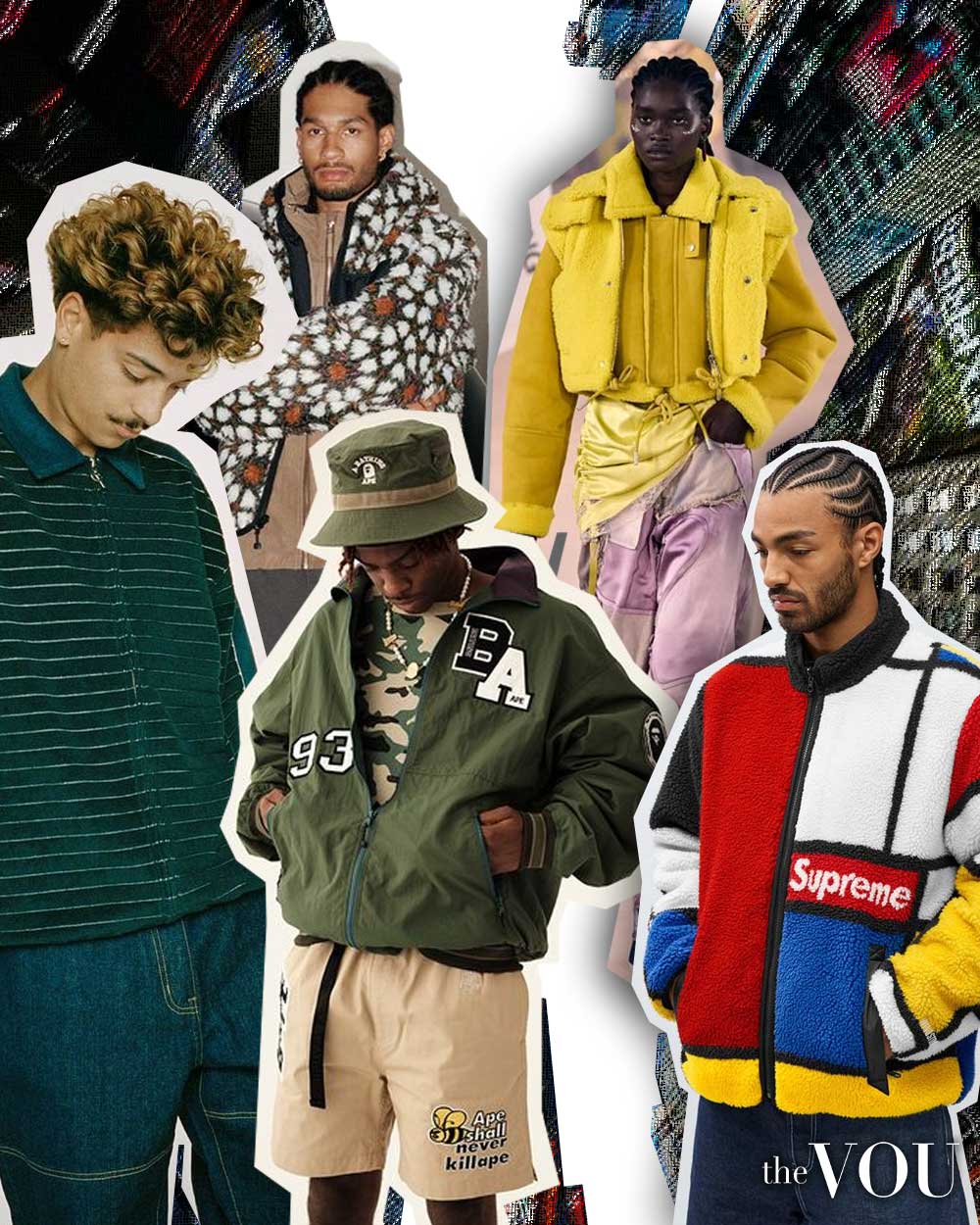
Looking ahead, streetwear is poised for continued evolution. Sustainability will become even more critical, driving innovation in materials, production, and ethical supply chains. Personalization, facilitated by AI and advanced manufacturing techniques, will allow consumers greater input into the design and customization of their apparel. The digital horizons of NFTs, the metaverse, and virtual fashion will undoubtedly push boundaries, creating new forms of ownership, expression, and commerce. Streetwear will continue to challenge conventions, blurring the lines between physical and digital, luxury and accessible, and fashion and technology, solidifying its place not just as a style, but as a perpetual cultural barometer.
aViewFromTheCave is a participant in the Amazon Services LLC Associates Program, an affiliate advertising program designed to provide a means for sites to earn advertising fees by advertising and linking to Amazon.com. Amazon, the Amazon logo, AmazonSupply, and the AmazonSupply logo are trademarks of Amazon.com, Inc. or its affiliates. As an Amazon Associate we earn affiliate commissions from qualifying purchases.