
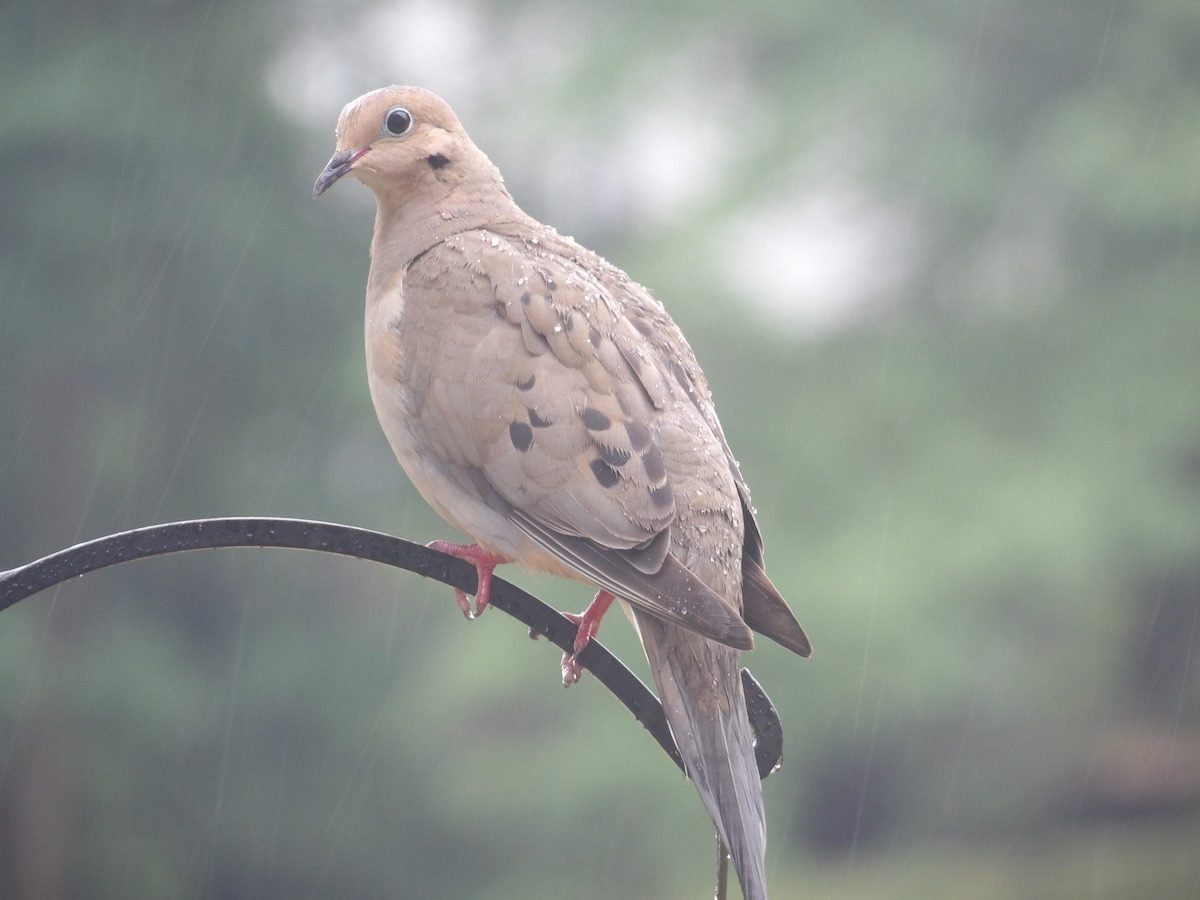
The mourning dove (Zenaida macroura) is more than just a common backyard bird; it is a profound symbol that has woven itself into the fabric of cultural history, folklore, and personal introspection. Whether you are a casual observer watching them gather at a bird feeder or someone who finds their sudden appearance deeply significant, these birds carry a weight that transcends their biological classification. To understand what it means when you see mourning doves, we must examine the intersection of symbolism, historical perception, and the psychological impact of their presence in our daily lives.
The Cultural and Historical Symbolism of the Mourning Dove
Throughout history, the mourning dove has been interpreted through various cultural lenses. Its soft, low-frequency cooing sound, which often evokes a sense of melancholy or introspection, is responsible for its evocative common name. This acoustic characteristic has led many cultures to view the bird as a harbinger of transition or a messenger of the spirit world.
The Messenger of Peace and Transition
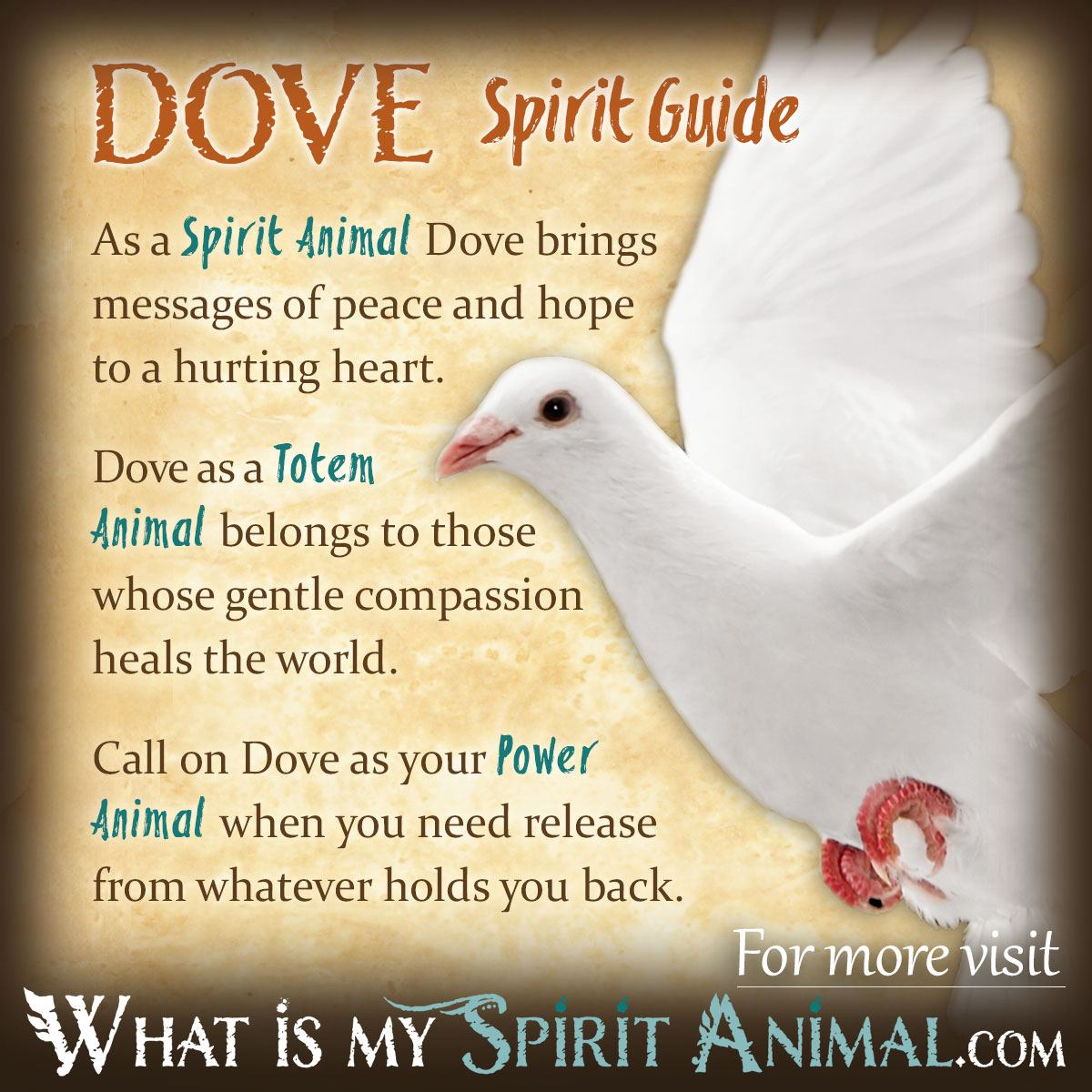
In many traditions, doves are synonymous with peace. While the white dove often represents universal tranquility, the mourning dove is frequently associated with internal peace—the kind one finds after a period of grief or difficult transition. Seeing a mourning dove is often interpreted as a sign that a period of mourning or emotional upheaval is coming to a close. It suggests that the observer is entering a phase of reflection and acceptance.
Folklore and Spiritual Connections
In various indigenous and folk traditions, the mourning dove is seen as a conduit between the living and the departed. Because these birds are often found in pairs and exhibit strong bonds, their presence is frequently linked to the theme of companionship—both in life and in the afterlife. If you see a mourning dove shortly after a significant loss, it is often viewed as a “visitation” or a comforting nudge from the beyond, serving as a reminder that love remains even when physical presence has faded.
Interpreting Presence: What Their Behavior Tells Us
To understand the personal significance of seeing a mourning dove, one must look at how they interact with their environment. Their behaviors are often mirrors for our own human experiences, providing metaphors for how we handle our relationships and our internal state.
The Power of Pairing and Fidelity
Mourning doves are famous for their strong, monogamous bonds. They are rarely seen alone; usually, they travel in pairs. When you see a pair of mourning doves, it is widely considered an auspicious sign regarding your personal relationships. It may serve as a reminder to nurture your current partnerships, practice deeper empathy with your spouse, or honor the commitments you have made. In a world of fast-paced, transient connections, the mourning dove serves as a grounding force, emphasizing the importance of loyalty and the strength found in long-term union.

Quietude and the Art of Stillness
Unlike the frantic energy of many other garden birds, mourning doves possess a calm, deliberate nature. They move slowly and spend significant time foraging on the ground. Witnessing this behavior can be a prompt for the observer to slow down. In the context of modern burnout and the relentless pace of productivity, the mourning dove represents the necessity of stillness. Seeing them may be an invitation to step back, practice mindfulness, and observe your life from a place of quiet observation rather than reactive participation.
The Psychological Impact of Seeing Mourning Doves
When we experience a connection to wildlife, we are often projecting our current psychological state onto the natural world. Recognizing the symbolism of the mourning dove can serve as a powerful tool for personal reflection.
Finding Meaning in Grief
Grief is a non-linear process, and the mourning dove serves as an external symbol for that internal experience. Seeing these birds can act as a catalyst for processing emotions that have been suppressed. The name “mourning” is not meant to be inherently negative; rather, it acknowledges the reality of loss as a prerequisite for transformation. If you find yourself frequently spotting these birds during a difficult time, consider it a psychological permission slip to acknowledge your sadness, honor your loss, and eventually find the peace necessary to move forward.
Resilience and Grounded Living
Mourning doves are remarkably adaptable. They inhabit a wide range of environments, from deep woods to suburban backyards. This resilience, paired with their ground-feeding habits, suggests a grounded approach to life. They do not seek the highest branches of the tallest trees; they remain close to the earth. For the observer, this can symbolize the importance of maintaining a connection to the “roots”—our fundamental values, our community, and the tangible aspects of our daily lives that provide stability.
Integrating the Symbolism into Daily Life
The meaning of a mourning dove is ultimately what you choose to make of it. While the lore is rich and varied, the true power of the encounter lies in your personal interpretation.
Creating a Ritual of Observation
If you find that the presence of mourning doves brings you comfort, consider creating a small ritual around their appearance. This might involve setting up a bird bath or a specific type of seed feeder that attracts them to your space. By inviting them in, you are consciously choosing to create an environment of peace and reflection. When you see them, take a moment to pause. Disconnect from digital devices, take a few deep breaths, and use their presence as a literal “sign” to check in with your own mental well-being.
Reflections on Change
The most profound lesson the mourning dove offers is that change is natural. Just as these birds migrate and adapt to the seasons, so too must we navigate the cycles of our own lives. When you see them, ask yourself: What phase am I currently in? Are you in a season of planting, a season of harvest, or a season of letting go? The mourning dove does not rush its song, and it does not force its journey. By observing them, we learn to trust the timing of our own lives, understanding that even the periods that feel like “mourning” are simply necessary movements toward a new beginning.
Conclusion: A Compassionate Mirror
Whether you view the mourning dove through a spiritual lens or a psychological one, it remains an animal of profound significance. Its soft song is a lullaby to the busy mind, and its faithful companionship is a testament to the power of connection. When you see a mourning dove, you are not just looking at a bird; you are looking at a mirror of your own capacity for resilience, your need for peace, and your inherent connection to the cycles of nature. Pay attention to the next one you see—not just for its plumage or its song, but for the quiet message it may be carrying just for you.
aViewFromTheCave is a participant in the Amazon Services LLC Associates Program, an affiliate advertising program designed to provide a means for sites to earn advertising fees by advertising and linking to Amazon.com. Amazon, the Amazon logo, AmazonSupply, and the AmazonSupply logo are trademarks of Amazon.com, Inc. or its affiliates. As an Amazon Associate we earn affiliate commissions from qualifying purchases.